“From cultural storytelling to political symbolism, these outfits proved fashion’s power to communicate.”
For the first time in years, the Met Gala red carpet felt less like a race for virality and more like a curated exhibition of personal stories, cultural memory, and artistic intention. The theme, “Fashion Is Art,” pushed attendees to move beyond surface level glamour. The most compelling looks weren’t the loudest, they were the ones that carried purpose.
As an editor who neither supports nor opposes any celebrity or designer, my lens is simple: intention over impact, meaning over noise.
Here is an unbiased, purpose driven ranking of the ten looks that truly embodied meaningful dressing in 2026.
1. SZA — A Tribute Woven in Gold
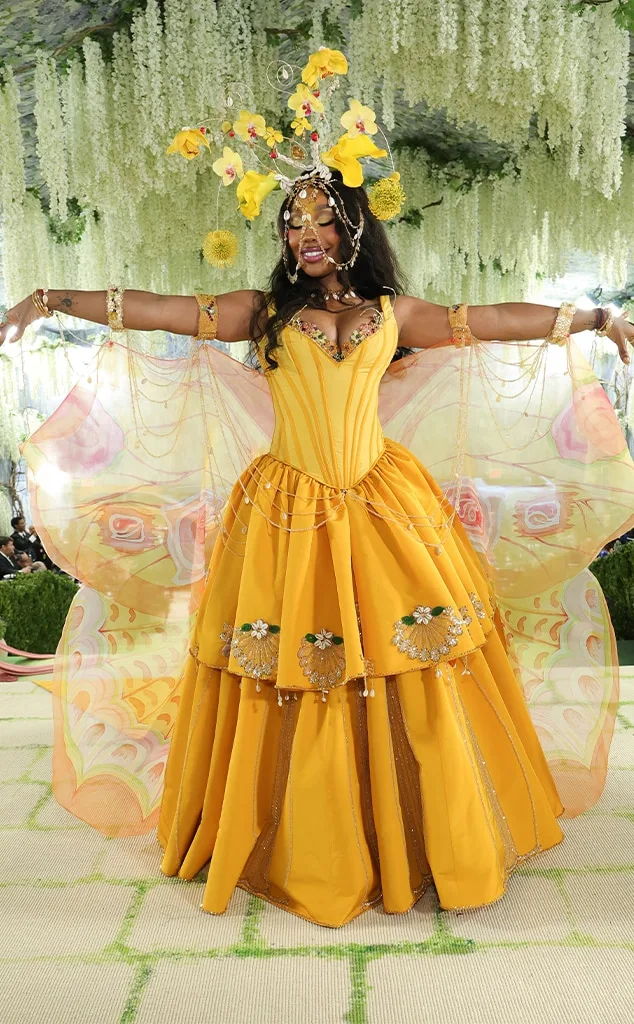
SZA’s gown was more than couture — it was a living biography.
Crafted from over 100 yards of hand dyed fabric, the piece incorporated symbols from her family lineage, including quilt inspired motifs honoring her grandmother. The balance of softness and strength turned personal history into wearable art.
Why it mattered: A deeply intimate celebration of Black matriarchal storytelling.
2. Emma Chamberlain — The Hand Painted Masterpiece
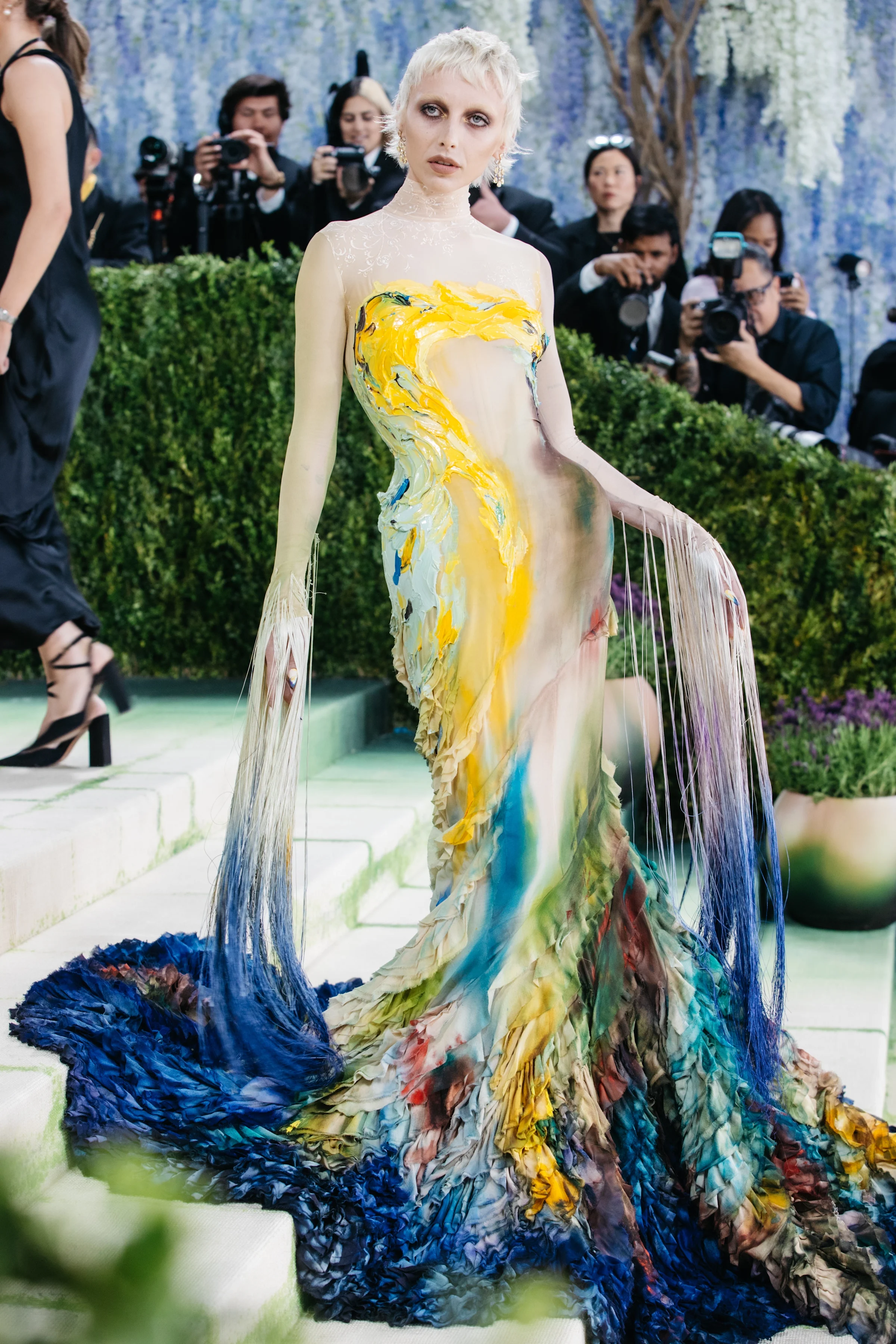
Emma’s gown functioned as a literal canvas.
Painted by emerging artists, each brushstroke represented the evolution of digital creators stepping into the role of cultural curators.
Why it mattered: It elevated young artistic voices and blurred the line between influencer culture and fine art.
3. Beyoncé — The Crystal Body as Architecture
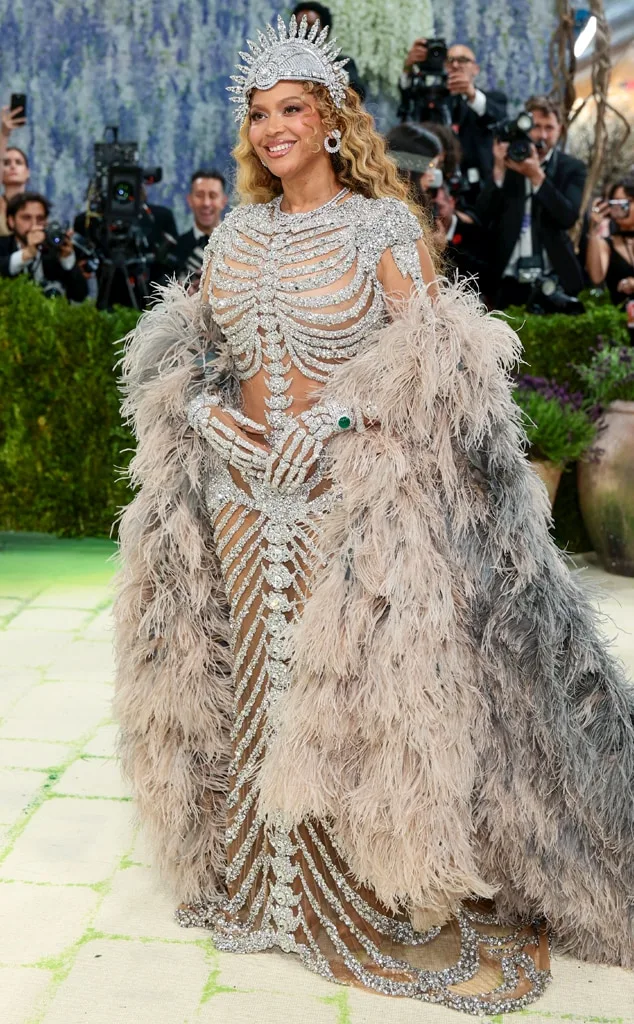
Beyoncé’s sculptural crystal dress was a study in structure and reinvention.
The geometric lines referenced modernist architecture, symbolizing the rebuilding of identity after transformation.
Why it mattered: A thoughtful commentary on resilience and the architecture of selfhood.
4. Naomi Osaka — A Living Transition Piece
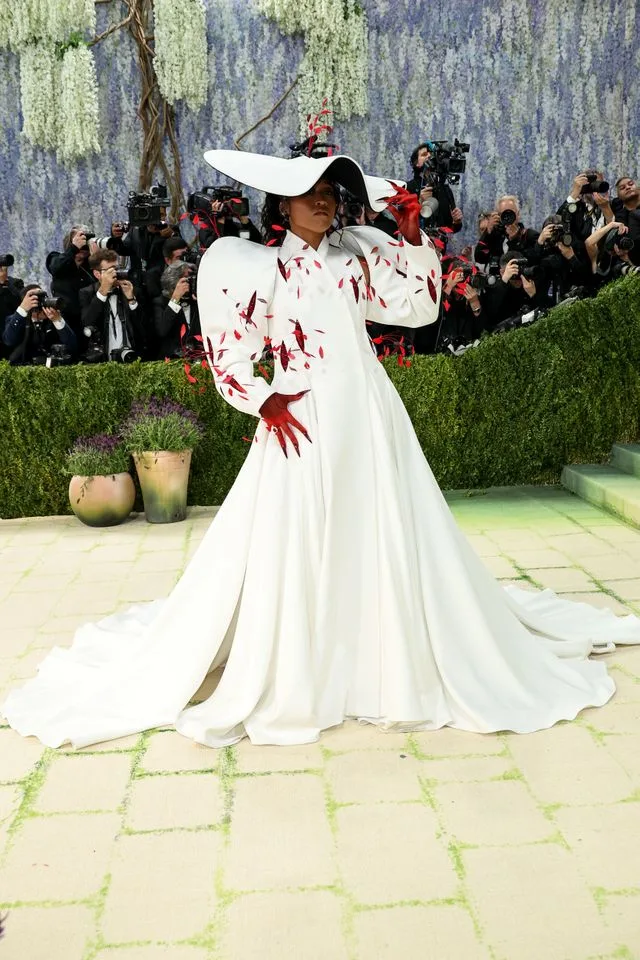
Naomi’s look shifted colors and textures as she moved, embodying the fluidity of identity.
Why it mattered: A tribute to her multicultural heritage and a reminder that identity is dynamic, not fixed.
5. Camila Mendes in Manish Malhotra — Indian Craft, Modern Voice
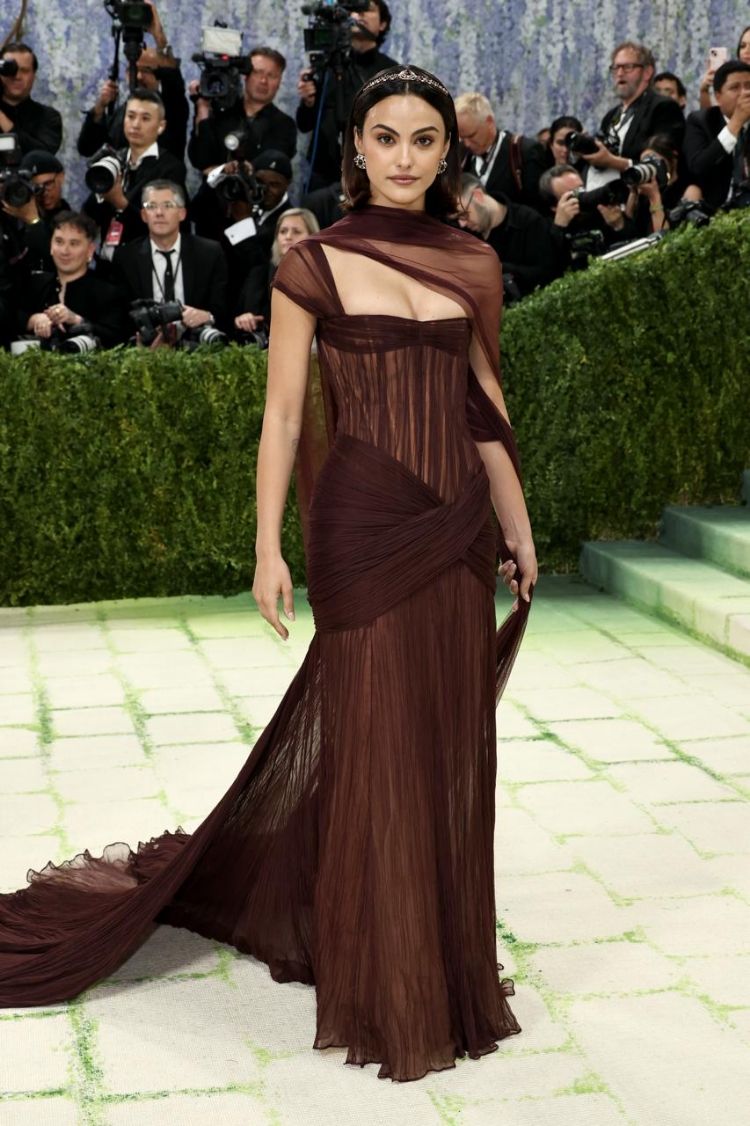
Camila’s custom Malhotra gown showcased intricate hand embroidered motifs inspired by Indian miniature paintings.
Why it mattered: A respectful, modern interpretation of South Asian craftsmanship — without exoticism or excess.
6. Janelle Monáe — The Artist as the Artwork
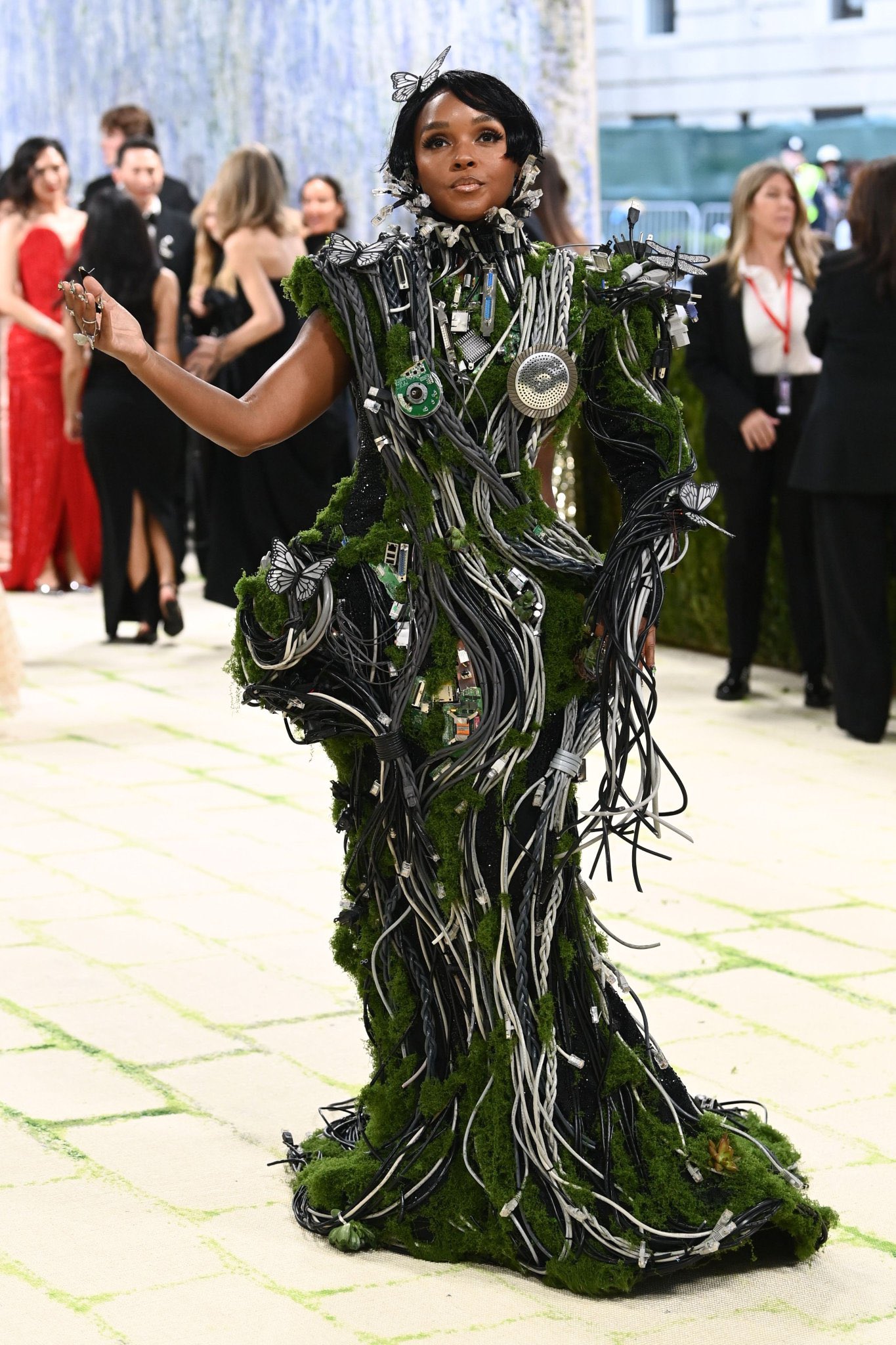
Janelle arrived as a surrealist sculpture, merging performance art with fashion.
Why it mattered: It challenged the idea of the body as a passive canvas and instead positioned the wearer as the creator.
7. Blake Lively — New York as Couture
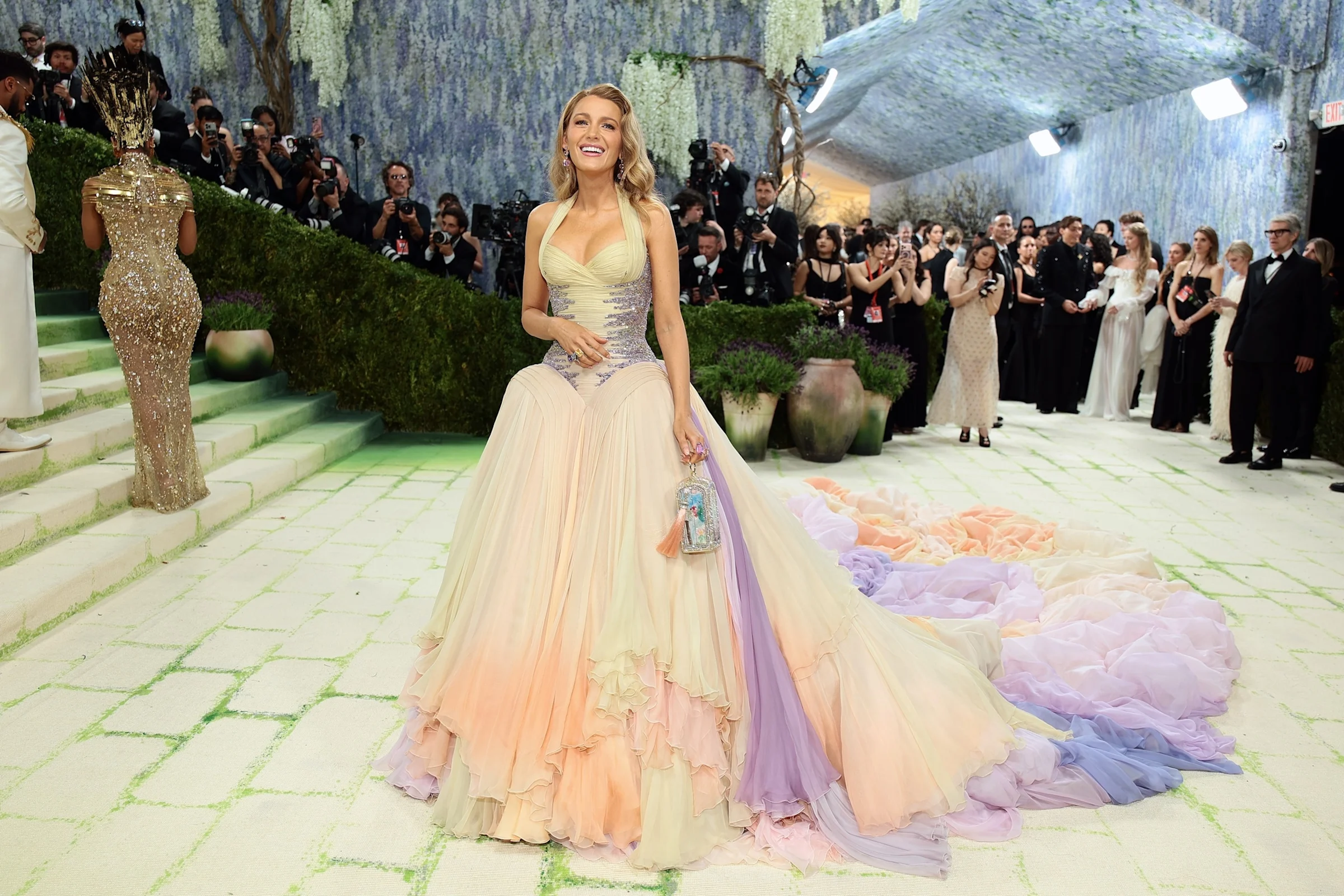
Blake’s archival Versace gown featured a dramatic 13 foot train inspired by New York’s architectural history.
Why it mattered: A heartfelt tribute to the city that shaped the Met Gala itself — a rare moment of place based storytelling.
8. Rosé — A Dialogue Between Art History & Fashion History
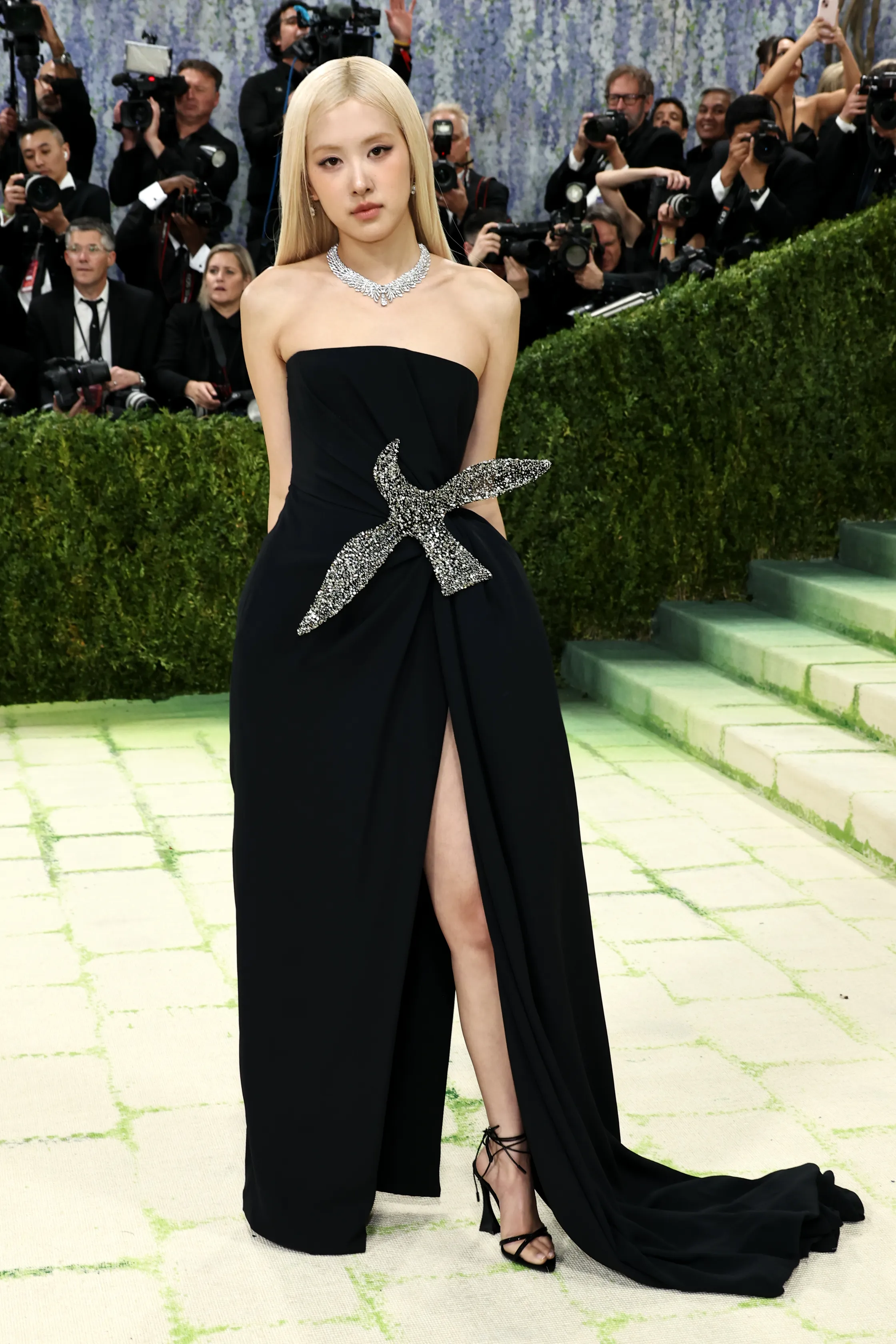
Rosé’s Dior gown drew from Renaissance portraiture, reinterpreted through modern tailoring.
Why it mattered: It bridged centuries of women’s representation in art, shifting the narrative from muse to maker.
9. The Sustainable Collective — Upcycled Couture Done Right
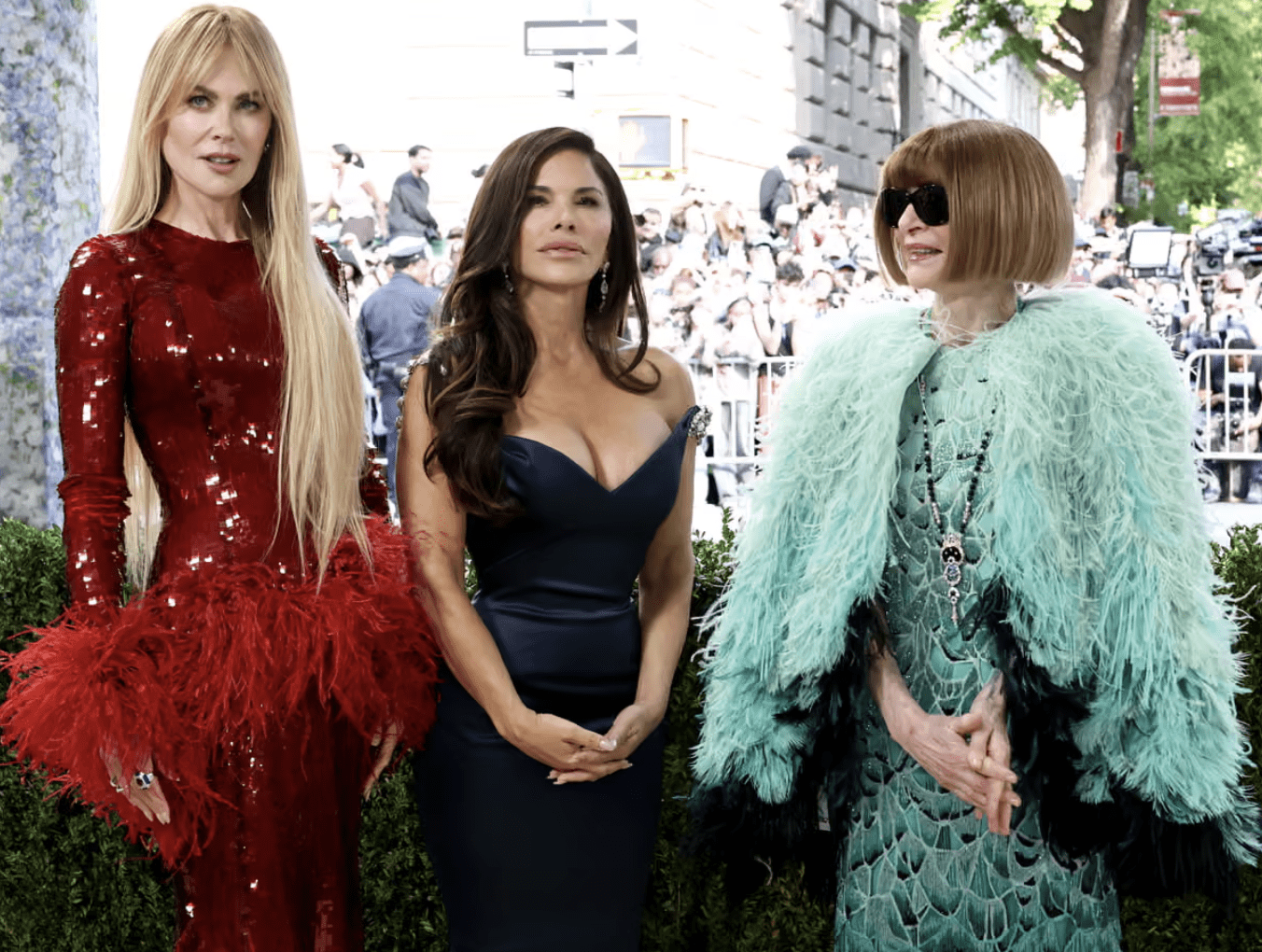
Several attendees embraced sustainability with genuine craftsmanship rather than performative gestures.
Why it mattered: It proved that eco fashion can be luxurious, intentional, and editorially strong.
10. Political Fashion — Subtle, Not Performative
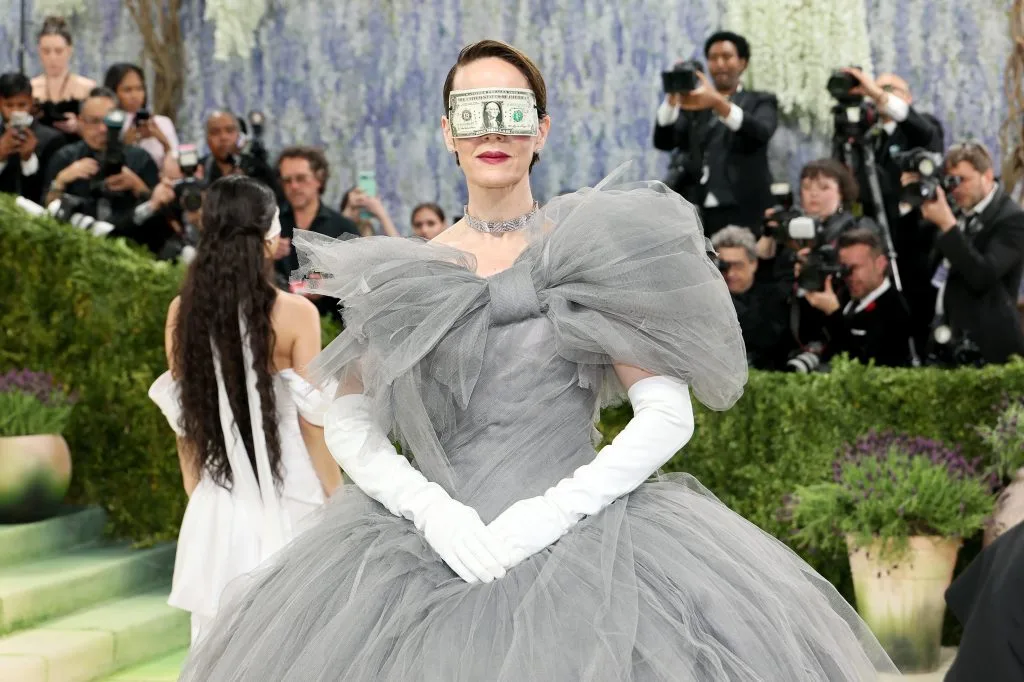
A handful of guests used symbolism- not slogans -to address issues such as climate change, reproductive rights, and freedom of expression.
Why it mattered: It demonstrated that political fashion can be thoughtful, nuanced, and rooted in purpose.
Year Meaning Outshone Magnitude
The Met Gala 2026 will be remembered not for shock value, but for sincerity.
This was the year celebrities embraced fashion as a medium of storytelling — cultural, personal, political, and artistic. Meaningful dressing wasn’t a trend; it was the thesis.
Fashion finally spoke, and the world listened.
Photo Credits
Images courtesy of their respective owners.