There are days when silence feels like elegance—and days when silence is complicity. Armenian Genocide remembrance is one of those days that demands a steadier voice, a clear gaze, and the refusal to let history be softened into “tragedy,” as if language could lacquer over intent. On April 24, the world is asked to remember 1.5 million Armenians murdered. Not as an abstraction. As lives with hands and habits, love letters and lullabies, recipes that never got written down, cities that emptied.
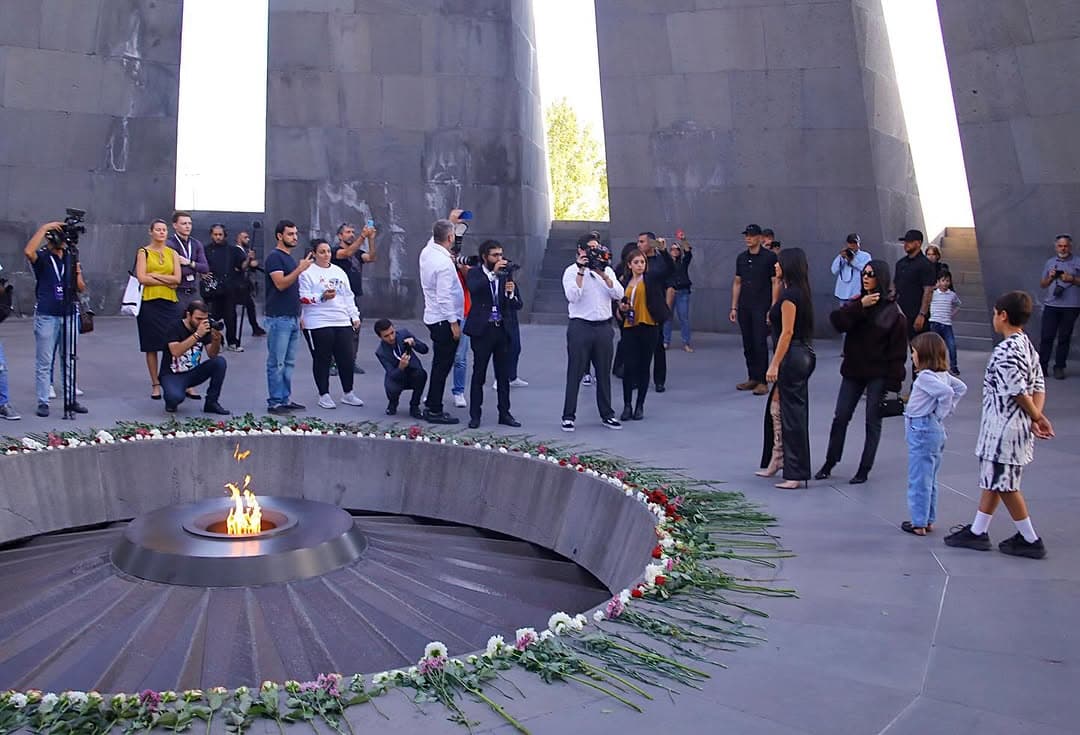
Kim Kardashian’s annual message lands with the directness of a personal truth: “Being Armenian has shaped so much of how I see the world… Visiting Armenia with my family was one of the most impactful experiences of my life.” It’s not a press release; it reads like a woman speaking from the marrow. And yes, celebrity statements can feel like perfume sprayed over politics—pretty, fleeting. This one doesn’t. It insists on memory as a living thing, stubborn and necessary.
Armenian Genocide remembrance isn’t a slogan—it’s a standard
We live in an era that loves commemoration aesthetics: candlelight, black squares, tasteful serif fonts. But Armenian Genocide remembrance asks for more than symbolic styling. It asks for accuracy. For the courage to use the words that governments have spent generations avoiding. For institutions to put record before convenience.
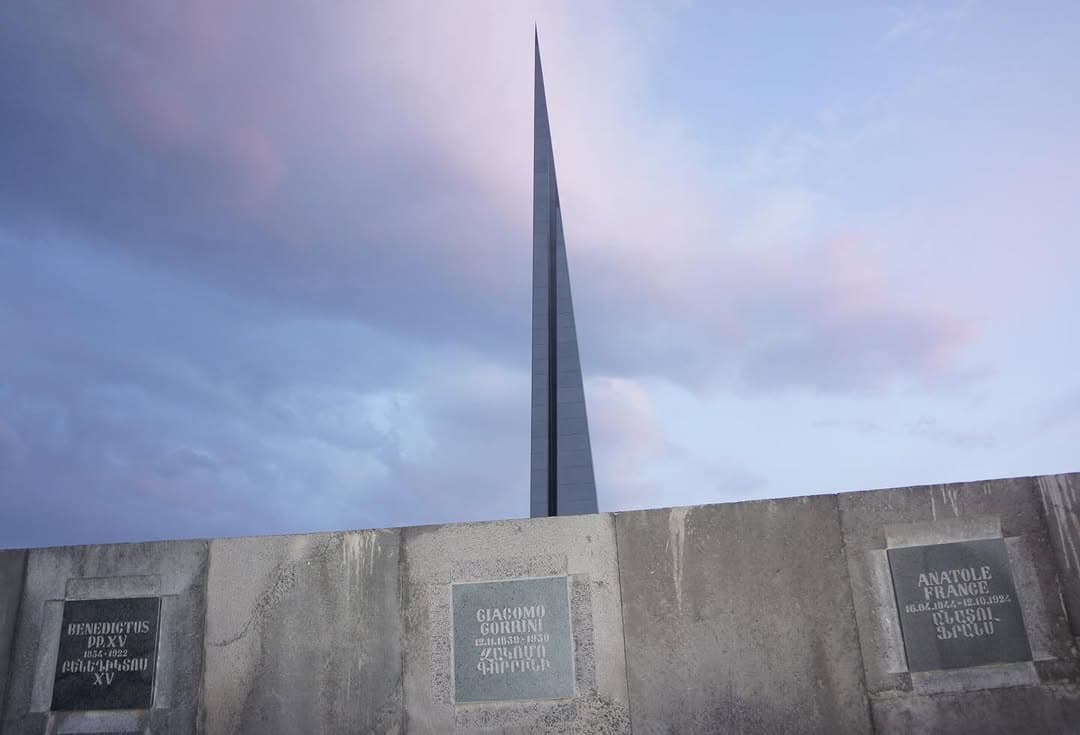
If you’re revisiting the history—or learning it properly for the first time—start with credible, plain-speaking sources: the historical overview offers a structured entry point, while the United States Holocaust Memorial Museum’s explainer is as sober as it is essential. For those wanting a deeper institutional framework, the Armenian Genocide Museum-Institute provides research and documentation with the gravity this subject deserves.
Why language matters (and why “never again” keeps failing)
The phrase “never again” has become a global accessory—worn, posted, then forgotten. But memory without precision becomes mood. The Armenian Genocide was not an unfortunate cascade of events; it was a planned campaign of annihilation. Naming that doesn’t reopen wounds. It stops them from being rewritten.
There’s a reason denial is so persistent: it’s politically useful. Vagueness is convenient. But Armenian Genocide remembrance is, at its best, an act of cultural self-respect—and a demand that others respect the record, too.
Kim Kardashian, identity, and what visibility can actually do
Kardashian’s Armenian heritage has always been part of her public portrait, but it’s matured over the years from a biographical detail into a clear through-line. She speaks about family, faith, and the visceral impact of visiting Armenia—an experience many in the diaspora recognize with a shiver of familiarity. You arrive expecting “roots” and leave with something heavier: recognition. Grief. A strange, fierce pride.
Her wording is pointedly human: praying for the Armenian community—and for anyone suffering worldwide—“that their lives are protected, their voices are heard, and their pain is not ignored.” It’s the last clause that stings. Pain ignored becomes precedent.
Celebrity, when handled carefully, can be a megaphone without being a spectacle. The best version of influence isn’t volume; it’s reach. And in a media ecosystem that can reduce atrocity to a trending topic, reach is not nothing.
When remembrance becomes cultural practice, not calendar content
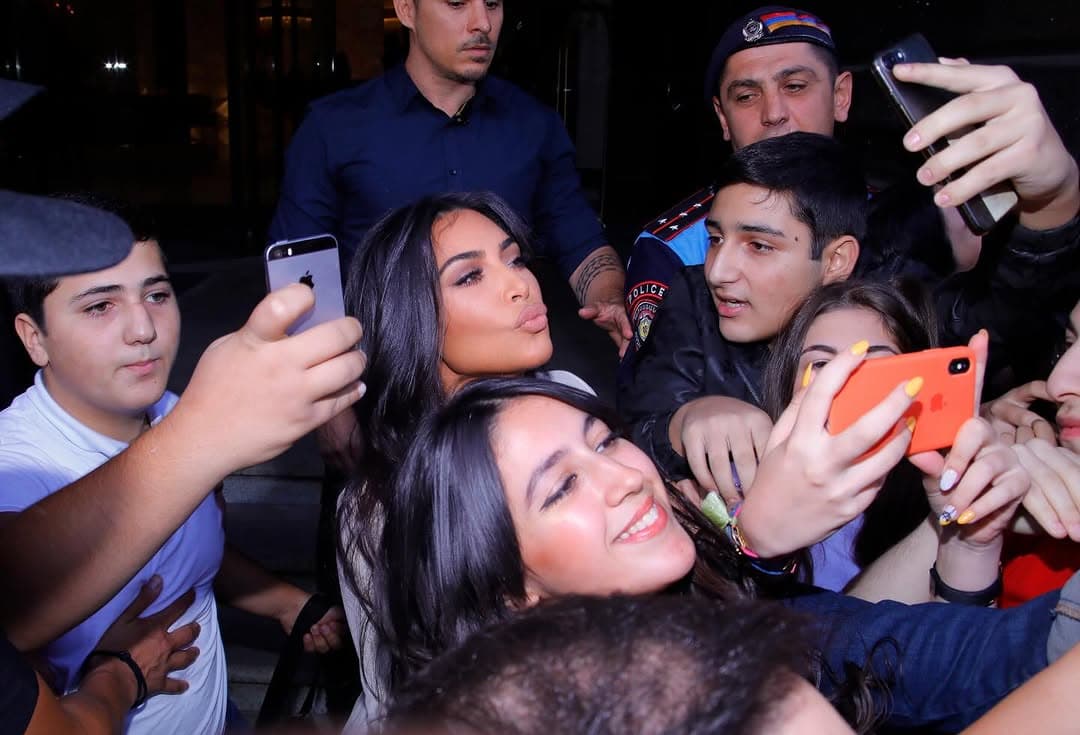
There’s a particular intimacy to the way Armenians remember: the stories passed down at tables; the surnames that carry geography in their syllables; the way a hymn can turn a room into a small cathedral. Memory lives in rituals more than speeches.
If you’re looking for ways to honor Armenian Genocide remembrance beyond a post, consider actions that aren’t performative:
- Read and cite reputable history—not “both sides” drift.
- Support Armenian artists and cultural institutions, especially those preserving language, archives, and craft.
- Listen to diaspora narratives with patience; inherited grief doesn’t always arrive neatly packaged.
Travel to Armenia: beauty that refuses to be erased
Armenia is not a metaphor. It’s a place of volcanic stone and apricot light, of churches that look carved from prayer itself, of Yerevan evenings that smell faintly of coffee and warm dust. The country has an old-soul glamour that doesn’t need polishing—more storied than styled. Think less “bucket list,” more pilgrimage, even if you don’t consider yourself religious.
Kardashian describing her family trip as “one of the most impactful experiences” resonates because Armenia has a way of turning identity from concept into contact. For the diaspora, especially, it can feel like meeting yourself in a mirror you didn’t know existed.
If you’re interested in the broader conversation of heritage travel and identity—how place changes you, and why it matters—our editors have explored the emotional pull of return journeys in pieces like the art of heritage travel and the modern etiquette of remembrance in cultural memory and modern rituals. And if you’re thinking about what allyship looks like when it’s not branded, how to support human rights without performative activism offers a sharper, more practical lens.
What to say today—when you don’t have the “perfect” words
You don’t need a dissertation to show up. You need sincerity and specificity. Say “Armenian Genocide.” Say “1.5 million.” Say you remember. Say you refuse denial. If you’re Armenian, you’re allowed to be furious, exhausted, tender, numb—all of it. If you’re not, you’re allowed to witness without centering yourself. The bar is not perfection; it’s presence.
Armenian Genocide remembrance is, ultimately, a decision: to keep the names above ground. To keep the record intact. To insist—against the seductive ease of forgetting—that history is not negotiable.
Photo Credits
Cover image and additional images courtesy of their respective owners.