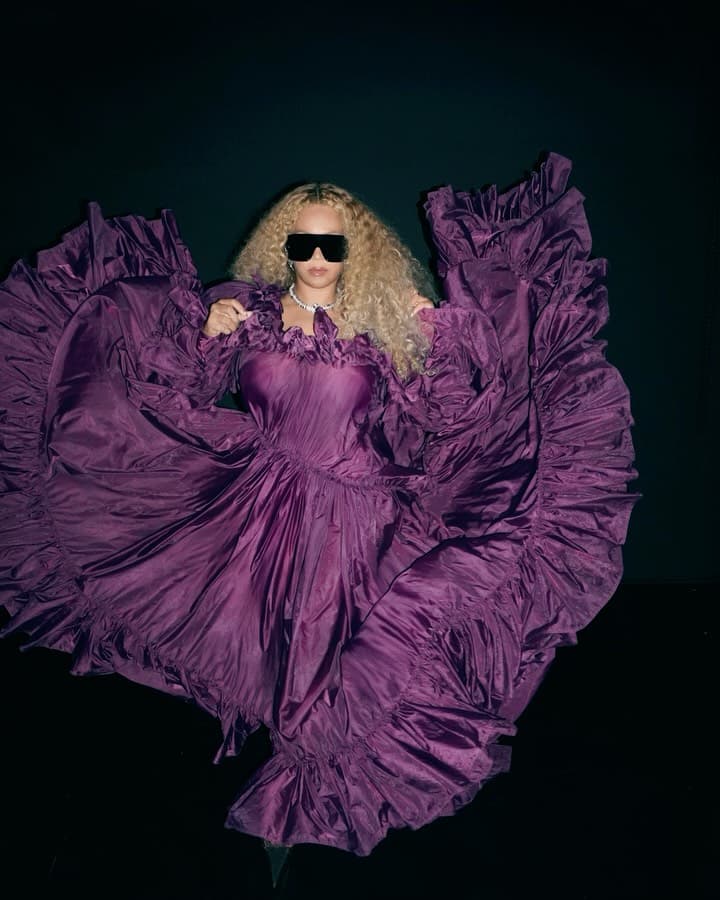
There are celebrities, and then there is Beyoncé—an industry so meticulously choreographed it feels less like fame and more like architecture. You don’t merely “follow” her; you orbit her. One minute she’s a whisper behind a pair of sunglasses, the next she’s bending stadium light into something almost devotional. Beyoncé has spent the last decade doing something rarer than reinvention: she has made control look like art.
And yes, it’s control—of image, sound, business, narrative, even silence. Plenty of stars chase relevance with a frantic, open-palmed need. Beyoncé doesn’t chase. She edits. She withholds. She releases. She lets the world do what it always does—talk—and then she arrives with a finished product that makes the chatter feel like pre-production notes.
Beyoncé and the New Luxury of Privacy
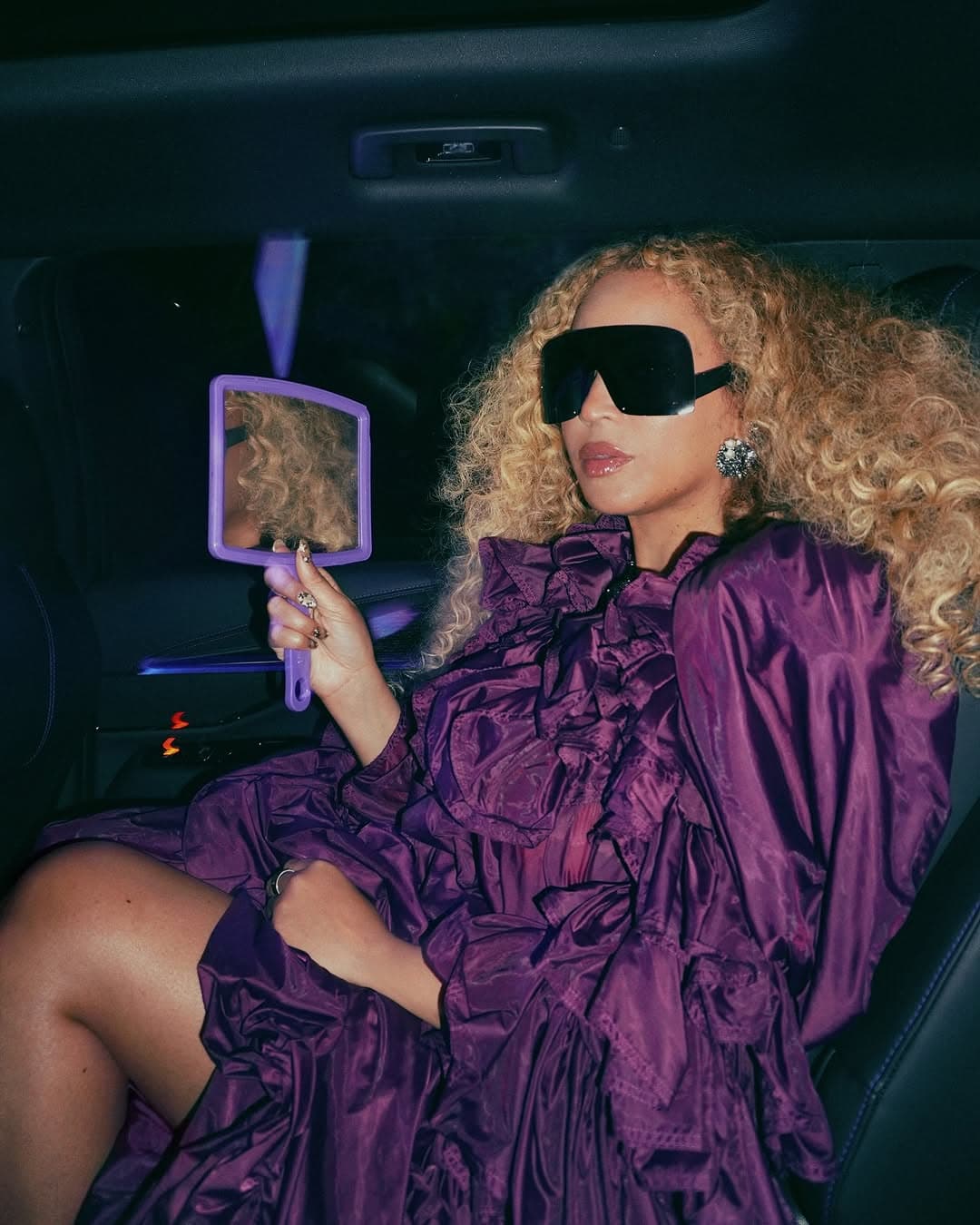
Luxury used to mean access: the front row, the backstage pass, the afterparty address texted at 1 a.m. Now? True luxury is absence. Beyoncé’s greatest flex might be how seldom she grants us the easy intimacy of constant content. She’s not your parasocial pal. She’s not auditioning for relatability. She appears when there’s something to say—and when she does, it’s a thesis.
That restraint has a ripple effect. In an era where every brand wants its founder’s face on TikTok, Beyoncé’s guardedness reads like haute couture: labor-intensive, intentional, and blissfully unbothered by the algorithm’s mood swings. It’s a strategy that quietly rewires celebrity culture—one in which scarcity creates gravity.
The “drop” as ritual
Her releases don’t land like “content.” They land like events. Think of the way a runway show shapes the season’s vocabulary: mood, silhouette, silhouette again. Beyoncé’s music, visuals, and tour staging work similarly—world-building with a gloss of inevitability, as though the culture had been waiting for the exact shade of metallic, the exact tempo, the exact line that becomes caption canon.
From Pop Star to Auteur: The Beyoncé Method
Beyoncé’s most underrated talent isn’t her vocal athleticism (though it remains ridiculous, bordering on impolite). It’s her editorial eye. She curates her work with the precision of a museum director who also happens to headline her own gala. There’s always a larger frame: Black Southern lineage, ballroom codes, church and club, glamour and grit, the politics of the body—never served as homework, always as seduction.
For context, even the basics of her biography carry the weight of American pop history—Destiny’s Child, Houston, the metamorphosis into a solo force—yet she’s long since escaped biography as destiny. If you need the timeline, start with Beyoncé’s biography, then come back for the part that matters: how she transformed the idea of a superstar into a sealed, self-authored universe.
Performance as couture
Watch her onstage and you’ll notice how the energy is engineered, not improvised. The details—the symmetry of dancers, the laser-clean transitions, the breath control that makes a marathon set look like a brisk walk in heels—are a reminder that glamour is often just discipline with better lighting. It’s why her tours feel less like concerts and more like moving fashion editorials, the kind that make you want to book a flight, buy the boots, and text your group chat in all caps.
If you’re fascinated by how iconography gets built—frame by frame, outfit by outfit—there’s a reason our own culture desk keeps returning to the mechanics of modern celebrity. Consider pairing this read with our edit of the Met Gala best looks for a reminder that image, at the highest level, is its own language.
Fashion, Beauty, and the Beyoncé Effect
Beyoncé doesn’t “wear” fashion so much as she commissions an atmosphere. She understands that style is structure: the silhouette that telegraphs power, the hair that reads as myth, the makeup that catches the stage lights like a promise. Her look has moved through eras—glossy bombshell, futurist queen, disco aristocrat—without losing its central point: rigor.
What’s striking is how she makes high impact feel curated rather than chaotic. Even maximalism has a hierarchy in her universe. Every rhinestone is there for a reason; every reveal knows exactly when to happen. It’s why her beauty moments don’t just trend—they stick, turning into reference points for artists, stylists, and anyone who’s ever tried to master a bronzed highlight that photographs like liquid gold.
For a deeper look at the kind of beauty codes that define a season, see our summer beauty trends edit—then note how often the cultural mood catches up to what Beyoncé was already piloting.
Hair as history, not accessory
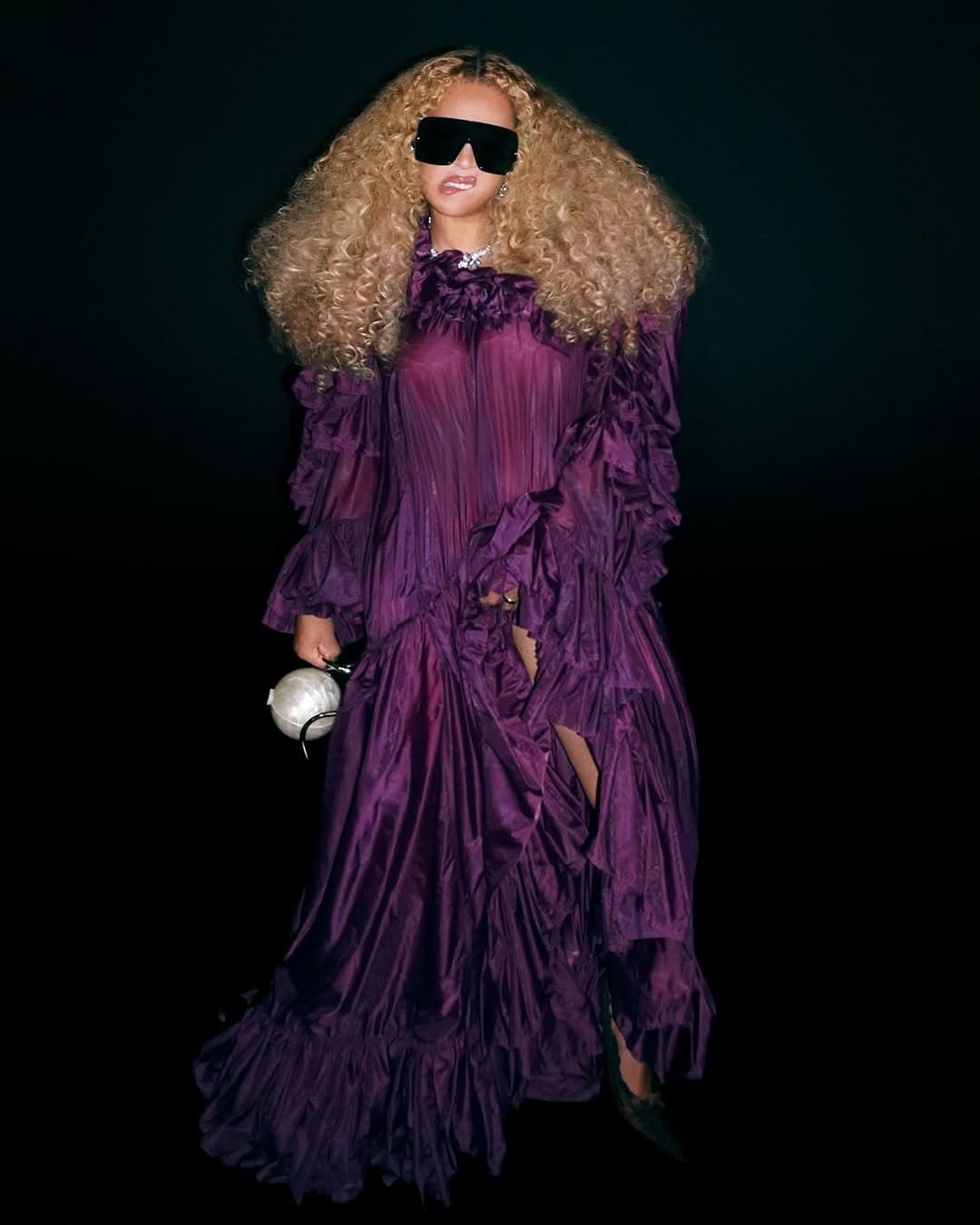
On Beyoncé, hair is never an afterthought. It’s part of the narrative architecture—sometimes an ode to Southern glamour, sometimes a nod to dance-floor diaspora, sometimes simply a reminder that excess can be elegant when executed with intelligence. In a landscape that still underestimates the political charge of beauty, she treats aesthetics as both pleasure and position.
The Business of Beyoncé: Brand, But Make It Art
There’s a version of stardom that feels like sponsorship roulette—logo to logo, partnership to partnership, audience to audience. Beyoncé plays a longer game. She’s not merely “a brand”; she’s a brand-builder who protects the aura. That’s the difference. A lesser celebrity sells you access. Beyoncé sells you a world, then keeps the gate just slightly closed so it retains its mystique.
Her commercial decisions—whether music distribution, projects, or partnerships—tend to carry the same signature: maximal standards, minimal oversharing. It’s a blueprint more founders should study, especially anyone trying to build cultural longevity rather than quarterly hype.
- Consistency of taste: even across eras, there’s an identifiable point of view—polished, cinematic, body-aware.
- Control of timing: she understands anticipation as a medium.
- High craft, no clutter: fewer drops, better drops.
Why her influence feels different
Influence is usually loud—hashtags, think pieces, reactive discourse. Beyoncé’s influence is quieter, more infrastructural. She shifts what audiences expect from live performance, what pop albums can contain, what a mainstream artist can reference without apology. Then everyone else recalibrates.
If you’re following the broader industry conversations about touring, spectacle, and the economics of fandom, you can triangulate the mainstream narrative via Billboard—but Beyoncé’s impact is often visible before it’s measurable.
The Cultural Afterglow: What Beyoncé Represents Now
At this point, Beyoncé is less a person in the public imagination than a symbol of what happens when excellence is treated as non-negotiable. She represents a particular kind of Black Southern grandeur—one that refuses to be minimized, misunderstood, or made palatable for easy consumption. She’s also a mirror for our era’s hunger for spectacle with substance: glitter that actually means something.
And here’s the editorial truth: we need her example. Not because celebrity is salvation (it isn’t), but because discipline, ambition, and taste are increasingly treated like suspicious qualities—too intense, too curated, too “try-hard.” Beyoncé reminds us that trying hard is the point. The work is the romance.
For anyone looking at culture and wondering whether artistry can still feel expensive—texturally, intellectually, emotionally—Beyoncé remains the most persuasive argument.
Curious to go even deeper into how today’s icons manufacture lasting allure? You might like our take on quiet luxury—a very different aesthetic, but the same underlying thesis: scarcity, standards, and a point of view.
To track the essentials across her discography and credits, bookmark Beyoncé on GRAMMY.com as a tidy, authoritative reference.
Photo Credits
Cover image and additional images courtesy of their respective owners.