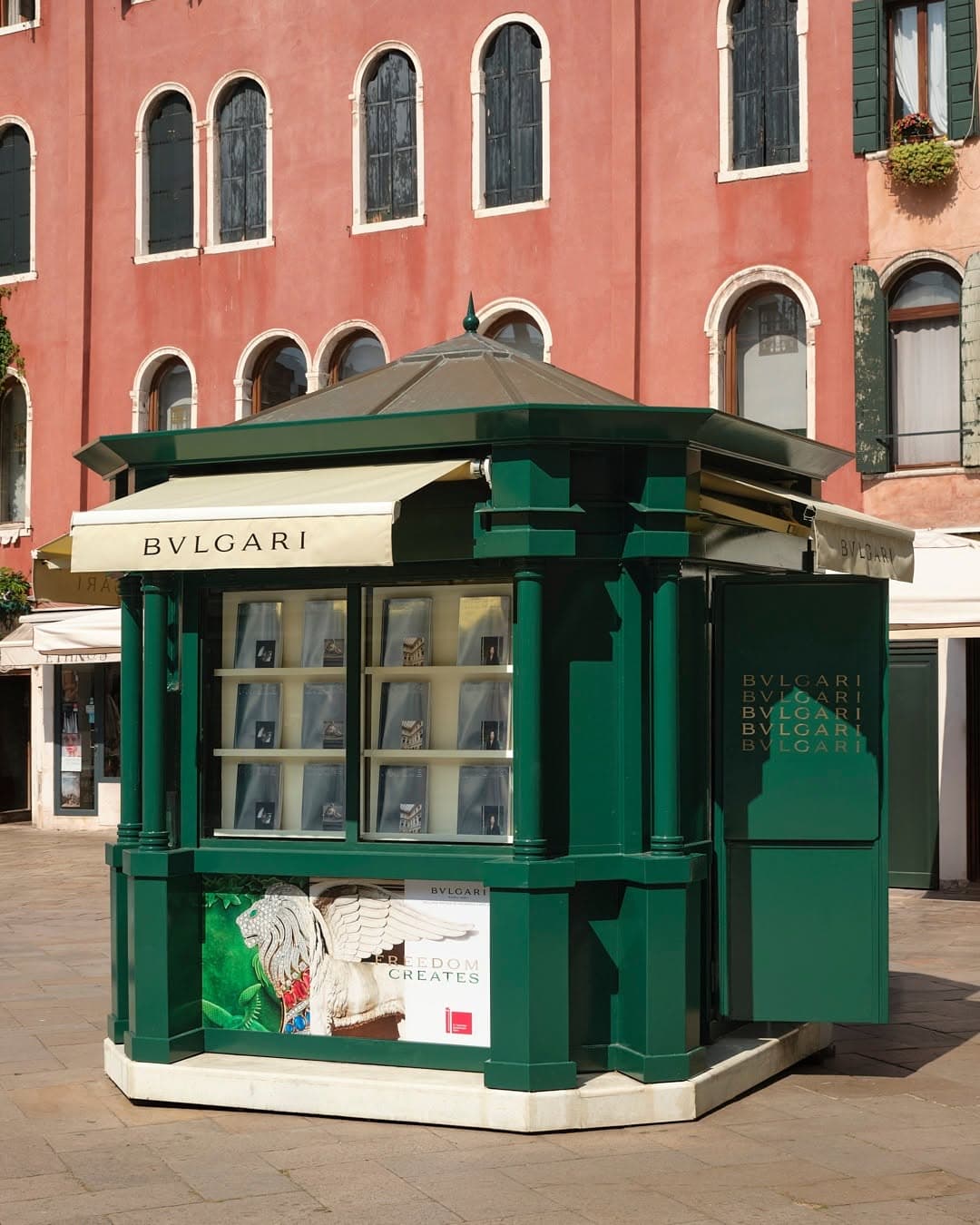
There is a particular kind of glamour in Venice that has nothing to do with flash, it is the sheen of water at dusk, the hush of footsteps on stone, the way history lingers like perfume in a stairwell. It is also why Bvlgari at the 2026 Venice Biennale feels less like sponsorship and more like a conversation the city has been waiting to overhear. As Exclusive Partner of the International Art Exhibition, the Roman Maison returns to the Biennale not to borrow cultural credibility, but to reaffirm an enduring connection with art and contemporary creation, one that has always been part of its visual grammar.
To watch the Biennale unfold is to watch taste, politics, craft, and desire bump shoulders in public. Bvlgari knows this terrain. Its presence this year reads as a new chapter in creative expression, not a loud rebrand, not a decorative gesture, but a considered statement about what luxury can do when it stops trying to dominate the room and instead helps set the mood.
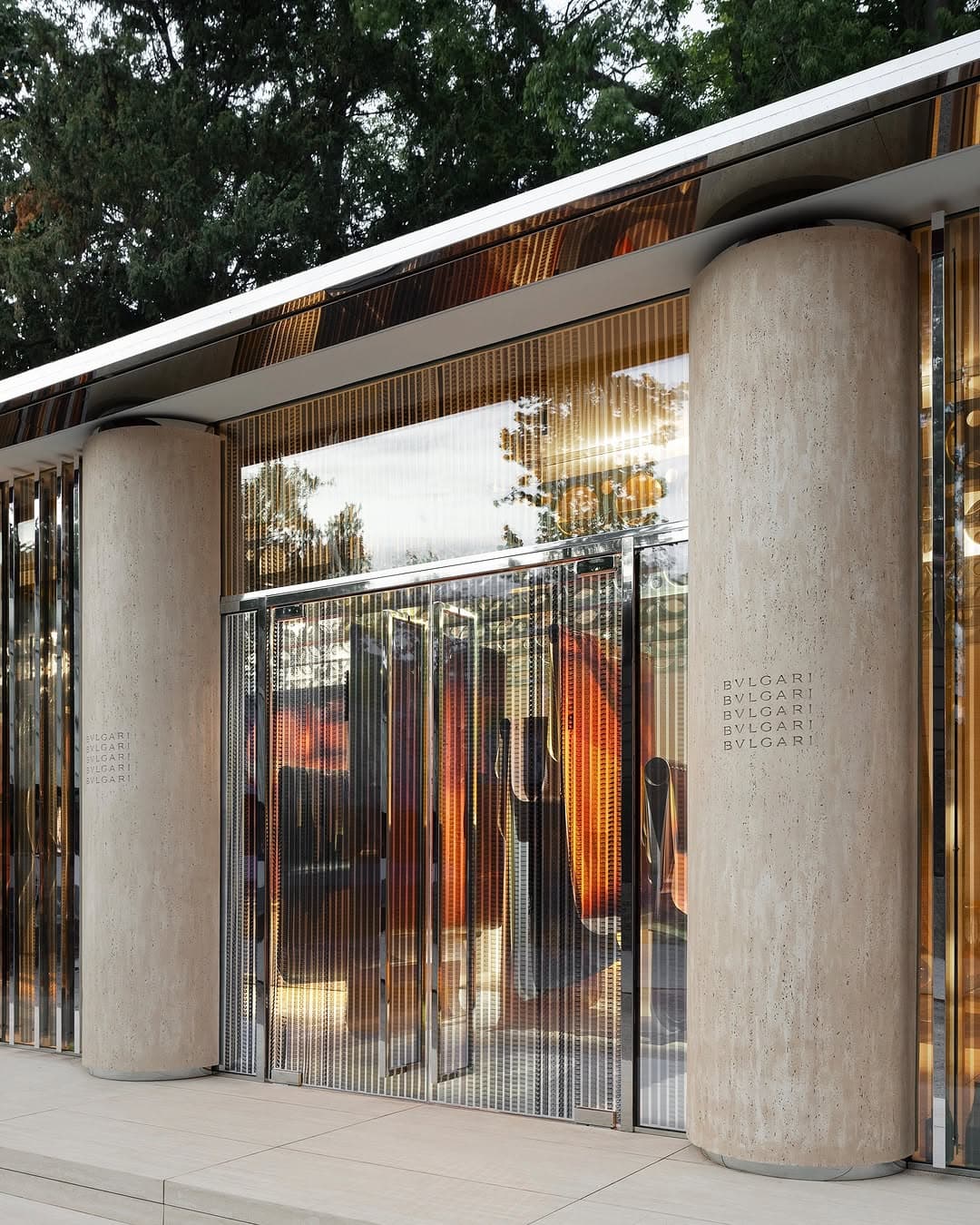
Bvlgari at the 2026 Venice Biennale, a partnership with point of view
Luxury houses love to say they support the arts. The difference is whether that support feels like patronage or participation. Bvlgari at the 2026 Venice Biennale sits firmly in the second category, because the Maison has long treated contemporary culture as a living studio rather than a museum backdrop. It is a subtle but meaningful distinction in a moment when audiences are increasingly allergic to anything that feels like branding dressed up as benevolence.
Venice, for all its romance, is ruthless about authenticity. It rewards the attentive. The Grand Canal does not care about your logo, only whether your choices carry intention. In that sense, partnering with the International Art Exhibition makes sense for a Maison whose identity is built on bold form, saturated colour, and a very Roman confidence in ornament as intellect.
For context, the Biennale Arte is not a trade show. It is a cultural weather system. You come for the national pavilions and collateral shows, then you stay for the arguments they spark, sometimes in front of the work, sometimes over an espresso that turns into an hour. When Bvlgari enters this conversation, it is entering a place where meaning matters, and where beauty is expected to have a spine.
Why Venice still matters for luxury
The Biennale has always been a test of what we think contemporary creation should do. Should it soothe, confront, seduce, aggravate, explain. It is also a superb mirror for luxury, a world that is often at its best when it stops selling answers and starts asking sharper questions. Bvlgari at the 2026 Venice Biennale signals alignment with that inquiry, and it lands at a time when the most interesting maisons are those willing to be edited by the cultural moment rather than merely styling it.
If you have been following the currents around LVMH, you know the group has been steadily deepening its relationship with the arts in ways that feel both strategic and sincere. Bvlgari, as part of LVMH, brings a distinctly Roman timbre to that larger dialogue, one that leans into sensuality and scale, but also discipline, the kind that makes a curve feel inevitable.
A Roman Maison in a city of shifting light
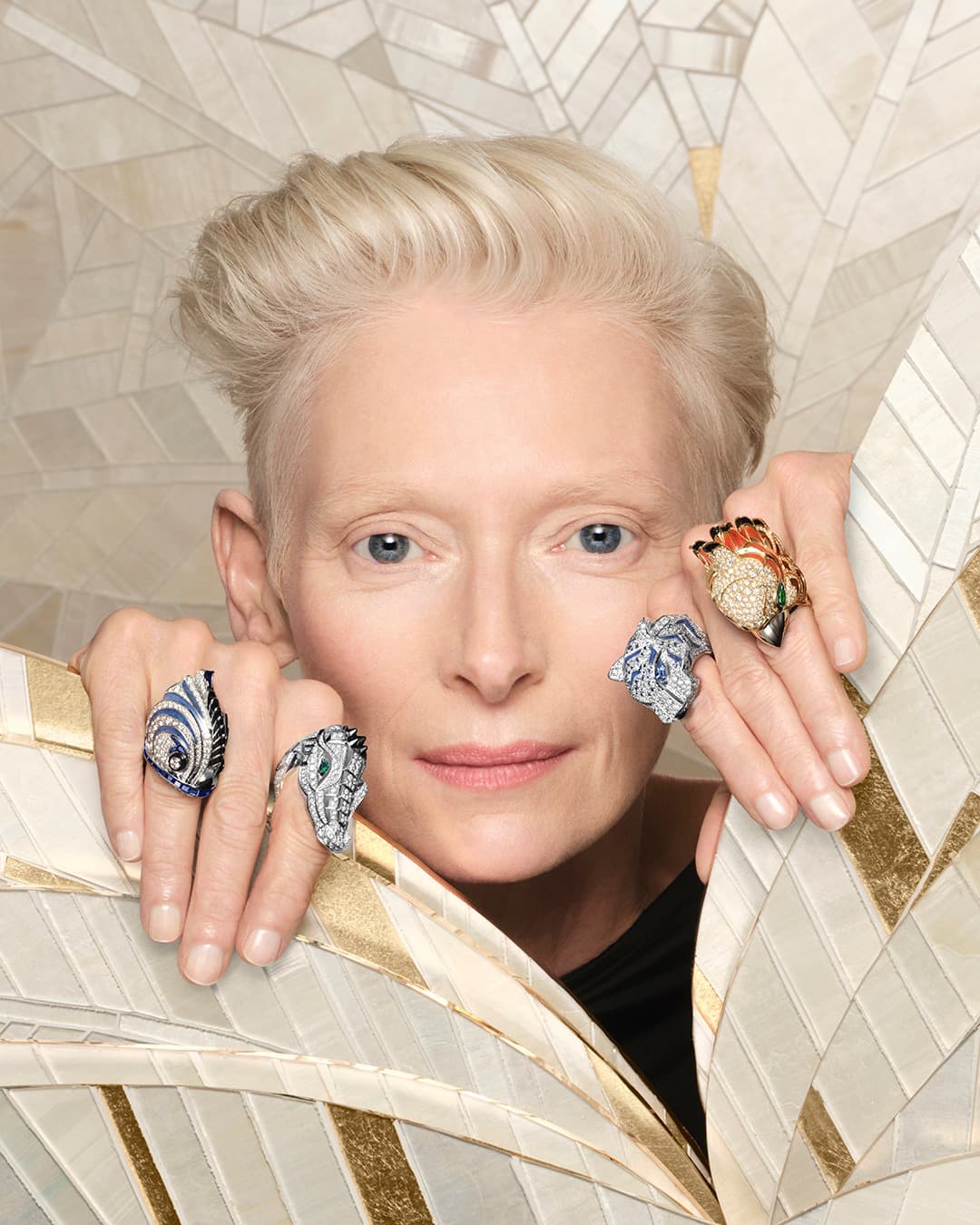
Venice is a city where colour behaves differently. It refracts. It softens. It surprises you. That is why jewellery, with its dependence on light, feels unusually alive here. Bvlgari has always understood that a jewel is not an object, it is an event. At the Biennale, where installations can be as ephemeral as a sound carried down a corridor, that notion suddenly feels contemporary rather than classical.
What makes this chapter compelling is not the idea of luxury entering an art space, we have seen that. It is the sense that Bvlgari is approaching contemporary creation as another medium. You can read the Maison’s design history as a study in how to make statements without shouting, how to use colour like punctuation, how to honour craft while refusing nostalgia. That is a rare balance, and it is what keeps Bvlgari from feeling like a vintage postcard of Rome.
The quiet power of contemporary patronage
When patronage is done well, it creates conditions. It gives artists room, institutions stability, audiences access. It does not insist on being the star of every photograph. In the best scenarios, it is almost atmospheric, you feel it more than you see it. That is the standard a partner should meet at the Biennale, where the work must remain the central pulse.
If you want the brand’s official framing, Bvlgari’s wider world is best read through its own lens at bvlgari.com, where the Maison has long positioned its craft as a cultural practice rather than mere adornment. The Biennale partnership extends that idea into a setting that is famously uncompromising, and therefore meaningful.
How to experience it, and what to notice
The Venice Biennale rewards the viewer who slows down. If you are visiting, resist the temptation to treat it like an endurance sport. Let one room change your mood. Let an artwork annoy you. Let another follow you back into the street. In a city where beauty can become background noise, the challenge is to keep your senses sharp.
Notice, too, how the language of craft is shifting across disciplines. Watch how artists handle material, weight, surface, tension. These are the same problems jewellers solve, just at different scales and with different stakes. In that overlap, Bvlgari at the 2026 Venice Biennale feels especially legible, a reminder that making is thinking, and that luxury at its best is simply a highly refined form of attention.
Ultimately, this partnership reads as a confident step into the present, not a nostalgic glance at heritage. Venice does not need more spectacle. It needs intelligence with taste, and taste with nerve. On that score, Bvlgari’s return to the Biennale feels right, and, more importantly, it feels earned.
Photo Credits
Images courtesy of their respective owners.