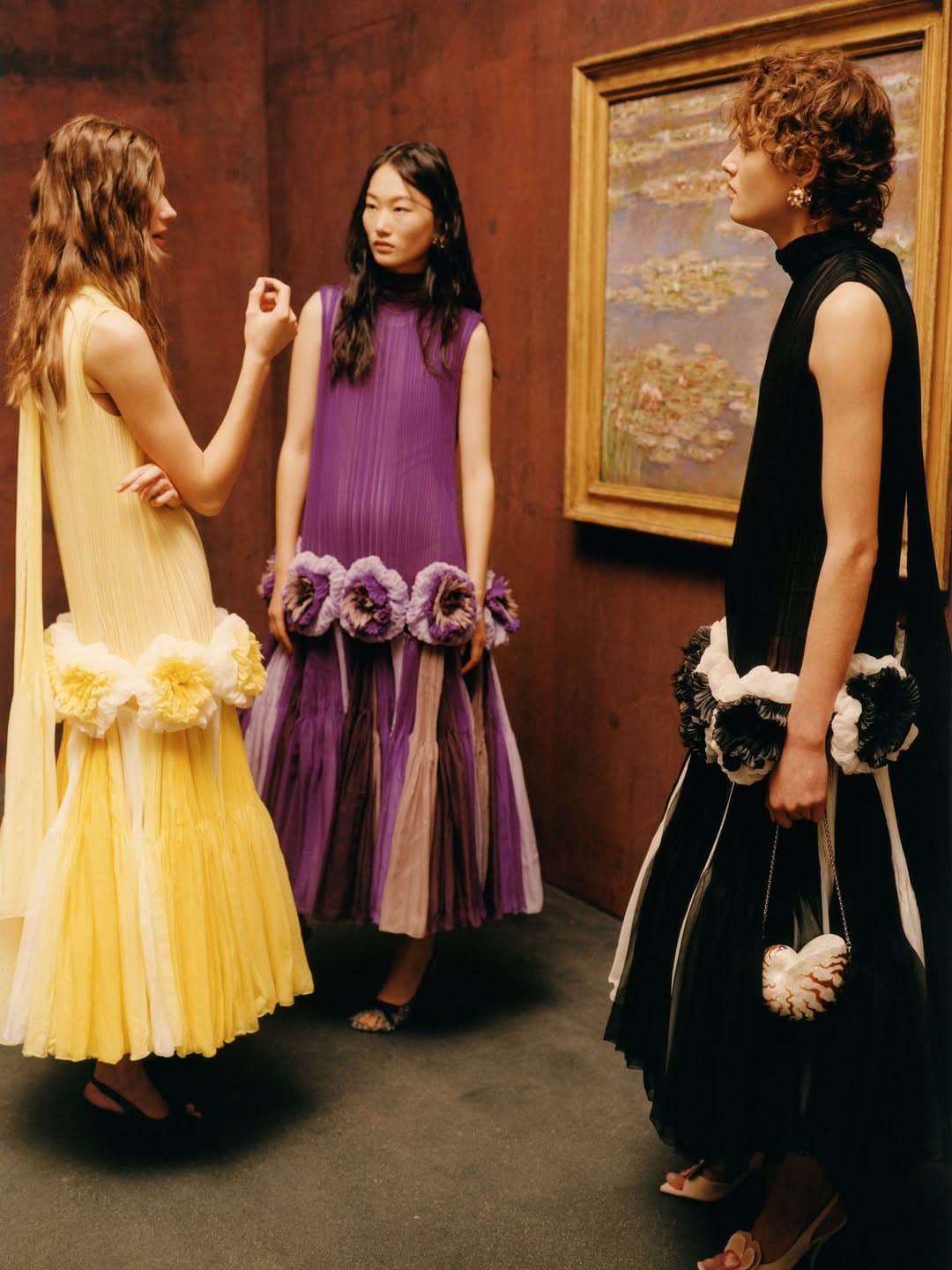
The Dior Cruise 2027 show unfolded on the grounds of LACMA with the kind of calm that reads as confidence, Los Angeles air cooling as the light thinned and the museum’s architecture held the scene in a clean, civic hush. It was not the usual fashion week frenzy, it felt closer to arriving early for a private viewing, when the building is still deciding what mood it wants to be in. Above, in the galleries, paintings and portraits nodded through time, Claude Monet’s softened atmospheres, the quick, human clarity of Frans Hals, the modern stride of Gustave Caillebotte. Jonathan Anderson’s idea was legible from the first look, fashion can borrow the discipline of seeing.
What made the evening land was the way LACMA framed the collection without swallowing it. A museum can be a blunt instrument, all reverence and no pulse. Here, the pulse was the point. Anderson, newly installed as Dior’s Creative Director, did not treat art as a decorative citation. He treated it as a working method, a reminder that taste is built by repetition, by studying surfaces until they stop being surfaces and start being evidence.
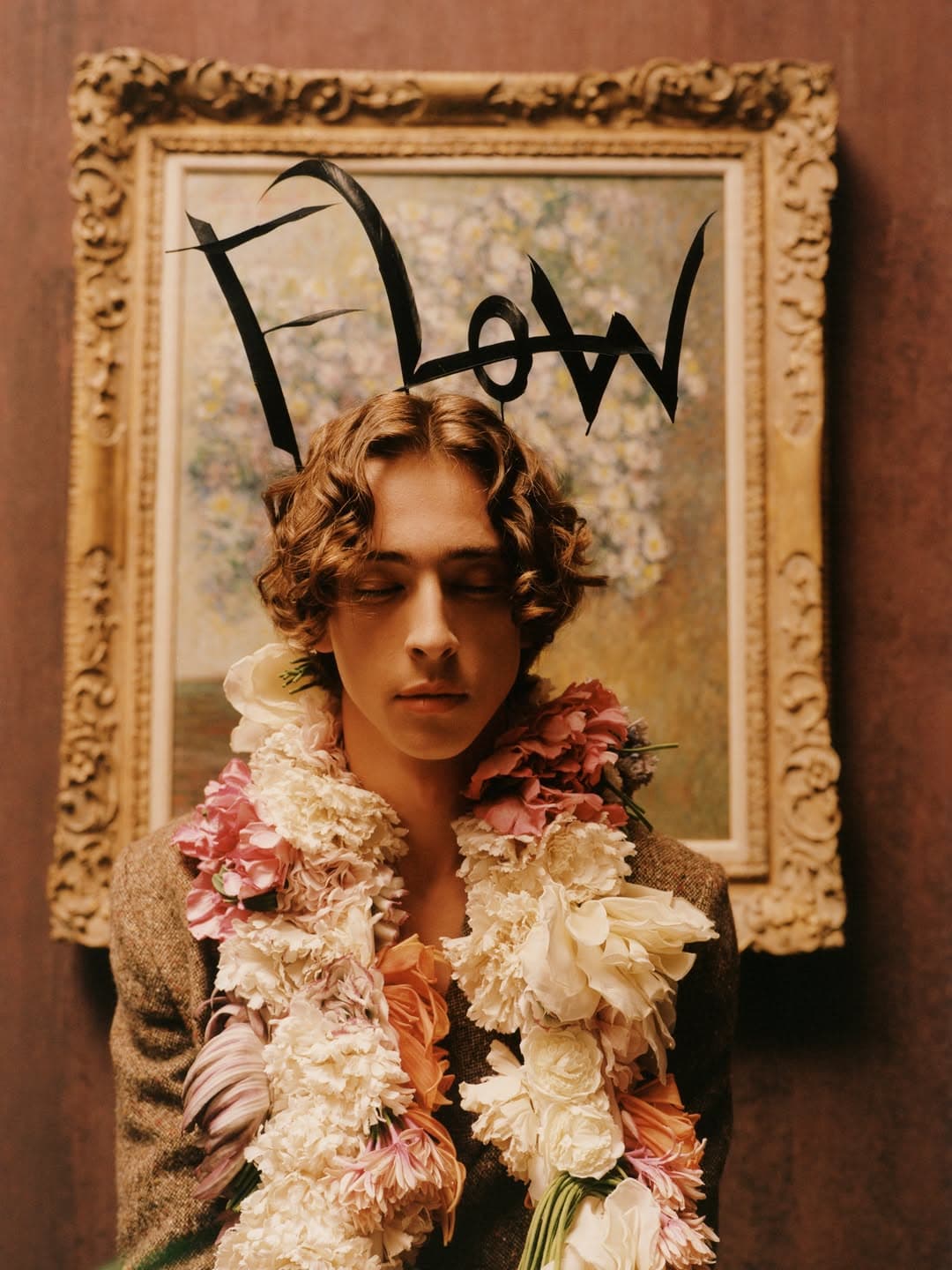
Dior Cruise 2027, staged at LACMA as a conversation with painting
Los Angeles has a talent for spectacle, but LACMA offered something more interesting, a sense of proportion. The Los Angeles County Museum of Art is sprawling and public facing, yet there are corners where the city’s noise falls away. That friction between openness and privacy mirrored the collection’s mood. Anderson’s Dior is not a costume drama. It is a wardrobe with ideas, made for living, made for being looked at up close.
Anchoring the show to Monet, Hals, and Caillebotte was not about matching a hem to a brushstroke. It was about embracing different kinds of attention. Monet teaches the patience of atmosphere, how a scene can be built from light rather than line. Hals reminds you that presence can be immediate, almost rude in its honesty. Caillebotte brings that crisp urban modernity, a man in motion, a life mid stride. Together, they form a useful trio for a cruise collection, which must travel between worlds without seeming to change its mind.
Jonathan Anderson’s Dior is at its best when it feels edited
There is a particular pleasure in a collection that does not over explain itself. Anderson has always had an editor’s instinct, knowing when to stop adding and start refining. At LACMA, that restraint read as luxury. Not the kind that announces itself loudly, but the kind that assumes you are paying attention. It was a reminder that the most persuasive fashion is often the most precise, the cut that sits exactly where it should, the proportion that makes you stand differently.
The show’s setting did something subtle. It nudged guests to read clothes the way you read art, slowly, with the understanding that the details are the narrative. A sleeve can be an argument, a collar can be a punctuation mark. And when you build a collection on that premise, you do not need theatrics to create emotion.
Inside the Dior Cruise 2027 show, the California light did half the styling
There is a reason fashion houses keep returning to Southern California. The light is flattering, yes, but it is also revealing. It exposes sloppy choices. It rewards thoughtful ones. On the LACMA grounds, as day slipped toward evening, the collection moved through shifting tones, warm to cool, and the clothes kept their composure. That is a test not every runway look passes.
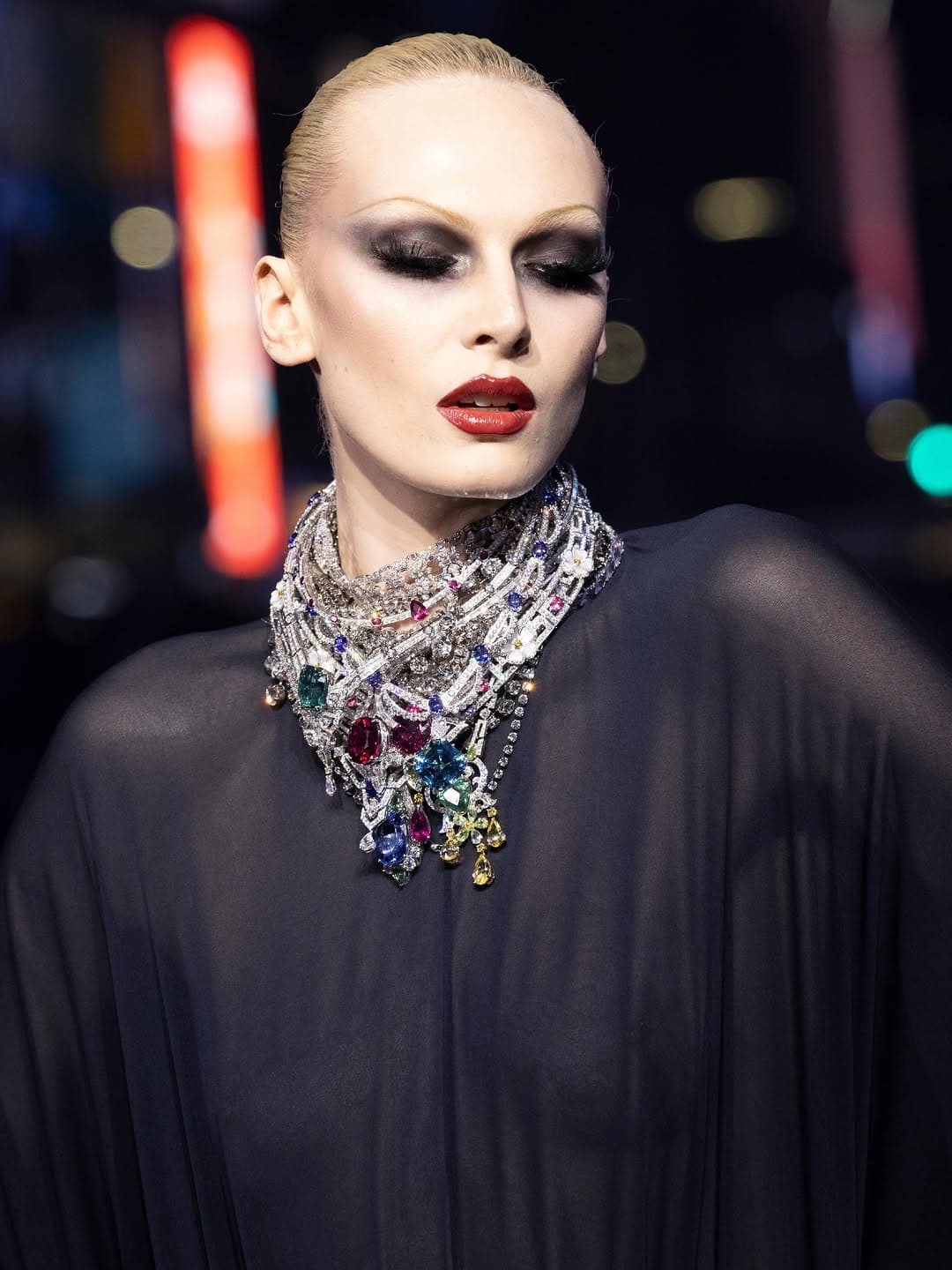
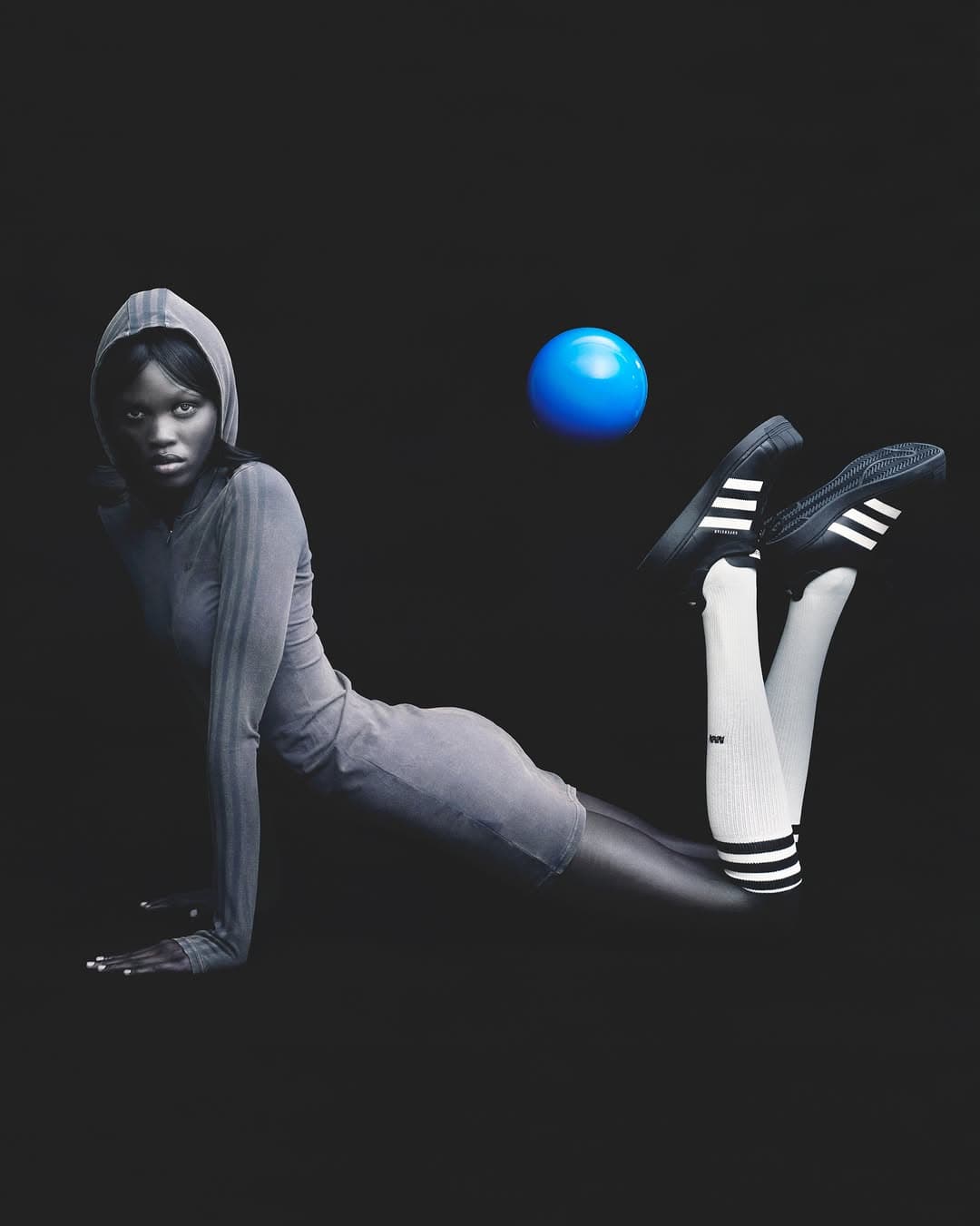
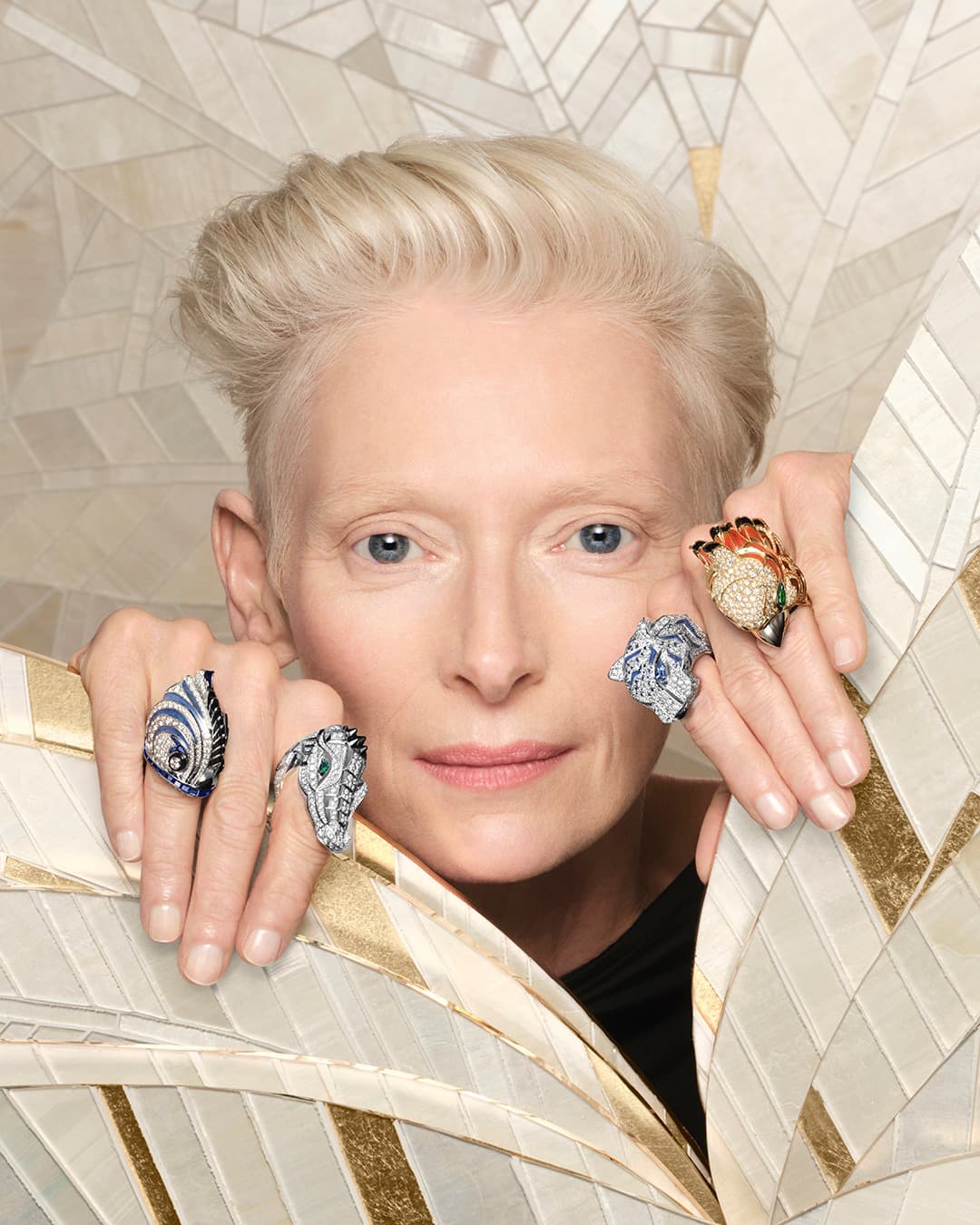
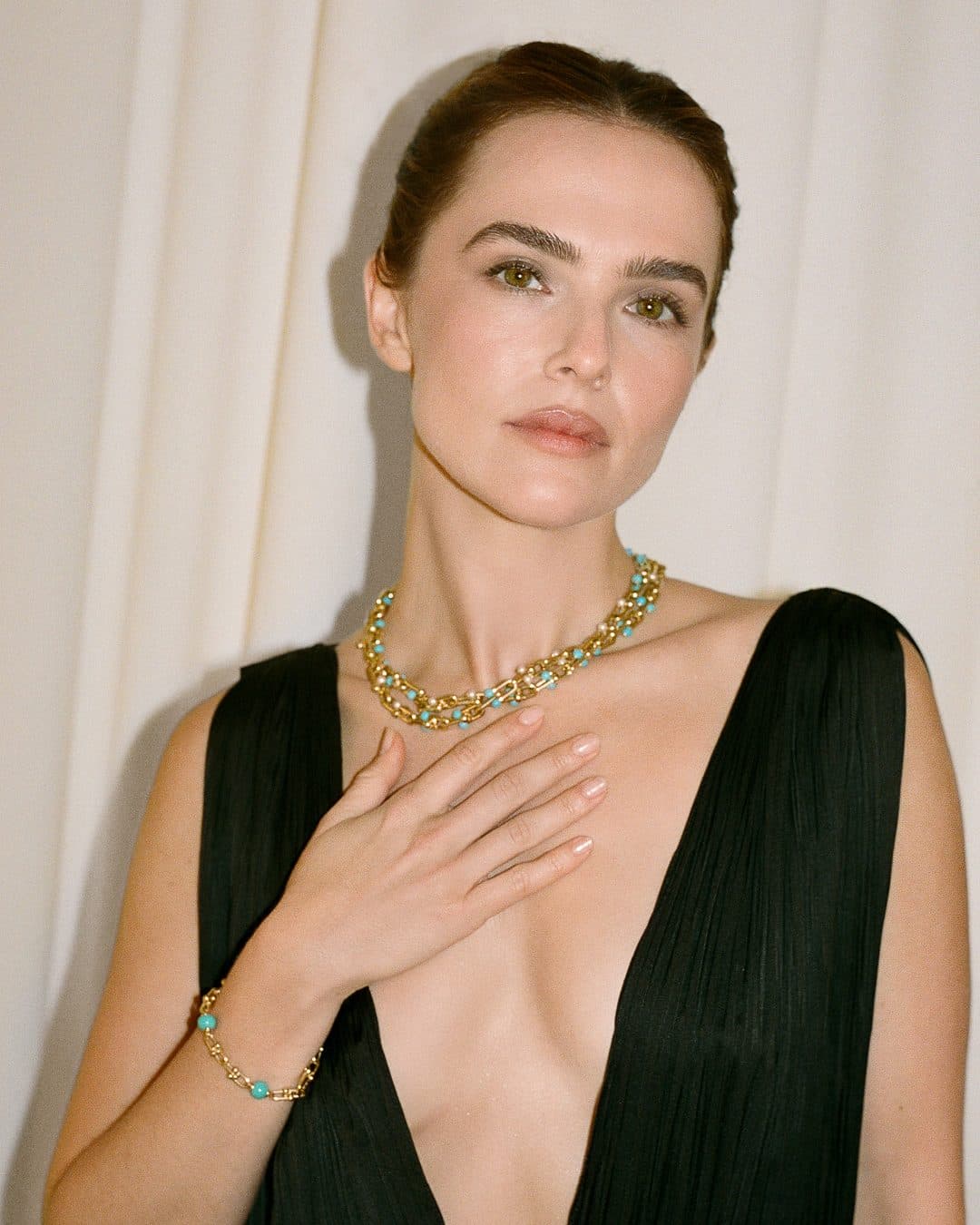
Colin Dodgson’s photography sharpened this feeling of clarity, capturing the collection as something present tense rather than archival. Hair by Guido Palau and makeup by Peter Philips kept the energy clean and intentional, a kind of pared back polish that lets fabric and line do their work. Casting by Ashley Brokaw brought its own authority, faces that could hold a gaze without pleading for it. Styling by Benjamin Bruno knitted it together with the confident ease of someone who understands that taste is often a matter of what you do not add.
Millinery by Philip Treacy, a name that can tilt toward theatre when asked, here felt considered, an accent rather than a headline. Manicure by Ama Quashie brought that small, intimate finish that reads as care, the sort of detail you notice later, when you are already convinced.
Art references that feel lived in, not pinned on
Fashion’s relationship with art can be embarrassing when it is too literal, the printed painting, the heavy handed homage. This did not feel like that. The references were atmospheric, structural, emotional. You sensed Monet in the way colour softened rather than shouted. You sensed Hals in the confidence of character. You sensed Caillebotte in the brisk modernity of silhouettes that suggested movement, not posing.
If you want to see how Dior positioned the collection, the house’s own coverage is a useful place to start on Dior. For the broader context of Anderson’s design language, his long running approach to art and craft remains visible through his work at Loewe, where he has made a habit of turning cultural reference into something tactile.
Why LACMA matters for Dior, and for the way we talk about luxury now
Luxury has been in a noisy era, louder logos, louder events, louder claims about exclusivity. The Dior Cruise 2027 show at LACMA made a quieter case, luxury as discernment. A museum is not just a glamorous backdrop, it is an institution built on looking and on memory. Staging a cruise show there suggests Dior wants to be part of a longer conversation than a single season.
It also felt distinctly American without pandering to America. Los Angeles is not Paris, and it should not pretend to be. The city’s cultural machine is messy, exciting, sometimes contradictory. LACMA, with its public mission and serious holdings, is one of the places where that machine tries to make sense of itself. Dior stepped into that context respectfully, and the collection benefited from the tension.
If you are tracking how runway ideas become wardrobe realities, it is worth following the show through a fashion and culture lens, not only a shopping one. For more on how brands shape modern taste, you can move from this story into Fashion, or take the wider view in Luxury. And because a cruise show is always partly about place, the cultural setting matters too, which is where Culture earns its keep.
The enduring appeal of a cruise collection, when it is done properly
Cruise is the category that can easily drift into vagueness, a set of pretty clothes without a thesis. But when a house takes it seriously, cruise becomes an argument about modern life. Travel, work, dinners that start late and end too early, the need for pieces that hold up in different light, different cities, different emotions. The Dior Cruise 2027 show suggested a wardrobe built for that reality, with elegance that does not collapse the moment you move.
And perhaps that is the sharpest takeaway from LACMA. Art does not ask you to stay still. It asks you to return, to look again, to notice what you missed the first time. Anderson’s Dior, at least here, made the same request.
Photo Credits
Cover image courtesy of Dior Official. Additional images courtesy of their respective owners. Creative Direction Jonathan Anderson. Photography by Colin Dodgson. Styling Benjamin Bruno. Hair Guido Palau. Makeup Peter Philips. Casting Ashley Brokaw. Manicure Ama Quashie. Millinery Philip Treacy. Special thanks to LACMA.