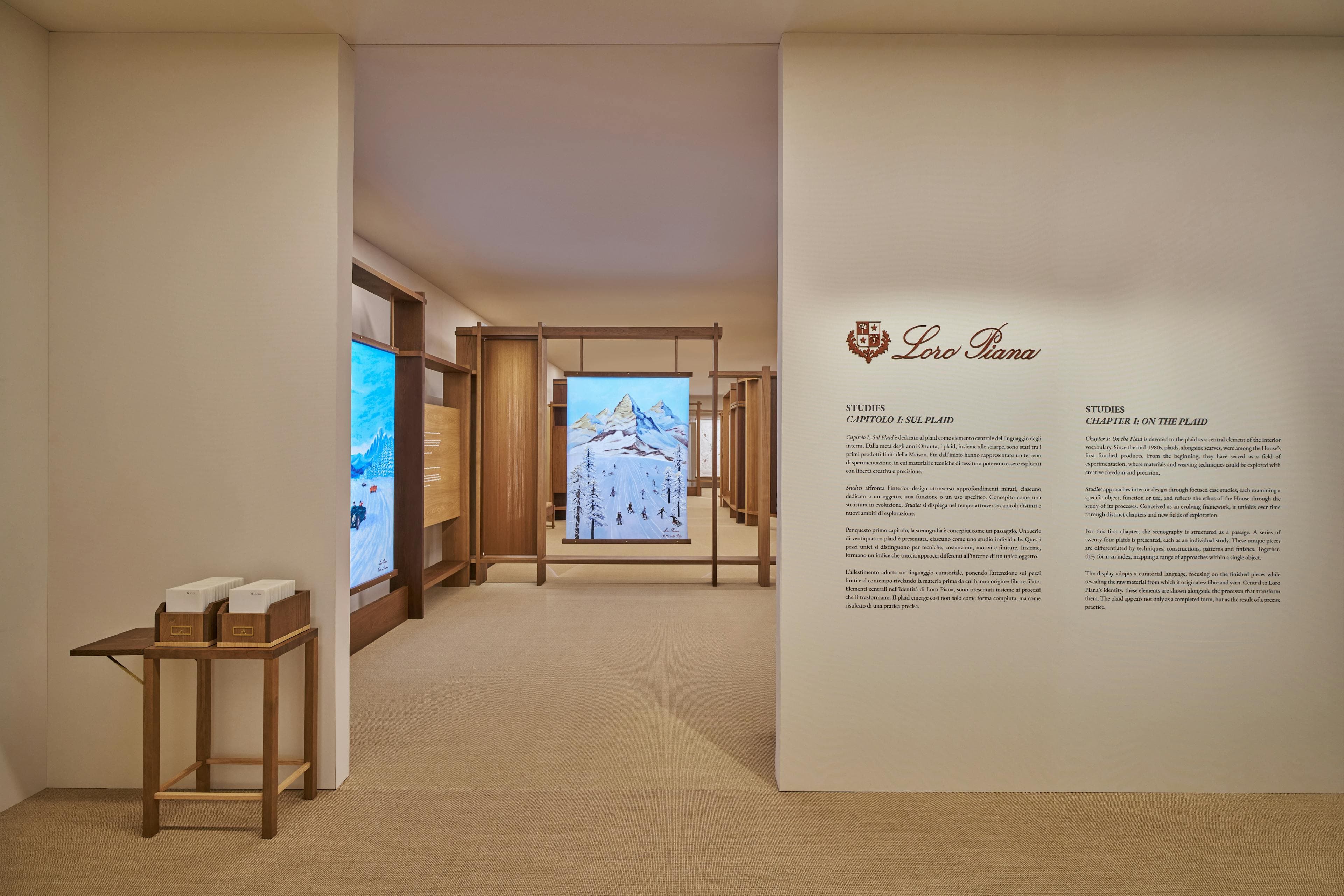
Milan in April has its own tempo—espresso-fuelled mornings, lacquered evenings, and that particular Design Week hum that turns courtyards into catwalks. This season, one address is drawing the most discerning pilgrims: Loro Piana’s headquarters at Cortile della Seta, where Milan Design Week 2026 hosts “Studies, Chapter I: On the Plaid.” It’s a phrase that sounds academic until you’re inside it—then it feels like a love letter written in fibre, light, and quiet, extravagant restraint.
The premise is disarmingly simple: the plaid, that Loro Piana signature since the 1980s, treated not as a cosy accessory but as a medium—like paint, like marble, like couture. And yes, it’s open to the public from April 21–26, 2026, which feels almost generous for a Maison that trades in rarity.
Milan Design Week 2026: Loro Piana’s Plaid, Reconsidered
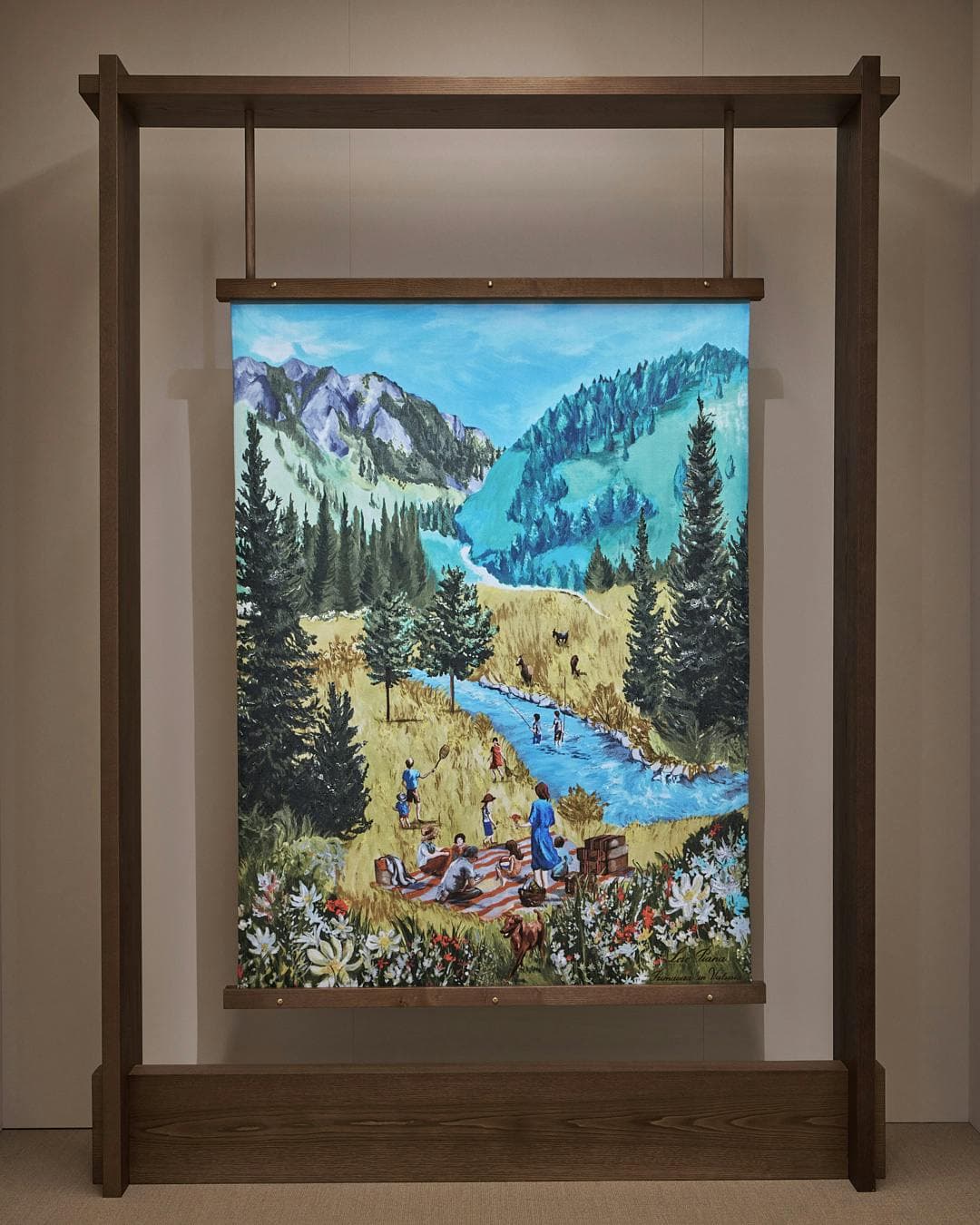
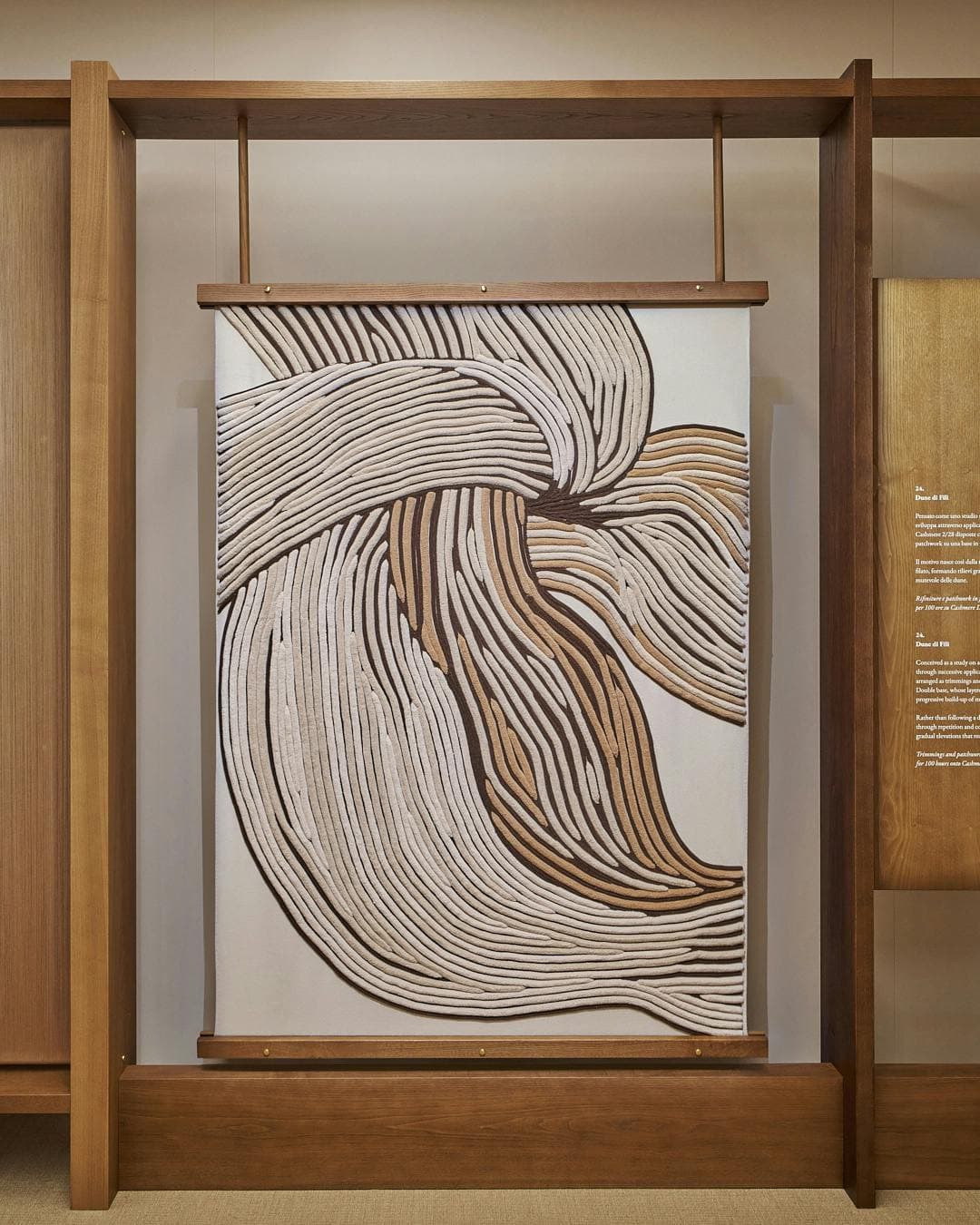
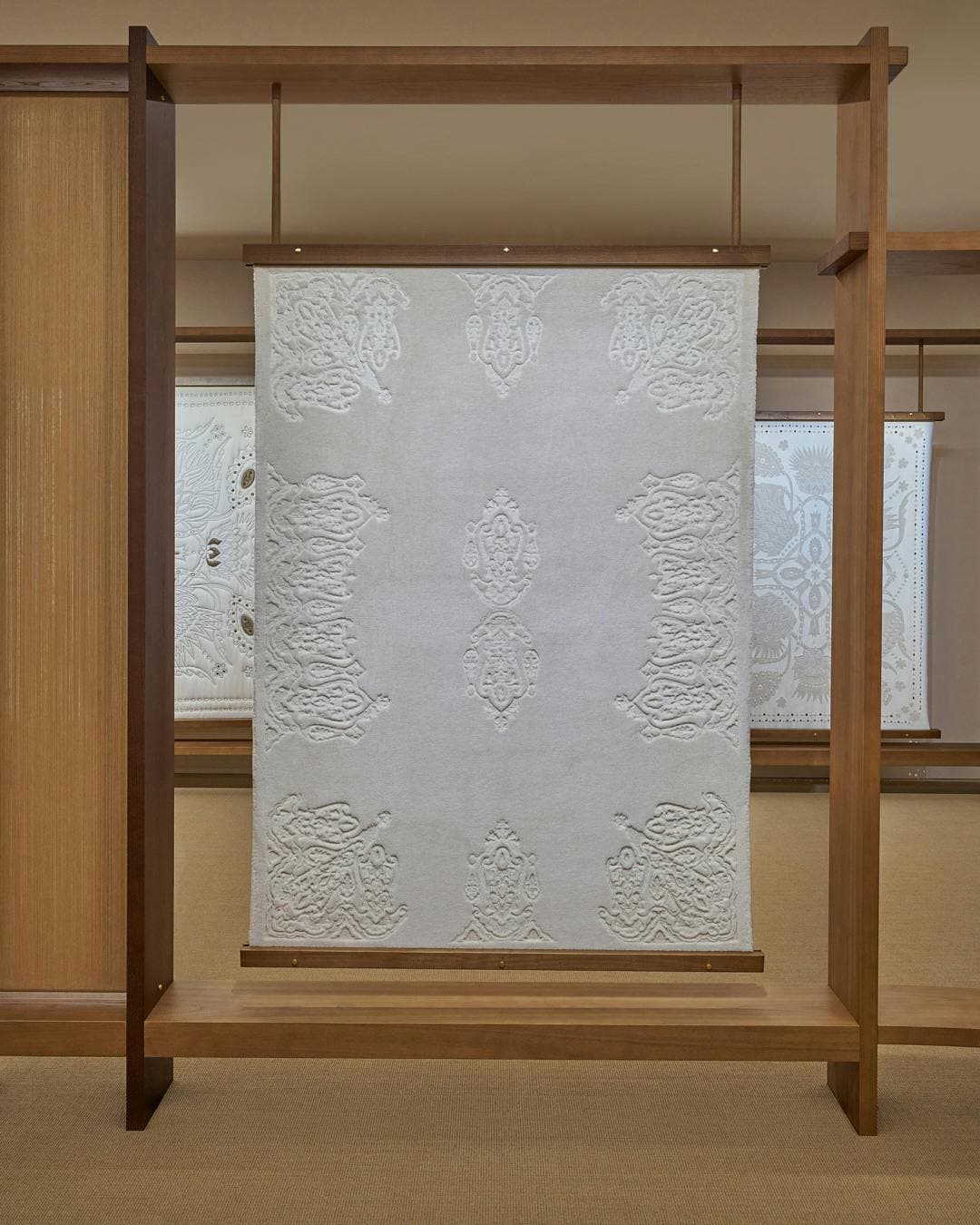
“Studies” is positioned as an evolving framework for interior design case studies, but this first chapter has the clarity of a thesis and the seduction of a boutique fitting. The scenography reads as a passage—measured, almost ritualistic—presenting twenty-three unique plaids as a kind of creative index. Each piece is different in fibre, technique, and construction, yet the whole is unmistakably Loro Piana: hushed luxury, obsessive craft, and the confidence to let beautiful materials speak at conversational volume.
The best installations at Milan Design Week don’t shout. They lure. Here, the plaids do what great fashion does: they propose a lifestyle, a posture, a way of being at home. If you’ve ever argued that a throw is just a throw, this is your gentle correction.
Twenty-three plaids, each treated like couture
There’s a subtly radical idea running through the room: these plaids are crafted exclusively on request, approached with the logic of couture—one client, one object, one set of decisions made with almost devotional care. In a culture hooked on “drops” and instant gratification, Loro Piana’s insistence on time (and touch) lands as the real status symbol.
If you’ve been following how luxury homes are increasingly styled with fashion’s eye—think collector lighting paired with heritage textiles—this installation feels like a perfect bridge. It sits neatly beside the conversations we’ve been having about modern heirlooms and material intelligence at the art of quiet luxury and why craft is becoming the new flex at Design Week trends.
Inside “Studies, Chapter I: On the Plaid” at Cortile della Seta
The passage is structured to show transformation—raw fibres and yarns alongside finished plaids—so you read the object the way a studio reads it: origin, process, result. It’s the kind of behind-the-scenes transparency that feels rare in luxury, and it’s precisely what makes the finished pieces feel even more untouchable.
Signature fibres: Vicuña, Baby Cashmere, The Gift of Kings®
Loro Piana doesn’t just name-check its storied materials; it stages them with the reverence of gemstones. You see—or rather, sense—the difference: Vicuña with its almost-breath-like loft, Baby Cashmere with its creamy hush, The Gift of Kings® carrying the Maison’s trademark combination of technical prowess and poetic branding. The result is an education in tactility without ever slipping into didacticism.
For the brand’s own framing of the project, the official site is the most direct reference point: Loro Piana. And for those who like to place a house’s codes within a wider fashion ecosystem, a glance at Vogue and ELLE never hurts—Design Week has become as essential to the style calendar as any runway.
Techniques that feel like fashion: embroidery, handloom weaving, patchwork
Technique here isn’t decoration; it’s architecture. Embroidery adds dimension like jewellery does on a jacket. Handloom weaving gives you the human irregularities that machines can imitate but never quite perfect. Patchwork—so often handled clumsily elsewhere—becomes precise, graphic, and unapologetically modern, as if someone finally reminded it that it can be chic.
There’s an editorial edge to calling these pieces “plaids” at all. The term is domestic, comforting, familiar. Yet what you meet in this installation is closer to collectible design—objects that belong in conversations about provenance and preservation. (If anything, it makes the case that the living room should get the same level of sartorial scrutiny as the wardrobe.) If you’re building a home that reads like a private point of view rather than a showroom, you’ll understand the pull—especially if you’ve been curating with intention the way we advocate at how to build a timeless home wardrobe.
Why this Milan Design Week 2026 moment matters
“On the Plaid” lands at exactly the right cultural moment. Luxury is recalibrating—away from logo noise and toward material truth. People are tired of being sold an image; they want substance they can feel. Loro Piana has always trafficked in that language, but here it’s articulated with a refreshing clarity: heritage doesn’t have to be nostalgic, and innovation doesn’t have to look like a gimmick.
And perhaps the most persuasive detail of all is its quiet confidence. No theatrics, no frantic novelty—just a disciplined, sensorial argument for why craft still wins. Milan Design Week 2026 has plenty of spectacle. This is something rarer: intimacy at scale.
Photo Credits
Images courtesy of their respective owners.