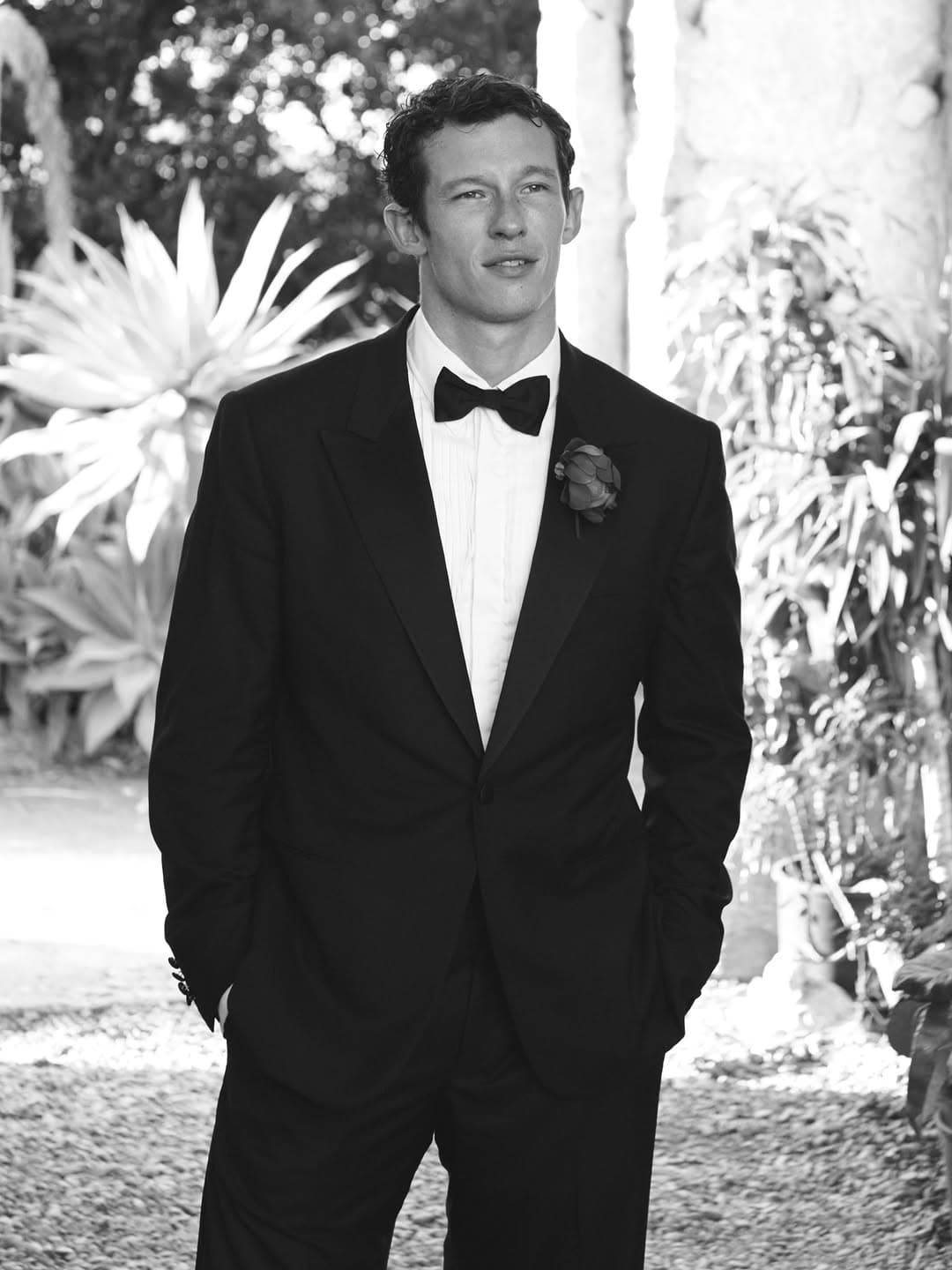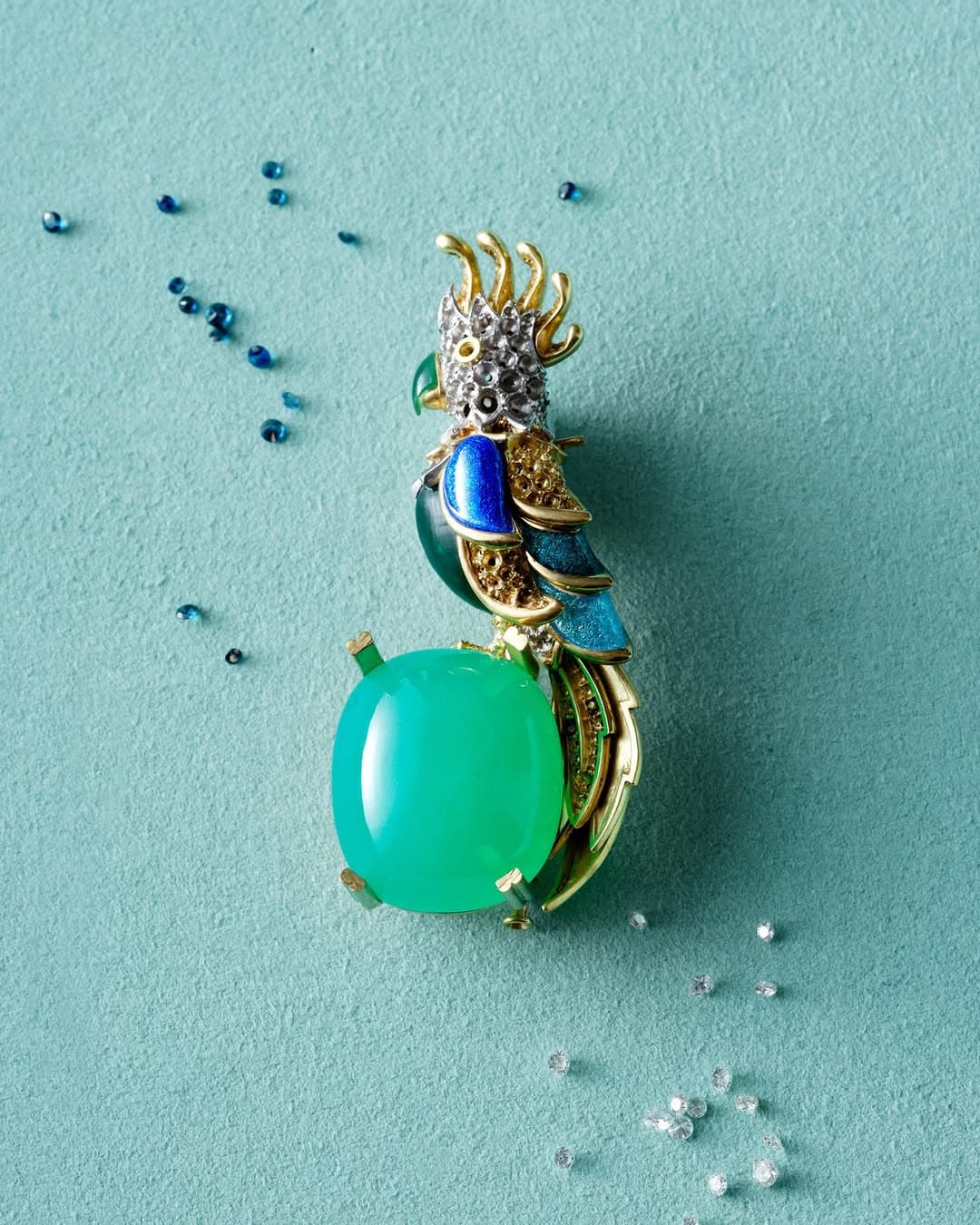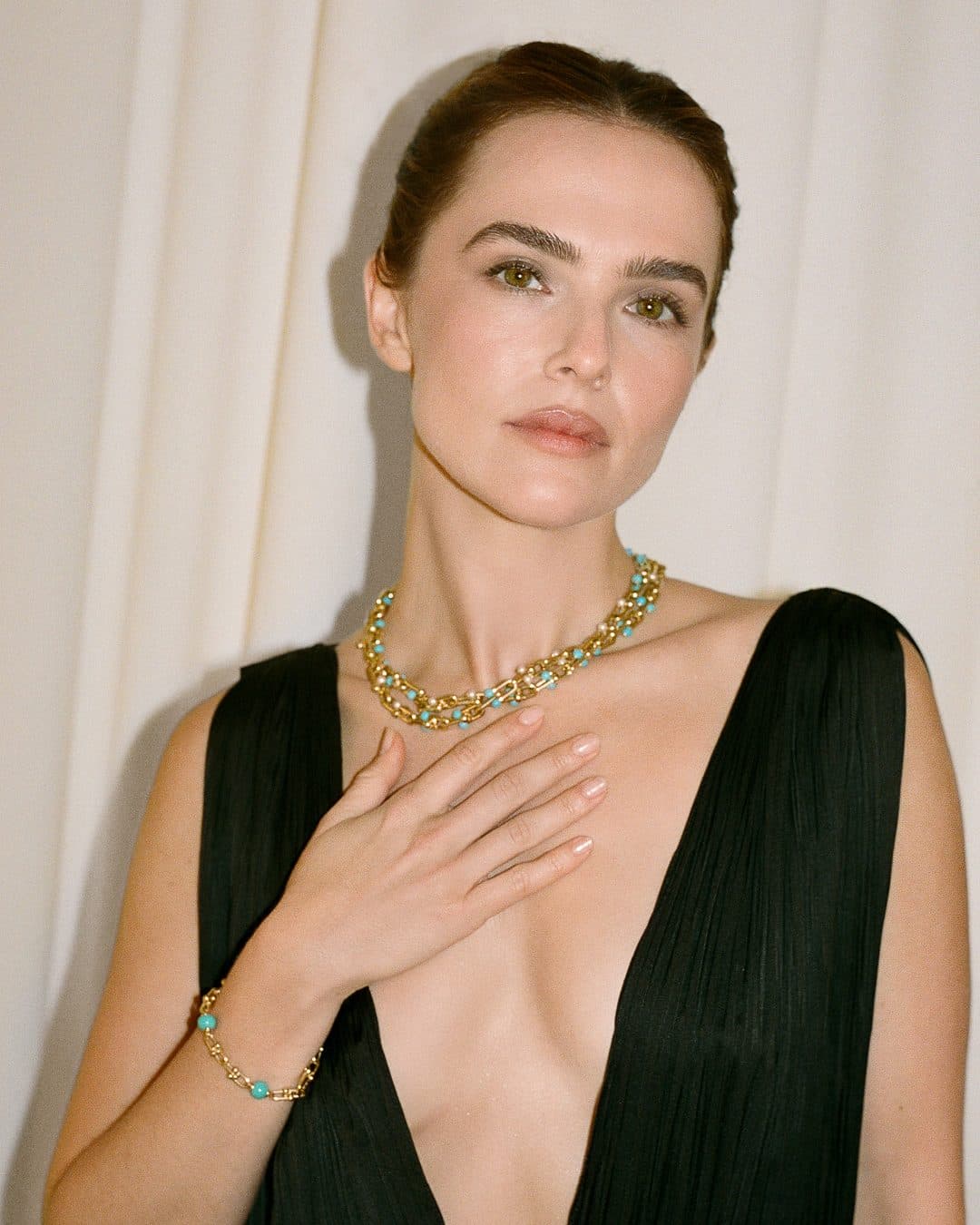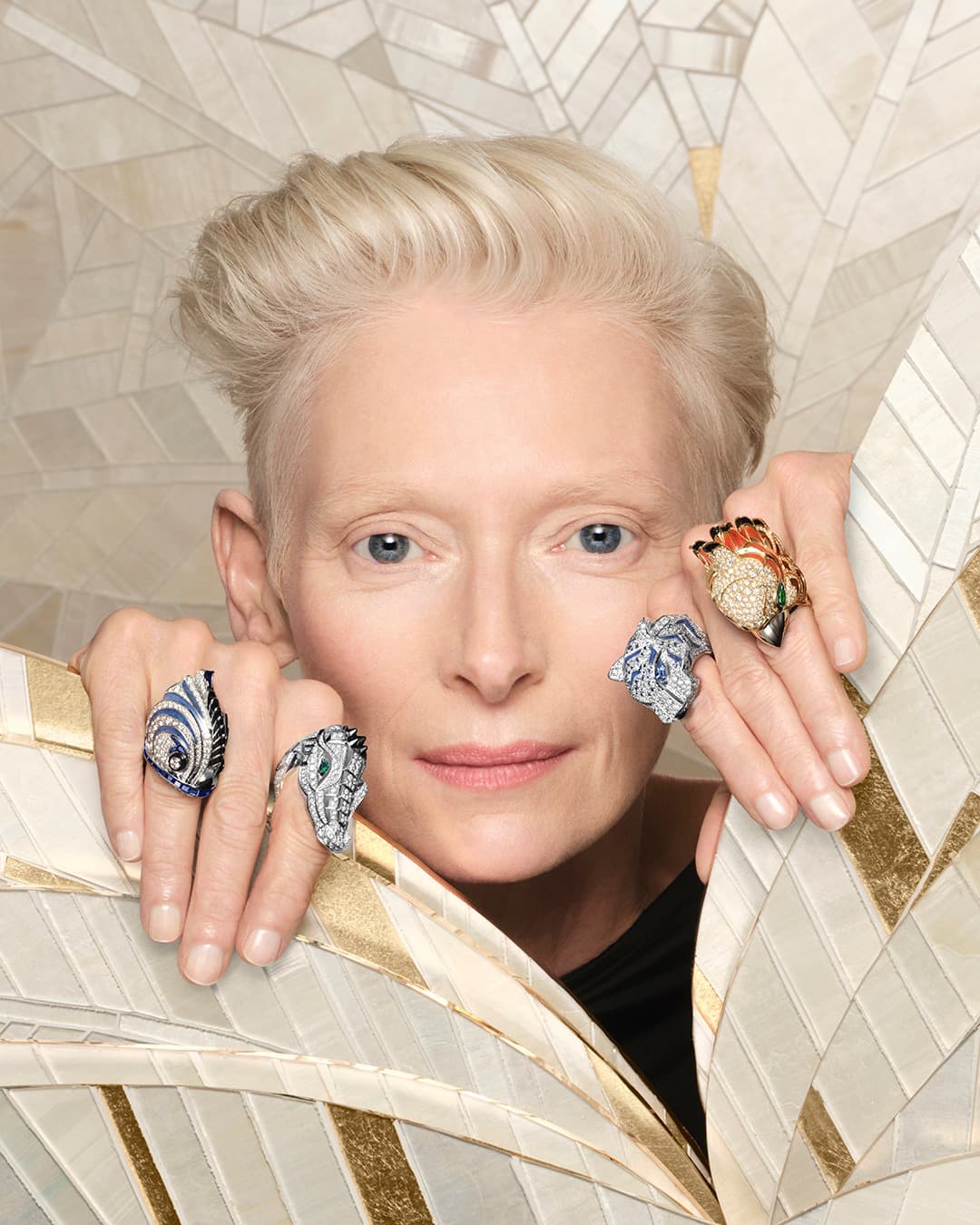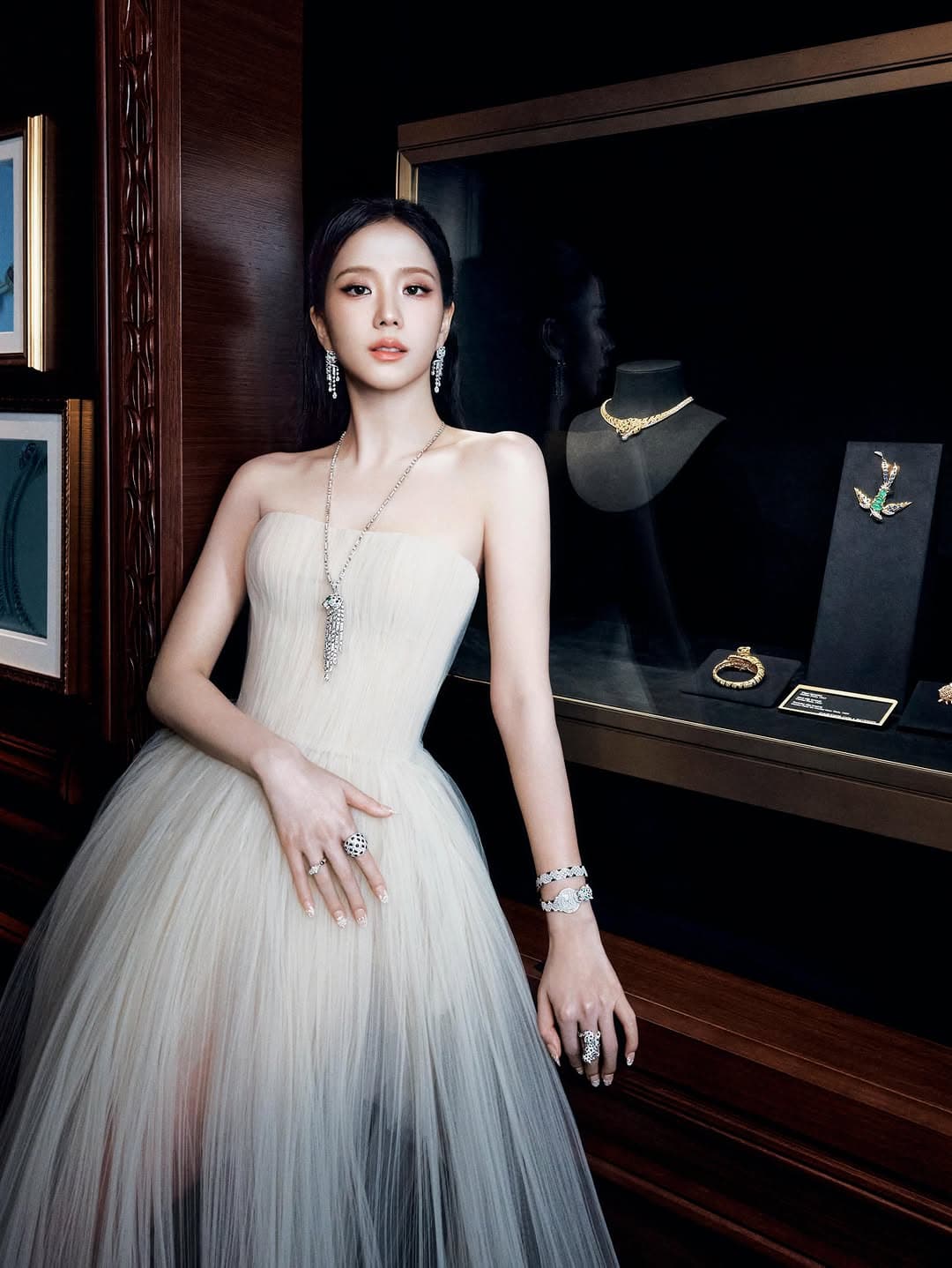
Cartier Into the Wild does not ask you to believe in a fantasy. It asks you to recognise a lineage. The French house has always preferred a certain kind of beauty, the kind with teeth, and the panther has never been an ornamental mascot. It is a signature that behaves like a living thing, quick to shift from graphic icon to sculptural creature in a way few jewellery motifs ever manage. In this latest expression, the Panthère returns with sharper angles, deeper shadow, and a mood that feels more nocturnal than nostalgic.
There is a particular thrill when a heritage symbol is treated with restraint, not reverence. Cartier understands that its most famous animal can carry playfulness and danger in the same breath. Into the Wild leans into that tension. Think polished metal catching light like a flash of eyes in tall grass, stones set with the kind of precision that reads as calm, until you move closer and realise the work is almost feral in its detail.
Cartier Into the Wild, the Panthère Reimagined
To talk about Cartier is to talk about women who refused to be decorous. Jeanne Toussaint, the visionary who steered Cartier’s creative direction in the twentieth century, did not merely popularise the panther, she gave it a personality. Into the Wild feels like it honours that attitude more than any archive reference. The pieces suggest motion, not museum stillness, with silhouettes that look as though they could slip around a wrist or collarbone and disappear.
Even when the panther is rendered in the clean language of modern luxury, there is a tactile pull to it. A panther in Cartier’s hands is never just a cat. It is a study in contrast, softness against structure, gleam against shadow, glamour against instinct.
The seduction of craft, seen up close
What makes the Panthère compelling is not only the motif but the way Cartier builds it. The best pieces invite a kind of close looking that feels almost intimate. The curve of a tail. The exact placement of spots. The measured drama of stone against metal. It is the sort of workmanship that reads across a room, yet still rewards the person who notices the quiet decisions.
If you want the official lens, start with Cartier itself, where the house makes a case for the panther as both emblem and attitude. For a broader sense of how the Panthère has moved through decades of style and celebrity, the background is well documented by Vogue and other fashion archives that treat jewellery as culture, not merely accessory.
JISOO and the new face of the Panthère
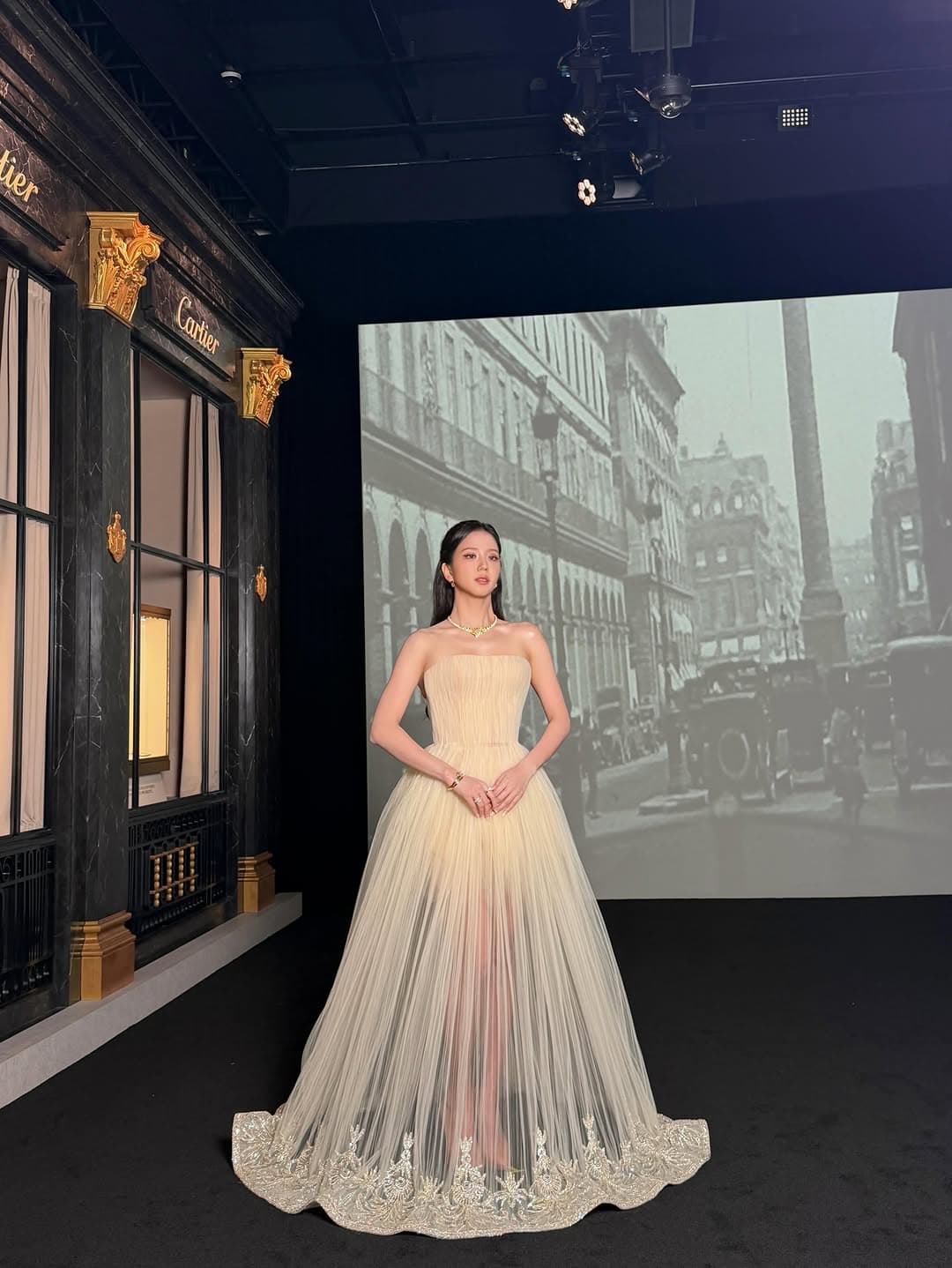
Cartier’s choice to align Panthère de Cartier with JISOO makes intuitive sense. She has the rare ability to project softness without ever seeming fragile, and that is precisely the duality this motif thrives on. In campaign imagery, the jewellery does not overwhelm her, it converses with her. The effect is poised, but never precious. Into the Wild reads less like dressing up and more like sharpening your outline.
Celebrity jewellery campaigns can veer into the obvious, but the best ones feel like casting rather than hiring. Here, the story is about presence. JISOO’s appeal is not volume, it is control, a kind of stillness that makes a small detail land with impact. Cartier Into the Wild is made for that kind of attention. Not the frantic kind, the focused kind.

How to wear the panther now
The most modern way to wear Panthère is not as a full stop, but as punctuation. Let it sit against an open collar, or skim the wrist beside a watch, something crisp and architectural. The point is contrast. Cartier never intended the panther to blend in, but it is most powerful when it feels chosen, not stacked for effect.
If you are thinking about the Panthère as more than a seasonal infatuation, it helps to place it in the larger conversation of collecting. We often talk about jewellery as heirloom, but the truth is that heirlooms start as personal decisions. For more on how luxury objects live inside real wardrobes, our Luxury pages track the pieces that keep their charge long after the first post. And if you are drawn to the interplay between design and time, the perspective from Watches is a natural companion, because Cartier has always understood that style is a form of engineering.
Why Cartier Into the Wild lands right now
We are living through an era that claims to be minimal, yet craves symbols. The panther survives because it is not a logo, it is a character. It can be graphic and discreet, or sculptural and overt, depending on how you choose it. Into the Wild feels attuned to a contemporary appetite for jewellery that signals identity without shouting. It is sensual, but not sweet. Polished, but not polite.
This is also when Cartier’s broader cultural presence matters. The house remains one of the few luxury names that can move between high jewellery, watches, and pop culture without losing coherence. If you want to see how that coherence plays out beyond jewellery, our Celebrity coverage often captures the moment when a brand stops being a backdrop and becomes part of the person wearing it.
Cartier Into the Wild ultimately succeeds because it trusts the reader and the wearer. It does not over explain. It simply offers the panther as it has always been at its best, elegant, watchful, and entirely uninterested in permission.
Photo Credits
Images courtesy of their respective owners.