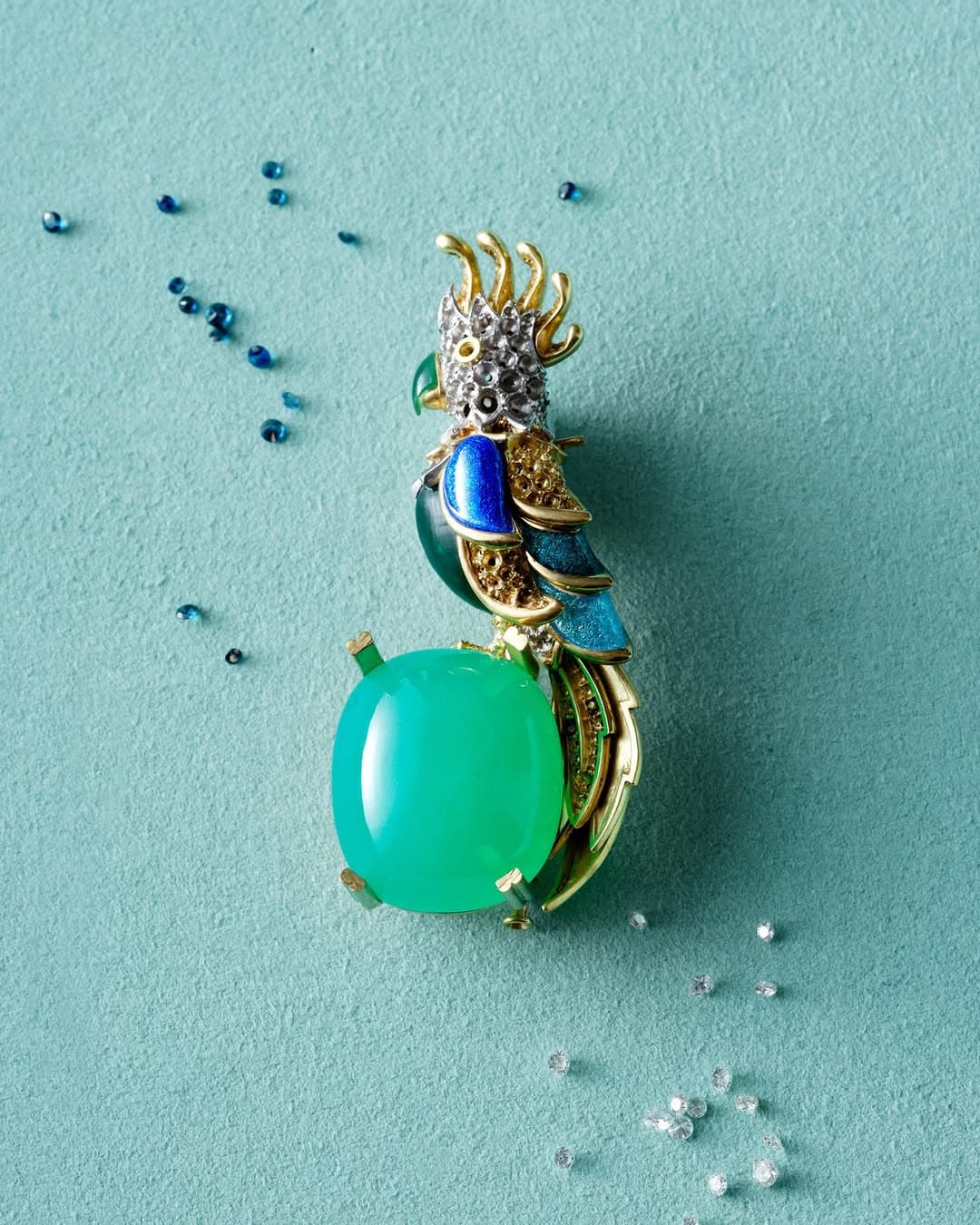
In the world of high jewellery, rarity is easy to claim and difficult to show. Tiffany Blue Book 2026 does not bother with slogans. It offers proof, laid out in the Paradise Bird chapter of Hidden Garden, where the House’s long standing legacy of gemstone mastery becomes something you can almost hear, a low, luminous hum. At the centre sits an apple green cushion cut cabochon chrysoprase, more than 51 carats of poised colour that reads like fresh fruit in late morning light, crisp, green, and faintly mischievous.
The jewel is, quite literally, a bird. Not a polite silhouette, but a character with posture and temperament, assembled by hand over 400 hours by Tiffany artisans. It is a reminder that the finest jewels are never just about materials. They are about decisions, the angle of a wing, the patience behind a seam, the confidence to let one extraordinary stone take the lead while everything around it behaves like a chorus.
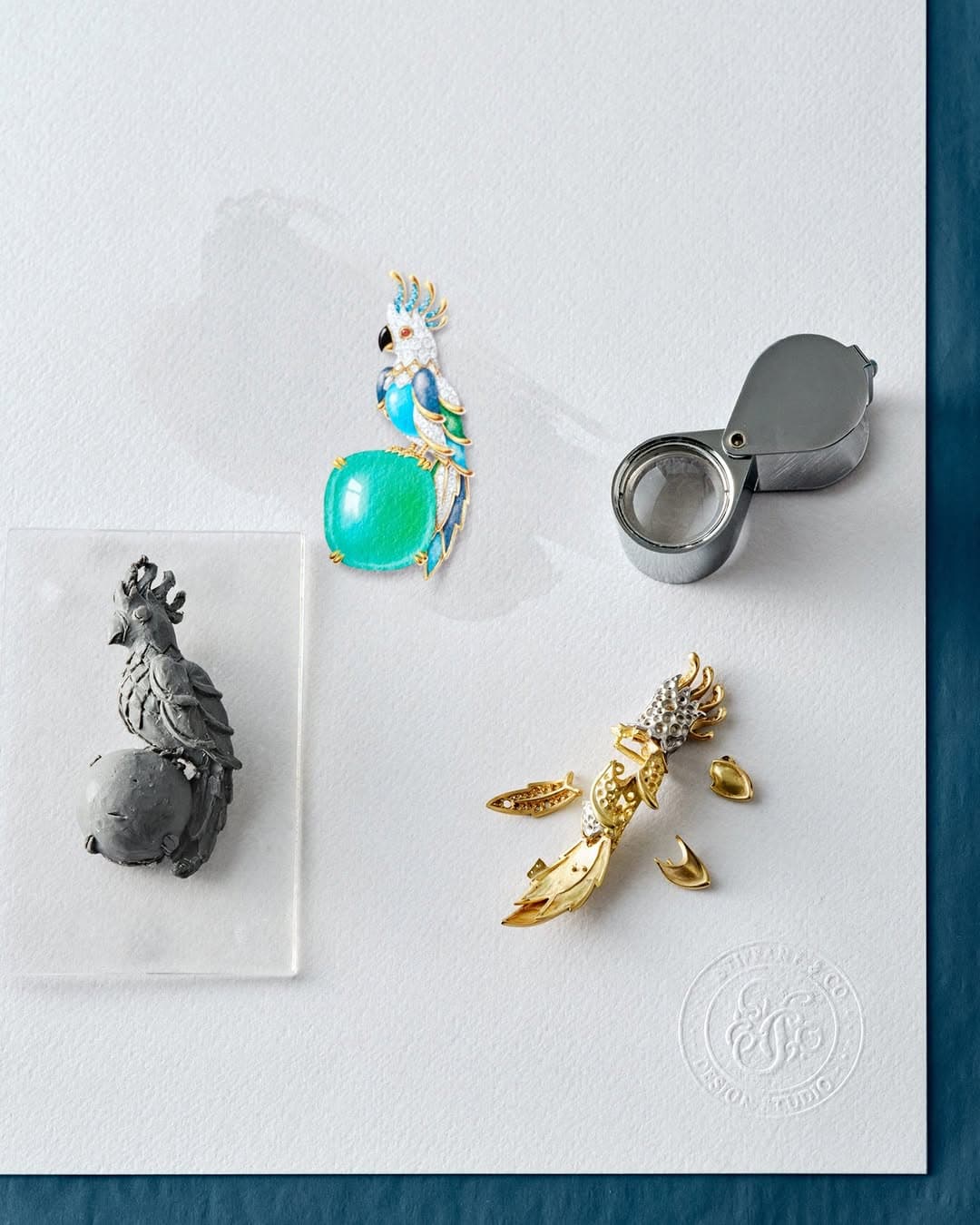
Tiffany Blue Book 2026 and a chrysoprase worth pausing for
If you have never met chrysoprase up close, you might underestimate it. It is not the easy dazzle of a diamond or the familiar theatre of an emerald. Its power lives in its body colour, that saturated apple green that feels both calm and electric. Here, the cushion cut cabochon profile makes the stone feel alive, a polished, rounded form that holds light rather than scattering it. That choice matters. It turns the gem into a presence instead of a performance.
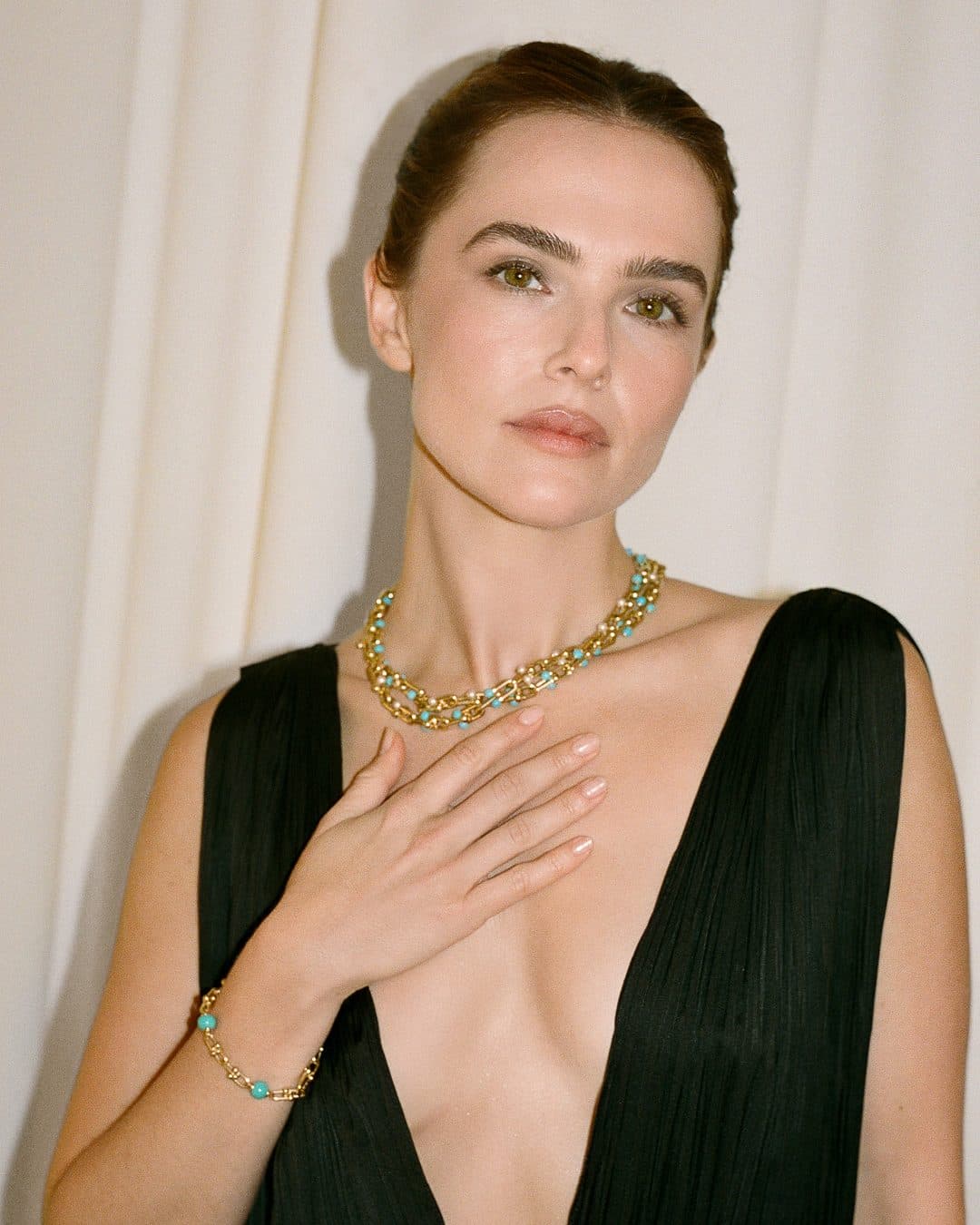
Tiffany & Co. has long understood that gemstone mastery is not simply a matter of access, it is a matter of taste. The Paradise Bird jewel is arranged so the chrysoprase reads first, last, and always. Everything else has been edited with discipline: a palette built from blue sapphires, onyx, turquoise, diamonds, and that quietly extravagant detail, blue and green paillonné enamel, shimmering like a secret under glass.
What the materials are really doing
The sapphires cool the composition, keeping the green from tipping too sweet. Onyx adds a graphic edge, like ink defining an illustration. Turquoise brings a lift of sky. Diamonds do what diamonds should do in a piece like this, they outline and clarify, never hijacking the scene. And the paillonné enamel, with its layered, foil like depth, is the kind of craft detail that rewards closeness. It is not decoration, it is atmosphere.
Inside the Paradise Bird, whimsy with discipline
Whimsy can be a trap in jewellery, too often it becomes costume. The Paradise Bird avoids that fate because it is built on proportion and restraint. The bird feels light, but not flimsy. It feels playful, but not precious. You sense the hours in the way each element sits exactly where it should, and how the colour story stays coherent even as it moves from gemstone to enamel to diamond light.
There is also something distinctly Tiffany in the way this piece sits between taxonomy and fantasy. It nods to nature without obsessing over realism. Think of it as a jewel that remembers what it was like to be a child looking at a garden and believing it could speak back.
Why 400 hours matters, and when it does not
Luxury loves to count time, but hours alone are not a virtue. Here, the 400 hours are felt in the joins, the alignment, the confidence of the setting. The construction is careful enough that the overall effect reads effortless. That is the point. The most persuasive craftsmanship does not announce itself, it simply removes every distraction between your eye and the idea.
Gemstone mastery as Tiffany’s quiet flex
The language around jewellery has become noisy, even frantic, lately, as brands compete to out narrate one another. Tiffany Blue Book 2026 feels calmer. The Paradise Bird chapter of Hidden Garden is not trying to go viral. It is trying to be true to its own standards, and to a particular Tiffany tradition of treating gemstones as personalities rather than trophies.
If you want the official context, start with Tiffany & Co. and the House’s ongoing high jewellery world. For a broader look at the Blue Book lineage, the brand’s history is best read alongside how institutions define modern jewellery craftsmanship, including references from the Gemological Institute of America.
And if you are building your own eye for this kind of work, it helps to compare categories. Spend time with the way Luxury houses approach craft differently than trend driven accessories, then wander into Fashion for the styling conversation, and Watches for another discipline where microscopic finishing separates the merely expensive from the genuinely great.
How to look at this piece, even from a screen
Start with the chrysoprase and notice how it sits, not flat, not overly elevated, but placed with the assurance of a centre of gravity. Then track the blues around it, sapphire, enamel, turquoise, and see how the cool tones keep the green feeling modern. Finally, follow the black of the onyx and observe how it sharpens the silhouette. It is a lesson in editing as much as it is a lesson in abundance.
Tiffany Blue Book 2026, at its best, makes a case for wonder that is not naive. The Paradise Bird is playful, yes, but it is also exacting. It is the kind of jewel that reminds you why high jewellery still matters when it is done properly. Not because it is rare, but because it is specific.
Photo Credits
Cover image courtesy of Tiffany & Co.. Additional images courtesy of their respective owners.