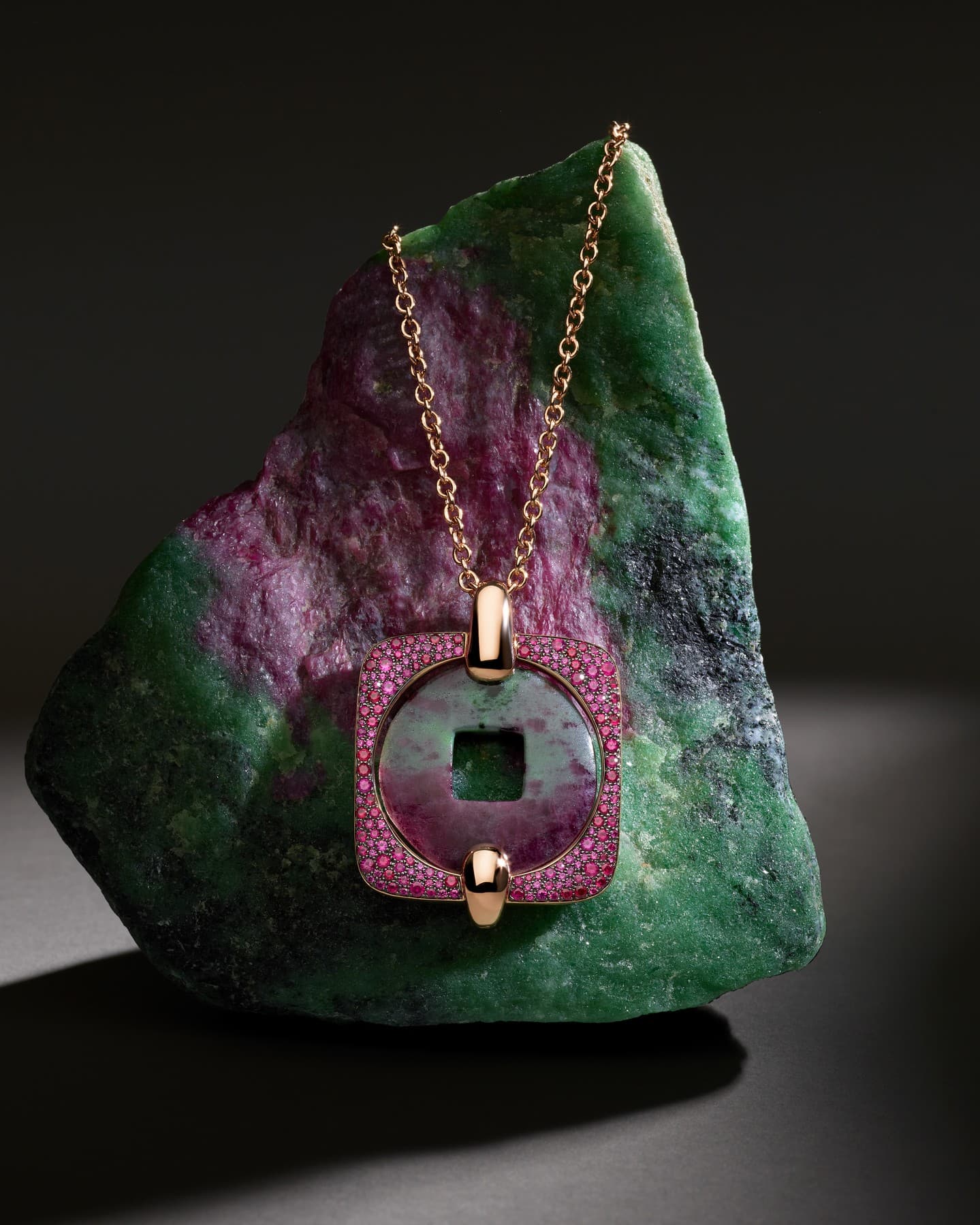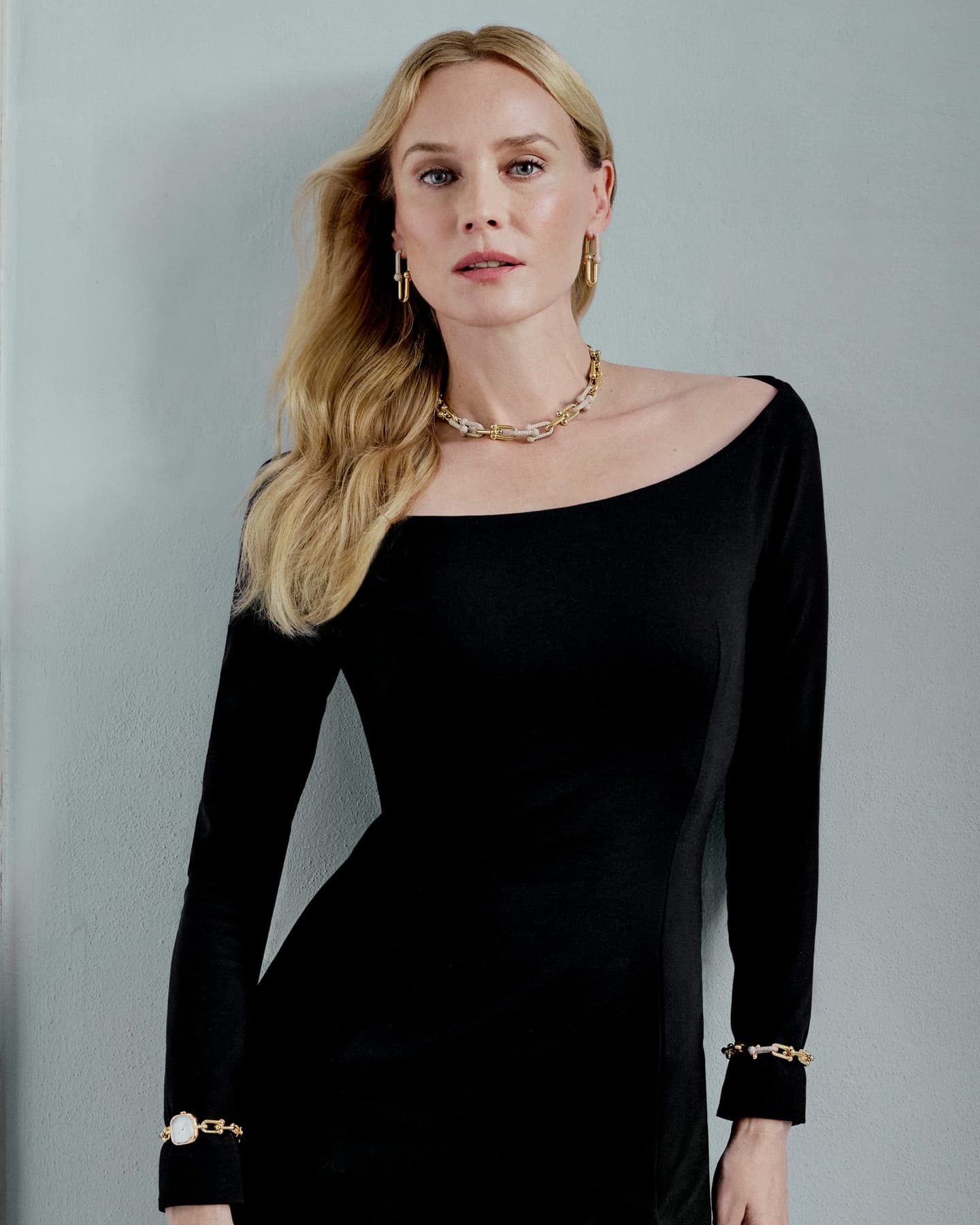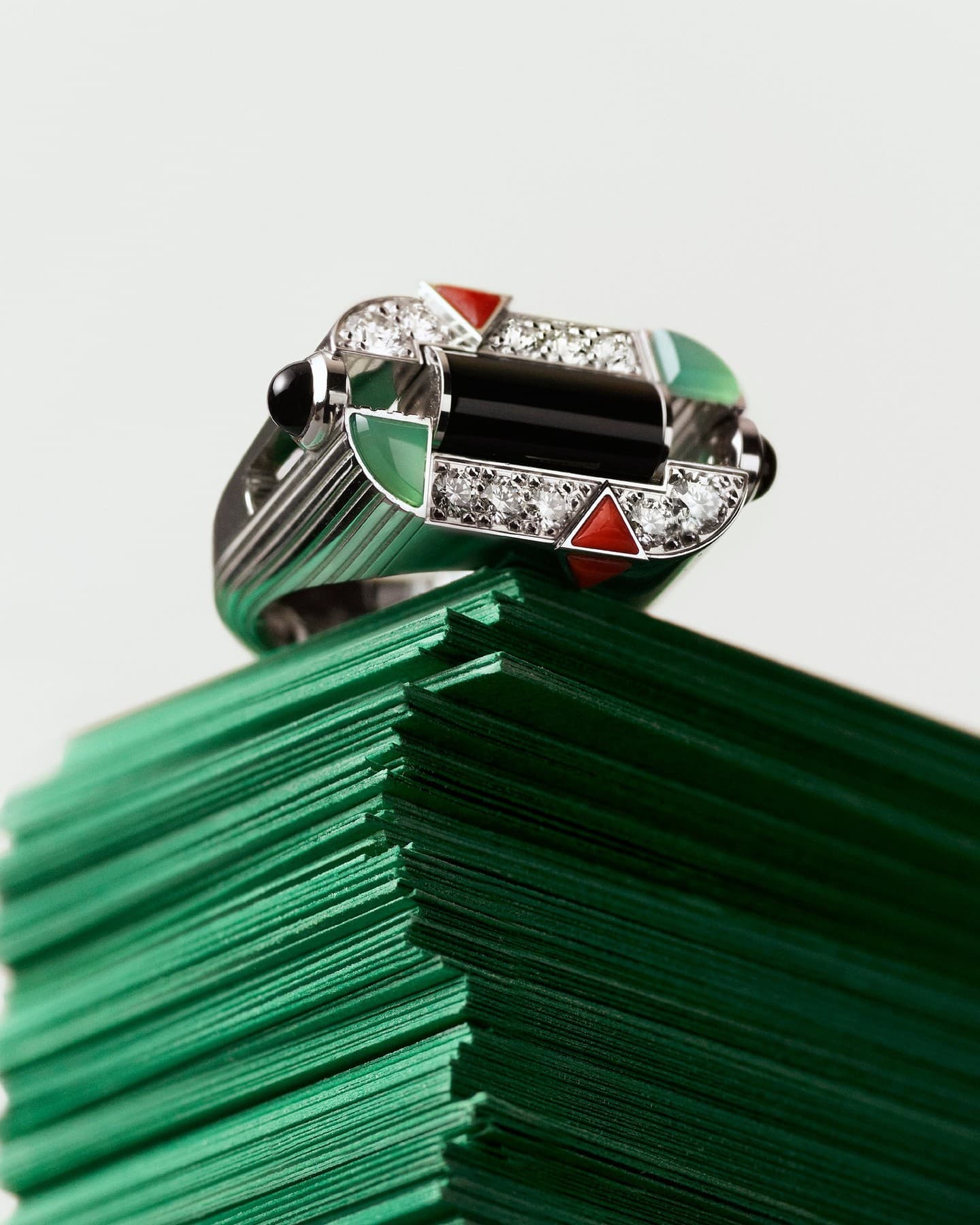
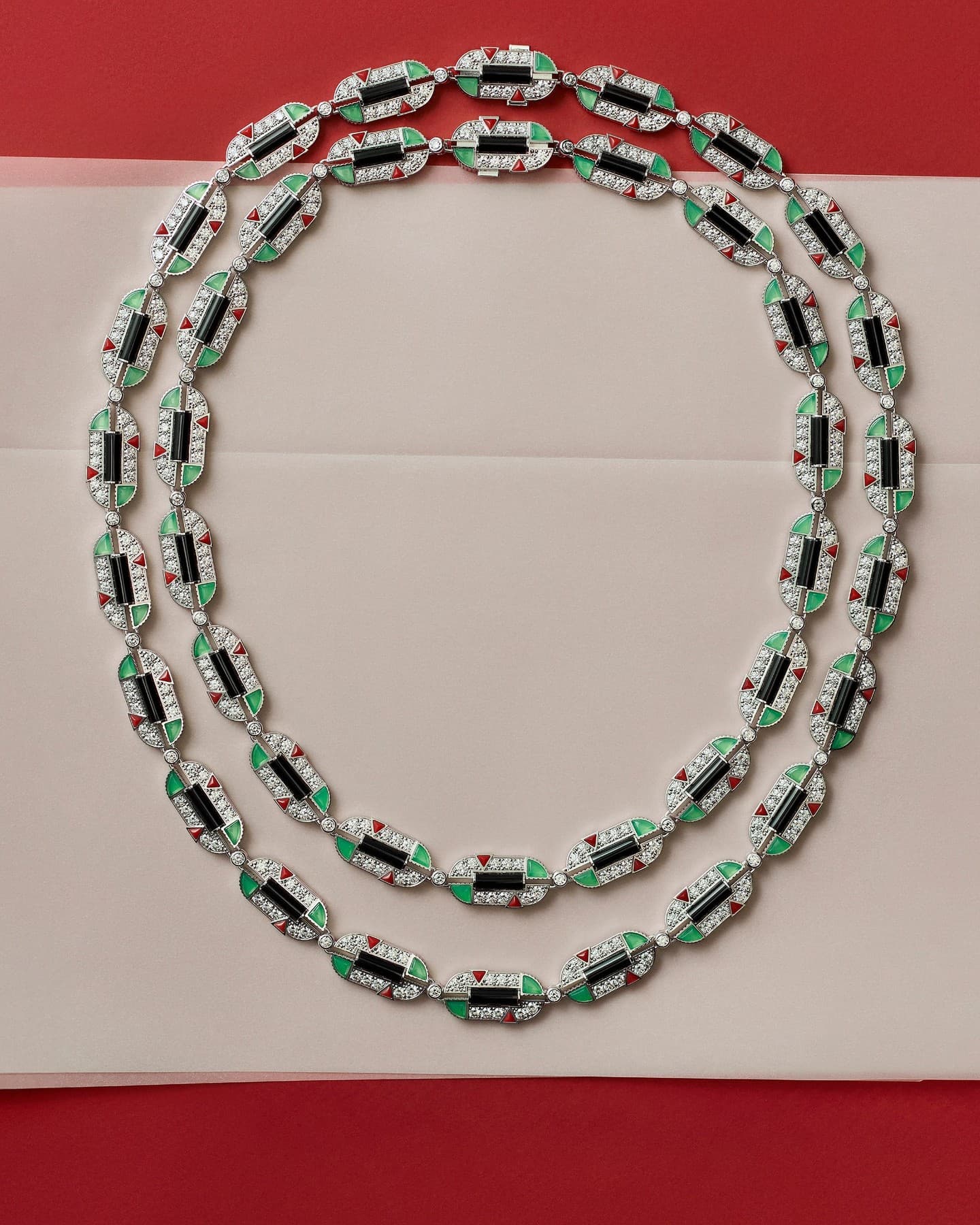
A polished cabochon catches the light for a second, then disappears again into the architecture of a piece. That vanishing act is the point. In the world of Cartier, the most persuasive drama rarely announces itself with volume, it shows up in the millimetres: the crispness of a seam between stones, the density of a pavé that reads like fabric, a line of metal that somehow feels like a drawn curve.
The Maison’s current messaging around Cartier savoir faire and the hashtagged campaign language of #CartierSavoirFaire is more than social polish. It is a reminder that Cartier’s real signature has always been its métiers, the workshops whose techniques are old enough to have heritage and sharp enough to keep reinventing it.
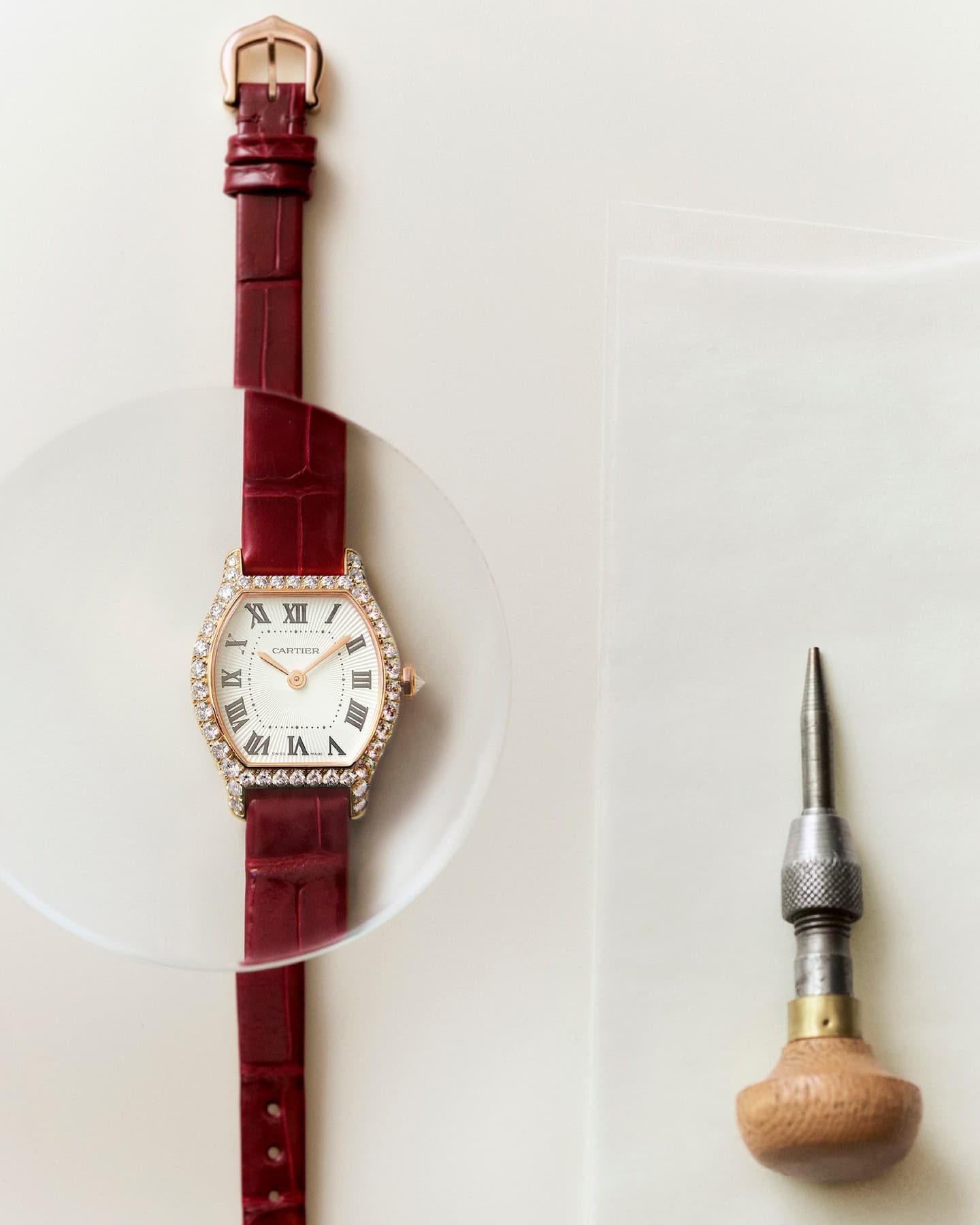
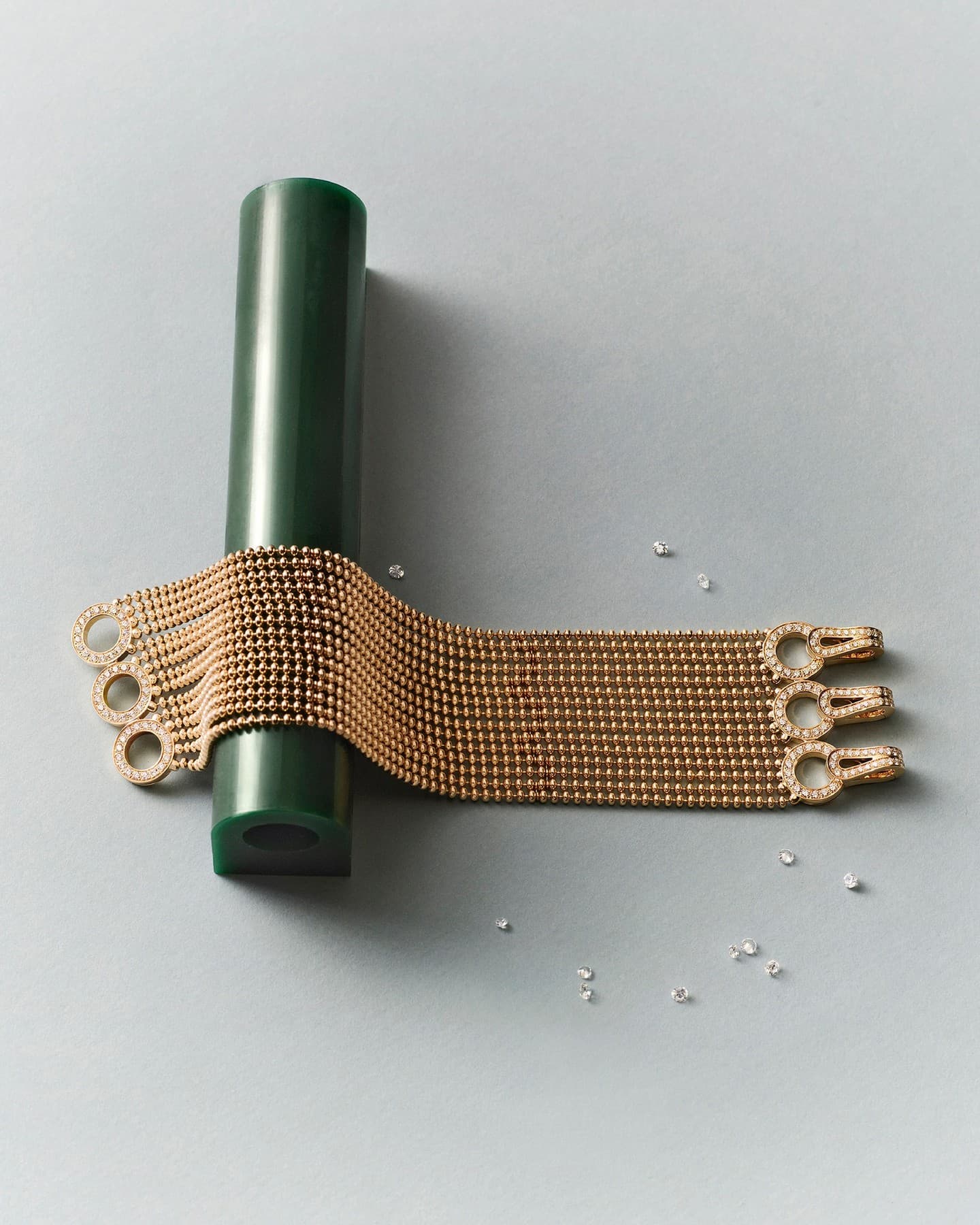
Why Cartier savoir faire still sets the pace
Luxury is full of houses that claim craft. Cartier is one of the few where craft consistently shapes the vocabulary of style. The proof is in the way certain codes travel across decades without fossilising. Take the panther, introduced in Cartier design in the early twentieth century and inseparable from Jeanne Toussaint, who became Director of Fine Jewellery in 1933 and helped cement the motif’s feline authority. Or consider the Trinity ring, created by Louis Cartier in 1924, whose interlocking bands read today as graphic minimalism even though the idea is a century old.
Those icons matter here because they demonstrate what Cartier does better than most: it treats heritage as a set of working tools, not a display cabinet. The “vitality” in the brand’s own phrasing comes from the cross talk between designers and artisans, and from the willingness to push materials and settings until they deliver a specific emotional effect, not merely a technical result.
Métiers, explained through what your eye can actually see
Cartier rarely asks you to admire a technique in isolation. It asks you to notice how a technique changes what you feel when you look at a piece on the body. Stone selection, for instance, is not only gemological correctness. It is colour as character, the difference between a green that feels botanical and a green that feels architectural.
Then there is setting. Pavé can be a blunt instrument in lesser hands, all sparkle and no soul. In Cartier’s better work, it becomes texture, a way of giving a surface the grain of silk or the tension of skin. Even a polished onyx plane can become a kind of pause, a graphic breath inside a more intricate composition. If you want a parallel from another corner of the Maison, the same philosophy appears in its watchmaking, where design codes and detail execution have to agree at close range. You can see that thinking echoed across the brand’s Watches stories.
#CartierSavoirFaire as a modern window into an old discipline
The hashtag might look like contemporary packaging, but it points to something fundamentally traditional: the jeweller’s eye as a governing principle. That eye is not only about taste. It is about proportion, how volume reads in motion, how a motif sits against skin, how light behaves when a piece turns. In short, Cartier savoir faire is less a claim than a method.
Heritage, reinvented without becoming nostalgic
Cartier has always moved between worlds: Parisian elegance, global references, and a remarkably pragmatic understanding of how people actually wear jewellery. The Maison’s history is documented extensively through its own channels, including the timeline that situates creations like Trinity and the panther within a broader design evolution. When you read it, you realise Cartier’s heritage is not a single era, it is a sequence of design decisions that keep being re edited. That matters today, when many luxury brands default to nostalgia as a shortcut.
There is also something culturally telling about Cartier’s insistence on the workshop. In an age of frictionless shopping, the Maison foregrounds friction of another kind: the slow pressure of hands and tools on precious materials, the accumulated decisions that make a finished piece look inevitable. That is not sentimentality. It is a business signal, a statement that in the upper tier of luxury, craft is still the only defensible differentiator.
Where to look if you want to follow the thread
If you want the most accurate context for what Cartier is emphasising now, go straight to the primary sources. Cartier’s official Savoir Faire pages outline how the Maison frames its crafts and workshop culture, and the house timeline is the cleanest way to place today’s messaging within a century of design continuity.
Cartier Savoir Faire is a useful starting point for the brand’s own articulation of its métiers. For historical anchoring, Cartier’s official overview of Maison history is refreshingly direct.
In the end, the most convincing argument for Cartier savoir faire is visual. Look closely enough, and you will see what the Maison has been saying all along: style begins in the hands.
Photo Credits
Images courtesy of their respective owners.