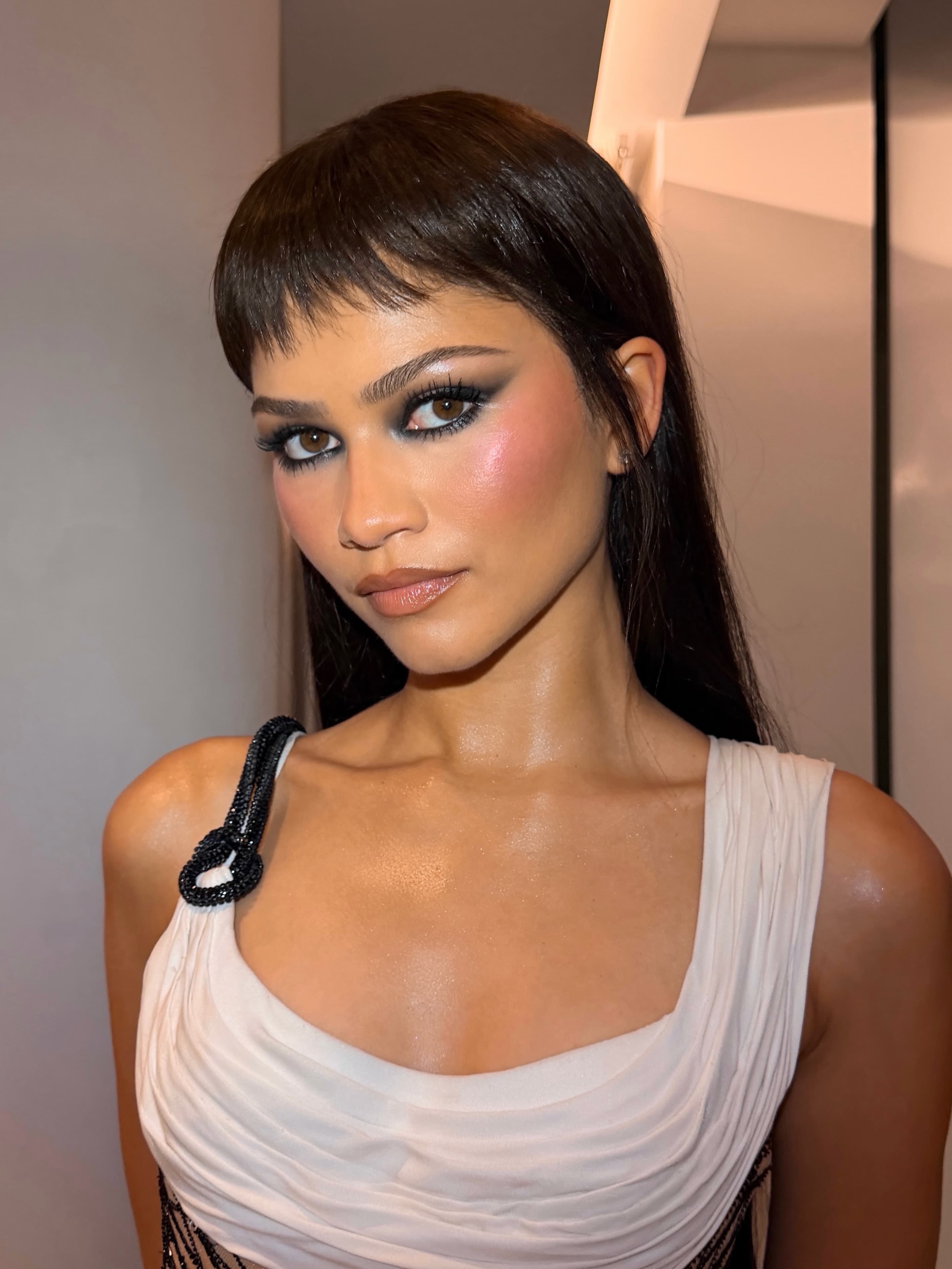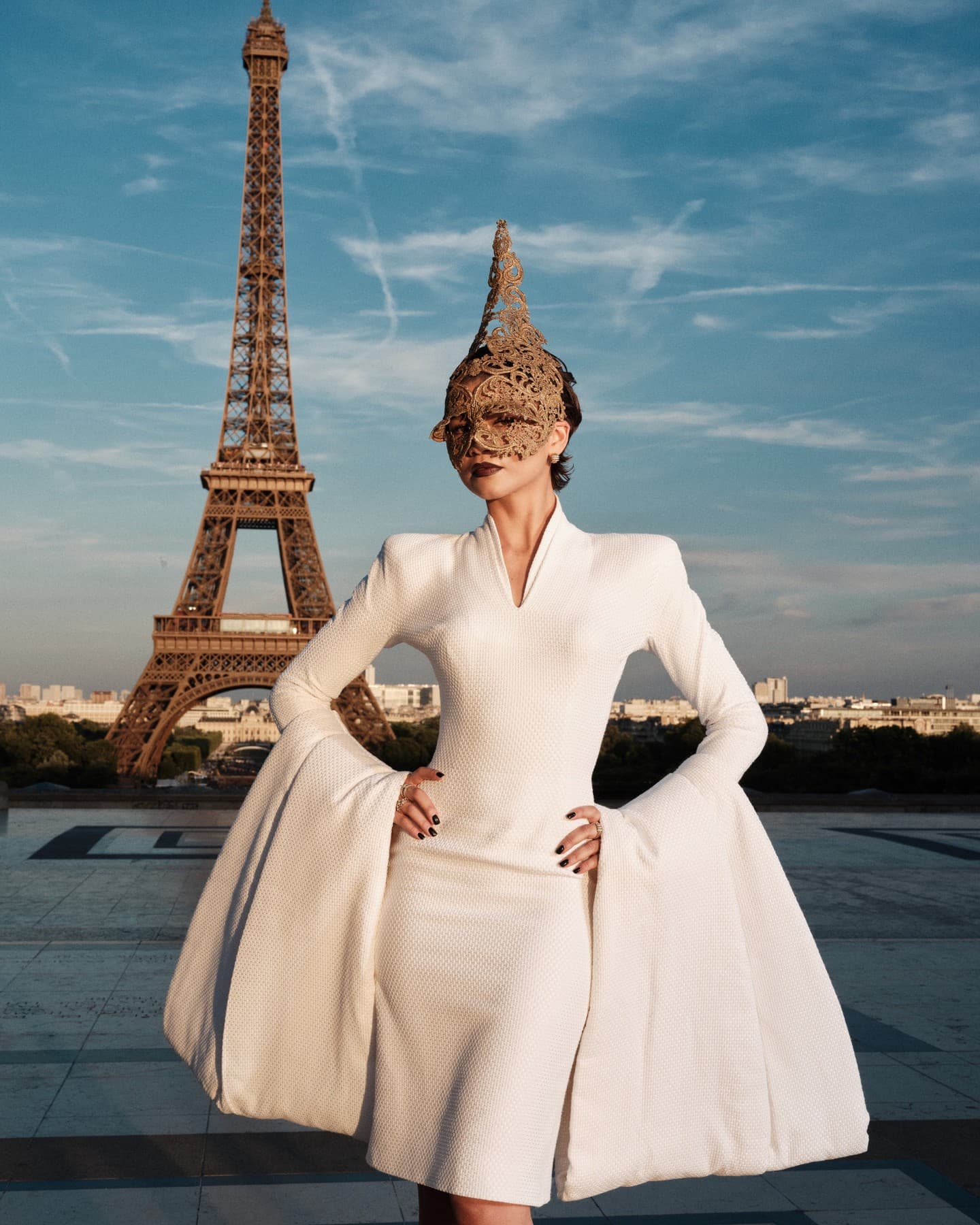
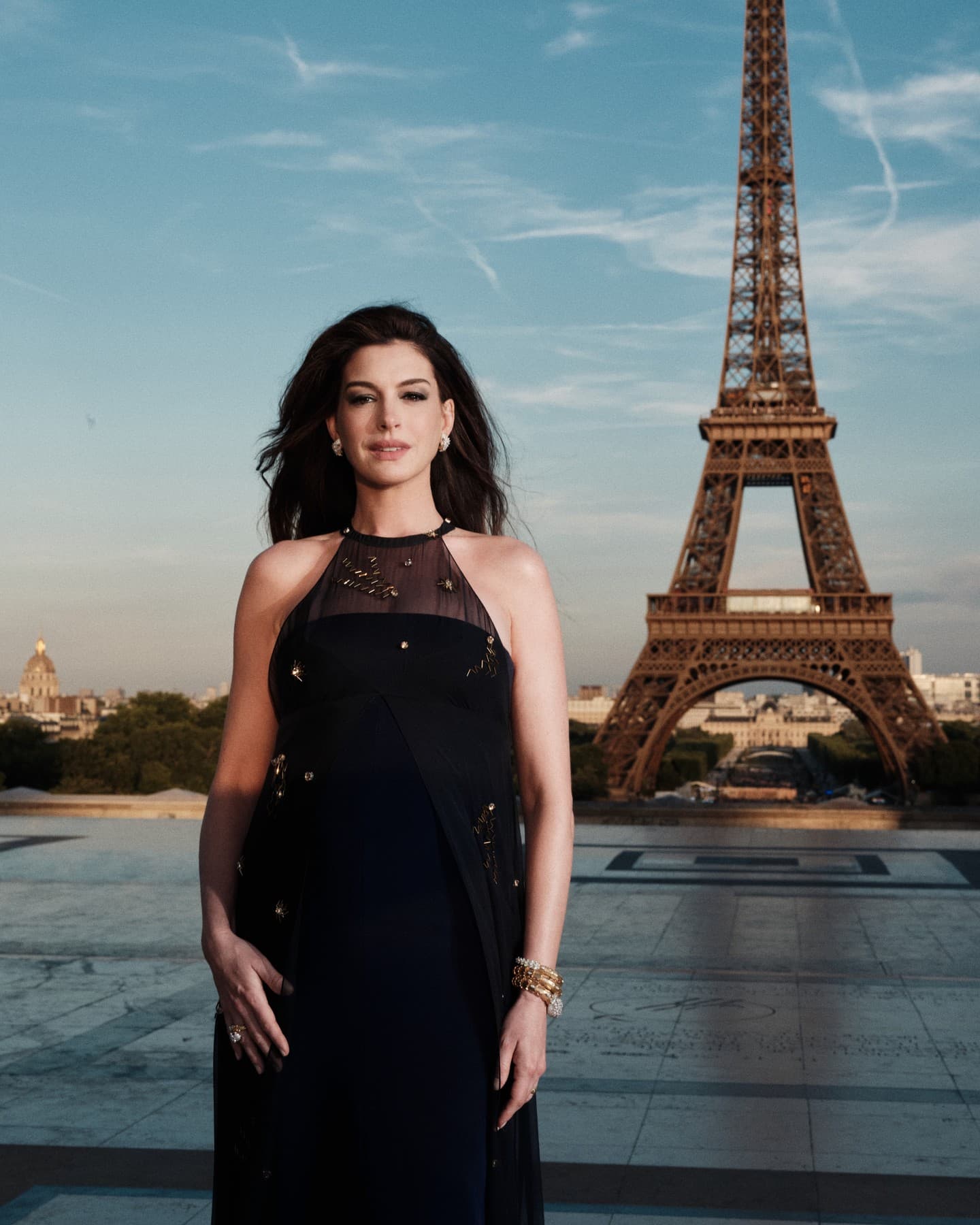
Paris has a way of making promotion feel like performance, and this week the cast of The Odyssey in Paris proved it. At Trocadéro Square, with the Eiffel Tower rising behind them like a knowing stage prop, Zendaya, Anne Hathaway, Lupita Nyongo, Tom Holland, Matt Damon, and Charlize Theron made the familiar rhythms of a press tour look freshly choreographed, part fashion moment, part cultural event, wholly photographed. The city did what it always does, it sharpened the silhouette and deepened the story.
There is a particular thrill to Trocadéro in late day light, the stone glowing warm, the air flecked with camera shutters and the faint sweetness of crêpes drifting up from the avenues. It is a place built for grand statements, and yet the best ones here were smaller, a hand on a shoulder, a laugh caught mid turn, the kind of human punctuation that makes celebrity feel briefly tangible. If the project promises mythic scale, the Paris stop offered something quieter and more persuasive, chemistry.
The Odyssey in Paris and the new language of a press tour
Once, press tours were politely contained, hotel ballrooms, step and repeat backdrops, a steady churn of Q and A. Now they are itinerant, cinematic, and relentlessly public, with each city drafted as a character. The Odyssey in Paris is not simply a stop on the calendar, it is a visual thesis, cinema meets street level spectacle, with the cast positioned against one of the world’s most legible skylines.
It is also an object lesson in how the modern star machine operates. The images need to land instantly on phones, yes, but they also need to hold up under the slower, more forensic gaze of fashion and culture readers. Paris, always demanding, encourages better posture, better tailoring, better pacing. It asks for decisions.
Zendaya, Anne Hathaway, Lupita Nyongo, Tom Holland, Matt Damon, Charlize Theron, and the art of arriving
Zendaya has long understood the camera not as a threat but as a collaborator, and in Paris she leans into that fluency, allowing the moment to read as both composed and spontaneous. Anne Hathaway brings a sort of polished ease, a reminder that star power can be unhurried. Lupita Nyongo, with her famously attentive approach to image, makes even the simplest gesture feel intentional, a quiet masterclass in presence.
Tom Holland’s appeal remains that rare thing, a sincerity that survives the noise around it. Matt Damon carries the steadiness of an actor who has lived through multiple eras of fame and emerged with his footing intact. Charlize Theron arrives with a crisp certainty, the kind that does not need to announce itself. Together, they make the ensemble feel less like a lineup and more like a cast in the old sense of the word, a group with a shared register.
Trocadéro Square, where Paris frames the myth
There is a reason photographers love Trocadéro, it offers drama without clutter. The geometry of the steps, the sweep of the plaza, the clean recession of space, it turns people into figures. For The Odyssey in Paris, that matters. Myth needs architecture. It needs distance. And then, ideally, it needs a moment of intimacy to pull you back in.
Standing there, you feel how Paris edits a scene. The air carries steel and river and perfume from passersby. The light is not merely flattering, it is narrative. Everyone looks slightly more destined. That is the city’s trick, and it works every time.
Why this stop feels different from the usual photo call
Some publicity images feel transactional, a checklist ticked with a smile. This set, by contrast, has the buoyancy of a happening. It helps that Trocadéro is public enough to feel democratic, tourists and locals filtering around the perimeter, yet iconic enough to feel rarefied. The cast becomes part of the city’s daily theatre, and the city, in turn, becomes a collaborator in the film’s aura.
For readers following along, The Odyssey in Paris is a reminder that movie culture still has the power to gather people in one place, to conjure a sense of occasion. In an era of fragmented attention, that is no small thing.
How to follow the moment, and where it sits in the season’s celebrity style conversation
Paris press stops inevitably brush up against the fashion ecosystem, especially when they happen within arm’s reach of the world’s most influential houses. If you are watching The Odyssey in Paris as a style narrative, pay attention to proportion and restraint. Paris rewards clothes that move well in public and read cleanly in photographs, sharp lines, thoughtful texture, an understanding of how a look behaves on stone steps in changing light.
For more on how celebrity culture travels, our Celebrity coverage tracks the way star images ripple outward, from premieres to street style. And if you are thinking about the broader luxury context, you will find related perspectives in Fashion and Culture, where we unpack why certain moments stick and others vanish as quickly as they appear.
The original report of the Paris stop was noted by The Hollywood Reporter, and the images have already begun doing what modern images do, migrating, multiplying, becoming reference points. Expect the broader conversation to continue as the tour moves on, and as brand watchers read the styling choices for signals. When the world’s biggest stars land in Paris, houses like Chanel and Dior are never far from the subtext, even when logos are nowhere in sight.
For now, the takeaway is simple. The Odyssey in Paris did what a great press tour stop should do, it made you want to see the film, but it also made you want to be there, on those steps, in that light, with the city humming behind the lens.
Photo Credits
Cover image courtesy of Hollywood Reporter. Additional images courtesy of their respective owners.