There are runway collections that shout, and then there is Chanel Métiers d’Art 26, which speaks in the low, persuasive voice of craft. It is the line you lean in for, the one that makes you notice the seam exactly where you thought there wasn’t one, the button that catches light like a secret, the embroidery that refuses to behave like mere decoration. If the seasonal runway is the main stage, Métiers d’Art is the backstage tour with the house lights on, intimate, forensic, and frankly more moving.
For anyone following the brand beyond the headline looks, this is the collection that explains why Chanel can still feel contemporary while insisting on tradition. It was conceived to celebrate the specialist ateliers Chanel has gathered under its umbrella, a strategy formalized with the creation of le19M in Paris, a purpose built home for houses such as Lesage, Lemarié, and Massaro, where pleats, feathers, and embroidery are treated with the seriousness of architecture. In other words, the Métiers d’Art line is not a detour from fashion. It is the engine room.
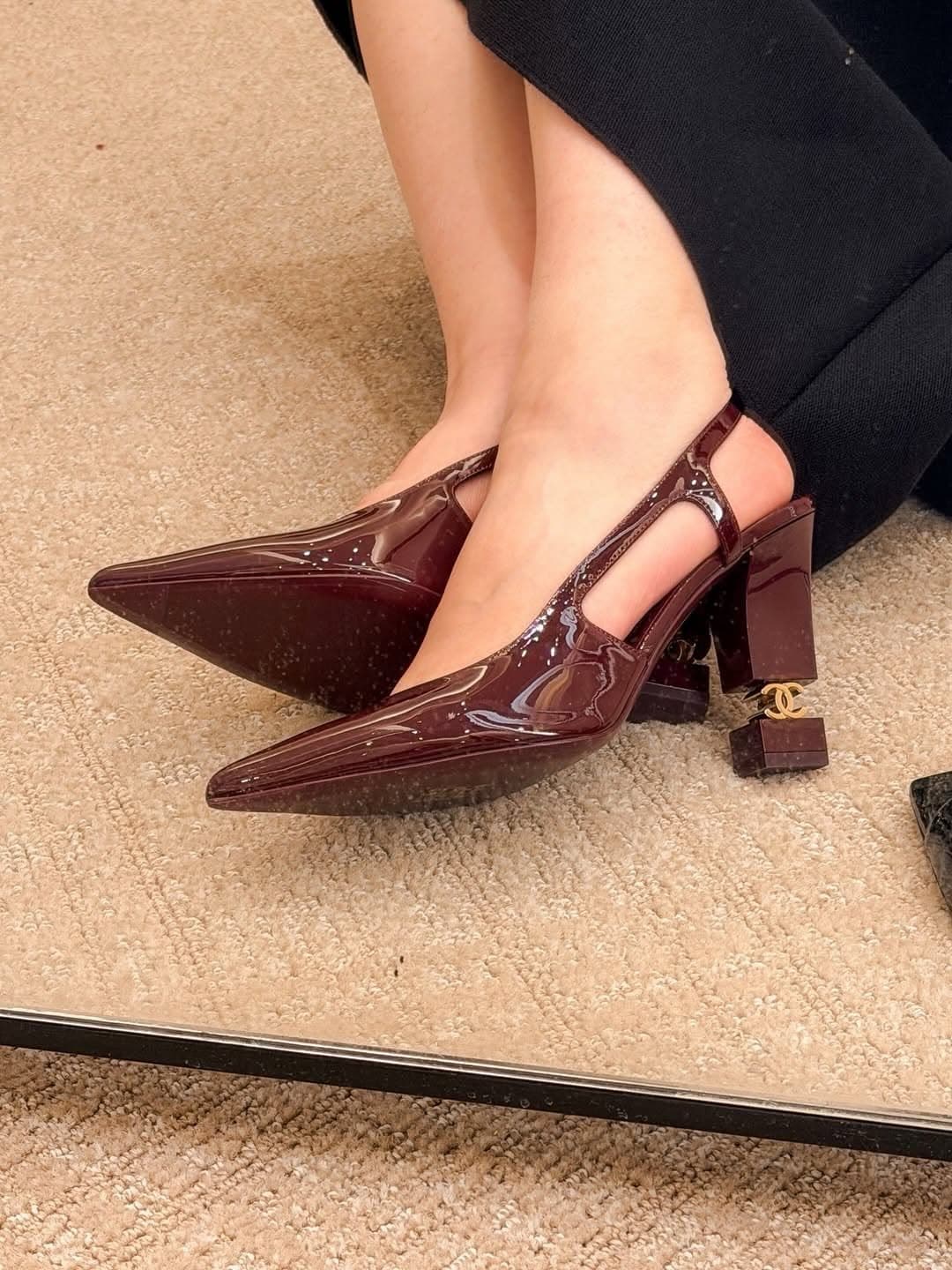
Chanel Métiers d’Art 26, when the details do the talking
What makes Chanel Métiers d’Art 26 feel “different,” to borrow the sentiment that’s been circulating across fashion pages in the Gulf, is not just the silhouette. It is the density of intention. A jacket is never simply a jacket in this world. It is a surface where craft is allowed to accumulate, where a sleeve can carry hours of work without announcing it with theatrics.
This is why the pieces often read as more personal than the runway line. They are still unmistakably Chanel, but less concerned with the quick photograph, more interested in how a garment behaves in real life. How it shifts under indoor light. How the chain weight in a bag changes the way it sits against the hip. How a trim, at close range, looks like it was drawn with a pencil rather than printed with a machine.
Métiers d’Art collections are typically presented as destination shows, recent editions have traveled from Dakar to Tokyo, folding local atmosphere into the house codes without resorting to costume. You can confirm the show lineage and official context via Chanel itself, and dive deeper into reporting and imagery through sources like Vogue’s fashion coverage, which has long treated Métiers d’Art as its own category of cultural event rather than a mere inter season stop.
The Chanel codes, sharpened rather than repeated
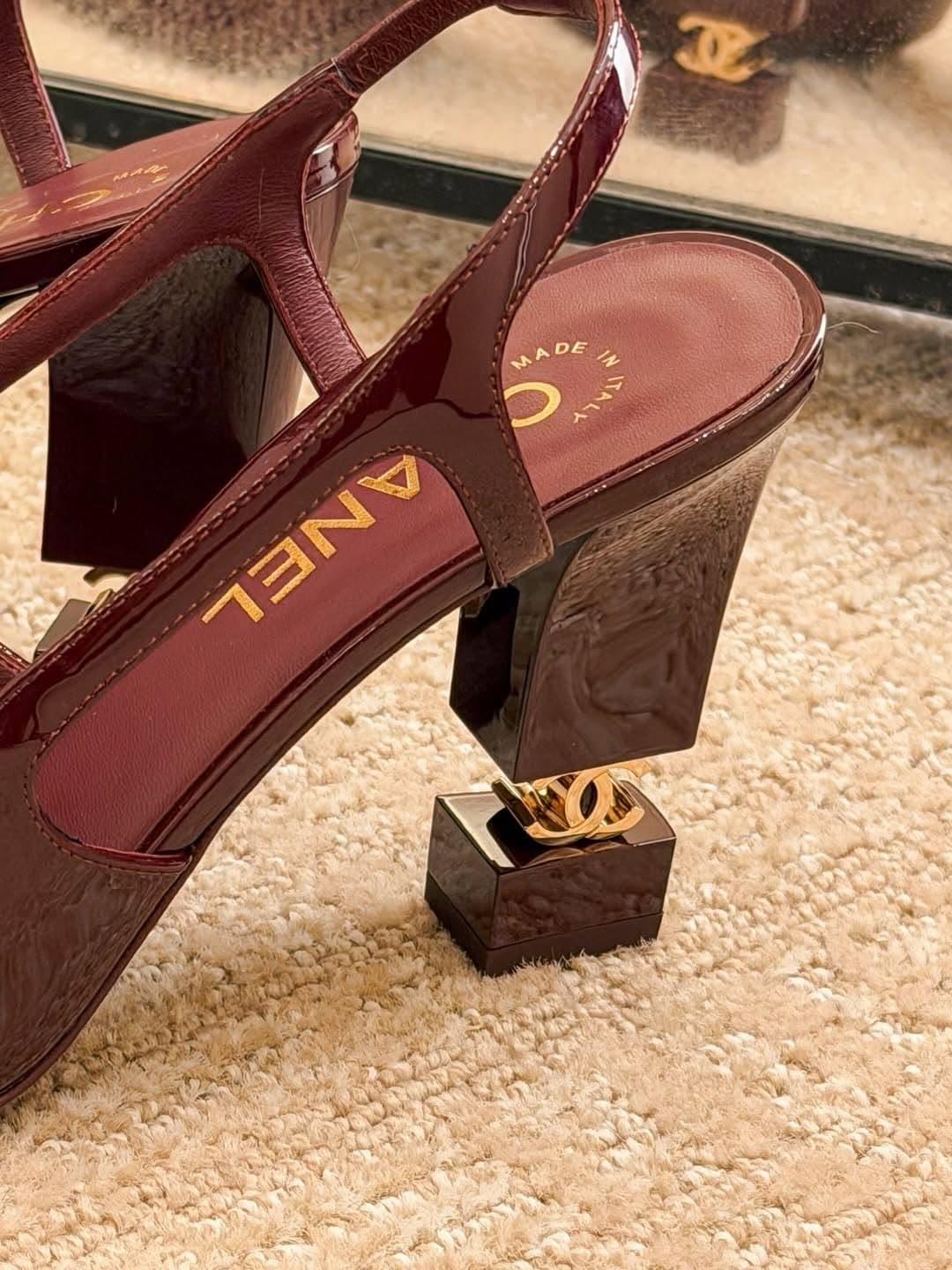
The Chanel lexicon is famously strict, tweed, camellias, pearl punctuation, black and ivory discipline, chain straps with a practiced swing. In Métiers d’Art, these codes return with a different tempo. The tweed may appear less like fabric and more like a landscape, flecked and layered, as if it has weather. The accessories, often the real protagonists, are where you feel the atelier’s hand most clearly, the way a clasp closes with a soft certainty, the way hardware is finished so that it reads warm rather than shiny.
There is a particular pleasure in how this collection plays with restraint. It never begs to be called “statement,” but it will stop fashion people mid sentence. The best examples are the ones that look almost simple until you approach, and then you realise simplicity has been manufactured the hard way.
The bags and accessories, where Métiers d’Art becomes wearable obsession
Luxury is often measured by scarcity, but with Métiers d’Art, luxury is measured by attention. On bags, that attention shows up in proportion and finish, the chain, the stitch count, the edge paint, the interior that feels considered rather than obligatory. For collectors, this is where Chanel Métiers d’Art 26 lands hardest, because these are the pieces that age with dignity. They do not date quickly, and they don’t rely on logo volume to justify their price.
If you are shopping with longevity in mind, it is worth reading Métiers d’Art the way you might read watchmaking, by asking who made it and how. The craft houses inside le19M exist precisely to preserve techniques that are expensive, slow, and increasingly rare. You can sense that slowness in the final object, like a quiet weight in the hand.
For readers who track luxury through a broader lens, our Luxury section has been following how heritage houses recalibrate value beyond hype. And if your entry point is styling rather than collecting, you will find complementary coverage in Fashion, where the question is always the same, how do you make something storied feel like it belongs to now.
How to wear it without turning it into costume
Métiers d’Art can be dangerously beautiful in the wrong hands. The key is to let one element lead. A richly worked jacket wants clean trousers. A bag with jewelry like hardware wants quiet knitwear. If the piece is already telling a story, your job is to give it silence around the edges.
In cities like Doha, where dressing is both social language and personal pleasure, the collection’s appeal is obvious. It offers ceremony without stiffness, glamour without noise. That is why it photographs so well in close up, and why it tends to be cherished rather than flipped.
Why Chanel Métiers d’Art 26 matters right now
Fashion has become very good at selling speed, but speed has an aftertaste. Métiers d’Art argues for the opposite. It insists that what is hardest to replicate is not a silhouette, it is the human knowledge inside a stitch. As luxury consumers become more fluent, more skeptical, and more attuned to what is real, the collection’s logic becomes impossible to ignore.
And there is another reason it matters. At a time when many brands try to outsource meaning to marketing, Chanel has invested in the unglamorous infrastructure of making, acquiring and supporting the ateliers, consolidating them, giving them a physical home, and placing them at the center of the narrative. The result is a collection that feels less like seasonal content and more like a thesis on what the house wants to protect.
If you have been tempted to think of Métiers d’Art as a niche for insiders, consider this your correction. Chanel Métiers d’Art 26 is one of the clearest explanations of Chanel’s modern power, not because it tries to be new, but because it refuses to be careless.
For more on the cultural context around how fashion’s craft economy is shifting, explore our Culture coverage, where luxury is treated not as a price point but as a set of values.
Photo Credits
Cover image courtesy of 𝐐𝐚𝐭𝐚𝐫𝐢 𝐅𝐚𝐬𝐡𝐢𝐨𝐧 𝐏𝐚𝐠𝐞 🇶🇦. Additional images courtesy of their respective owners.