
There is a moment in a good training clip when the noise falls away and you start watching ankles, not abs. In adidas’ latest push for the adidas Dropset 4, that is the hook: a “controlled stability” promise delivered through heavy lifts, sharp jumps, and short, punchy runs, with creator and athlete @spraguerrrr front and centre.
What adidas is selling with the Dropset 4
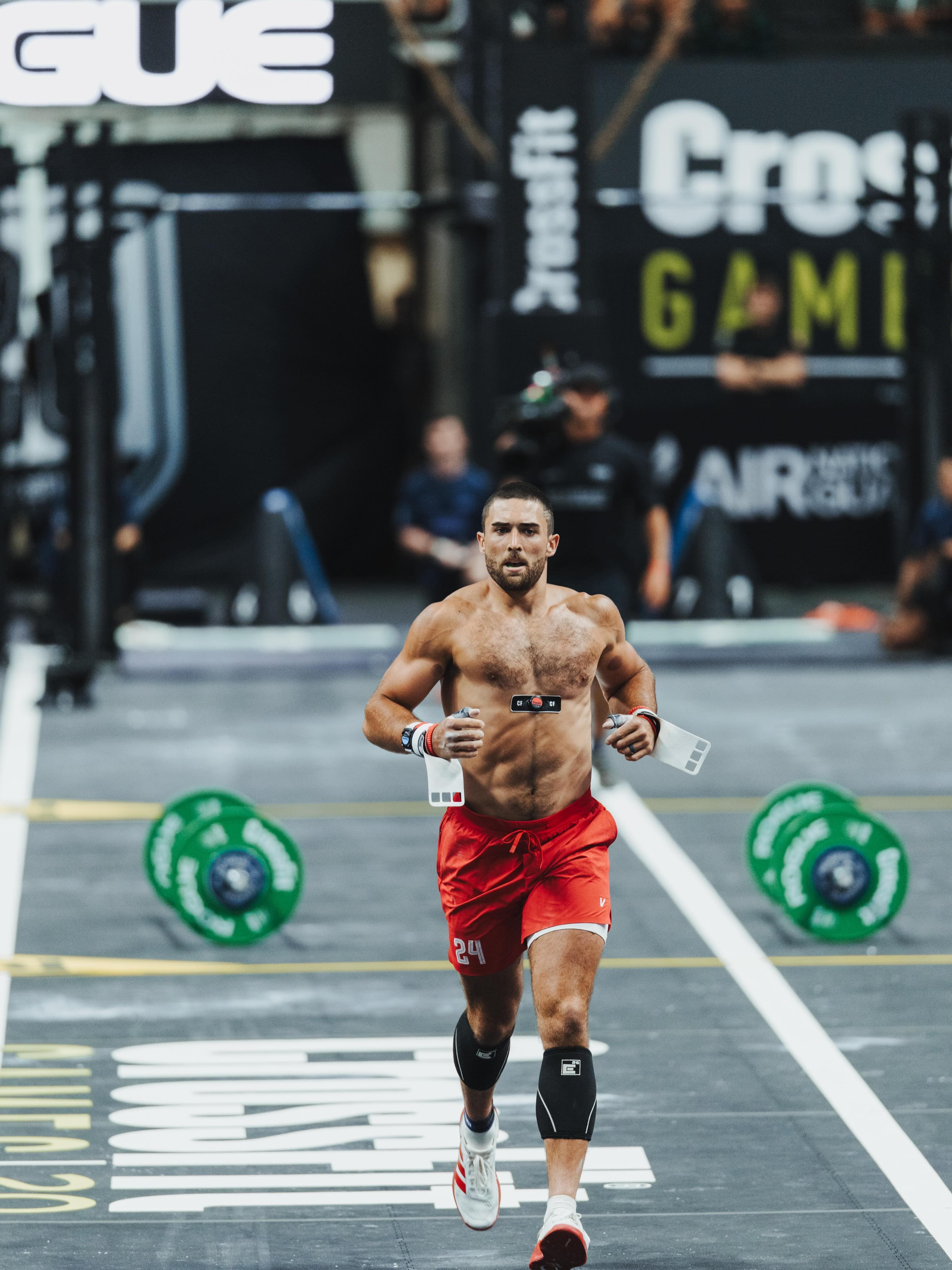
The caption is direct, almost clinical: “Every lift is fully controlled, every jump powerful, and short runs energized.” It positions the Dropset 4 training shoe as a hybrid built for gym sessions that move between barbell work and conditioning rather than a single lane. That framing matters, because the modern workout rarely stays polite. People lift, then they sprint, then they jump, often inside the same 45 minutes.
adidas has used the Dropset name as its dedicated strength training franchise, and Dropset 4 is being presented in that same vein: a stable base for loaded work, plus enough give to handle transitions without feeling like you brought a powerlifting shoe to a track session. The campaign language leans on control and repeatable mechanics, which is exactly what you want to hear when a shoe is asked to do both squats and box jumps.
The Sprague factor: “world champion” energy, gym-floor proof
The most specific signal in the post is the talent choice. The creative is tied to @spraguerrrr, described as a “World Champion,” and the footage language suggests performance first rather than aspirational styling. That matters for how the adidas Dropset 4 is being positioned: not as a fashion crossover, but as equipment with a job.
Even if you never learn the training plan behind the clip, you can read the intent: controlled eccentrics, clean landings, then immediate movement again. It is a micro argument for the utility of a shoe that does not force you to change footwear mid session.
Why “controlled stability” is suddenly the headline
Training has become content, and content has become form policing. If you film your sets, you are more likely to notice what your feet are doing under load, or how your heels behave when you come down from a jump. A shoe built for strength work has to earn trust quickly, because instability is not an aesthetic problem. It is a performance one.
In that context, the adidas Dropset 4 message lands as a response to how people train now: mixed modality sessions, fast transitions, and a desire for footwear that keeps the platform consistent without forcing the rest of the workout to compromise.
If you want the brand’s own overview of the line and current iterations, start with adidas and navigate to the Dropset training range, where the Dropset 4 is presented within adidas’ broader performance training offer.
What to look for when you try them on
Ignore the marketing words for a minute and do two tests: a slow, loaded descent (even bodyweight will do) and a few quick directional changes. If the shoe is doing what adidas claims here, you should feel the platform stay predictable during the descent and stable on the landing, while still letting you move without feeling locked in place. That is the real-world version of “controlled stability,” and it is the only definition that matters.
Where this sits in the wider training-shoe conversation
The gym floor has split into two camps: shoes that mimic running trainers, and shoes that behave more like dedicated lifters. Dropset has long been adidas’ bet on the second camp, and this campaign is essentially a reminder that strength-first footwear can still handle the messy middle of a workout.
If you are curious about how performance product slides into everyday wardrobes once it leaves the gym, you might also like Fashion coverage that tracks the afterlife of training gear beyond its intended habitat.
Photo Credits
Images courtesy of their respective owners.