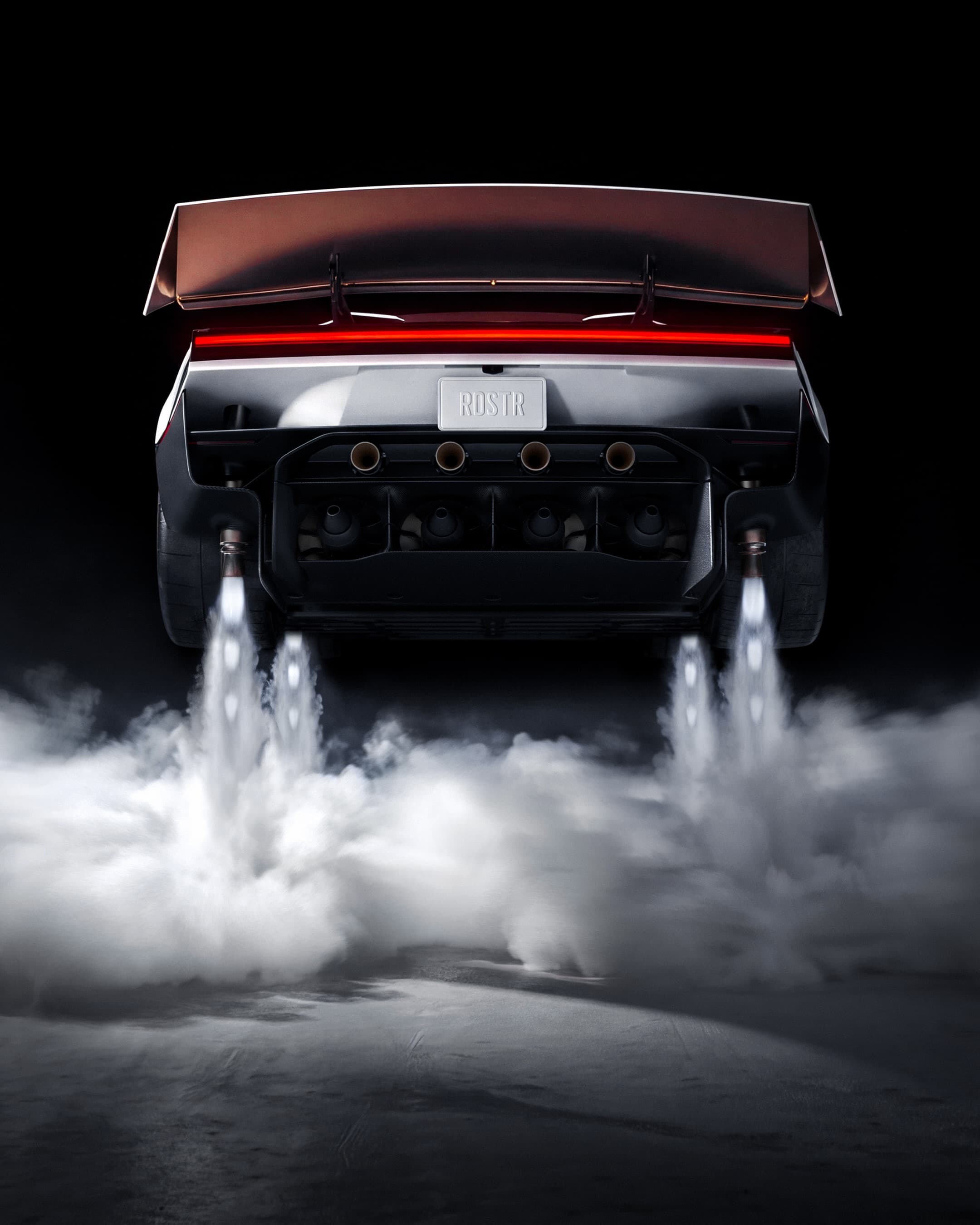
Most performance cars obsess over grip in the familiar ways, more tire, more aero, more power. The Tesla Roadster, at least as Tesla has described it, goes after the problem like an aerospace engineer with a stopwatch: active aerodynamics, a multi mode suction system, and cold gas thrusters, all in service of a car that claims it can react to driver inputs almost instantly.
Tesla Roadster aerodynamics, explained in plain language
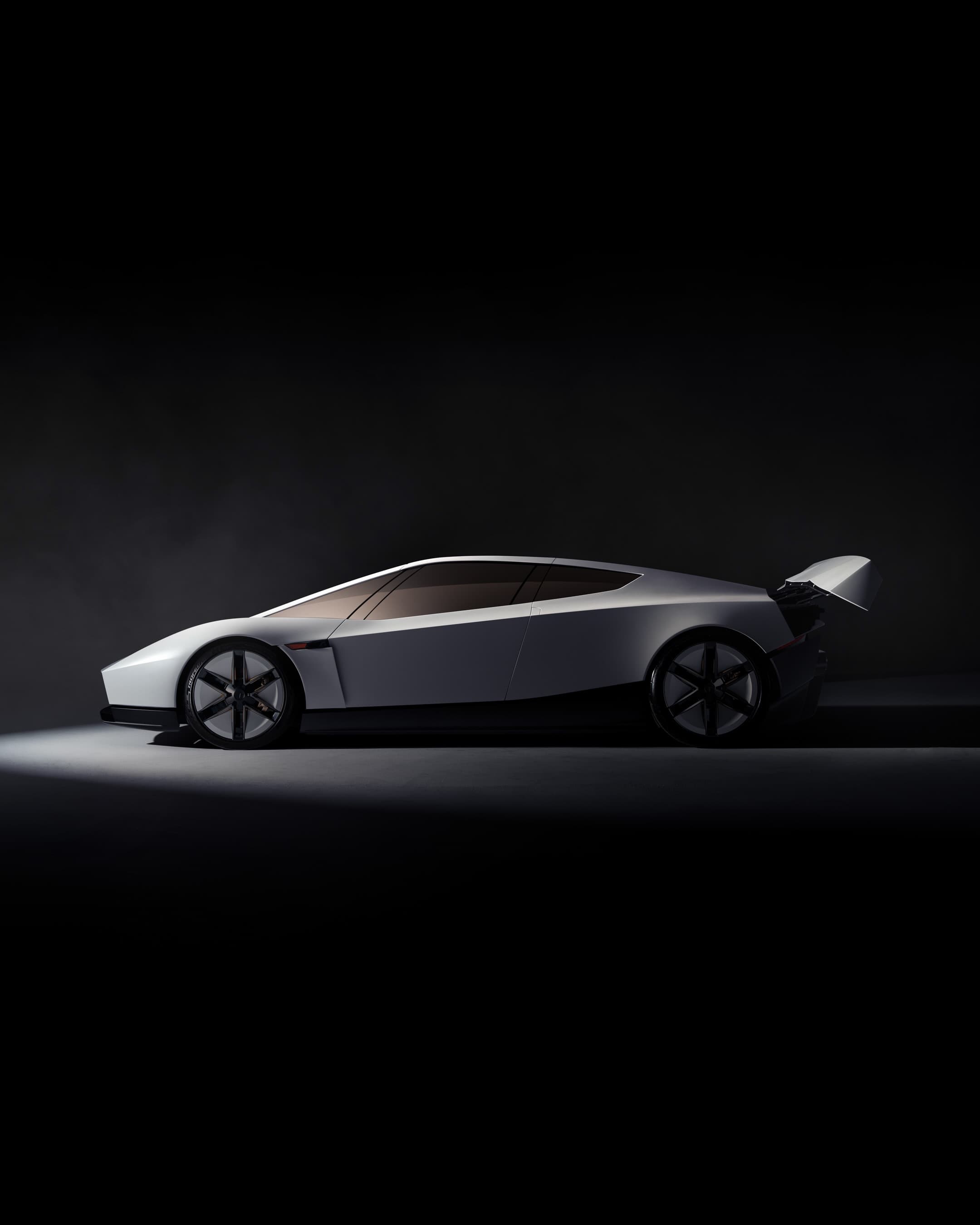
If you have only heard the headline idea, that this is a sports car with thrusters, it is easy to miss the more telling promise: downforce at zero speed. Traditional aerodynamic downforce rises with velocity. Tesla’s stated concept leans on powered airflow management and sealing, tools that do not need speed to start working.
According to Tesla’s own description, the Roadster uses a multi mode fan and ground sealing system that pulls air from beneath the vehicle. Tesla has even teased a party trick claim, enough suction to hold the car upside down while stationary. That is a dramatic statement, and it is also the clearest window into what the company wants the Roadster to be: a road legal object that borrows from race car and aircraft logic rather than adding another wing.
The rest of the Tesla Roadster aerodynamics story is more familiar, but still ambitious. Powered fans and active wings are described as maximizing traction and cornering speeds in all conditions, pushing toward high downforce even when the car is not moving fast enough for conventional aero to bite.
Cold gas thrusters, or the moment the Roadster stops behaving like a car
The most provocative line in Tesla’s Roadster outline is the “advanced cold gas thrusters” controlled by all electric actuators, making micro adjustments within a fraction of a second to stabilize the vehicle “in flight.” Those words are doing a lot of work. In automotive terms, this reads less like stability control and more like attitude control, the language you would use for spacecraft.
What matters for a driver is not the science fiction gloss, but the role: tiny corrections, quickly, to keep the car composed through rapid transitions. If Tesla can make that experience feel intuitive rather than theatrical, it would be a very different kind of driver aid, one with the immediacy of a fly by wire correction rather than a brake nibble.
For readers tracking how far performance cars are drifting into aerospace thinking, it is worth reading Tesla’s own Roadster language carefully at the source. The company frames thrusters, fans, and active surfaces as a single system, not three separate gimmicks.
Tesla’s Roadster page is where these claims are presented by the brand, including the references to suction, active wings, and cold gas thrusters.
Design as engineering: concealed lights, copper tinted glass, and “Ano White”
The exterior, as described in the brief, is a study in surfaces that try not to announce themselves. Concealed headlights, a full length tail light, and flush mounted forms point to a minimalist, highly technical shape, one that visually prioritizes airflow management over ornament.
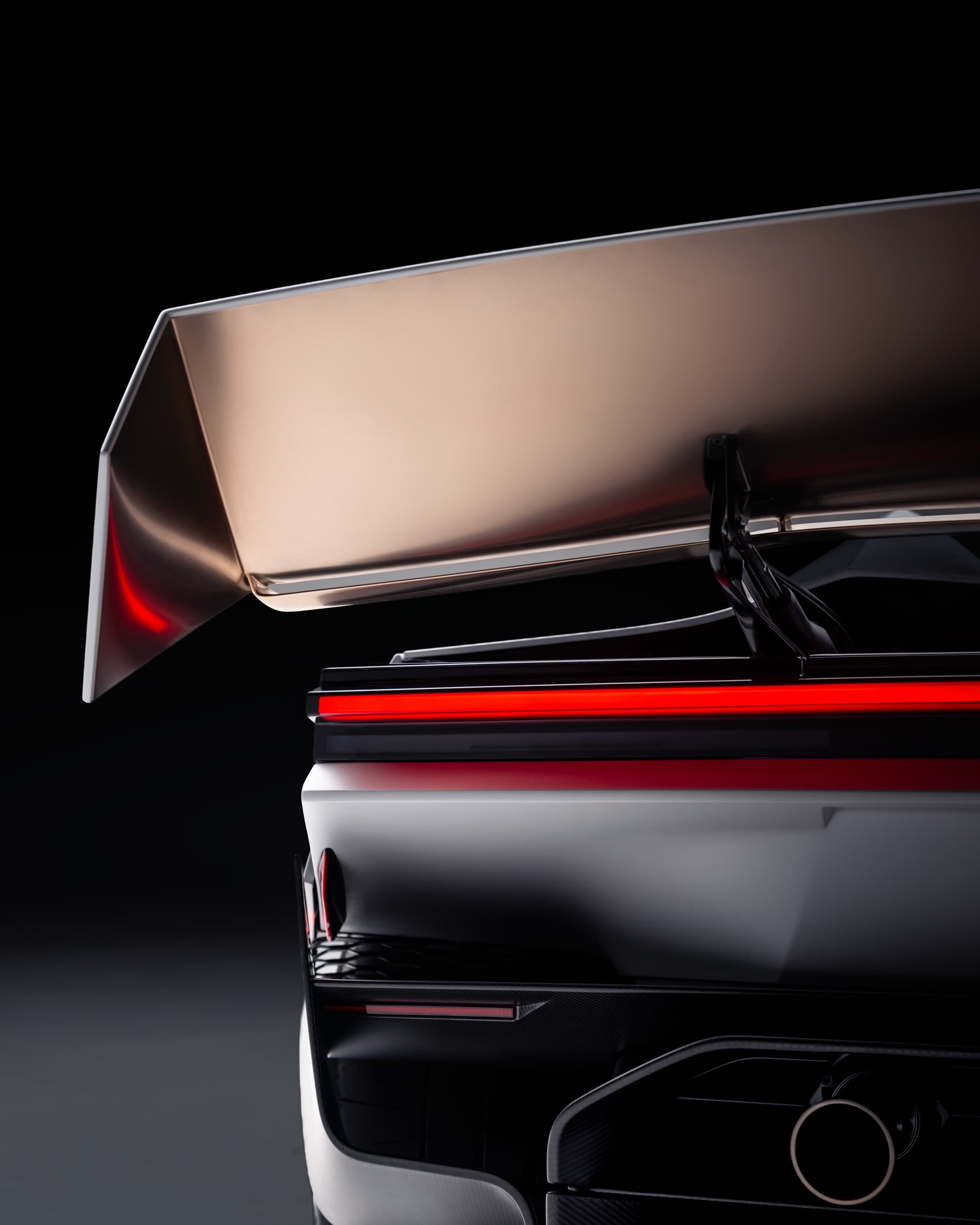
Then there is paint, an unexpectedly specific detail. Tesla calls out an “Ano White” finish with aerospace derived properties, including UV and cryogenic protection, electrostatic dissipation, and corrosion resistance. Those are not fashion adjectives, they are performance requirements, and they hint at a Roadster story rooted in materials science as much as acceleration.
The glass is described as “Gold Glazed” with a tint that mimics the copper coating of spacesuit visors, paired with titanium accents. Whether it ultimately reaches production in this form is a separate question, but the ambition is clear: the Roadster is being styled as a vehicle that has already accepted the premise of extreme heat, extreme cold, and electrical management as everyday concerns.
Wheels that do more than look fast
Tesla’s description of “super light wheels” with thin spokes that reinforce structural strength “when earthbound” is an unusual phrasing, and it underscores the theme. Even the wheel design is being narrated as a dual purpose component, aesthetic minimalism on the surface, structural intent underneath.
Inside, less theater. More control.
If the exterior leans into aerospace cues, the cabin pitch is almost stubbornly mechanical. Tesla describes an “ultrawhite” interior with gray microsuede detailing and seat bolsters for added grip. The bigger tell is the focus on mass reduction: manual controls, a fixed seat position, and an emphasis on lightweight, high strength materials including magnesium, titanium, and carbon fiber.
This is where the Roadster’s “pilot’s car” framing lands best, not in sci fi add ons, but in the discipline of reducing what can move, what can break, and what adds weight. The idea is simple: less mass, faster response. If the Roadster does arrive with anything like these choices intact, it will sit closer to a track tool’s logic than a grand touring EV’s lounge.
For a broader look at how brands are rethinking performance interiors, you might also like our Automobile stories.
Photo Credits
Images courtesy of their respective owners.