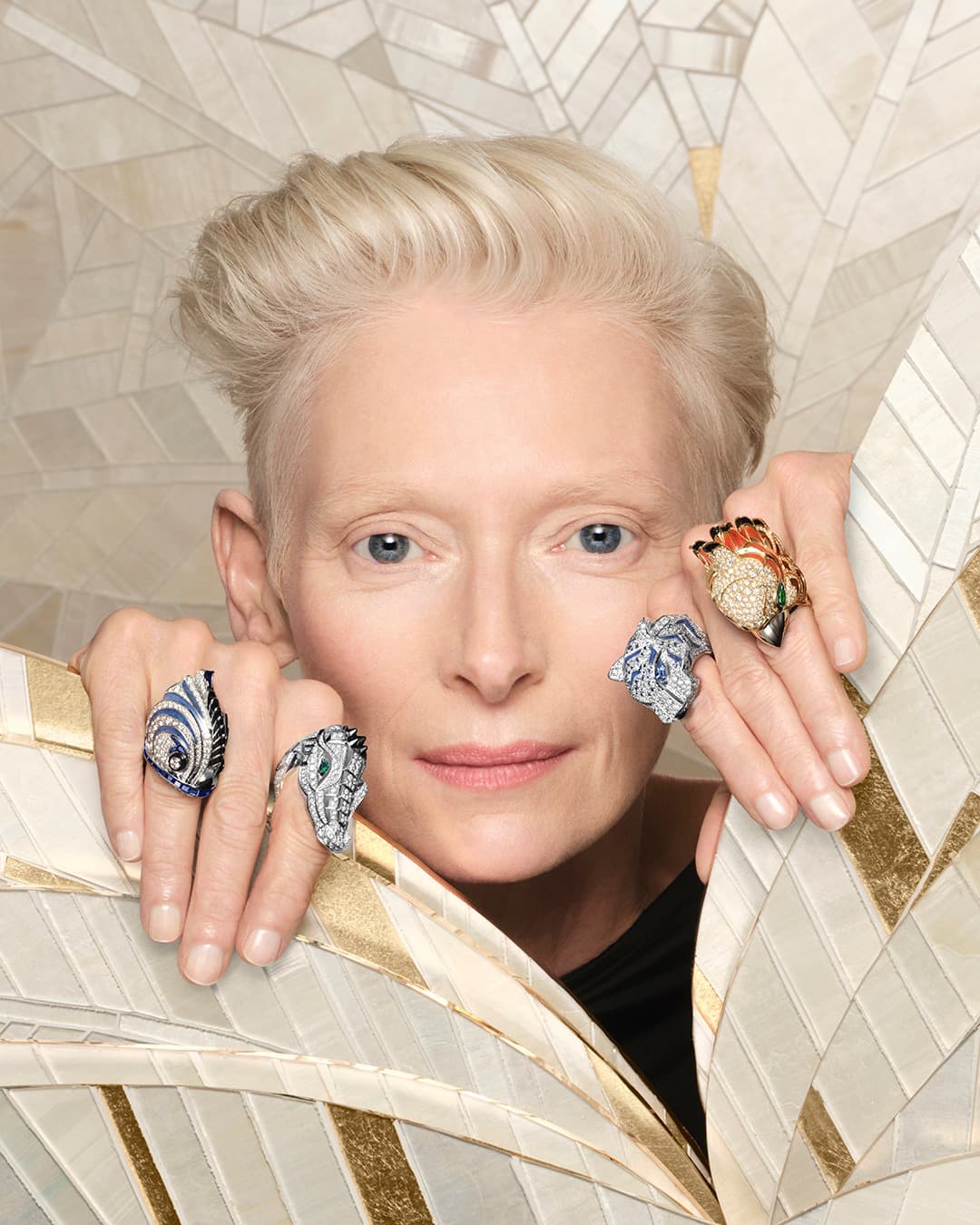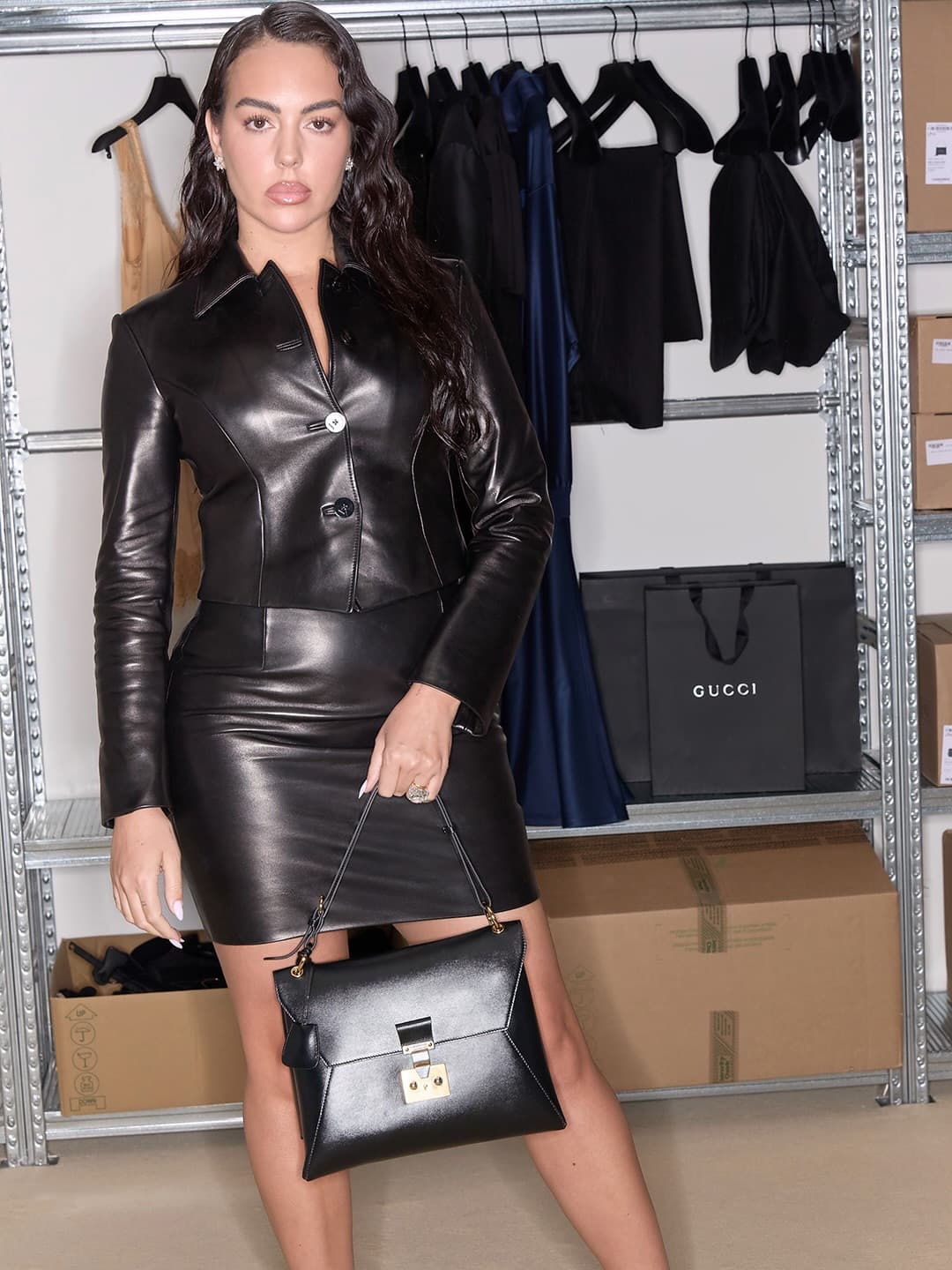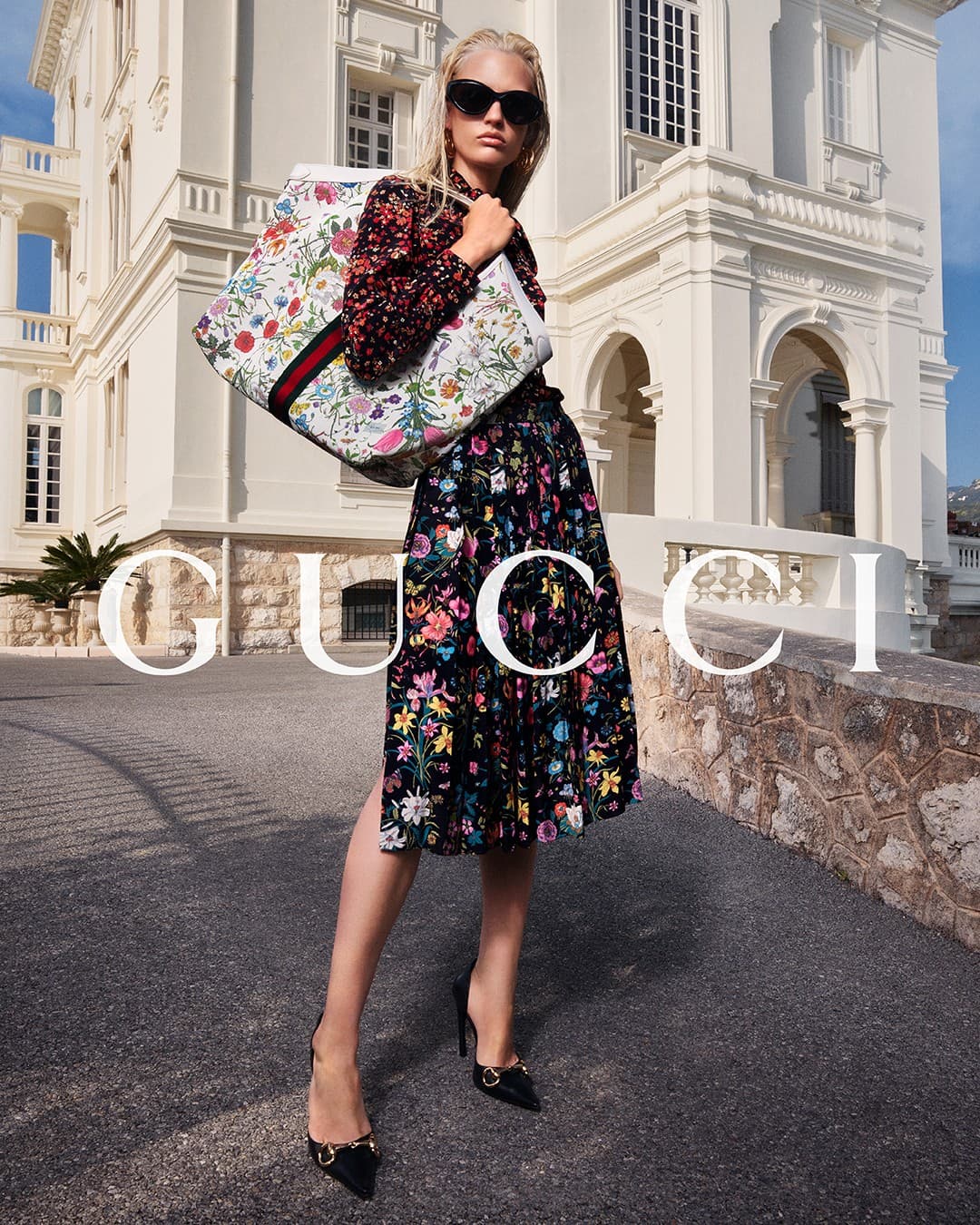
“Gucci Monte Carlo” is the sort of phrase that lands with a double meaning. It sounds like a product, then reveals itself as a place. In Kering’s own framing, it is an unveiling, and by the time the hashtag #GucciMonteCarloKERING starts circulating, the message is clear: this is a retail statement designed to be photographed, shared, and remembered long after the door closes.
Gucci Monte Carlo, explained
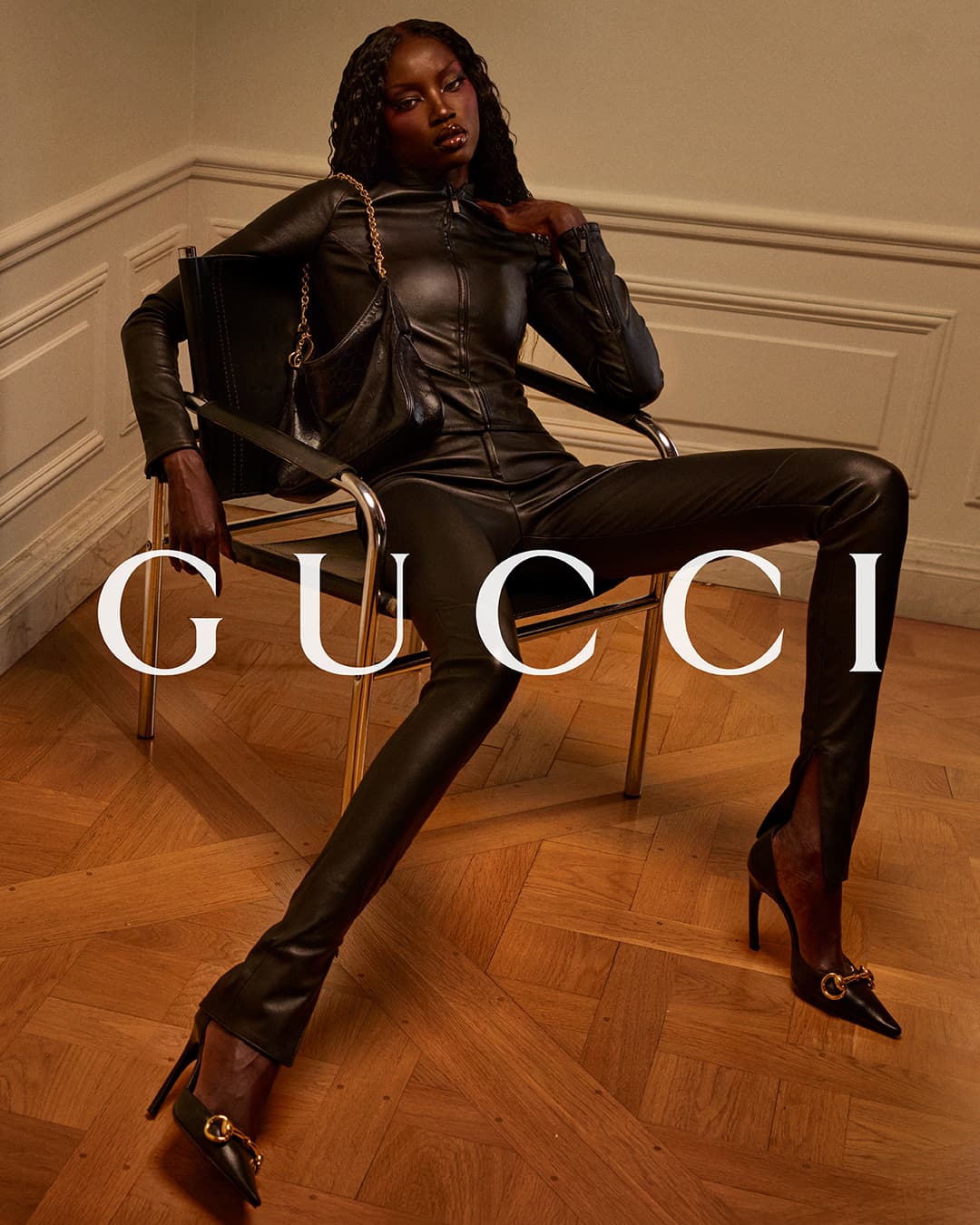
Kering, the luxury group that owns Gucci, has flagged Gucci Monte Carlo as a notable moment for the house in the Principality. The announcement signals more than simple expansion, Monte Carlo is a location where fashion retail performs in public, alongside watch boutiques, casino foot traffic, and a calendar that compresses global wealth into a few walkable streets.
Gucci has long treated destination retail as a way to sharpen the brand’s image, with store design, merchandising, and product selection doing the work of a campaign. Positioned in Monte Carlo, Gucci Monte Carlo reads as Kering putting its biggest Italian house into a context that demands polish from every surface and every square metre.
Why Kering chooses Monte Carlo for Gucci
There are cities where a boutique exists to serve locals, and cities where a boutique exists to be seen. Monte Carlo belongs to the second category. A Gucci address here slots the brand into a corridor of high jewellery, watches, and couture level shopping, plus an international audience that often arrives already dressed for the part.
For Kering, this kind of move also functions internally, as proof of continued investment in brick and mortar at a time when digital commerce is often treated as the easy answer. The best luxury stores are not warehouses for product. They are controlled environments, lighting, materials, music, scent, each one calibrated to make merchandise feel like a decision rather than an impulse. If you are going to stage that theatre anywhere, Monte Carlo is a natural set.
Retail as image making
When a group like Kering spotlights a specific boutique unveiling, it signals that the space itself is part of the story. Gucci Monte Carlo is not framed as background infrastructure. It is framed as an asset. Even without a full specification list in the initial caption, the intent is legible: this is an address built to travel on social media, and to translate the brand’s codes into interiors you can walk through.
What to watch next for Gucci Monte Carlo
The next details that matter are the concrete ones: the exact location, the opening date, and whether the store carries any boutique specific product or services. Those are usually the elements that turn a “new door” into an actual destination, and they are also the details that separate a routine opening from a strategic flex.
For now, the most checkable fact is the positioning itself: Kering is publicly tying its name to Gucci Monte Carlo, rather than letting the store speak quietly on its own. In luxury, that kind of amplification is rarely accidental.
Photo Credits
Images courtesy of their respective owners.