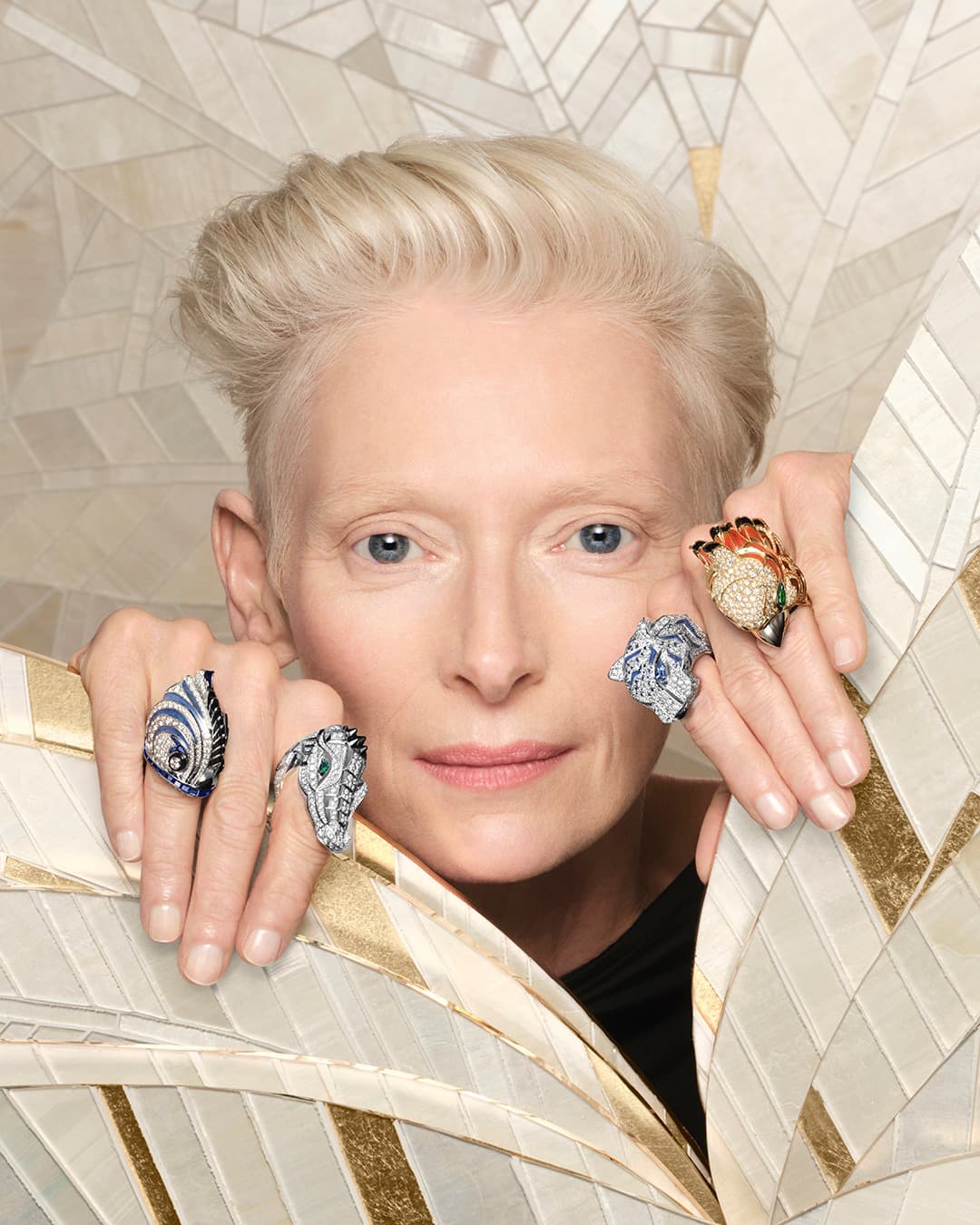
There is a particular charge when Cartier Into the Wild lands on the skin: the sensation that a jewel is not merely decorative, but observant. In the maison’s new campaign language, Tilda Swinton is cast as a natural match for Cartier’s menagerie, a face that can hold stillness and intensity in the same frame while metal and stone do their own kind of acting.
Cartier Into the Wild: why the maison keeps returning to animals
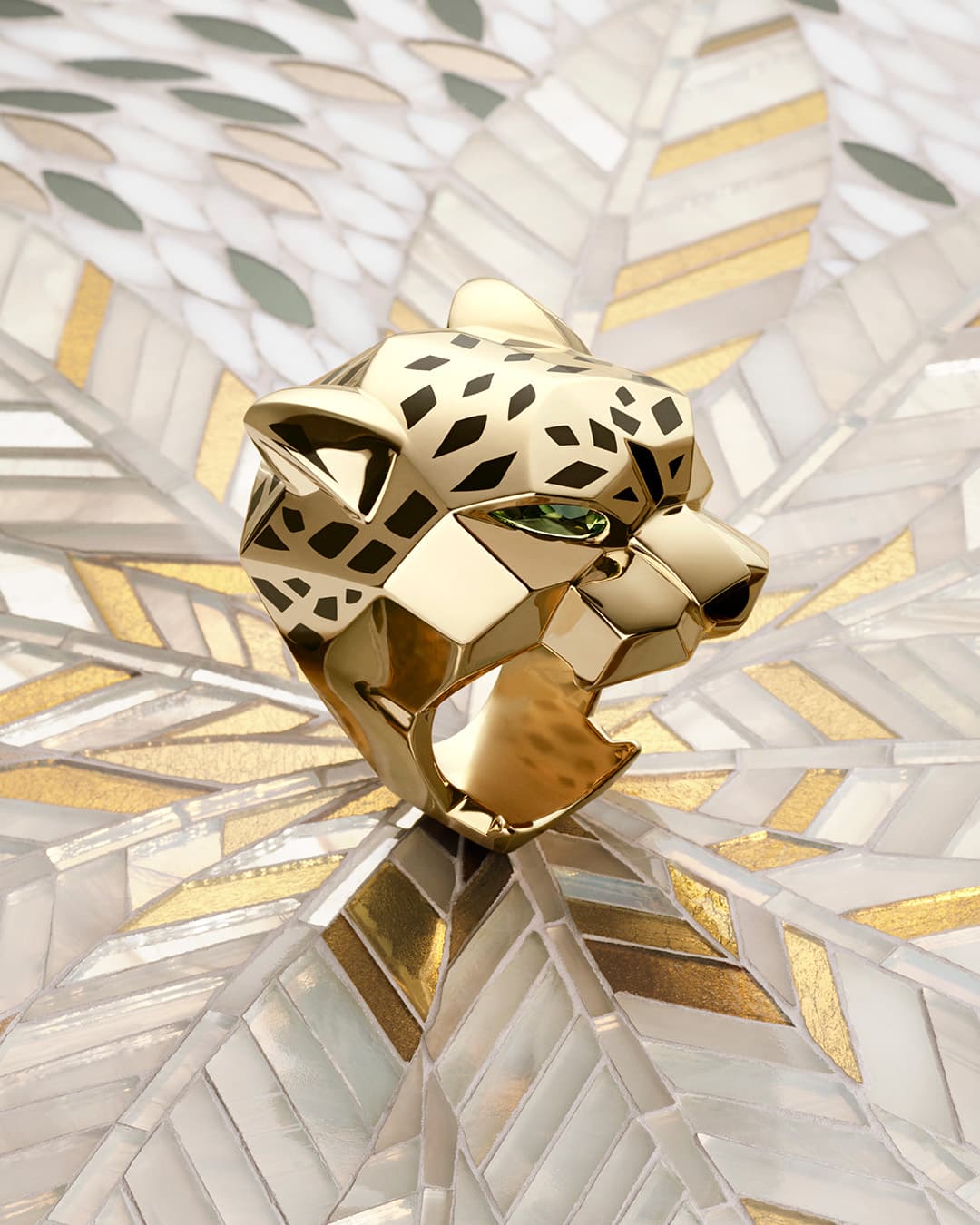
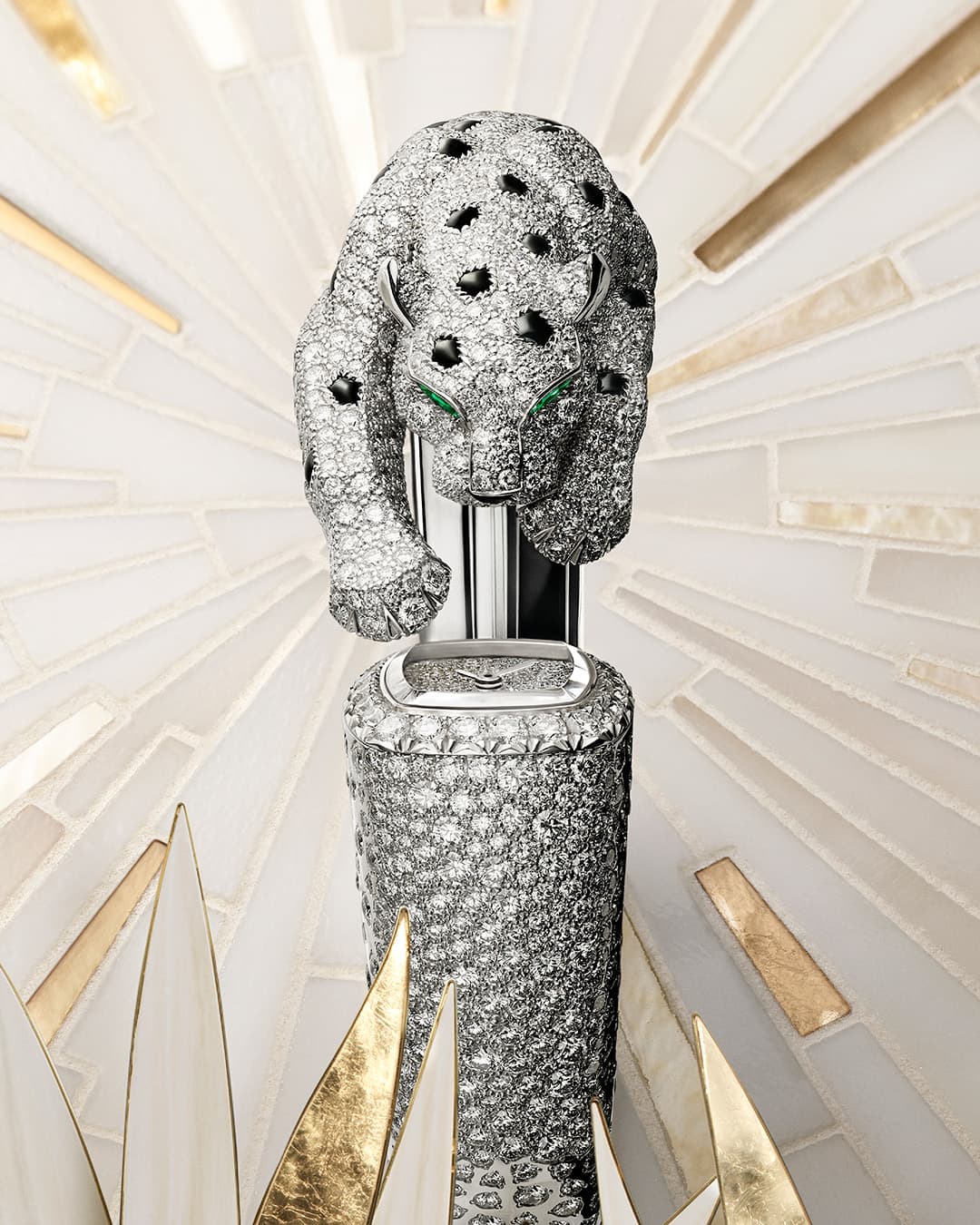
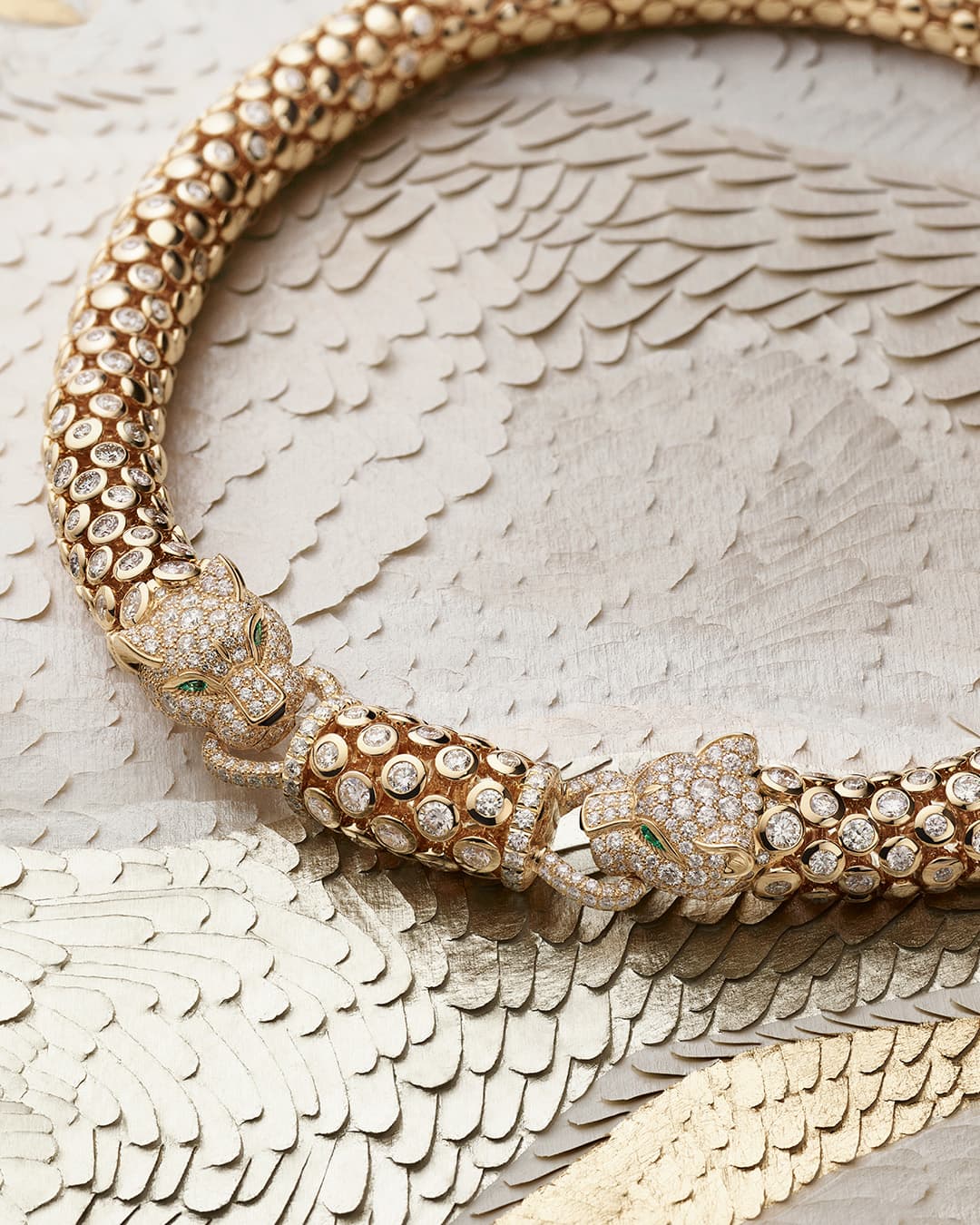
Cartier’s wildlife is not a seasonal whim, it is one of the house’s most consistent signatures. The panther in particular has been part of Cartier’s visual world for more than a century, appearing in imagery and objects long before it became shorthand for a certain kind of Parisian glamour. It makes sense, then, that Cartier Into the Wild is framed less as a departure than as a tightening of focus: precious materials, bold outlines, and animals rendered with a mix of realism and invention.
In practice, Cartier’s best animal pieces work because they understand anatomy. A curve has to look like it could flex. A head has to feel alert. Even when you cannot ID every stone at a glance, you can read the posture, and posture is storytelling.
Tilda Swinton’s Cartier moment is about character, not costume
Swinton has spent her career refusing the obvious version of magnetism, which is why she fits Cartier Into the Wild so neatly. Cartier is not dressing her as a “muse” in the soft-focus sense. The casting leans into her ability to make stylisation feel exacting, as if each choice was made for the silhouette and the light rather than for sentiment.
That matters with animal jewellery, which can collapse into cliché if the wearer is treated as a backdrop. With Swinton, the relationship becomes a duet. The jewellery gets to look like it has its own temperament, and she is never asked to dilute hers to accommodate it.
The campaign cue we can actually verify
The line that anchors the post says it plainly: “Magnetic, unique and endlessly expressive, Tilda Swinton shares a natural affinity with the Maison’s repertoire of bold and precious wildlife,” tagged #CartierIntoTheWild. That hashtag matters because it marks the campaign as a defined story world, not a one-off celebrity placement. You can see the campaign identification directly from Cartier’s official channels, including the maison’s site and social platforms.
What makes Cartier’s “wildlife” language feel modern right now
Celebrity jewellery culture has been swinging back toward pieces with plot. Not simply scale, not only diamonds, but objects that signal taste through design decisions you can describe: the insistence on a specific animal, the way the body wraps, the choice to let negative space do some of the work. Cartier’s animal repertoire is unusually legible in photographs, which is why it thrives in campaigns. You do not need to be inches away to understand what you are looking at.
In that sense, Cartier Into the Wild is a smart fit for the current image economy. The jewellery carries narrative at thumbnail size, and Swinton brings the kind of face that does not compete with it, it sharpens it.
If you’ve been tracking how high jewellery and celebrity casting keep circling back to symbolism, this is one of the clearest examples: a maison with an archive of animals, and a performer whose presence can make an object feel like a character study.
Photo Credits
Images courtesy of their respective owners.