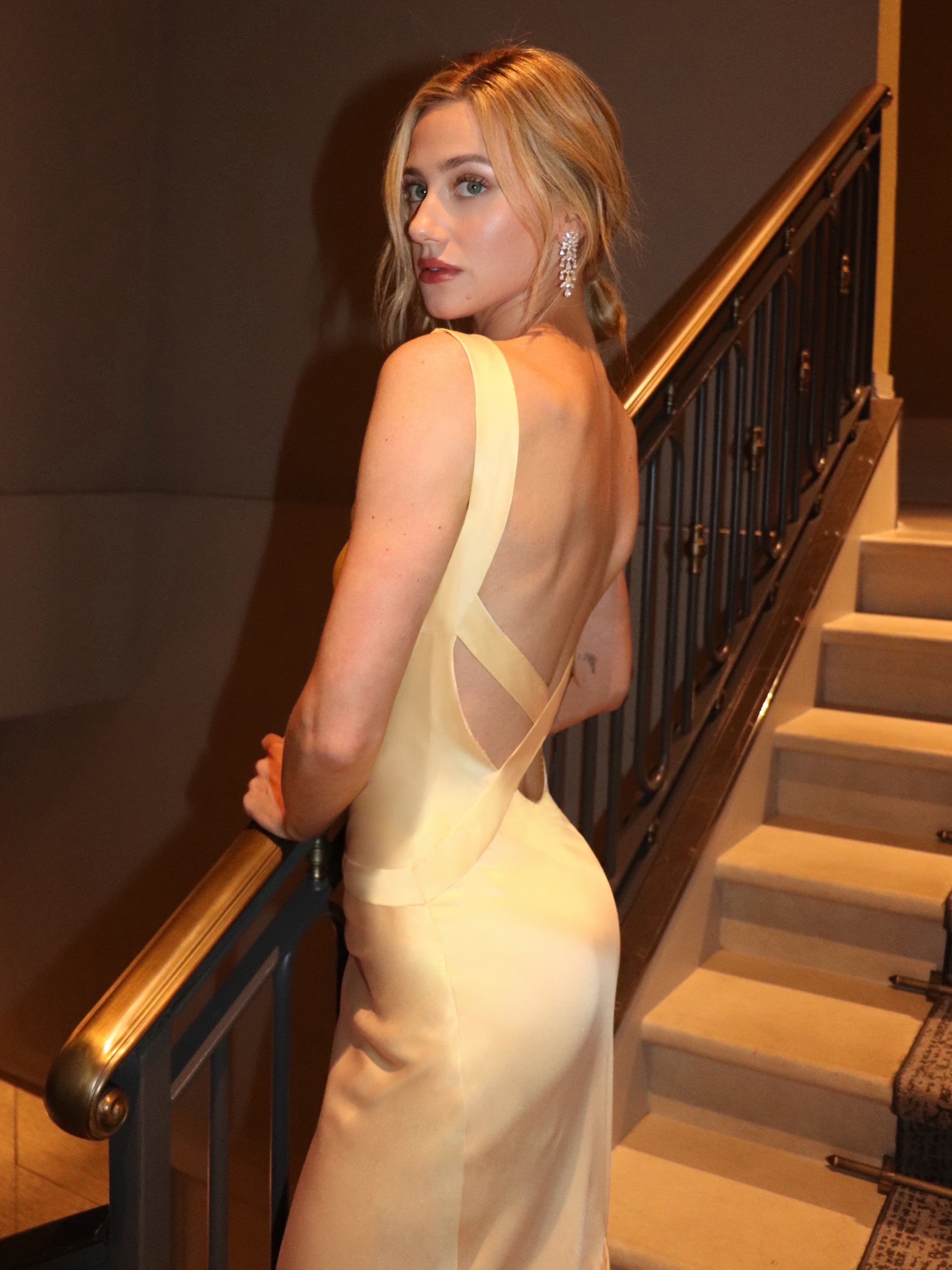
When Lili Reinhart captioned her post “you probably think this song is about you ⭐️” and added that she was paying homage to Kate Hudson in How to Lose a Guy in 10 Days, she did more than nod at a beloved rom com. She lit up a familiar fuse: Kate Hudson How to Lose a Guy in 10 Days outfit as a piece of shared visual shorthand, instantly legible even when the details shift.
Why the Kate Hudson How to Lose a Guy in 10 Days outfit still lands


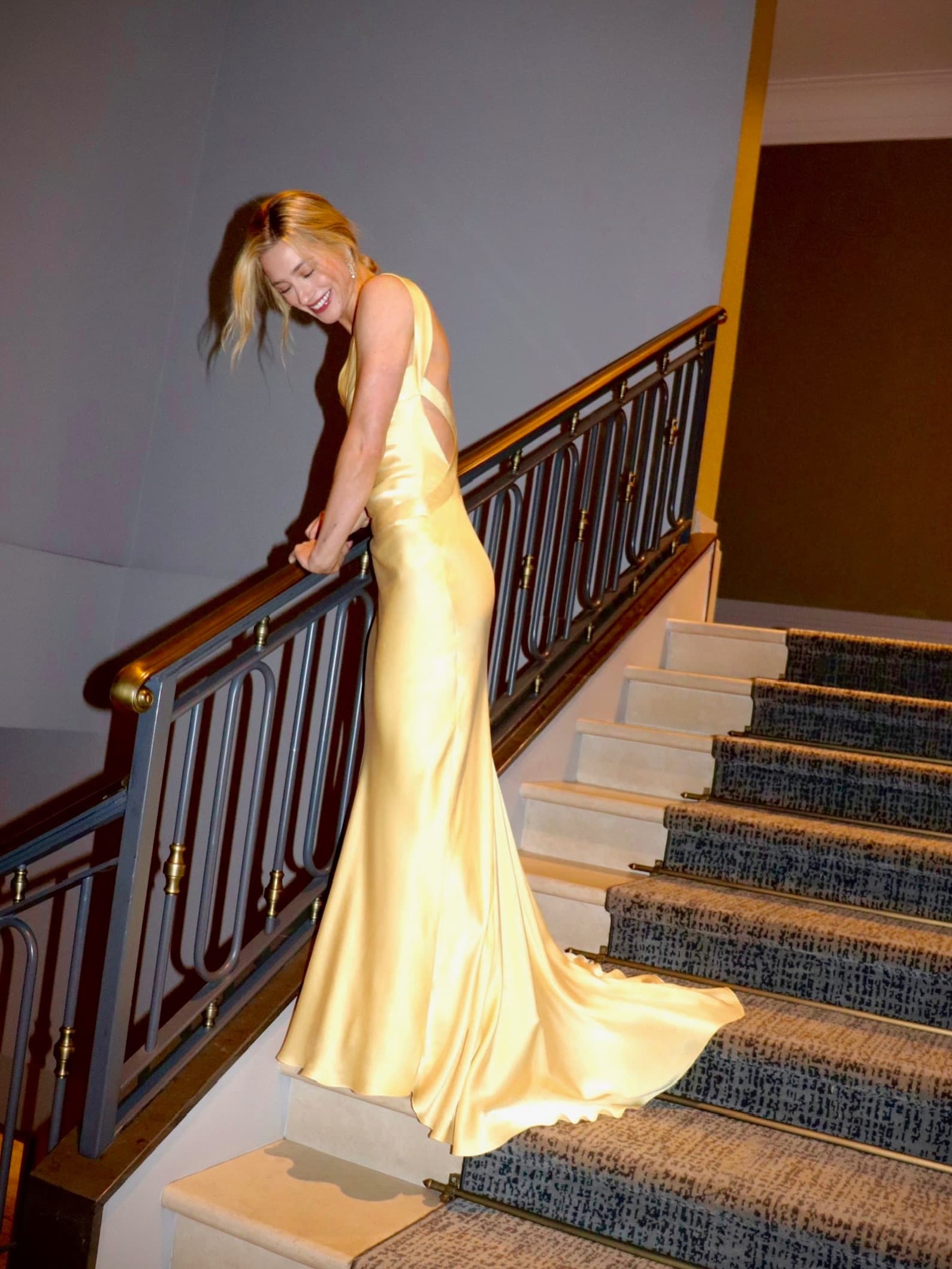
The enduring pull of the Kate Hudson How to Lose a Guy in 10 Days outfit is not nostalgia as decoration, it is clarity. The film’s styling, particularly Hudson’s look-as-plot device wardrobe, treated clothes as conversational ammunition. A dress could be a strategy, an entrance could be a punchline, and a necklace could be a thesis. That makes it unusually pliable for today’s celebrity homage culture, where the point is recognisability at a glance, plus a twist that proves the wearer is in on the joke.
Reinhart’s caption is doing a lot of work, too. “You probably think this song is about you” is, of course, a direct nod to Carly Simon’s “You’re So Vain,” a lyric that has become a caption template for flirtation, shade, and self-aware performance. In other words, the text and the reference are in alignment: the homage is meant to be read, fast.
A rom com reference in 2026 is shorthand, not costume
There is a fine line between reenactment and reinterpretation, and the best celebrity homages know where to place the weight. A straight replica can feel like a museum display. A sharp reference, on the other hand, signals taste, timing, and a working knowledge of what the internet has already decided is iconic. The Kate Hudson How to Lose a Guy in 10 Days outfit sits in that sweet spot because it has been repeatedly recirculated, clipped, memed, and search-barred into permanence.
Reinhart’s choice to name Hudson and the film directly is telling. In the current celebrity style ecosystem, an unnamed reference is often lost in the feed. Naming the moment makes it participatory, an invitation for followers to locate the scene in their own memory, then compare it to what they are seeing now.
The real engine: pop culture wardrobes as communal memory
What makes rom com fashion so reusable is how it functions socially. These clothes were never just “good outfits.” They were plot points viewers absorbed alongside the dialogue, which is why a modern homage can trigger a whole scene, not merely a silhouette. It is the sort of reference that carries lighting, music cues, and a specific New York fantasy in its wake, even when the photo is taken somewhere else entirely.
This is also why the Kate Hudson How to Lose a Guy in 10 Days outfit keeps turning up in conversations about contemporary dressing. Trend cycles may change, but shorthand does not. The best-known screen wardrobes end up behaving like standards in jazz: endlessly replayed, constantly reinterpreted, always requiring the performer to bring something personal to the baseline.
Where the homage goes next
If Reinhart’s post proves anything, it is that rom com style is no longer a guilty pleasure reference. It is a working language, one that lets celebrities communicate character, humour, and a little romantic bravado in a single image.
For more on fashion that lives beyond the runway, explore our Culture stories. If you are tracking celebrity style as narrative rather than shopping list, start with Celebrity.
Photo Credits
Images courtesy of their respective owners.