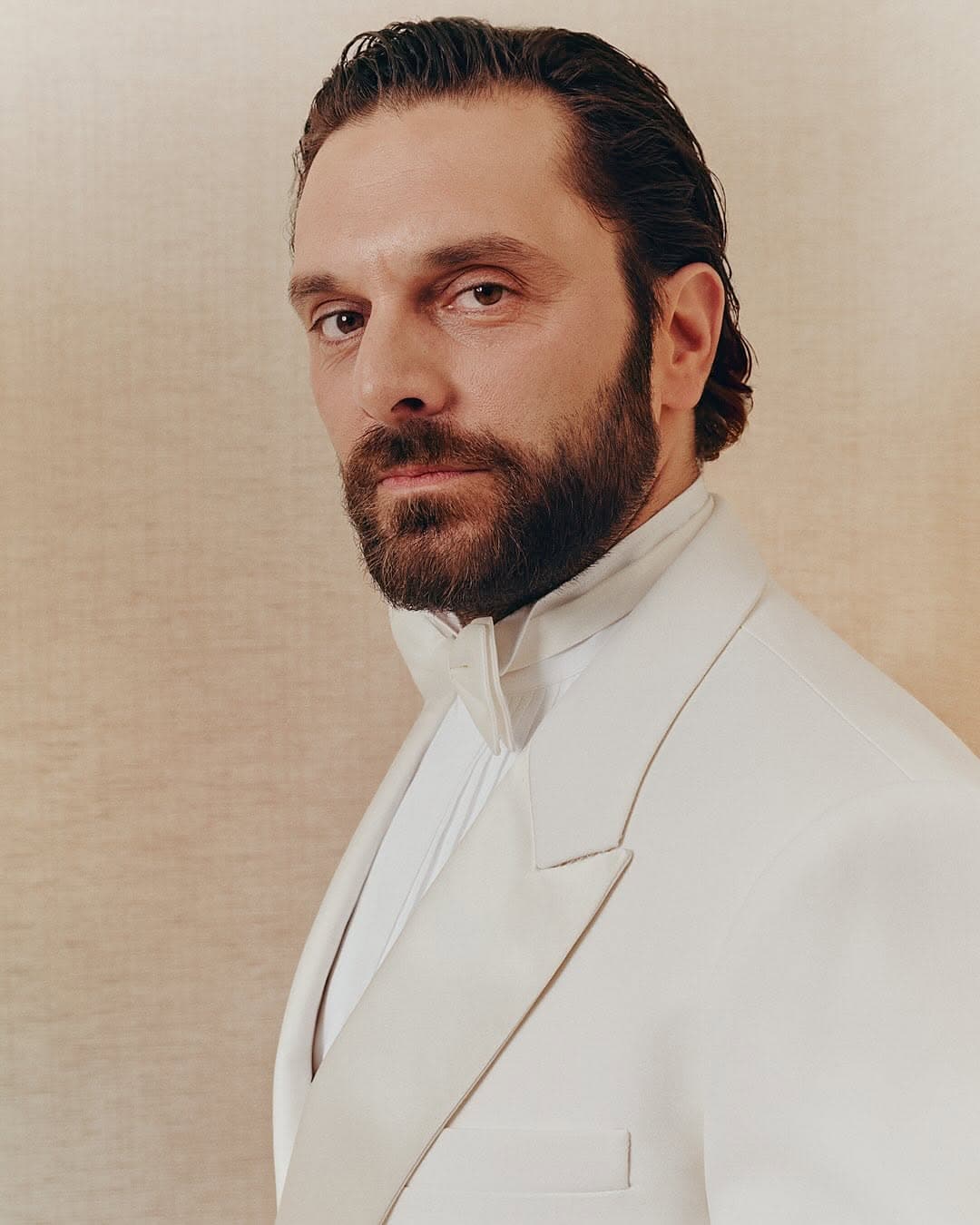
Cannes is never just a festival, it is a live edit of culture in real time. In 2026, as premieres spilled out onto the Croisette with that particular Riviera hush, Louis Vuitton at Cannes 2026 made a persuasive case for fashion as part of the cinematic language, not merely its backdrop. The House dressed Friends of the House Pio Marmaï and Vimala Pons, alongside Léa Drucker, Toheeb Jimoh, and Shizuka Ishibashi, in custom creations shaped by two distinct creative signatures, Nicolas Ghesquière and Pharrell Williams. Different registers, same point of view, clothing with a narrative pulse.
This was not costume for the red carpet, and it did not chase the obvious photograph. Instead, the looks read like character studies, precise, slightly mysterious, and conscious of the camera without pandering to it. Cannes rewards that kind of restraint. It always has.
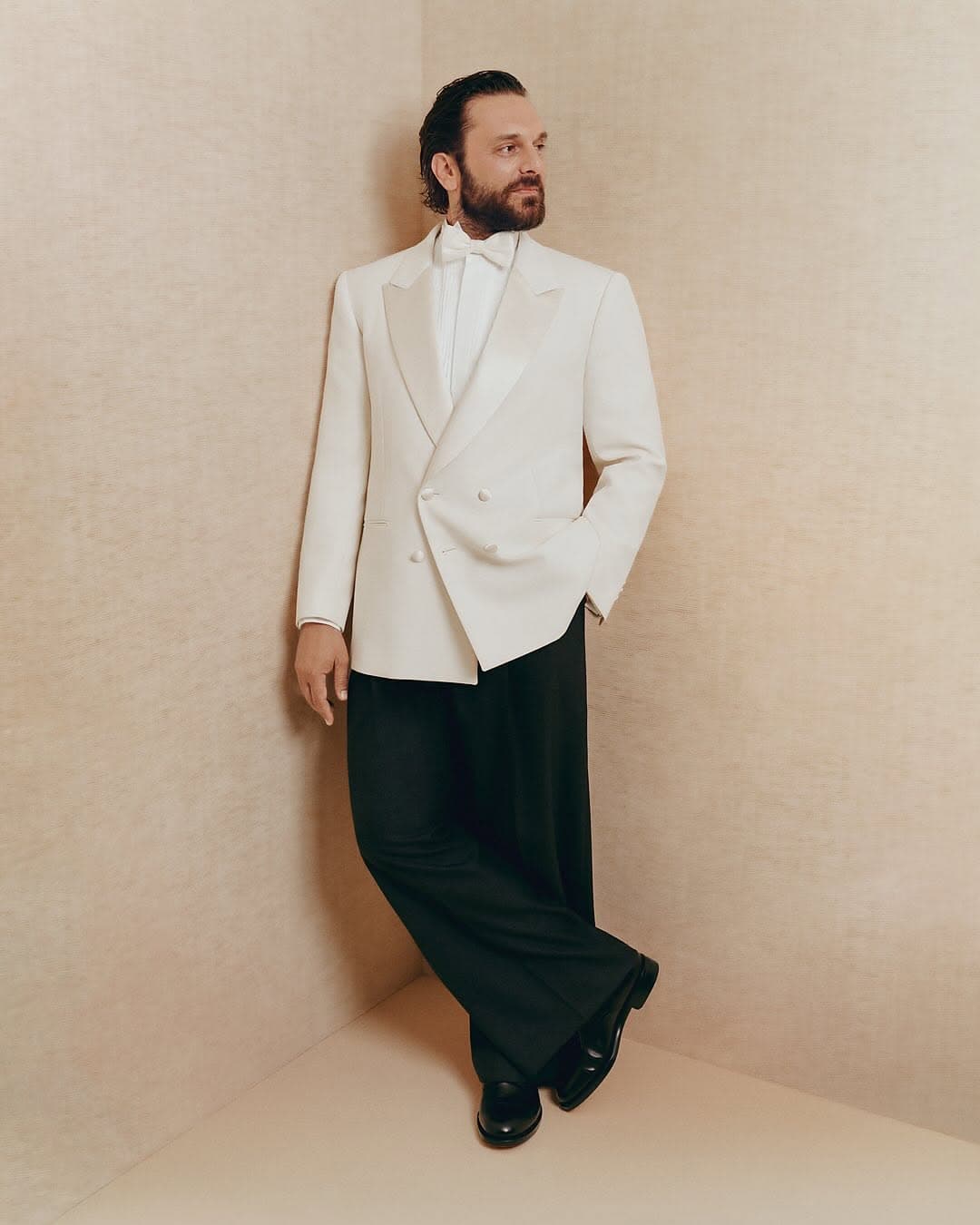
Louis Vuitton at Cannes 2026, a House fluent in cinema
There is a particular confidence in the way Vuitton approaches a major French ceremony: the assurance of a House that understands legacy, but refuses to mummify it. Under Louis Vuitton, the red carpet becomes a moving set, and tailoring turns into a form of direction. Ghesquière brings his trademark tension between structure and futurism, the clean line that still suggests a complication. Pharrell, meanwhile, understands spectacle, but he is shrewd about where to place it, letting a sharp proportion or a knowing finish do the heavy lifting.
For readers who care as much about the films as the clothes, this year’s slate of talent mattered. Pio Marmaï and Vimala Pons appear in La Vénus électrique, Léa Drucker stars in La Vie d’une Femme, Toheeb Jimoh leads Clarissa, and Shizuka Ishibashi appears in Nagi Notes. A good Cannes wardrobe does not flatten these people into a single red carpet archetype. It gives each one room to stay themselves, only more sharply in focus.
Vimala Pons and the quiet power of jewelry done properly
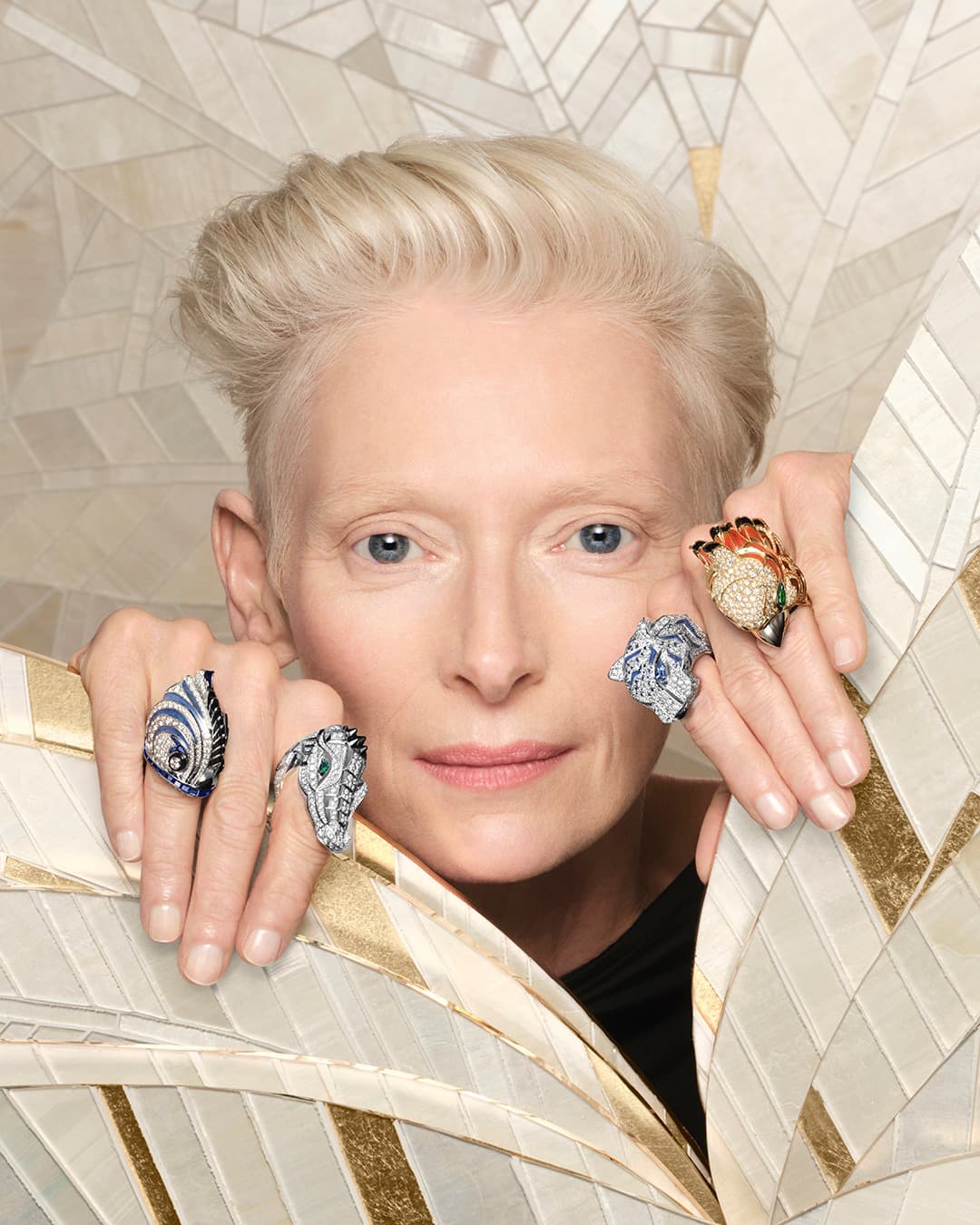
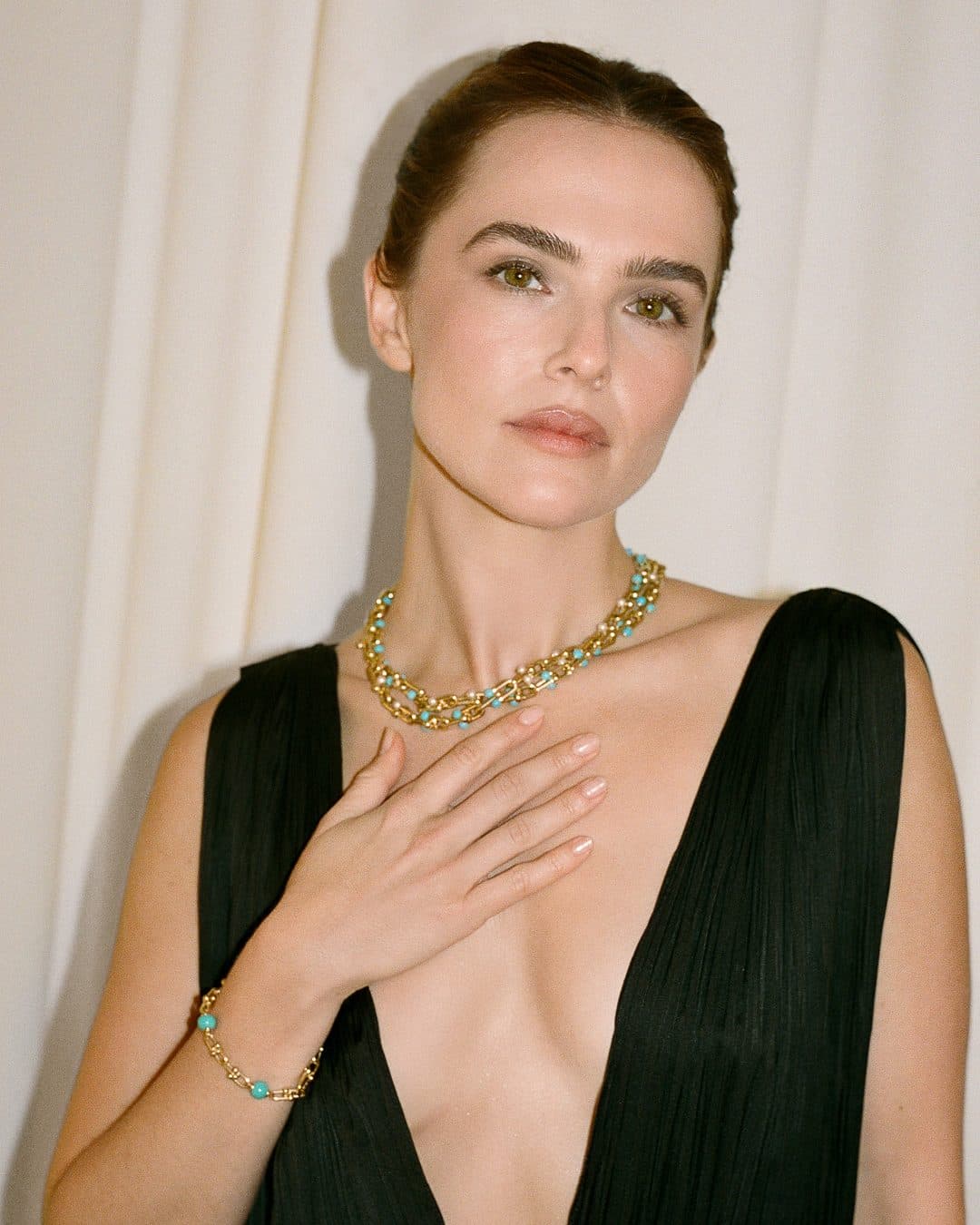
To accompany her custom look, Vimala Pons wore bespoke High Jewelry pieces from the House, a choice that felt less like adornment and more like punctuation. Great jewelry at Cannes should not compete with a face, it should frame it. Bespoke, by definition, is intimate, the kind of craft that sits close to the skin and rewards the viewer who lingers. In the festival’s harsh flash photography, that intimacy becomes a kind of rebellion.
Pio Marmaï, Léa Drucker, Toheeb Jimoh, Shizuka Ishibashi, style with a point of view
What ties this group together is not sameness, but intent. You could sense the atelier thinking about movement, about how a shoulder reads when someone turns toward a director, how a silhouette holds when the steps demand a certain pace. Cannes is performative, yes, but it is also physically demanding, and the best custom work acknowledges that reality.
Drucker’s presence carried an actor’s clarity, the confidence of someone who understands that less can be more when every camera is hungry. Jimoh brought a modern ease that still held its line, a reminder that elegance does not require stiffness. Ishibashi’s look felt calibrated, not loud, but undeniably deliberate, a kind of visual poise that translates beautifully in the festival’s endless crossfire of lenses.
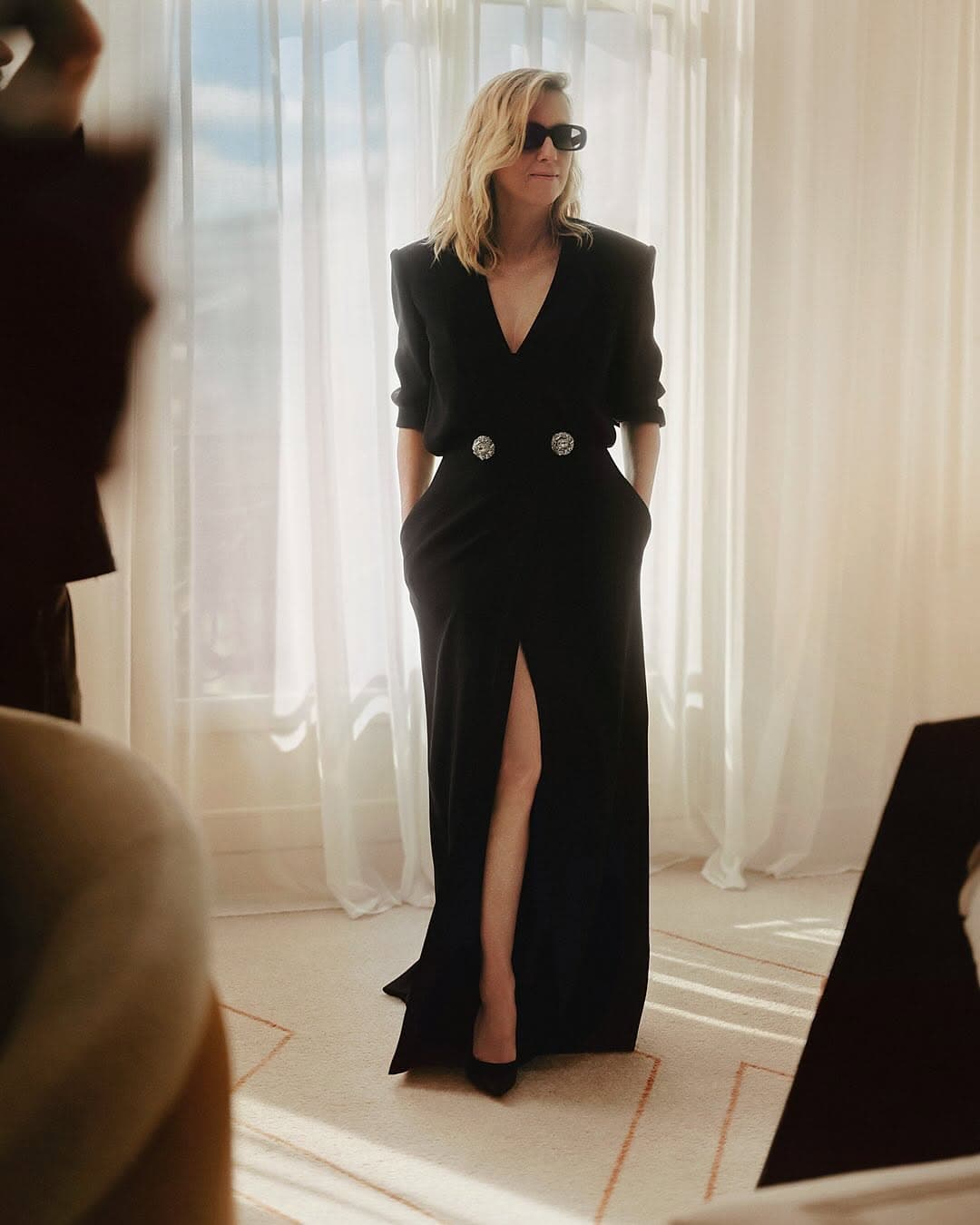
The Cannes 2026 red carpet, and why Louis Vuitton still matters
The Croisette has always been a barometer, not simply for hemlines, but for the cultural mood. The best red carpet fashion at Cannes does something quietly radical, it suggests how we want to be seen. In 2026, Vuitton’s message was control without coldness, glamour with intelligence, and craft that resists the churn of trend.
If you want to zoom out, it also sits neatly within the festival’s own self regard about artistry. Cannes does not just celebrate new releases, it consecrates the idea of cinema as a serious art form. It is why the ceremony still carries weight, and why deft fashion choices land as more than decoration. For the broader context of the festival itself, the official programme and announcements at the Festival de Cannes remain the clearest compass.
For a wider look at the House’s runway language and how it filters into custom red carpet work, it is worth revisiting Vogue’s fashion coverage, where the conversation around modern tailoring and celebrity dressing stays refreshingly specific when it is done well.
Where this fits in the bigger Best Magazine conversation
If Cannes is your annual reminder that culture is a full body experience, you might want to linger in our Fashion coverage, where the red carpet is treated as a language rather than a scoreboard. For the wider cinematic atmosphere, our Culture stories follow the way films travel into the rest of life. And if it is the House perspective you are after, from craft to the psychology of luxury, our Luxury section is where we keep the conversation honest.
Because the truth is, Louis Vuitton at Cannes 2026 did not feel like a brand chasing the moment. It felt like a House shaping one, with the patience to let cinema lead and the confidence to let clothing support the story. That is the rarest kind of red carpet success, the kind you remember after the flash fades.
Photo Credits
Cover image courtesy of Louis Vuitton. Additional images courtesy of their respective owners.