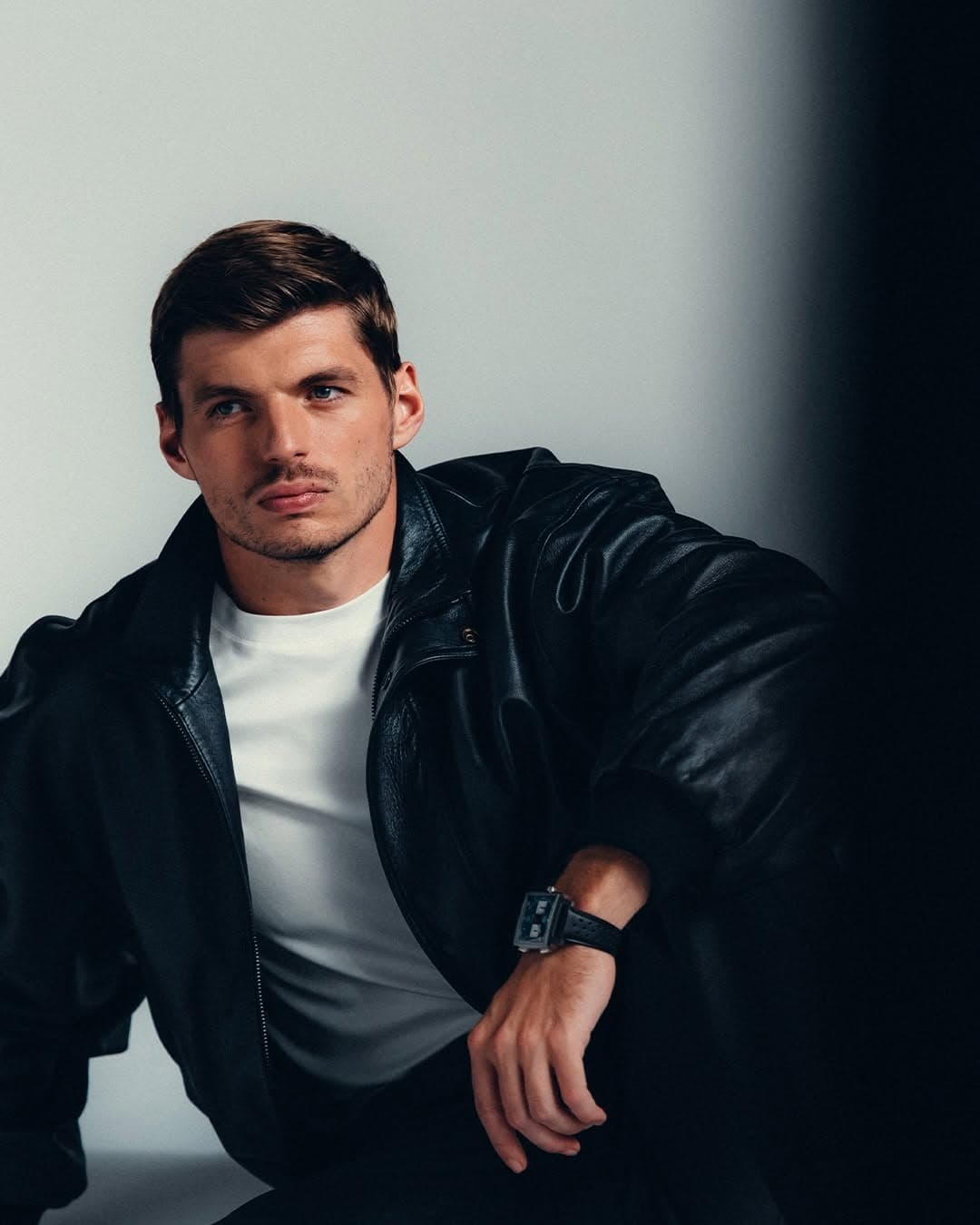
On set with Max Verstappen, the TAG Heuer Monaco reads less like a piece of jewelry and more like a habit. It sits on the wrist with the quiet, insistent logic of a good tool, the kind you reach for without thinking. The racing day may end, the helmet may come off, but the posture of precision remains, and so does the watch. In a sport where millimetres become headlines, the Monaco feels like an object designed for the hours that follow victory, the debrief, the travel, the long corridor back to yourself.
There is a particular glamour to Formula 1 that has nothing to do with champagne. It is the choreography of competence, the way a team moves around a car as if pulled by the same metronome. Verstappen embodies that tempo. Even off track, he carries the atmosphere of someone who has already rehearsed tomorrow. Pair him with the Monaco, a watch that has always preferred sharp angles to soft focus, and the story writes itself in clean lines.
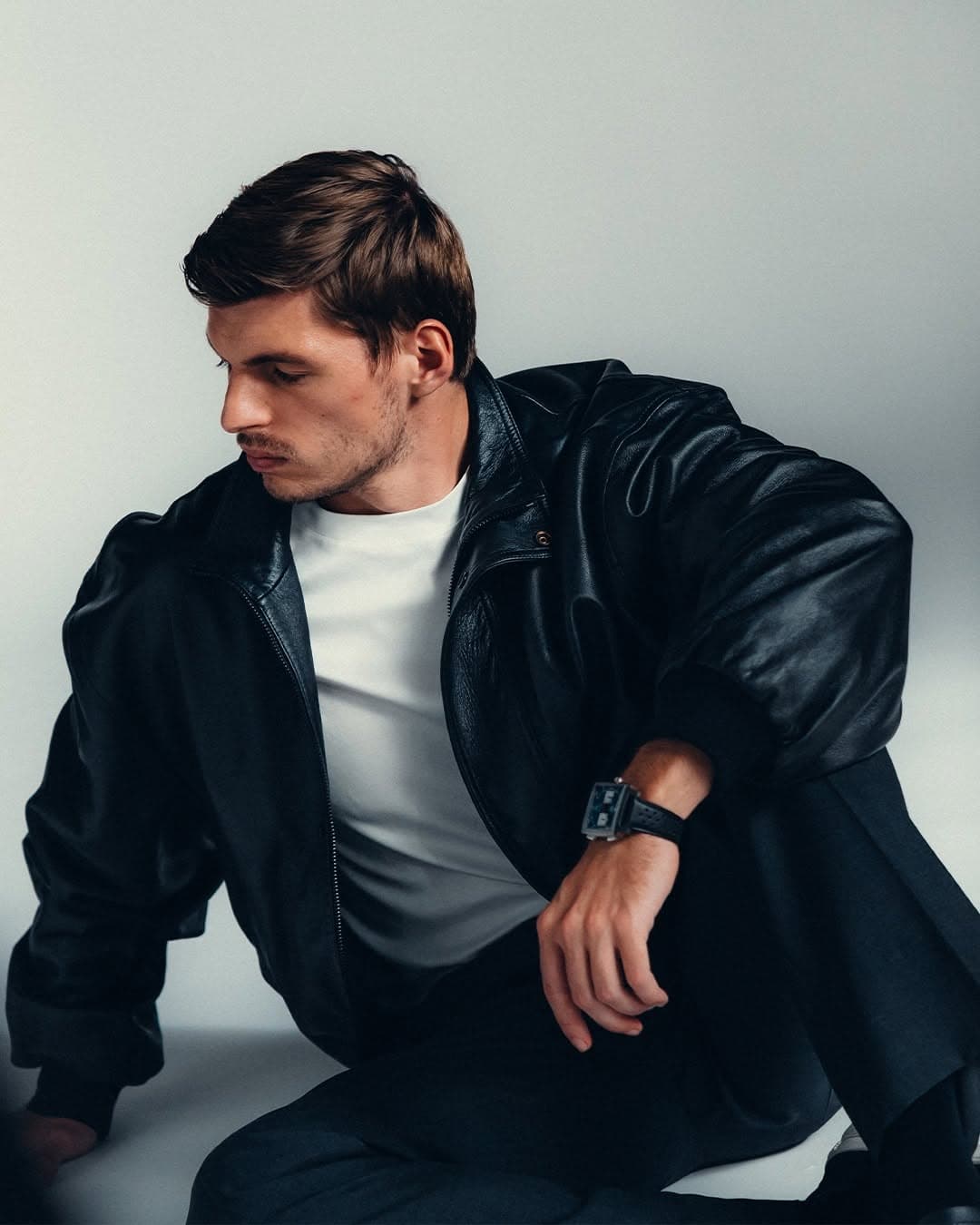
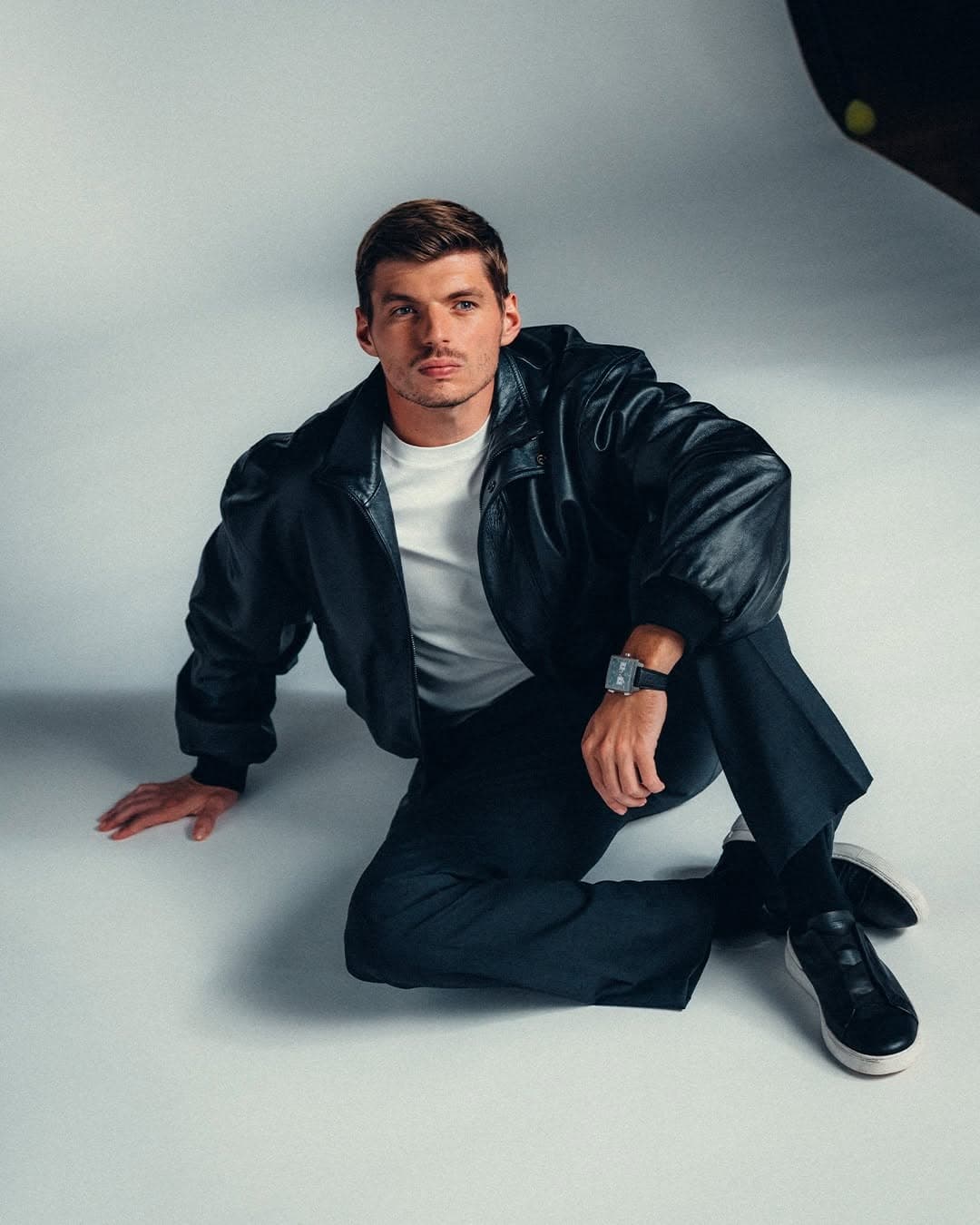
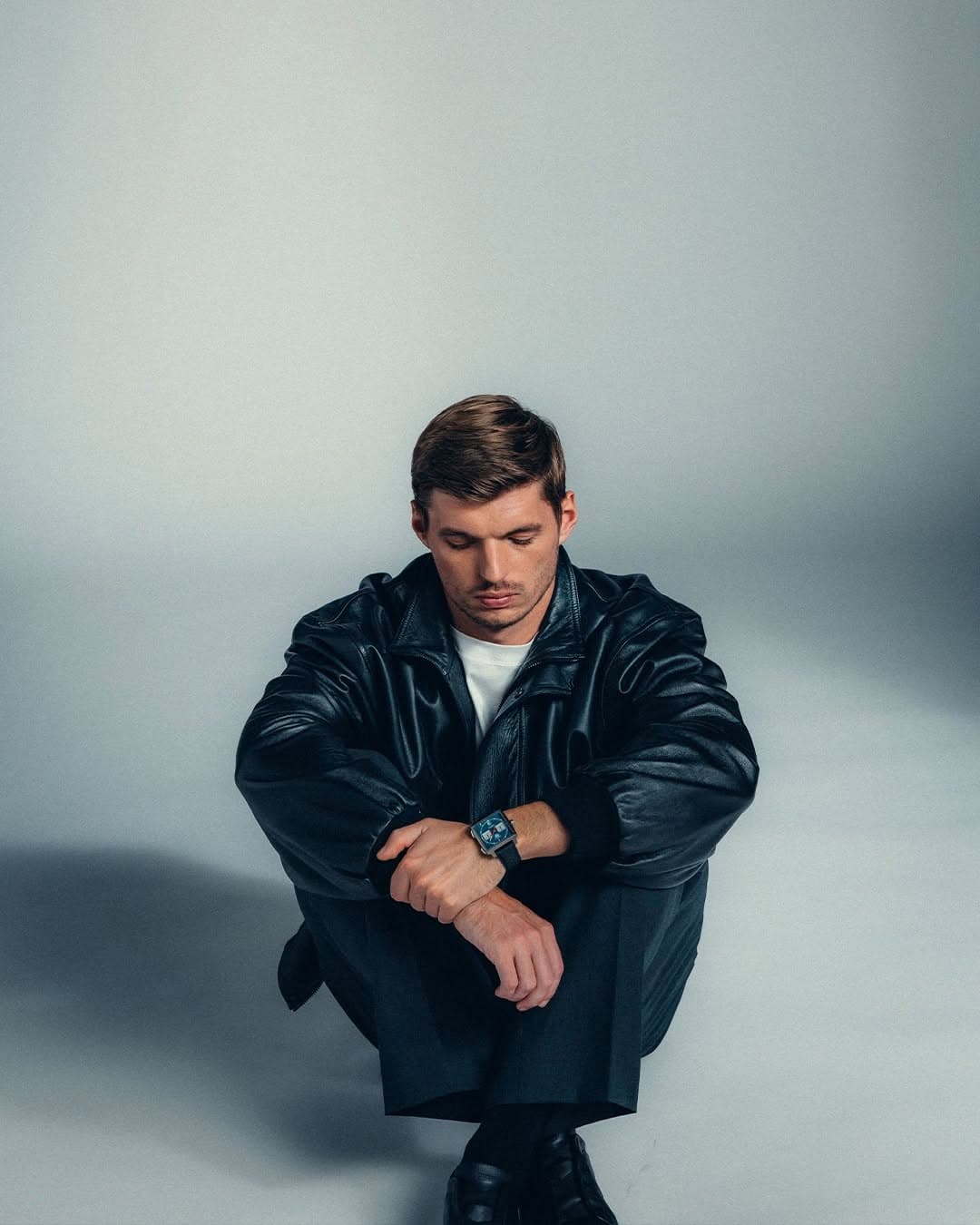
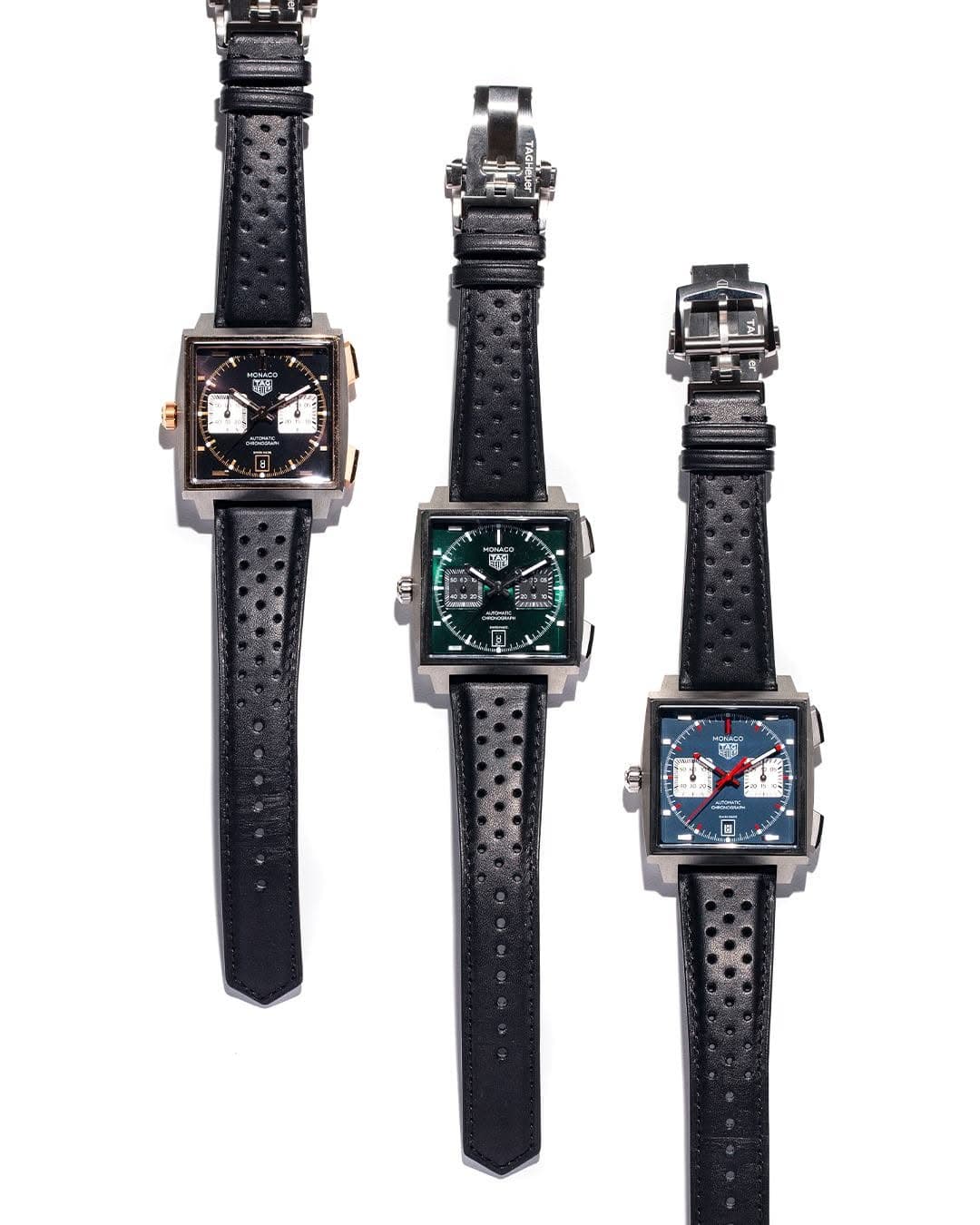
On set with the TAG Heuer Monaco, a watch that refuses to slow down
The TAG Heuer Monaco has never tried to be subtle, and that is precisely why it works. The square case has an architectural confidence, a little defiant in a world of polite circles. Historically, it is linked to racing culture with uncommon clarity, and its silhouette still reads like a pit lane pass. On set, that shape becomes a visual punctuation mark, crisp against modern team kit, unexpectedly elegant against streetwear, always legible as itself.
What I like most is its refusal to perform nostalgia. Yes, it carries heritage, and yes, it nods to the bravura of motorsport history, but it does not cosplay the past. In photographs, the Monaco behaves like a contemporary object with a memory. That balance is difficult, and rare.
If your appetite runs toward the broader world of design and personal style, you will find more worth lingering over in bestmagazine.ca/category/watches/, where the best pieces are treated as culture, not trophies. For the lifestyle around them, bestmagazine.ca/category/luxury/ is equally persuasive, especially when you want the context, not just the product.
Why Monaco makes sense on Verstappen
Verstappen has a reputation for clarity under pressure, an ability to take in chaos and reduce it to solution. The TAG Heuer Monaco suits that energy, because it is not trying to charm you. It is direct. It is decisive. The geometry is the point, and so is the let us get on with it attitude. When the driver is known for converting fractions into certainty, a watch with this kind of graphic confidence feels inevitable.
There is also something appealingly unromantic about pairing a world champion with a watch that looks like it was sketched with a ruler. It suggests discipline rather than decoration, and it makes the fashion conversation feel grown up.
The drive does not stop when the race ends, it simply changes rooms
What the campaign line gets right is the afterlife of speed. The race is the obvious spectacle, but the real endurance happens elsewhere, in the hours that do not make television. There is training, travel, briefings, recovery, the psychological work of returning to baseline and then building yourself up again. This is where the TAG Heuer Monaco belongs, not as a prop, but as a companion to routine. The best luxury objects live in repetition. They are felt, not announced.
In an age of performative collecting, the Monaco reads as refreshingly specific. It is not a watch for people who want to look like everyone else. It is a watch for people who like a strong point of view, and who do not mind if it starts conversations.
Watches as identity, not costume
There is a certain kind of watch culture that treats a timepiece like a costume accessory, a shortcut to taste. I have always found that dull. The watches that matter are the ones that reveal something about how you move through the day. The TAG Heuer Monaco, with its squared off insistence, reveals a preference for clarity. It is modernist in spirit. It is a little stubborn. It suits someone who does not need soft edges to be likable.
For readers who like their luxury tethered to real worlds, not showroom fantasies, you can dip into bestmagazine.ca/category/automobile/ for the broader conversation around machines, motion, and the aesthetics of performance.
TAG Heuer, Red Bull Racing, and the modern language of performance
The partnership between TAG Heuer and Red Bull Racing works because it is less about borrowed prestige and more about shared tempo. One side deals in engineering and competitive margins, the other has built an identity around timekeeping and sporting courage. Together, they speak a fluent dialect of pressure. If you want to ground the campaign in the brand’s own history, start with TAG Heuer itself. For a sense of the Monaco’s place in the house, the TAG Heuer Monaco collection is where the details come into focus. And for the cultural theatre of the sport that makes this pairing feel so natural, Formula 1 remains the cleanest reference point.
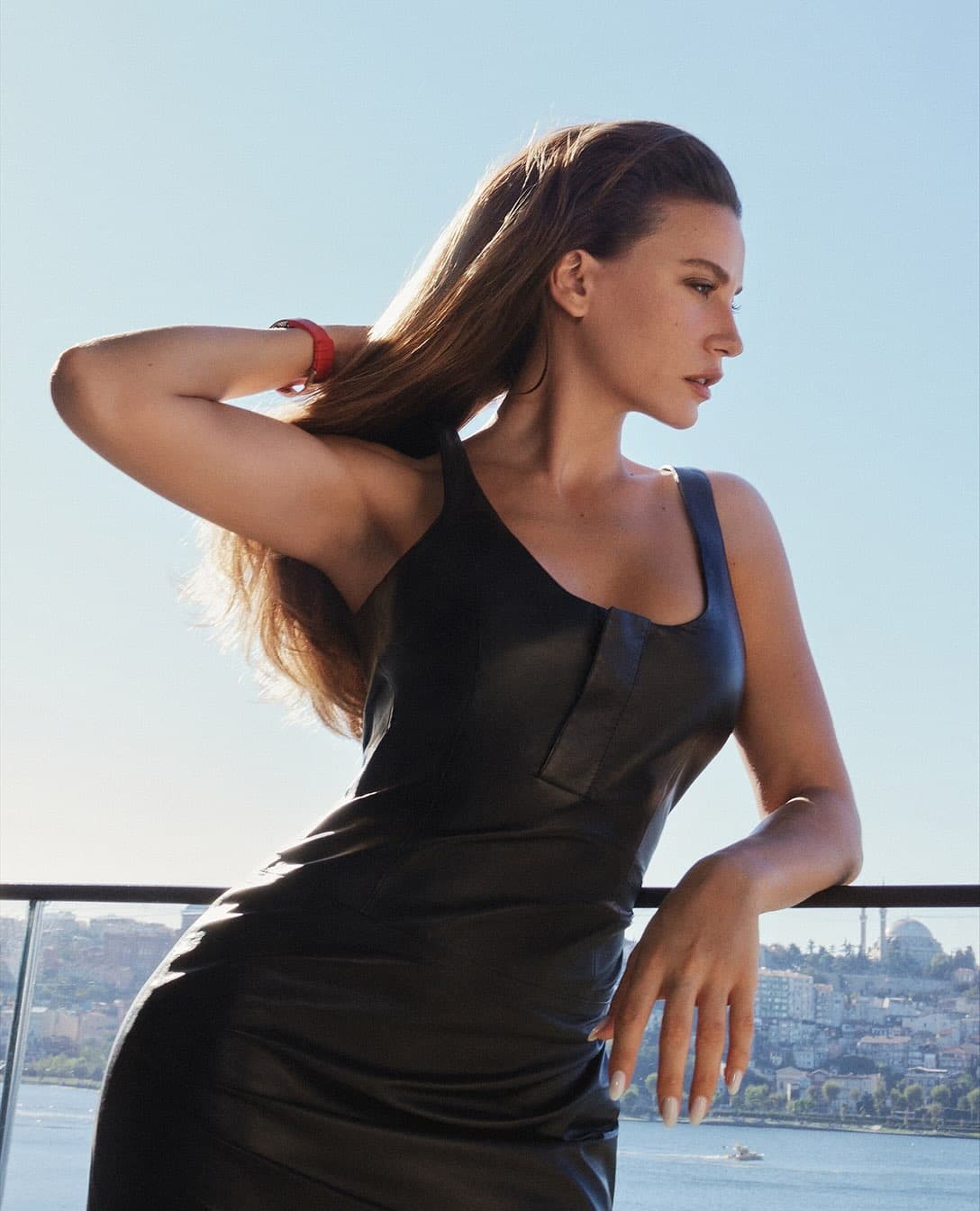
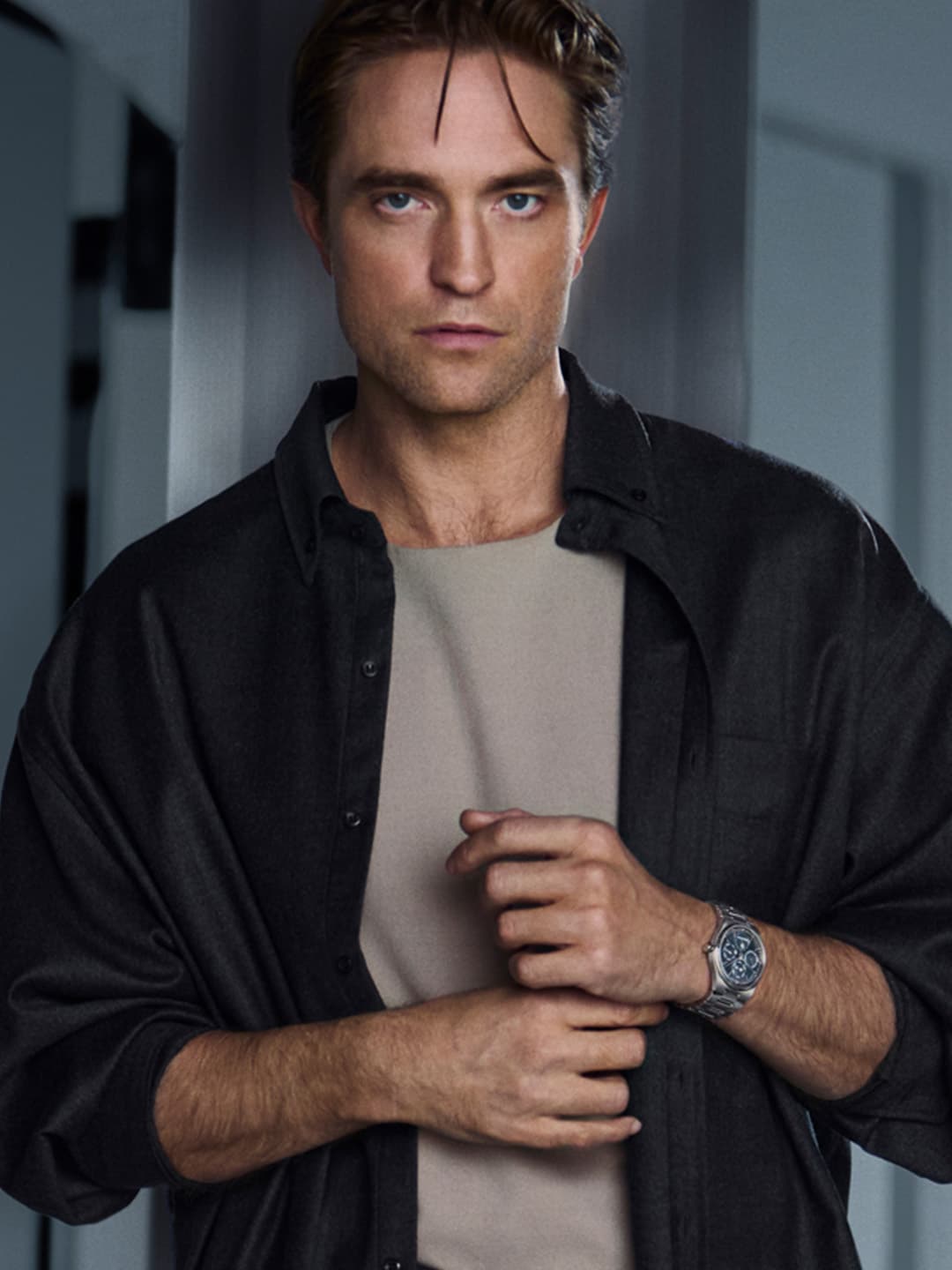
On set, the images do what the best campaign photography always does, they make you feel the temperature of the scene. Glossy surfaces, controlled light, the suggestion of speed even in stillness. Yet the most convincing detail is the simplest one, the watch looks worn, not staged. It looks like something that belongs to a life with a schedule that does not always forgive.
Luxury, at its most persuasive, is not about excess. It is about intention. Watching Verstappen with the TAG Heuer Monaco, you sense that intention in the space between moments, after the cameras shift, when the body relaxes for half a second and the mind is already back to work. The drive does not stop. It just finds a different track.
Photo Credits
Images courtesy of their respective owners.