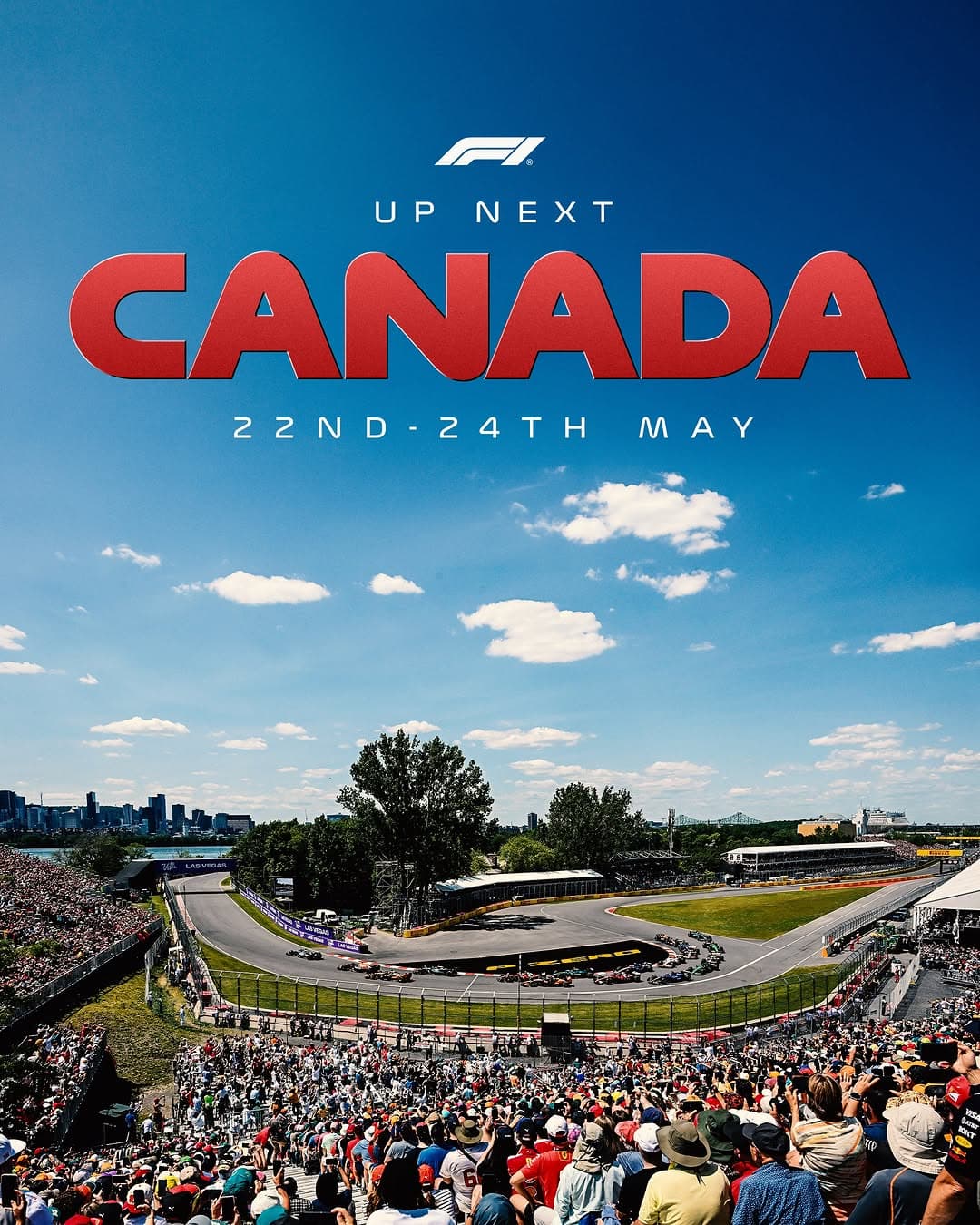
The Canadian Grand Prix does not ease you in. It grabs you by the collar the moment the island air turns metallic with brake dust and river wind, and the city begins to move like it has somewhere important to be. At Circuit Gilles Villeneuve, the sound is a kind of language, sharp consonants of upshifts, long vowels of acceleration, a chorus that ricochets off the trees and the grandstands and, somehow, ends up downtown with you at midnight.
Montreal understands spectacle, but it also understands taste. That is why this race weekend always feels slightly more personal than the calendar’s flashier stops. There is the obvious glamour, the paddock polish, the camera ready grid. Then there is the softer, more local pleasure of arriving early, coffee in hand, and watching the island wake up around the track. It is beautiful in a practical, Canadian way.
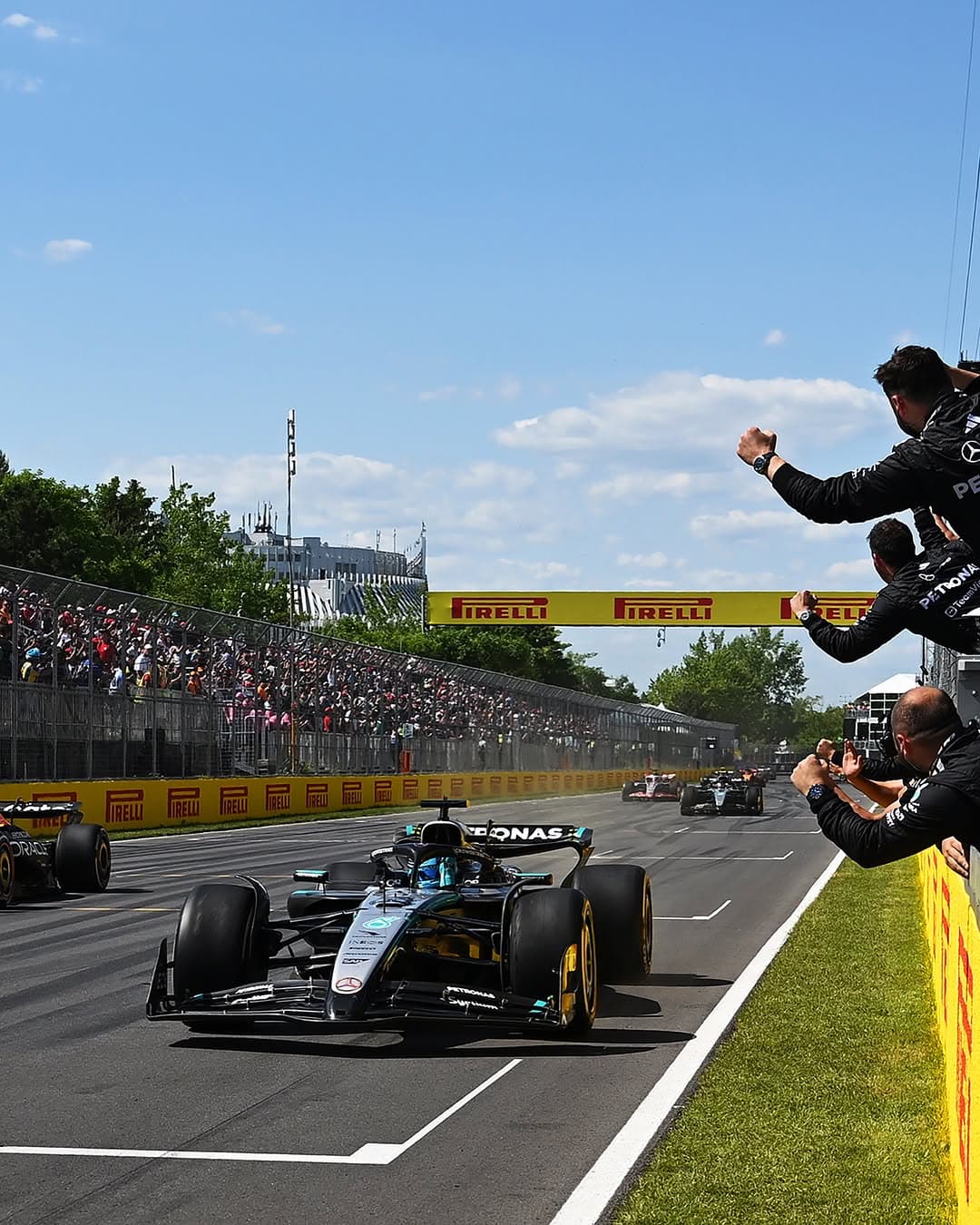
Canadian Grand Prix, the circuit that rewards nerve and timing
Built on Île Notre Dame, Circuit Gilles Villeneuve is a study in contrasts, long straights that tempt drivers into bravado, tight chicanes that punish it, and walls that look closer in person than they ever do on television. You feel the track’s personality in your bones. It is not a place that flatters uncertainty. It asks for clean commitment, a willingness to brake late, to take kerbs with authority, to trust that your line will hold.
The lore is real, too. The Wall of Champions has been waiting for overconfident legends since 1999, and it still collects souvenirs in carbon fibre. Even if you never see a car kiss it in your session, you sense its presence, a stern little punctuation mark at the end of a lap.
If you want to ground your excitement in the official details, start with Formula 1 for schedules and circuit notes, then it is worth scanning the local logistics on Ville de Montréal before you head out. And when the weekend’s storylines begin to swirl, the FIA remains the sober, rulebook counterweight to the gossip.
The best way to arrive is by water, or at least as if you did
The island setting gives the Canadian Grand Prix its particular romance. You cross bridges that feel like portals, leaving the city’s stone and stained glass for open sky and the broad, cool presence of the St Lawrence. It is still urban, still efficient, but the landscape resets your mood. By the time you reach the gates, you are already paying closer attention, to light, to sound, to the choreography of people moving with shared purpose.
What the Canadian Grand Prix feels like from the grandstands
Some races are best on screens, where timing graphics and onboard cameras do half the storytelling. Montreal is different. Here, the sensory experience is the point. The cars arrive in a rush, they hit the braking zone like a decision, and they are gone before you can finish your thought. The crowd’s reaction comes in waves, not constant noise, but the collective intake of breath when someone commits to an overtake, the exhale when it sticks.
Between sessions, the atmosphere loosens. Sunlight catches the paintwork, team kit looks strangely stylish against all that concrete and green, and you start to appreciate how the circuit is also a public park dressed up for a global performance. It is one of the few places where you can feel both the precision of elite sport and the relaxed texture of a Montreal weekend.
Dress for speed, but also for weather that changes its mind
Montreal has an editorial sense of mischief, and in June the forecast often plays along. You can begin the morning with clean, bright heat, and end it in a soft rain that turns the track into a mirror. Pack accordingly, a light layer that looks intentional, sunglasses that can survive a sudden cloudbank, shoes that do not mind a long walk. The most convincing race weekend style looks lived in, not staged.
For more on how the city does luxury without shouting, you can browse our Luxury coverage, and if you are planning your weekend around where to be seen when the engines go quiet, our Culture pages tend to understand the assignments Montreal sets. For those who treat the race as a design object as much as a sporting event, our Automobile archive is where the obsession can stretch its legs.
Where to take the Canadian Grand Prix after the chequered flag
The smartest thing about Montreal during Grand Prix week is that the city never asks you to choose between high and low culture. You can do both, elegantly, in the same evening. After the circuit, the energy spills onto terraces and into dining rooms that hum with half French, half English conversation and a universal language of reservations made too late.
Lean into old Montreal if you want cobblestones and candlelight, or stay closer to the Plateau for a version of the city that feels slightly more intimate, more lived. The point is not to chase every party. The point is to pick one or two places that feel right, then let the weekend develop its own narrative.
A small etiquette of watching well
Arrive early enough to wander, to understand where the speed happens and where the drama tends to collect. Eat before hunger makes you impatient. Let yourself linger by a fence line just to listen, because the Canadian Grand Prix is, at heart, an audio experience. And if it rains, consider it a gift. Montreal in wet light is cinematic, and the racing becomes, instantly, more human.
There are weekends when Formula 1 feels like a travelling machine. In Montreal, it feels like a guest at a very good party, one the city knows how to host with confidence and a little wink. That is why the Canadian Grand Prix keeps its hold on people. It is fast, yes. It is also vivid, and oddly tender for something built on risk.
Photo Credits
Cover image courtesy of FORMULA 1®. Additional images courtesy of their respective owners.