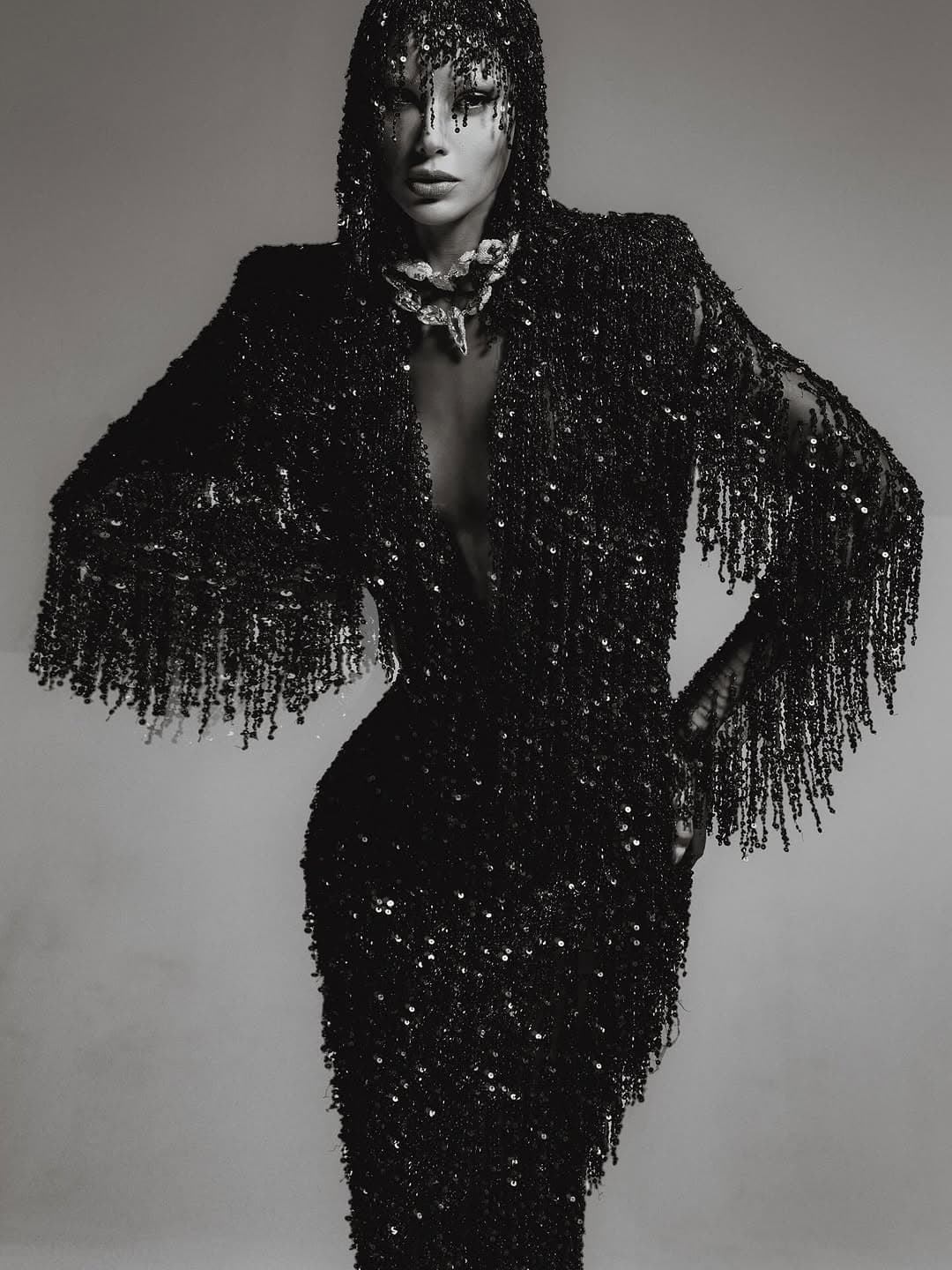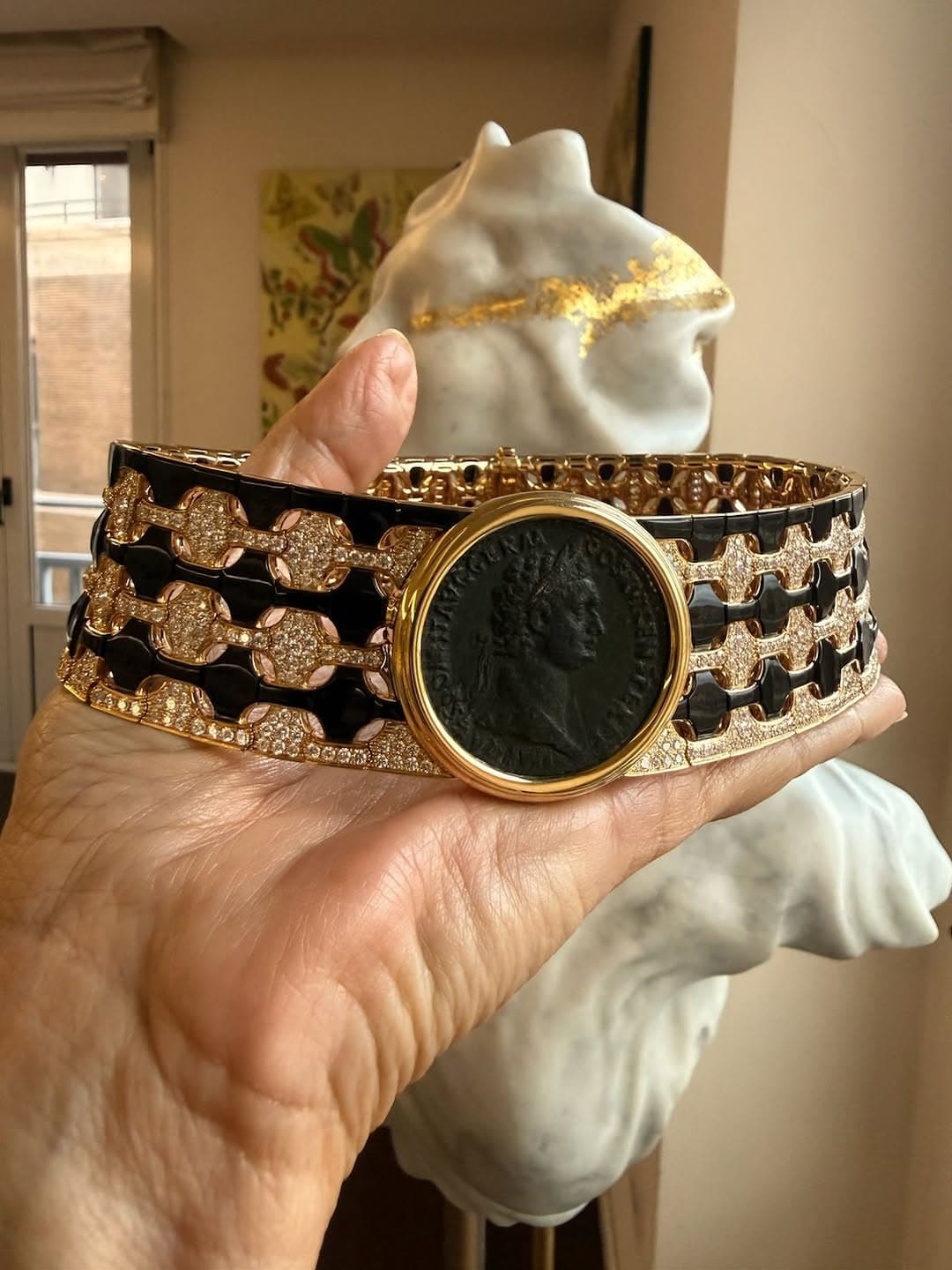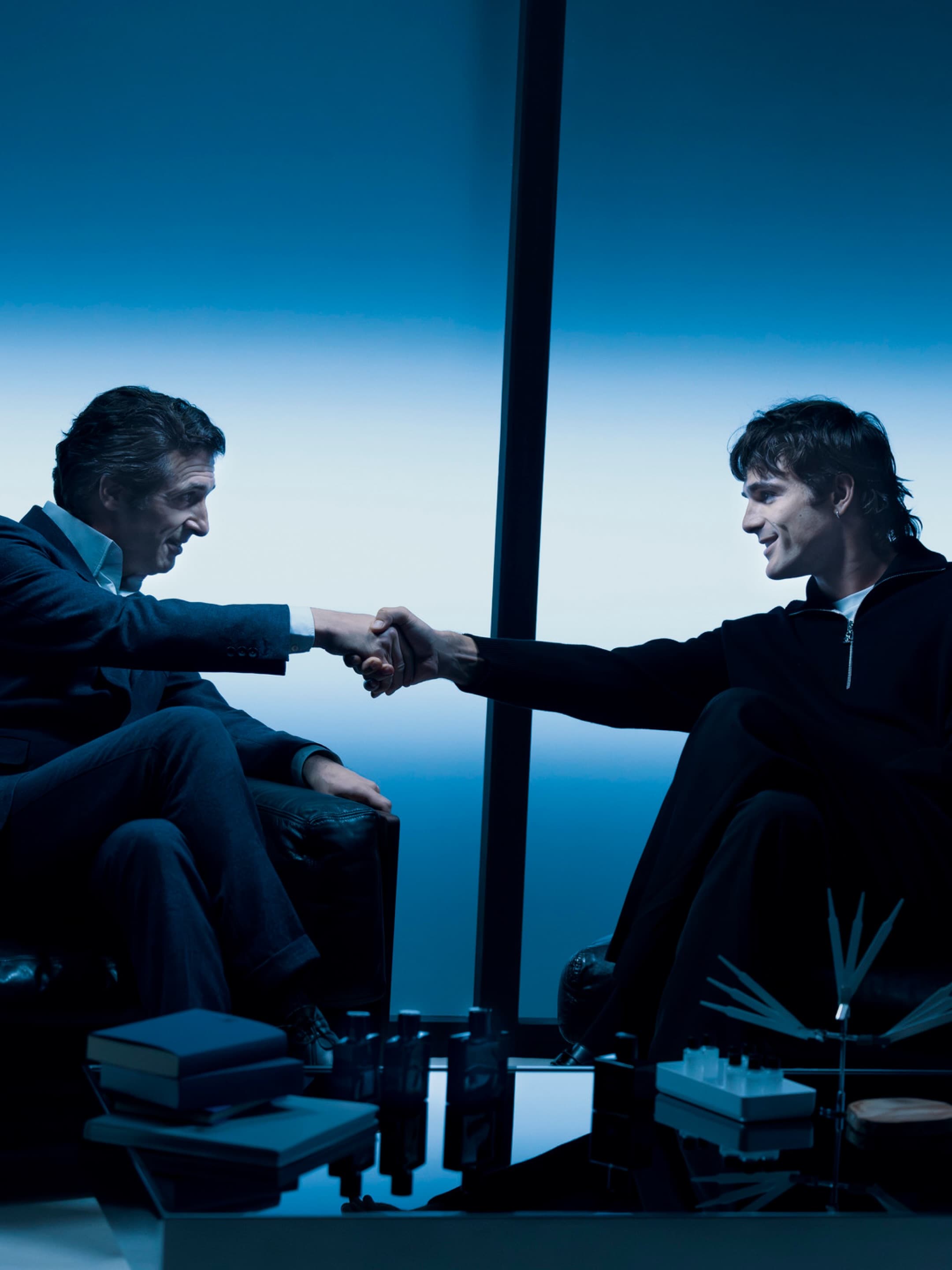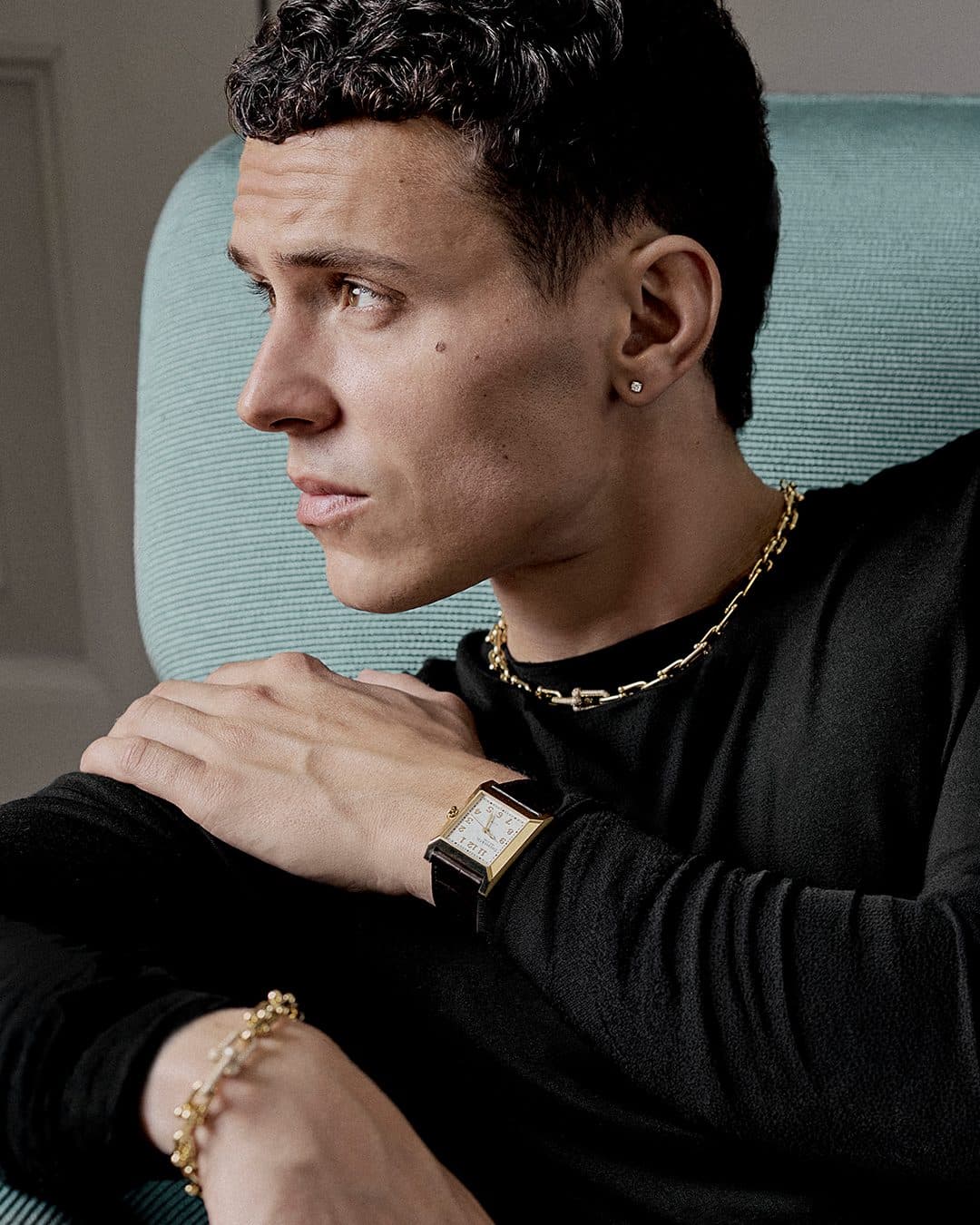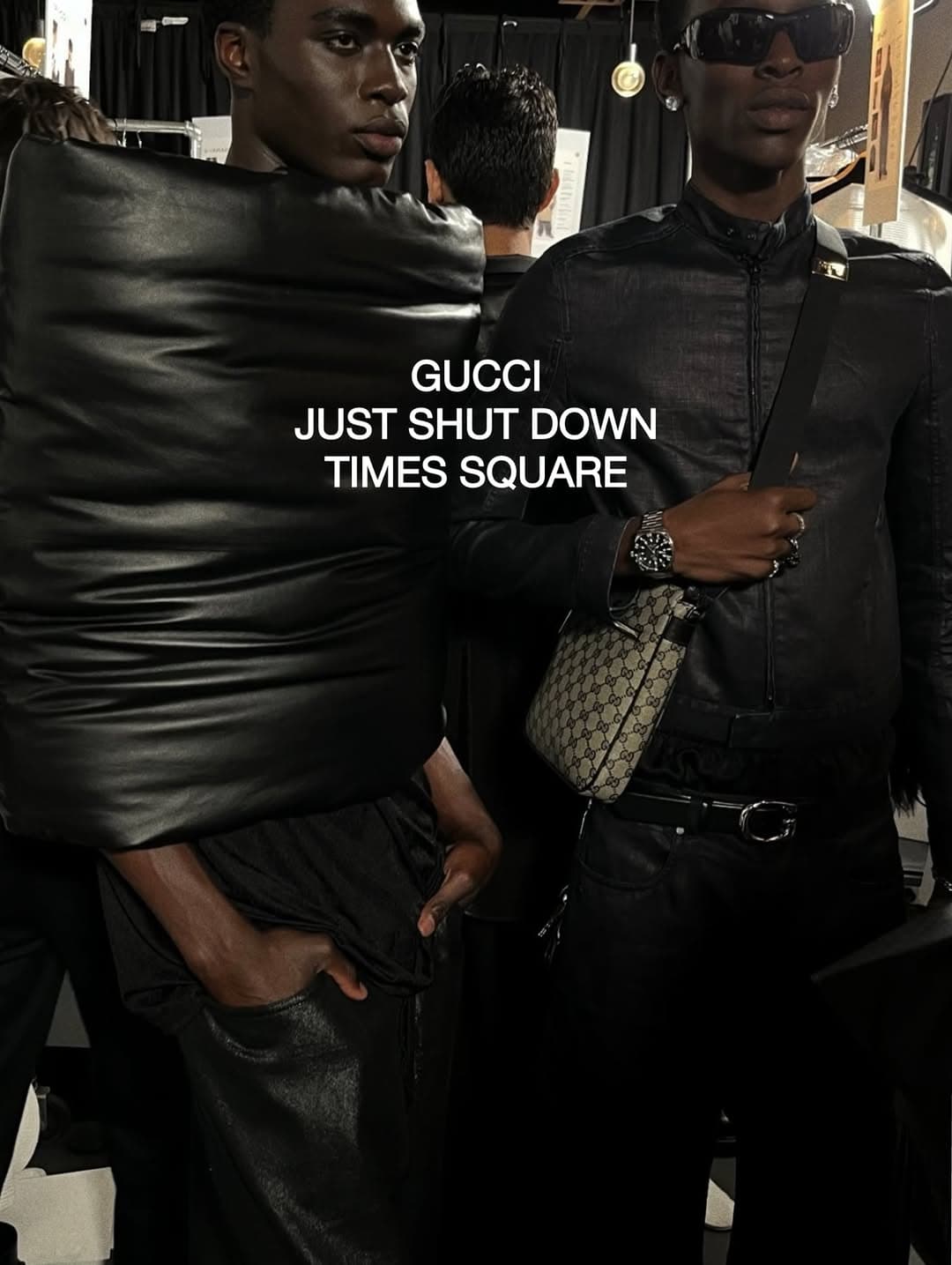
There are nights when Times Square feels less like a place than a frequency. The air tastes faintly of street cart steam and hot pretzels, taxis stitch the avenues in amber and red, and every screen competes for your attention like an eager understudy. Then come the Gucci visuals, and suddenly the square stops advertising at you and starts directing you. Times Square covered in Gucci visuals is not subtle, it is deliberately overwhelming, like stepping into a film where the city has been cast as both set and star.
This, at its best, is #guccicore, not as a hashtag but as a worldview. New York as the stage, yes, but also as the chorus, the audience, the critic, the paparazzo. It is the idea that style can still be loud without being empty, that a luxury house can speak in a language the street understands, and that spectacle can be cultural, even tender, when it knows exactly what it is doing.
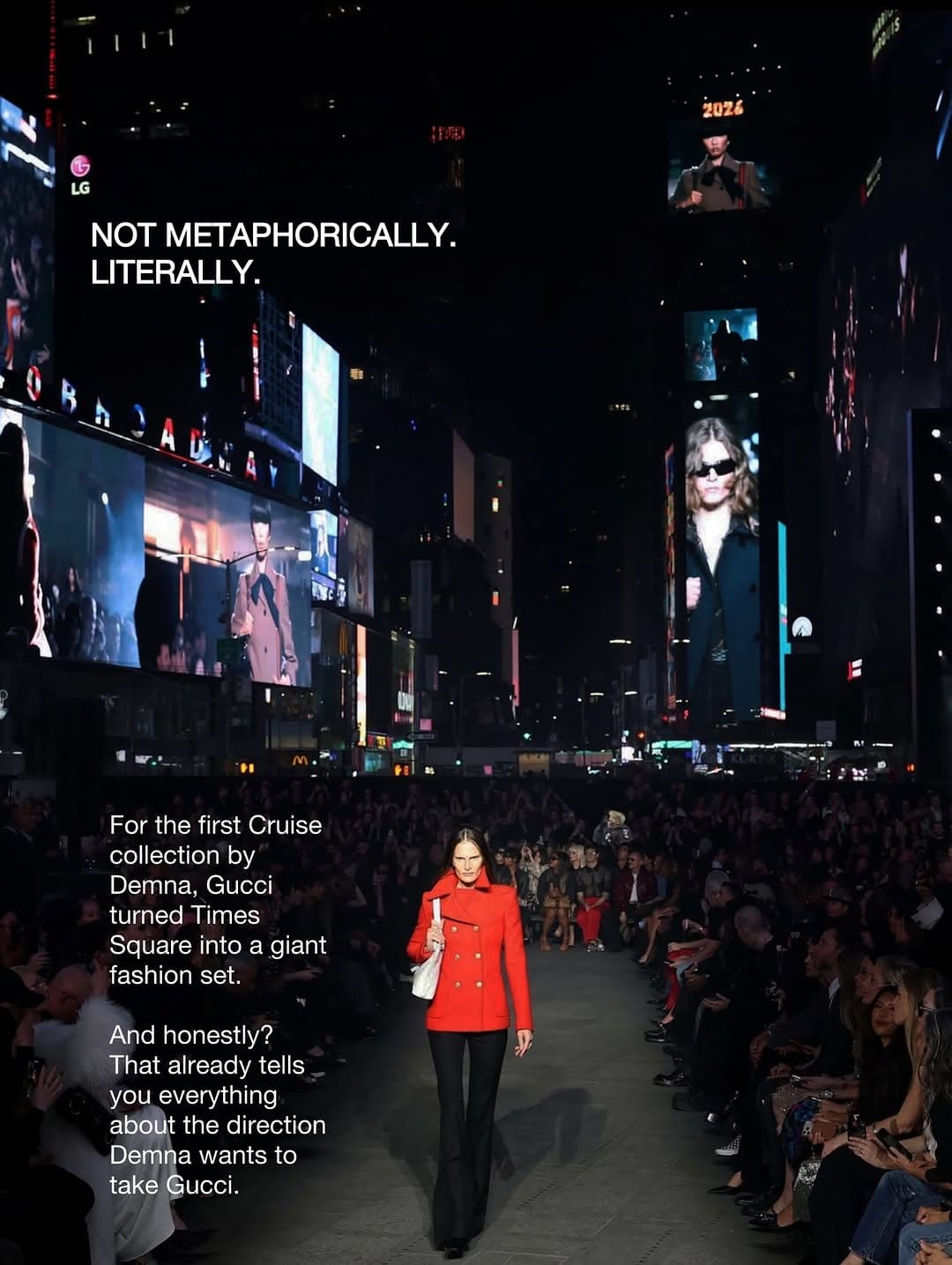
Times Square covered in Gucci visuals, and why it works
Times Square has always been a mirror held up to the city’s appetites. It reflects what we want, what we fear missing, what we are willing to stop for. When Gucci takes over those LED cliffs, the effect is less billboard and more atmosphere. The light lands on faces, on windshields, on the gloss of wet pavement, turning ordinary movement into something cinematic. You feel it in your peripheral vision before you decide you are looking.
What makes the takeover compelling is its refusal to pretend it is anything other than a takeover. It leans into the square’s visual noise and somehow sharpens it. That is the old New York trick, the one the city pulls off when it turns chaos into choreography.
#Guccicore is a mood, not a moodboard
#Guccicore is often flattened online into a grab bag of maximalist cues, saturated colour, hardware, a little nostalgia with a knowing wink. In the square, it becomes more specific: a conviction that style should be legible at a distance. It is fashion as signage, and signage as fashion, the two collapsing into each other until you stop separating what you wear from what you see.
For anyone who follows the brand beyond the shopping bag, the visuals carry a familiar Gucci literacy. The house has long understood that modern luxury is not quiet, it is edited. And editing, in a city like New York, means choosing the right kind of volume.
New York as the stage, Gucci as the director
There is a reason this could only happen here, or at least only hit this way here. Times Square is democratic in the bluntest sense: everyone passes through, no one is meant to linger, and yet everyone does. Tourists tilt their phones upward. Theater crowds spill onto the sidewalk. Night shift workers cut diagonals through the throng with practiced impatience. Gucci’s presence does not interrupt this, it rides it.
In the middle of all that movement, the campaign becomes a kind of public set design. It gives the city a storyline, if only for a few blocks. New York is the stage, but it is also the wardrobe department. The people in the frame do the real work, because their coats, sneakers, office lanyards, and last minute dinner looks bounce off the Gucci visuals and become part of the picture.
If you want to understand why fashion still matters to culture, stand there for five minutes. Watch how quickly a crowd turns into a composition.
The pleasure of excess, in a city built on it
Excess is New York’s native tongue. It is in the rent, the ambition, the way the city asks you to keep up. A luxury takeover in Times Square risks feeling like a punchline, yet this one reads as oddly apt, because the city has always been a negotiation between commerce and fantasy. The Gucci visuals simply make the fantasy explicit.
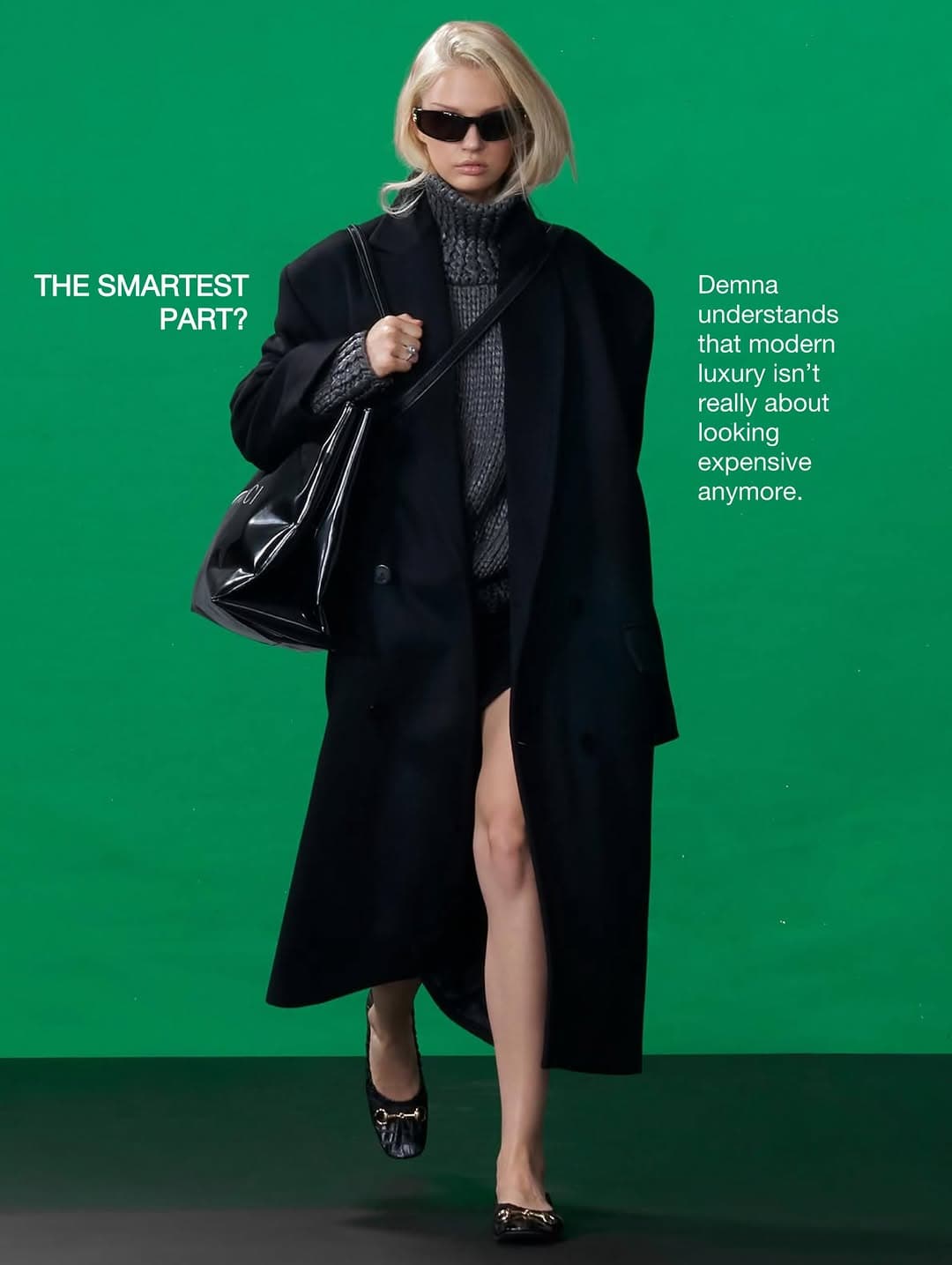
There is also something refreshing about a house that does not apologize for wanting to be seen. We have had years of stealth wealth and whispered status. Times Square covered in Gucci visuals is the opposite, and it is honest in a way quiet luxury rarely is.
A #Guccicore manifesto, written in light
Consider this a manifesto, not for shopping, but for looking. For letting fashion be public again, for allowing beauty to be a little theatrical, for admitting that sometimes you want a city to dazzle you into paying attention. #Guccicore, in this context, is permission to be expressive without asking for approval.
It is also an argument for craft, because even the loudest image needs precision to hold up at this scale. If you have ever lingered over embroidery in a store and then dismissed campaigns as mere noise, this is the reminder that imagery is a kind of workmanship too. You can track the brand’s wider world through Gucci itself, and for the runway minded, the context deepens via Vogue Runway.
How to experience it, like a New Yorker
Go later than you think you should. Walk from Seventh Avenue toward Broadway so the screens reveal themselves in layers. Do not stand dead center unless you enjoy feeling like a raindrop in a fountain. Hover at the edges, where you can watch how the light changes the faces of strangers. That is the real show.
And if the spectacle sends you back into your own closet with fresh appetite, take it as an invitation to think about style the way the city does: as a daily practice, not a precious one. For more on how fashion lives beyond the runway, you can drift through our Fashion pages, or zoom out into the wider conversation in Culture and Luxury.
Why this moment matters, beyond the screens
Times Square is often dismissed as a caricature of New York, all glare and none of the city’s essential grit. Yet that is exactly why this takeover lands. It uses the city’s most obvious postcard corner to argue for fashion as a lived, shared language. You do not need an invite, you just need to be there.
Times Square covered in Gucci visuals becomes, for a brief stretch of night, a reminder that luxury can still participate in public life. Not by shrinking itself into tasteful minimalism, but by meeting the city where it is. Bright, impatient, alive.
For a broader sense of how Times Square continues to function as a cultural barometer, even when it is performing for the world, the official Times Square Alliance offers a surprisingly clear map of what the district thinks it is, and what it wants to be.
Photo Credits
Cover image by @robin.vuano. Additional images by @bastien_borde, Stefano Bona, @voguerunway, @gucci, and Wiktoria Frankowska.