New York knows how to perform: taxis hissing in the rain, camera shutters cracking like thrown ice, a staircase turning celebrities into mythology. But on the most iconic evening of the year, it’s often the details—those glints at the throat, the flash at the wrist—that decide who truly owns the room. This year, Cartier at the Met Gala wasn’t a supporting act. It was the punctuation.
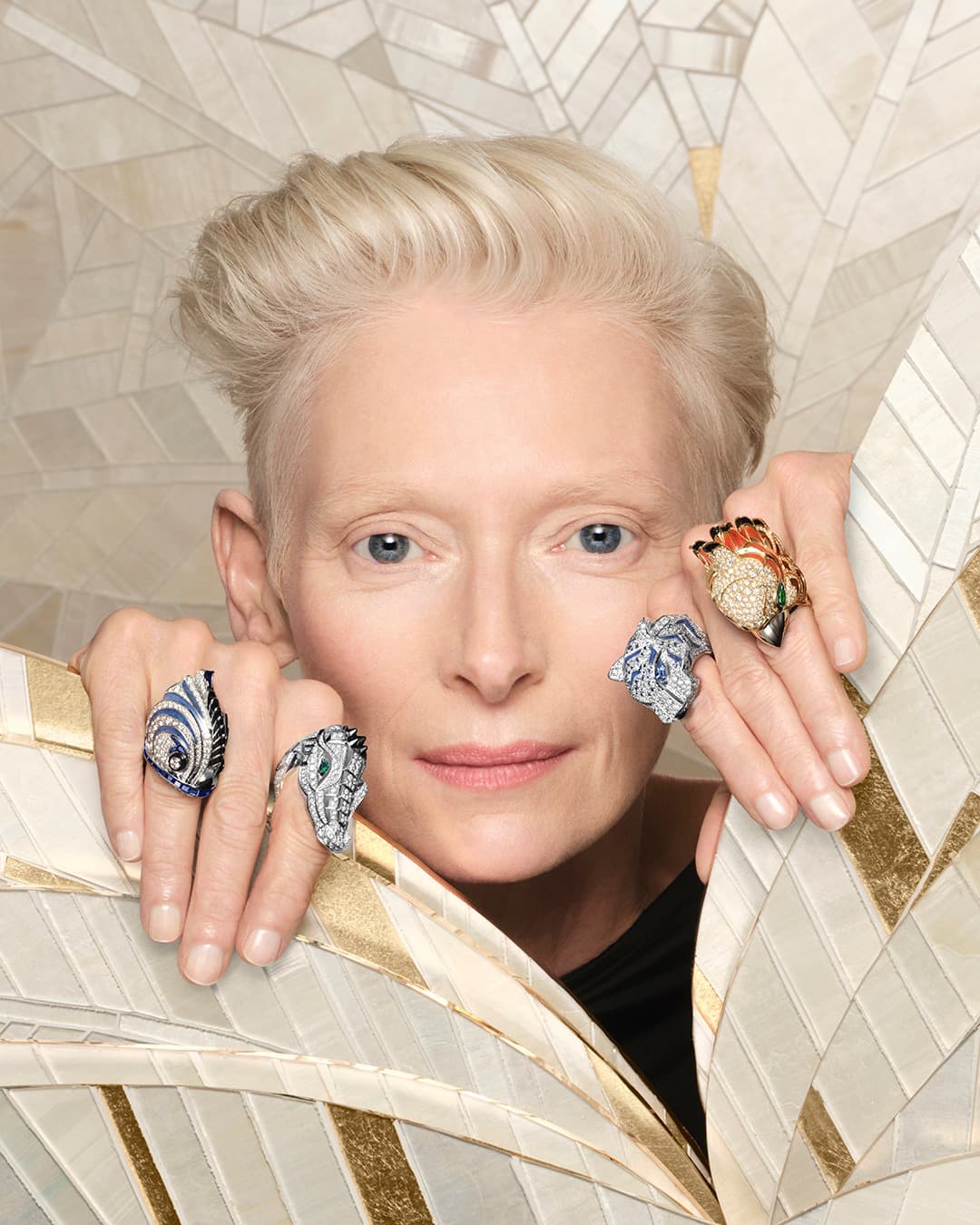
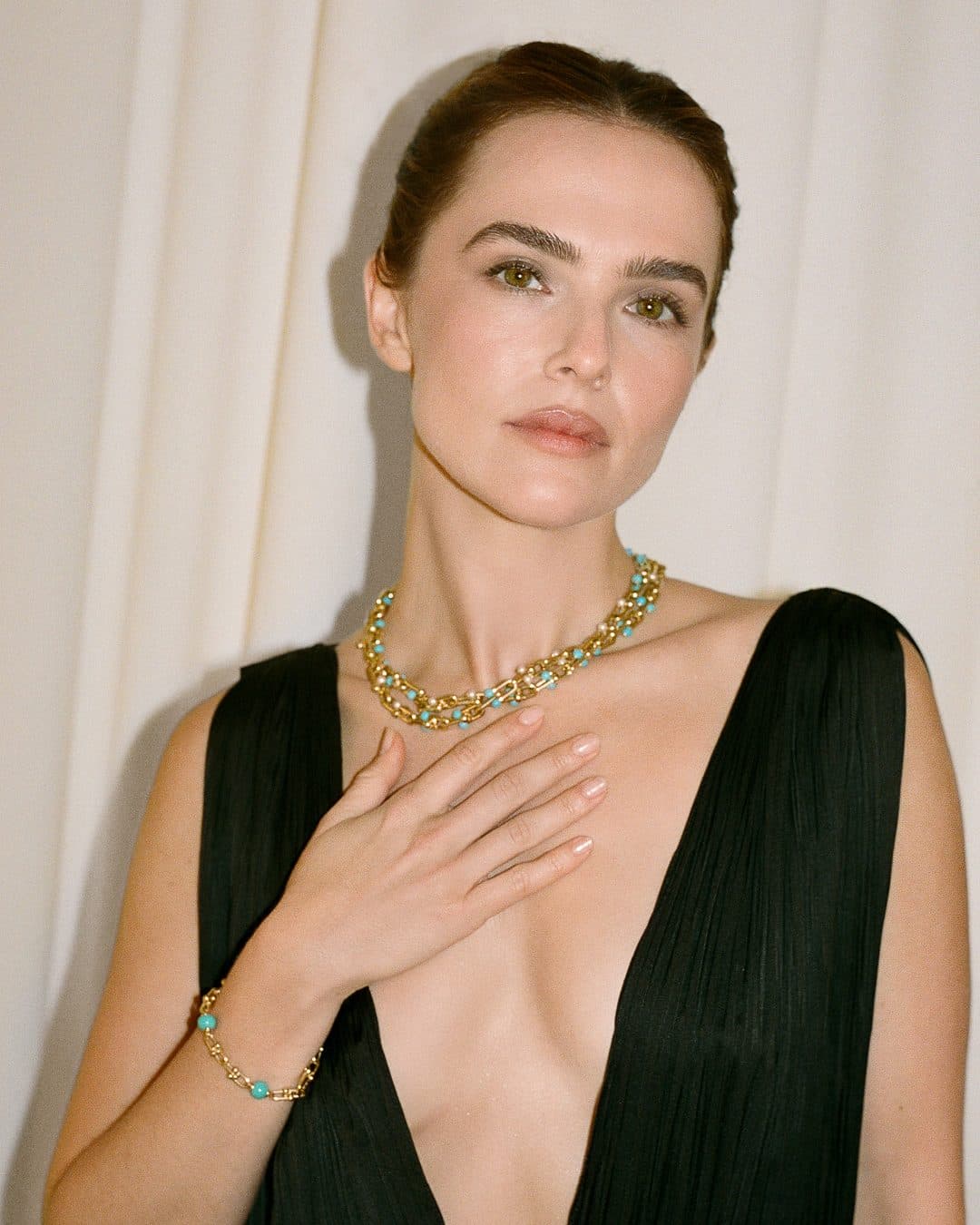
Cartier’s exceptional creations revealed style and character on Rami Malek, Karlie Kloss, Bad Bunny, and Jon Batiste—an edit that felt pointed, not random. The Maison understands the Met’s core truth: a look isn’t complete until it has a note of danger, a note of history, and something that catches the light just long enough to make everyone else blink.
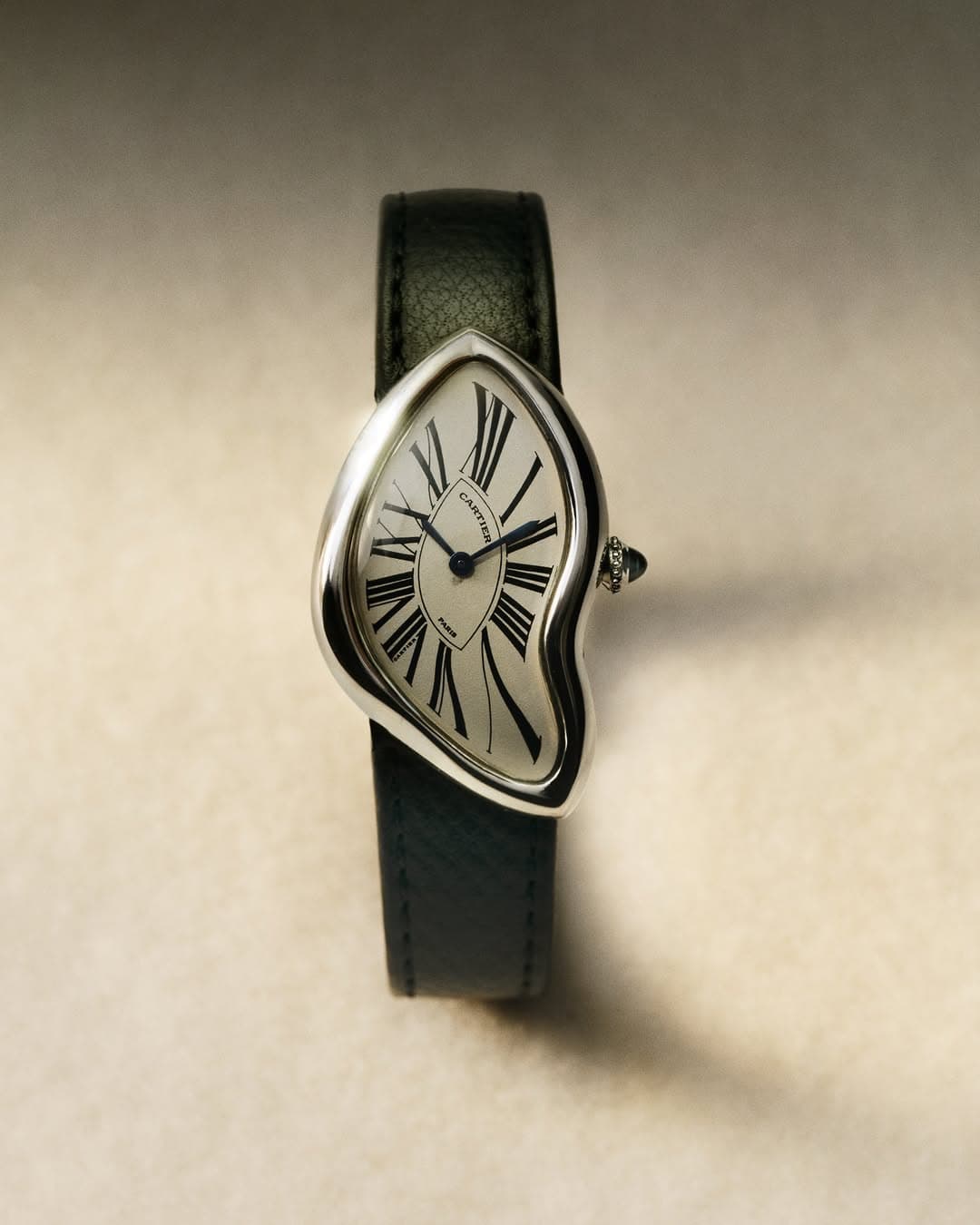
Cartier at the Met Gala: the Maison’s quiet power move
There’s a particular kind of confidence in wearing high jewellery to an event where every guest is already “doing the most.” Cartier doesn’t compete with the costume; it gives it a spine. It’s heritage with a pulse—century-old codes reappearing as modern attitude, the kind you spot from across the carpet before you even register the outfit.
If you’ve been following the way jewellery has reclaimed fashion’s spotlight (no longer an afterthought, but the thesis), this moment felt inevitable. We’ve been talking about adornment as identity—less “pretty” and more personal manifesto—across the season’s best red-carpet turns and in our own ongoing conversation about Met Gala jewelry moments. Cartier simply arrived with receipts.
Rami Malek: precision, sharpened
Rami Malek has always understood restraint as drama. His best red-carpet choices land like a perfectly timed whisper—close enough to feel intimate, sharp enough to leave a mark. Cartier’s pieces on him read as architectural: clean lines, controlled shimmer, a kind of cultivated severity that plays brilliantly with his on-screen intensity. The effect? Not “bling,” not even “statement.” More like a final edit that makes the whole silhouette click into focus.
Karlie Kloss: polish with a pulse
Karlie Kloss wore Cartier with the kind of ease that can’t be faked—jewellery sitting on the body the way good tailoring sits on the shoulder: intentional, weighty, inevitable. It’s a reminder that glamour doesn’t have to shout to dominate a frame. On the Met staircase, where so many looks dissolve into visual noise, her Cartier read as clarity—bright, assured, and distinctly grown-up.
Bad Bunny: modern iconography, no apologies
Bad Bunny is a master of cultural remix: street codes meeting couture, tenderness meeting bravado, the old rules rewritten in real time. Cartier on him didn’t try to tame that energy—it amplified it. High jewellery, at its best, is not polite. It’s symbolic. It’s a talisman. And on a night engineered for spectacle, he made the case for jewellery as mythology you can wear.
Jon Batiste: the music in the metal
Jon Batiste carries an almost cinematic warmth—charisma that feels lived-in rather than manufactured. Cartier’s craftsmanship, luminous and disciplined, created a compelling contrast: the ease of a musician with the exacting hand of a Maison that has been perfecting allure for generations. The result was the sort of elegance that doesn’t read as “styled,” but as authored.
Why Cartier’s Met Gala moment matters right now
What made this year’s Cartier at the Met Gala feel especially resonant is the broader shift in how we’re consuming fashion. In a scroll culture that flattens everything into a two-second impression, jewellery delivers texture—literal depth, shadow, movement. It rewards looking. It also carries narrative in a way fabric sometimes can’t: a lineage, a house signature, an artistic philosophy.
Cartier understands the power of a recognizable code. There’s a reason the Maison’s name triggers immediate imagery, whether you know the history intimately or simply recognize the aura. For context (and because research is a form of romance), start with Cartier itself, then trace the legacy through its history, and finally consider the Met Gala as fashion’s most scrutinized cultural theatre via the Met Gala.
And if you’re wondering why this all feels so urgent now: because “quiet luxury” is no longer enough. It’s becoming a uniform. Jewellery—real jewellery, with real point of view—is where taste gets specific again. It’s also where individuality survives the trend cycle. We’ve seen the pendulum swing back toward meaning and craft, whether you’re tracking the red carpet style trends reshaping formalwear, or the way maisons are reasserting heritage without turning it into museum dressing.
The editorial takeaway (yes, I’m choosing a side)
Here’s my slightly heretical opinion: on the Met Gala carpet, the clothes are often the loudest part of the conversation—and therefore the easiest to forget. It’s the jewellery that lingers. Cartier’s pieces didn’t just accessorize; they edited, anchored, refined. They made the night feel expensive in the way that matters: not in logos, but in craft, confidence, and the kind of sparkle that suggests you’re in on the secret.
- Best in show isn’t always the biggest look. Sometimes it’s the smartest shine.
- High jewellery is back as a main character. Not “extra”—essential.
- Cartier at the Met Gala proved that heritage can still feel thrilling (when it’s worn with intent).
Photo Credits
Cover image courtesy of Cartier Official. Additional images courtesy of their respective owners.