Cartier has been turning the panther into a signature for more than a century, in jewelry, in watches, and, with striking consistency, in fragrance. In the La Panthère perfume line, that cat is not a decorative afterthought. It is the logic of the object: a faceted glass bottle whose geometry catches the light until a face appears, feline and exact, inside the flacon.
La Panthère perfume: the bottle that does the talking

There are plenty of perfume bottles that rely on a ribbon, a plaque, a flourish of metal. The La Panthère perfume bottle commits instead to an optical trick built into the glass itself. Viewed straight on, the flacon reads as a clear, architectural block. Tip it, or let daylight slide across the facets, and the panther’s features emerge in relief, a sculpted presence suspended within the liquid.
This is where Cartier’s language feels most legible. The house’s panther motif has long thrived on three ideas: graphic clarity, tactile material, and a sense of watchful movement even when the object is still. The bottle translates that into industrial glasswork, making the cat feel less like branding and more like a hidden structure you discover only when you handle it.
Which La Panthère are you actually wearing?
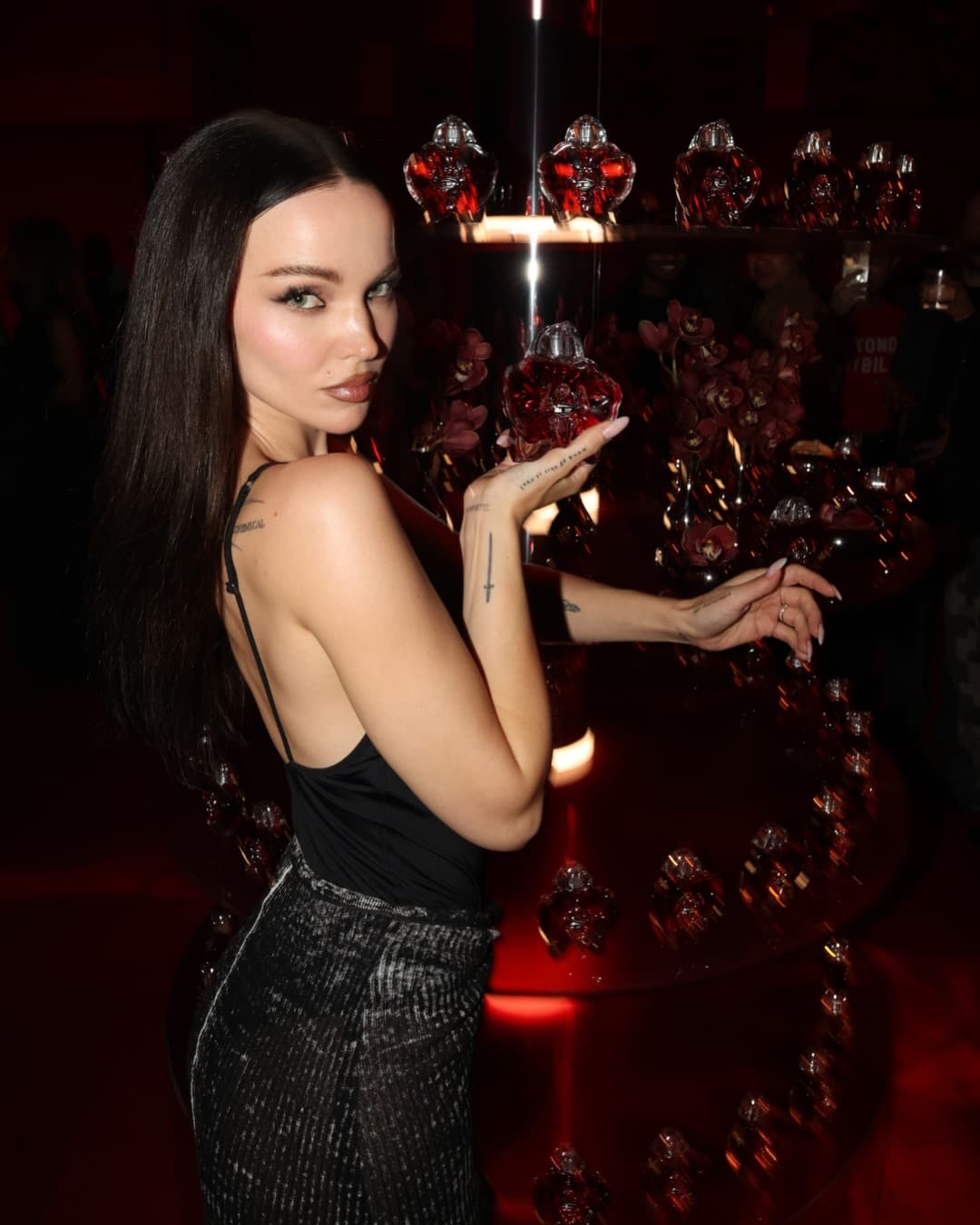
The caption’s “trio” is the clue: Cartier’s La Panthère perfume family has been built out as variations, rather than a single fixed signature. If you already know the line, you know the pleasure is in how the character changes while the panther stays constant, same totem, different mood.
Start with the name on the box
Cartier sells La Panthère as a range, and the easiest way to avoid accidental blind buys is to check the exact edition printed on the outer packaging and the base label. “La Panthère” alone is not always the full story. Concentration and flankers can shift wear time, projection, and the way the floral notes land on skin.
Think in textures, not clichés

If you gravitate toward florals, the line is often discussed through that lens, but its real appeal is more tactile than poetic: the way a note can feel plush, or crisp, or glossy, depending on how the composition is built. Sample on skin, give it an hour, and then decide, because the panther effect is less about the first spray than the shape it takes as it warms.
The panther, the house, the long game
Cartier’s panther is not a recent marketing invention. Jeanne Toussaint, Cartier’s legendary creative director, was nicknamed “La Panthère,” and the motif became a house signature across the 20th century. That history matters because it explains why the fragrance line does not treat the animal as a seasonal graphic. It is part of Cartier’s identity, used repeatedly and with intent.
If you want the brand’s own framing of the fragrance family, Cartier keeps a dedicated page for the line, including the different versions offered under the La Panthère name. See: Cartier.
For the broader panther story that sits behind the bottles, Cartier also documents how the motif developed within the maison. It is useful context for understanding why the flacon design is so committed to the cat’s face rather than a generic emblem. Reference: Cartier La Panthère.
In a market crowded with forgettable glass, La Panthère’s clearest flourish is that you can recognize it without reading a label. The face in the bottle is the point, and once you have seen it catch the light on a dresser, it is hard to unsee.
Photo Credits
Images courtesy of their respective owners.