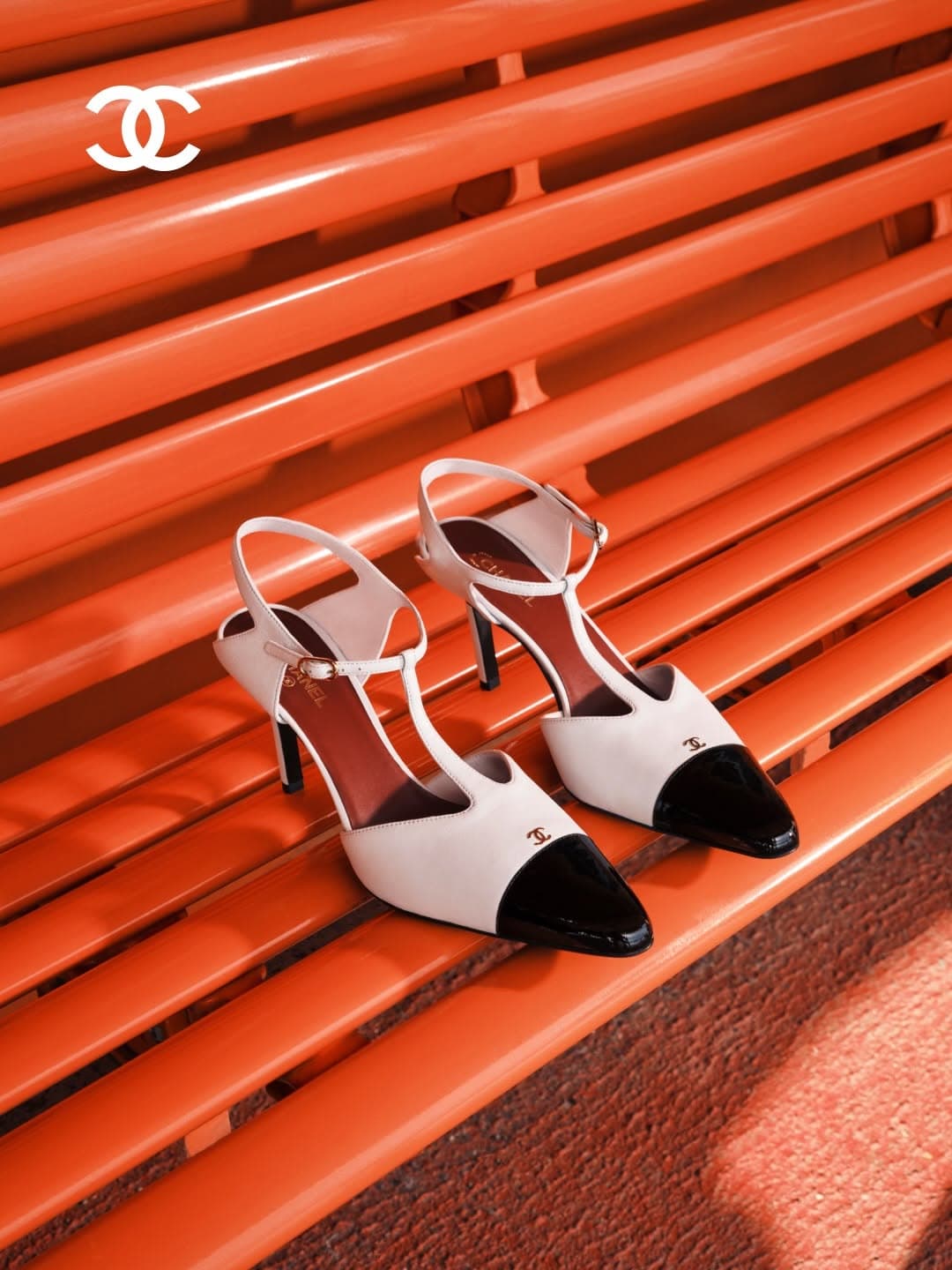
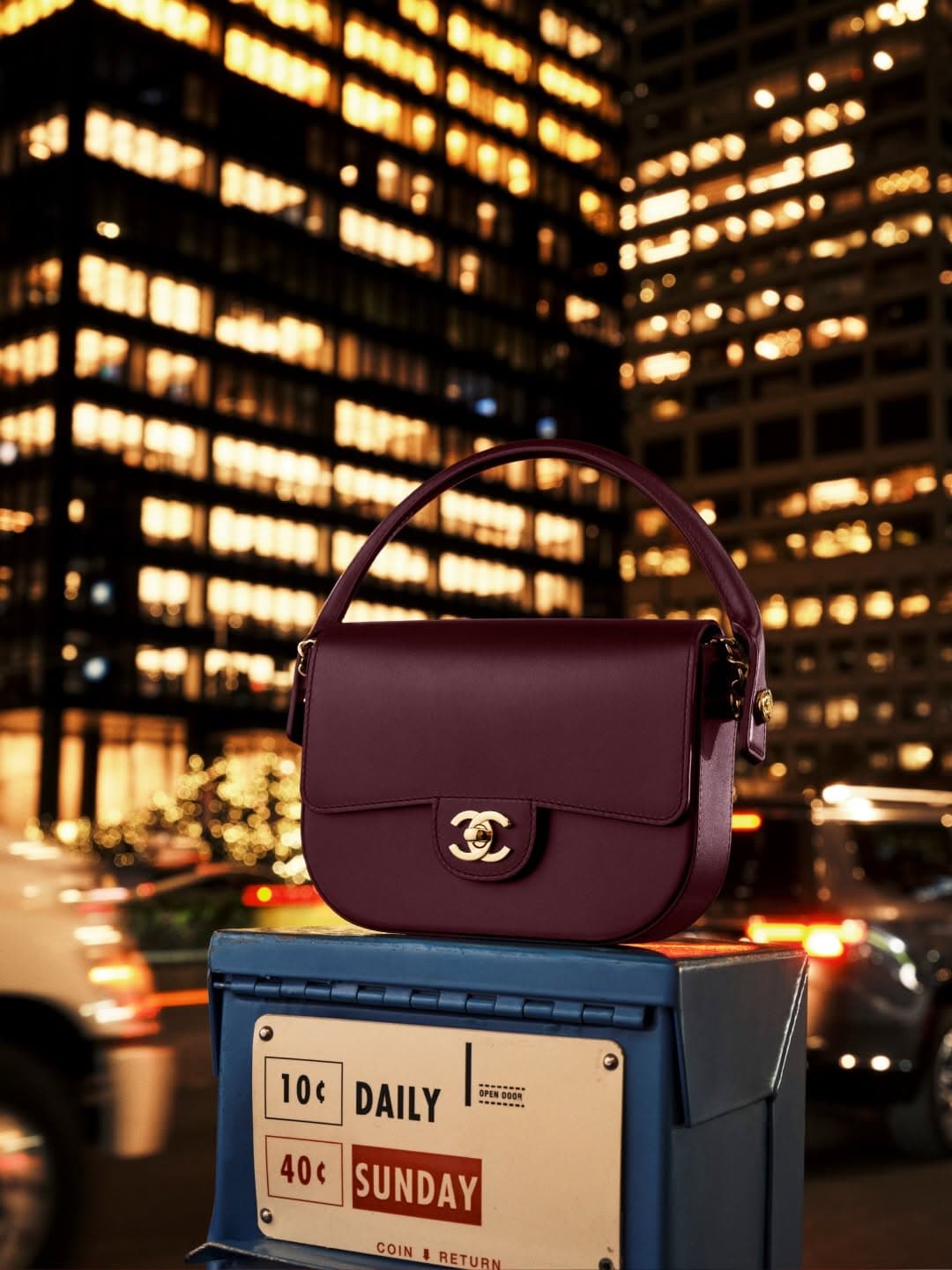
Craftsmanship fueling imagination is the kind of phrase that can sound like a slogan until you see what it looks like in real life, up close, with the seam allowances and hours hiding in plain sight. CHANEL’s Métiers d’art 2026 collection, imagined by Matthieu Blazy and now available in boutiques, takes that idea and gives it weight. Not the heavy handed sort, but the satisfying heft of a jacket that settles on the shoulders just so, the quiet audacity of embroidery that reads like light.
Métiers d’art has always been the house’s annual reminder that fashion is a set of trades before it is a set of trends. It exists to make you look longer, to recalibrate what you think you know about a “simple” tweed, a cuff, a camellia. If runway fashion can sometimes feel like a stream of images, this is the chapter that insists on texture, on touch, on the intimacy of technique. It is no accident that the photographs, by Chris Brooks, linger on surfaces rather than spectacle.
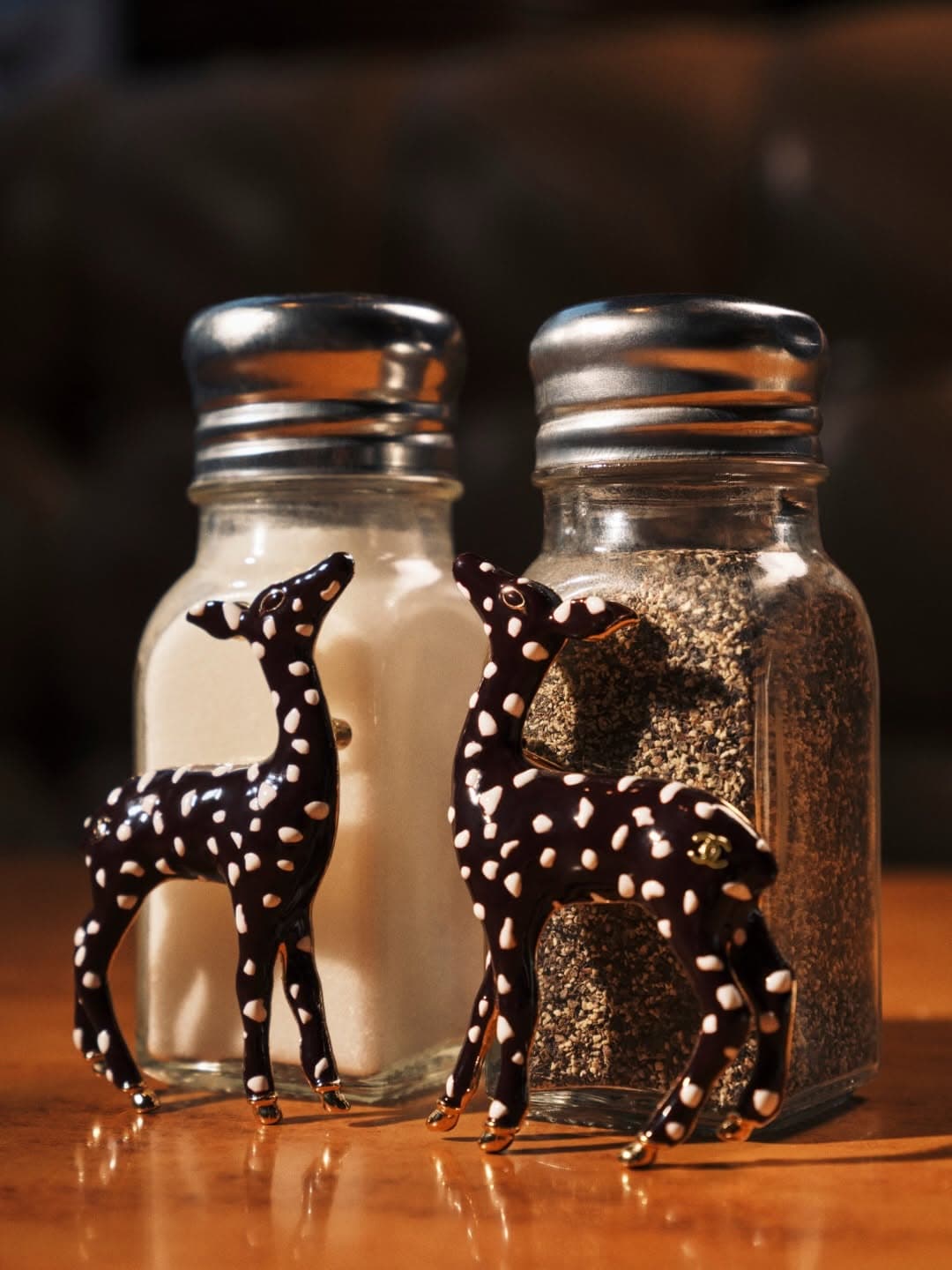

Craftsmanship Fueling Imagination, What Métiers d’art is really for
CHANEL launched Métiers d’art to protect, and to celebrate, the specialist ateliers that keep the vocabulary of couture alive. Over the years, the house has gathered these crafts under the umbrella of le19M, its Paris hub for embroidery, feather work, pleating, millinery, and the kinds of hands on skills that rarely get their names in lights. If you care about why a piece feels different, why it carries a particular authority on the body, the answer is usually hiding in these rooms.
That is why Métiers d’art matters beyond the romance. It is a working argument for continuity. When a brand invests in time intensive techniques, it is investing in the ability to make things that cannot be easily copied, and therefore cannot be easily emptied of meaning. For readers who track the larger luxury conversation, it fits neatly alongside the renewed scrutiny around materials and provenance, and the way heritage houses are asked to explain their value in more than marketing terms.
If you want the official framing, CHANEL lays out the Métiers d’art story on chanel.com, but the more persuasive evidence is always the garment itself. A cuff that looks like it has a life of its own. A lining that feels considered rather than hidden. The particular polish of something made by people who know when to stop.
Matthieu Blazy’s CHANEL, a new kind of clarity
Every designer brings a different temperature to CHANEL. Blazy’s point of view is legible in the calmness of the proposition, a refusal to clutter, a preference for letting craft speak in full sentences. In Métiers d’art 2026, the fantasy is not loud. It is precise. The kind of collection you can imagine living with, not just posting once. That is a crucial shift, and it feels culturally tuned to a moment when even the most image literate clients are craving permanence.
The strength here is in how the pieces reward proximity. From a distance, you might clock the familiar CHANEL codes. Up close, you notice the decisions, the minute variations, the slight changes in density where the hand has been. This is where craftsmanship fueling imagination stops being a line and becomes a physical experience.
The tactile plot, tweed, embroidery, and the engineered look of ease
What Métiers d’art does best is make complexity read as ease. Think of the way immaculate tailoring can look almost casual, and how that apparent simplicity is always hard won. Here, the surfaces have the kind of depth that catches boutique lighting and shifts as you move, never flat, never decorative for its own sake. It is sensual, but disciplined.
That discipline is part of the pleasure. In a season of constant noise, restraint reads as confidence. It also reads as respect for the ateliers, because the most radical thing you can do with extraordinary craft is not to bury it under theatrics, but to let it breathe.
How to shop Métiers d’art 2026 in boutiques, and what to look for
Because the collection is now available in boutiques, the experience changes. Online, you see images. In store, you handle weight, you hear the faint sound of fabric, you understand proportion. Métiers d’art pieces are built to be tried on, especially if you have only ever met CHANEL through accessories.
My advice is to focus less on the headline items and more on the pieces that will quietly reshape your wardrobe. A jacket that makes denim look intentional. A skirt with a hem that moves like an object designed, not merely sewn. Even a small detail, a collar, a cuff, a pocket, can carry the deeper story of the workrooms behind it.
If you are mapping the wider luxury landscape while you shop, it is worth browsing Best Magazine’s Luxury coverage for context on how heritage houses are positioning craft right now, and dipping into Fashion for the broader seasonal conversation. For the collectors who treat dressing as culture, not just consumption, our Culture section is where fashion’s references and reverberations tend to show up first.
Why Métiers d’art still feels like the one worth saving for
There are many reasons people buy CHANEL, and not all of them are poetic. But Métiers d’art offers a particularly compelling one, it is where the house makes an argument for craft as modern desire. In a market flooded with “new,” these pieces insist on the value of making, and on the pleasure of living with something you can still discover a year from now.
Craftsmanship fueling imagination is, ultimately, a promise to the wearer. That what you are buying is not just an image but a relationship, to time, to skill, to a lineage of hands you will never meet, yet can feel in every finish.
To see the collection as CHANEL presents it, visit CHANEL, and for a deeper look at the ecosystem supporting these crafts, explore le19M. For perspective on how house codes and couture level workmanship continue to shape luxury fashion, the Fédération de la Haute Couture et de la Mode remains a useful barometer of what the industry chooses to protect, and what it lets go.
Photo Credits
Cover image courtesy of their respective owners. Additional images courtesy of their respective owners. Photographs by Chris Brooks.