There’s a particular kind of French seduction that doesn’t announce itself with sequins or slogans. It arrives in the curve of a chair leg, the hush of a salon, the precise way light lands on gilded wood at five o’clock. The Dior Médaillon belongs to that world—an 18th-century signature reimagined for a life that moves faster, dresses sharper, and still craves a little ceremony.
Because if fashion has taught us anything lately, it’s this: nostalgia is only interesting when it’s disciplined. Dior’s Médaillon doesn’t cosplay the past; it edits it. And that, in 2026, feels like the height of luxury.
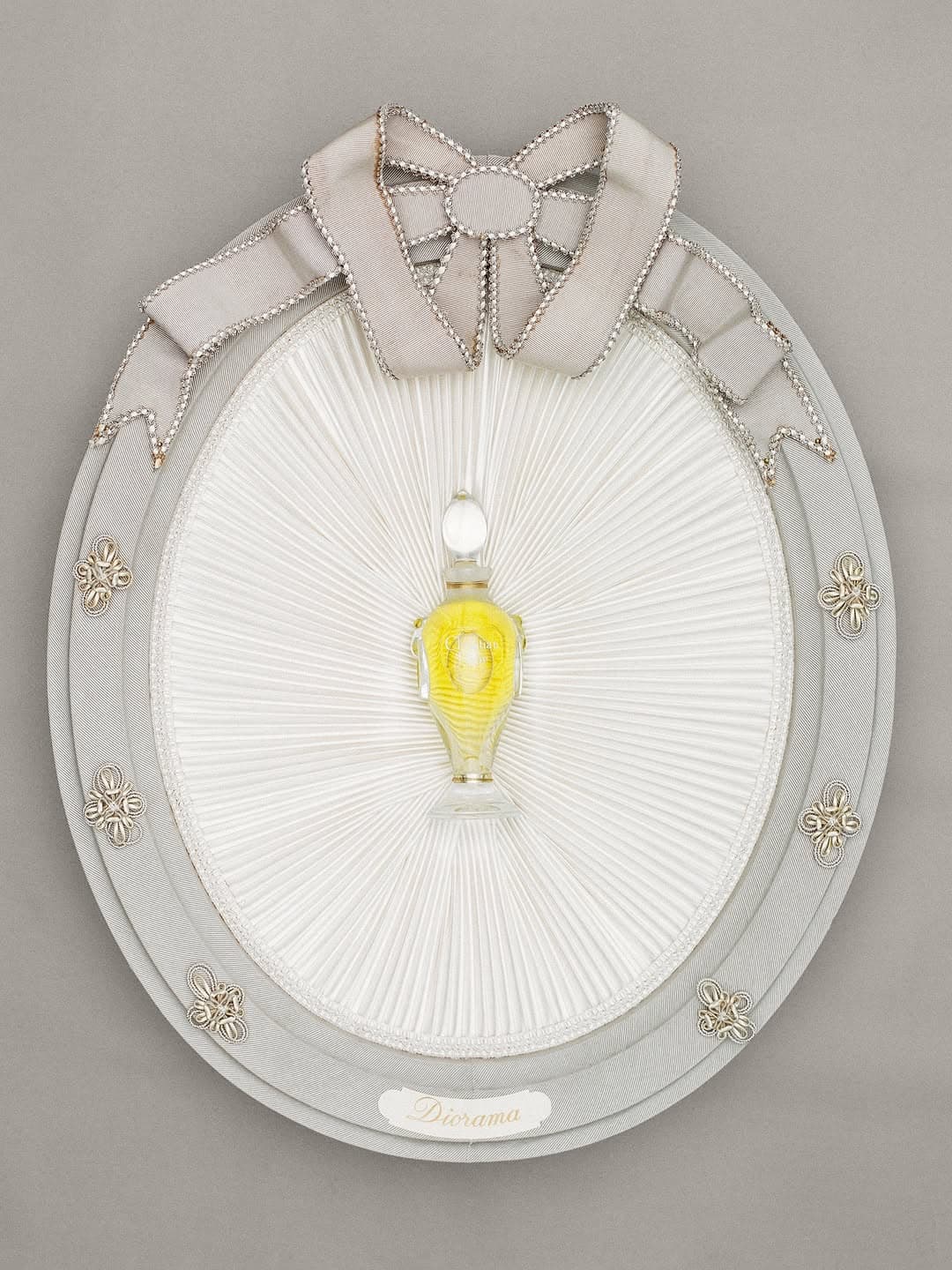
Dior Médaillon: an 18th-century signature for today
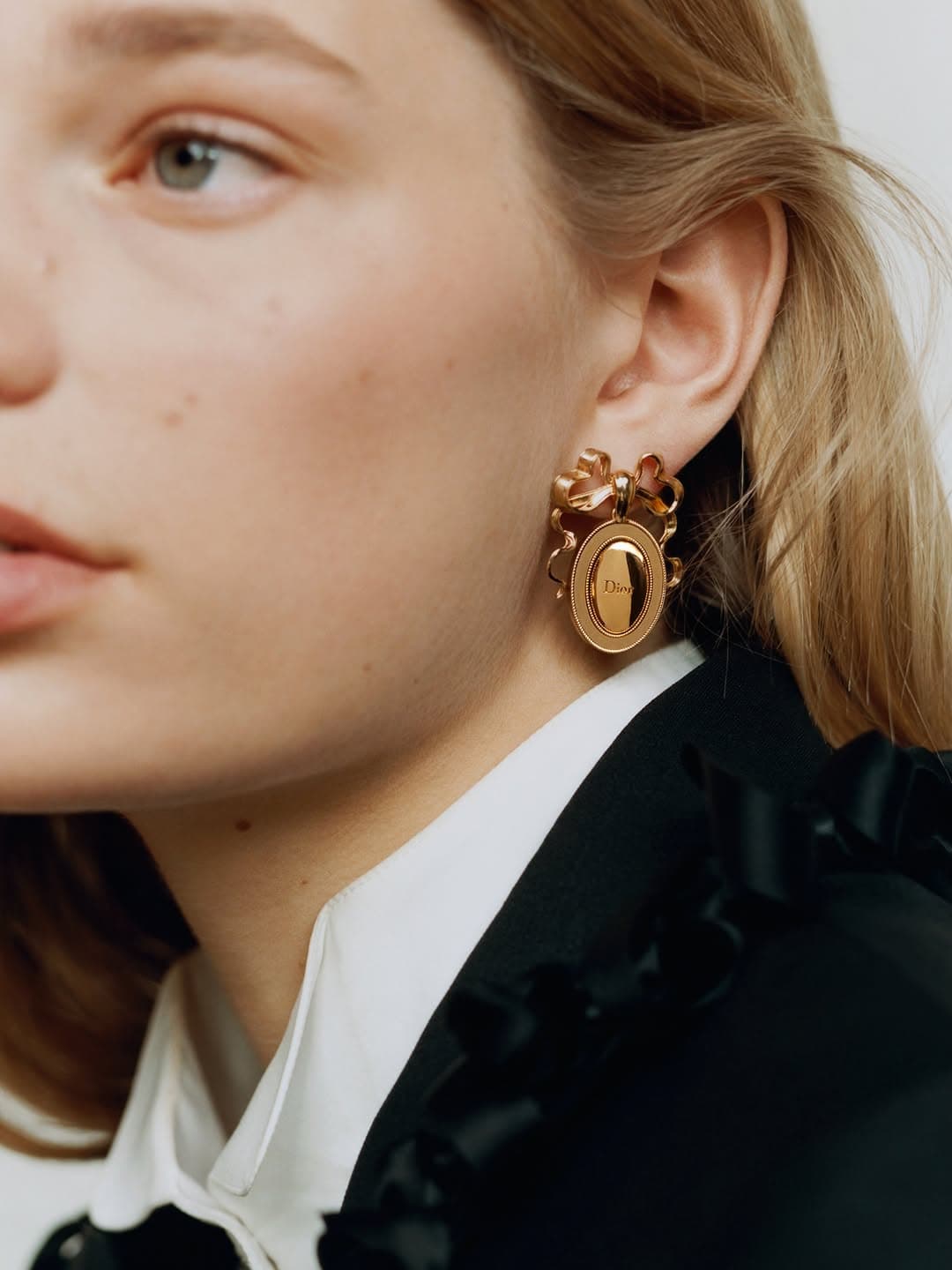
The name itself is a tell. “Médaillon” suggests something framed, precious, intentionally contained—like a miniature portrait you’d tuck close to the heart. In Dior’s hands, the motif reads as architectural: oval lines, measured ornament, a sense of Parisian interiors that whisper rather than shout. You feel it before you fully identify it—an instant of recognition, like catching a familiar perfume on a stranger’s scarf.
The reference point is unmistakably Ancien Régime France, with all its courtly codes and object-worshipping attention to craft. Yet the result lands firmly in the present: graphic enough for a crisp monochrome wardrobe, romantic enough to soften an otherwise severe silhouette.
The couture logic: why the oval keeps returning
Design history loves a circle, but the oval is its more sophisticated cousin—less perfect, more human. It elongates; it flatters. It’s also quietly loaded with references: miniature frames, cameo jewelry, the medallion-backed Louis XVI style chair that has become shorthand for Parisian refinement.
Christian Dior understood interiors as a kind of mood board long before the term existed. His famously cultivated universe—flowers, superstition, the theatre of getting dressed—was never purely about garments. It was about atmosphere. The Médaillon motif feels like a direct descendant of that worldview: decorative, yes, but purposeful. A flourish with backbone.
How to wear (and live with) the Dior Médaillon now
The temptation with heritage motifs is to treat them like museum labels: admire, then move on. But Dior Médaillon is at its best when it’s allowed to behave like a modern staple—something you reach for instinctively, not reverently.
Make it graphic, not precious
If you’re wearing the motif close to the face, keep the rest of the styling clean—think a sharp collar, hair pulled back, a mouth that looks like it knows what it wants. I’m partial to pairing heritage codes with contemporary severity: black tailoring, a flat shoe with attitude, a bag that looks like it means business. (If you live for that friction too, consider our guide to quiet luxury staples.)
Let it be your “one ornate thing”
There’s an editorial rule I swear by: one ornate element per look, otherwise you wander into costume. The Médaillon can absolutely be that one element—especially when everything else is matte, minimal, tactile. Cashmere, brushed wool, denim with structure. Beauty shouldn’t beg.
Use it as a travel signature
Motifs become meaningful when they follow you. The Médaillon feels particularly right in motion—on a city break where you pack light but refuse to look anonymous. If you’re plotting a Paris itinerary that’s more Left Bank than rigid checklist, you’ll appreciate our Paris style guide—the kind that understands a café chair can be as influential as a runway.
The craftsmanship conversation: why Dior’s heritage codes still matter
We’re living through an era where “heritage” gets thrown around like sea salt on a menu—automatic, sometimes meaningless. The difference with Dior is that the brand has always treated its codes like a language, not a logo. When a house returns to an 18th-century signature, it’s not (only) about romance; it’s about clarity. A motif like Médaillon signals taste that’s been trained, not purchased in a panic.
It’s also a kind of antidote to the algorithm. Trend cycles reward the loudest object; true luxury rewards the one you can keep wearing without feeling like you’ve time-stamped yourself. That’s why the Dior Médaillon feels so current: it’s decorative, but not desperate.
Where to find it
The collection is available in stores and online via Dior Official. If you’re shopping with intent (and you should be), decide what role you want the motif to play: iconic accent, daily signature, or collector’s punctuation mark. For a broader read on how luxury houses make the past feel urgent, our piece on heritage brands in modern revival is a smart companion.
And if you’re wondering whether an 18th-century curve can still feel sexy in 2026, consider this your answer: only if it’s done with restraint. Dior’s Médaillon doesn’t try to steal the room. It simply makes the room look better—starting with you.
Photo Credits
Cover image courtesy of Dior Official. Additional images courtesy of Dior Official. Images courtesy of their respective owners.