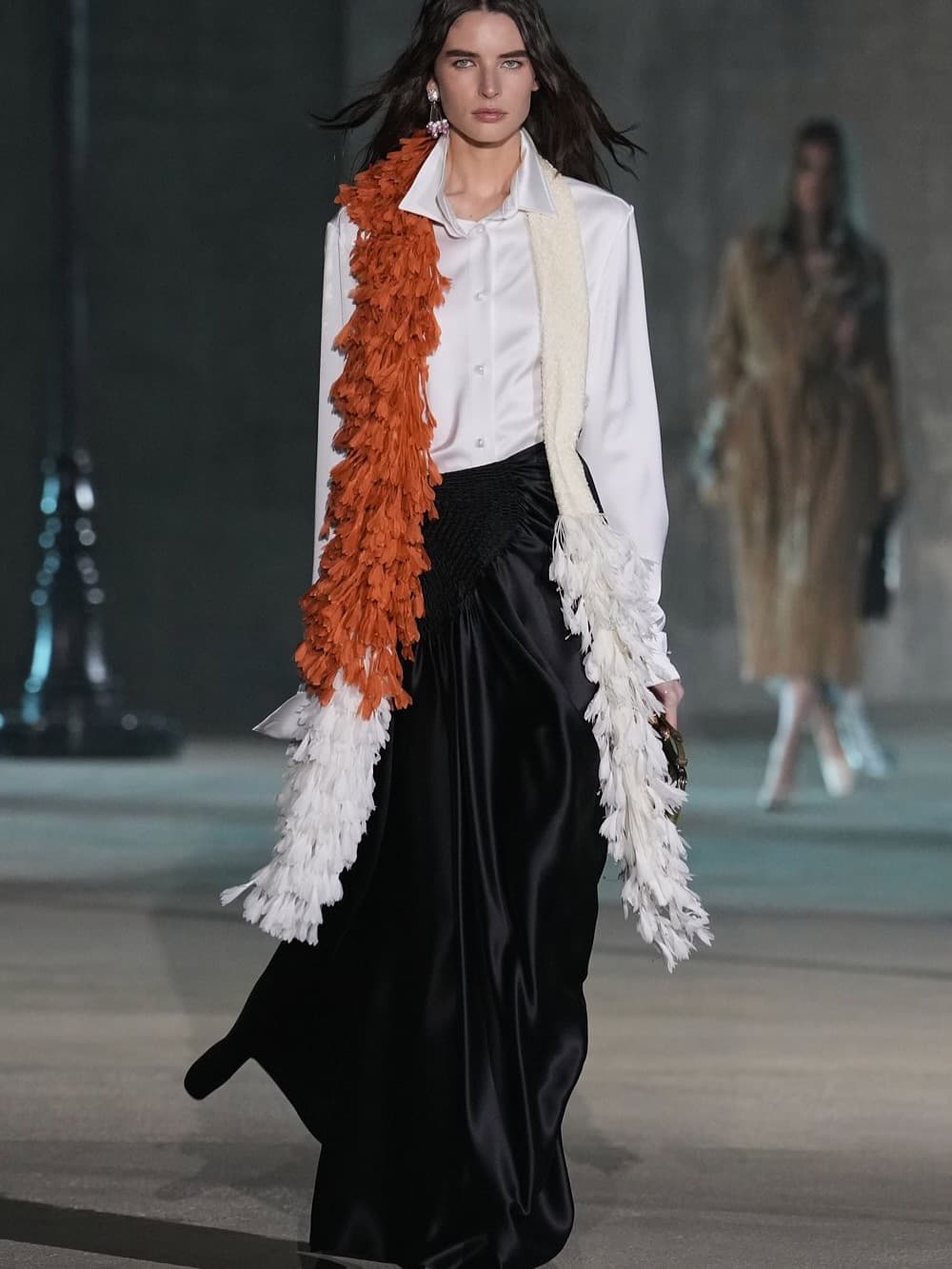
At LACMA in Los Angeles, Dior Cruise arrived with a particular kind of clarity, the sort you feel before you can explain it. Jonathan Anderson’s first outing in this chapter did not chase spectacle, it edited it. The light in the courtyard did some of the work, warming skin tones and turning fabric into something almost audible, but the real atmosphere came from his hand. Dior Cruise, here, was not a postcard from Paris. It was a conversation with the archive, spoken in a new accent.
Anderson has always understood that elegance is rarely about volume. It is about tension, proportion, and the small decisions that signal taste rather than trend. From the opening looks, you could sense a designer refusing to perform reverence, yet clearly fluent in the house’s grammar. What emerged was a wardrobe with air in it, silhouettes that moved as you watched them, details that rewarded a second glance, exactly the kind of precision Dior demands when it is at its best.
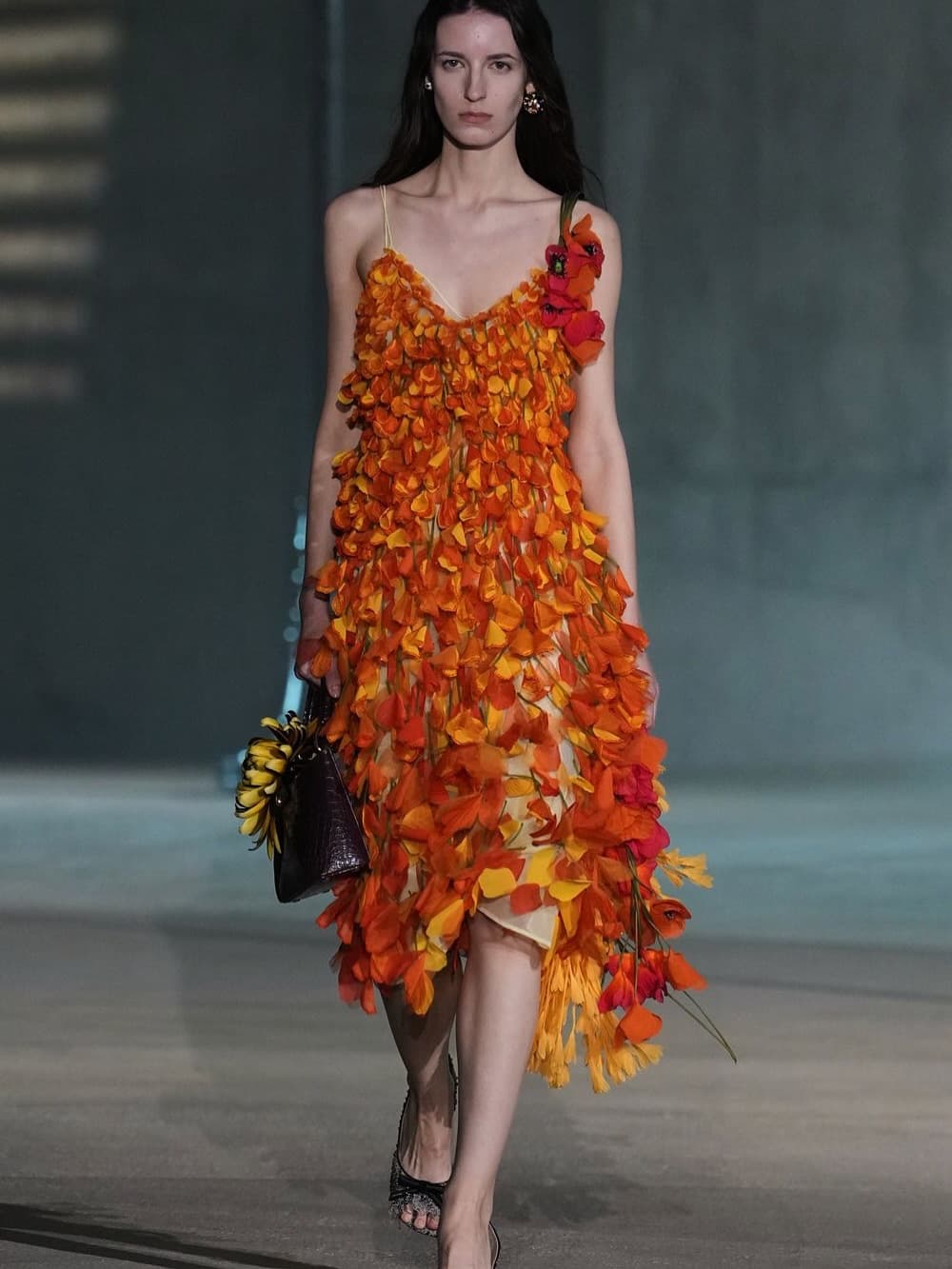
Dior Cruise at LACMA, an archive re read with a light touch
There is a specific frisson in watching a designer reinterpret a maison without pressing too hard. Anderson approached the codes like a conservator with nerve. He let the idea of Dior hover rather than insist. Ethereal shapes appeared and then de resolved, hems and panels catching the breeze as if the clothes were designed with Los Angeles in mind, not merely staged there. Textures did not sit still. They shimmered, they floated, they moved with the body instead of armoring it.
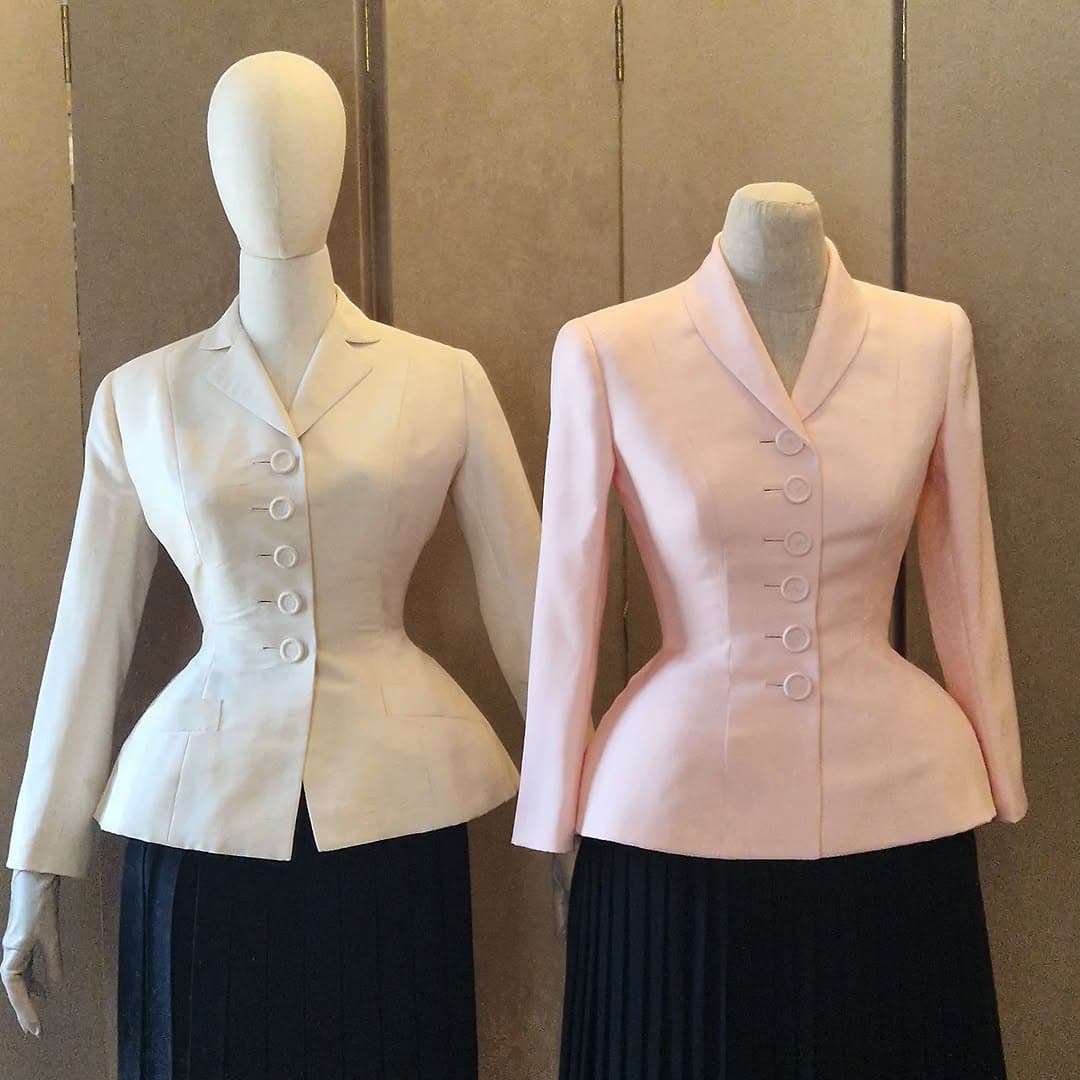
It was less about quoting Christian Dior directly and more about reanimating the principles, line, poise, femininity that does not beg permission. The most convincing moments were those where classic house signatures were present as a suggestion, a curve here, a studied shoulder there, never a costume. That restraint is, in its own way, a statement.
For those looking for the official word, the house context is best traced via Dior itself, but what you felt at LACMA was something more elusive, a designer mapping Dior’s past onto the tempo of right now.
Minute details, the kind that separate clothing from fashion
Anderson’s eye thrives on minutiae, and that sensibility translated beautifully into a Cruise collection, a category too often reduced to resort fantasies. Here it had craft. Finishes were exacting. Surfaces looked worked, not merely decorated. The overall impression was of garments built to be lived in by someone who notices the difference between pretty and compelling.
If you are the sort of reader who follows runway language across seasons, you will recognize how this intersects with wider conversations we have been tracking in Fashion, where the pendulum is swinging back toward tactility and away from empty provocation.
Accessories as punctuation, the bee bag and Treacy’s Dior headwear
The accessories did not behave like afterthoughts, they carried the collection’s wit. The bee shaped bags were the kind of object that could have tipped into novelty, but in the context of all that controlled softness, they read as charm with purpose. A small jolt of iconography, sweetened, not saccharine.
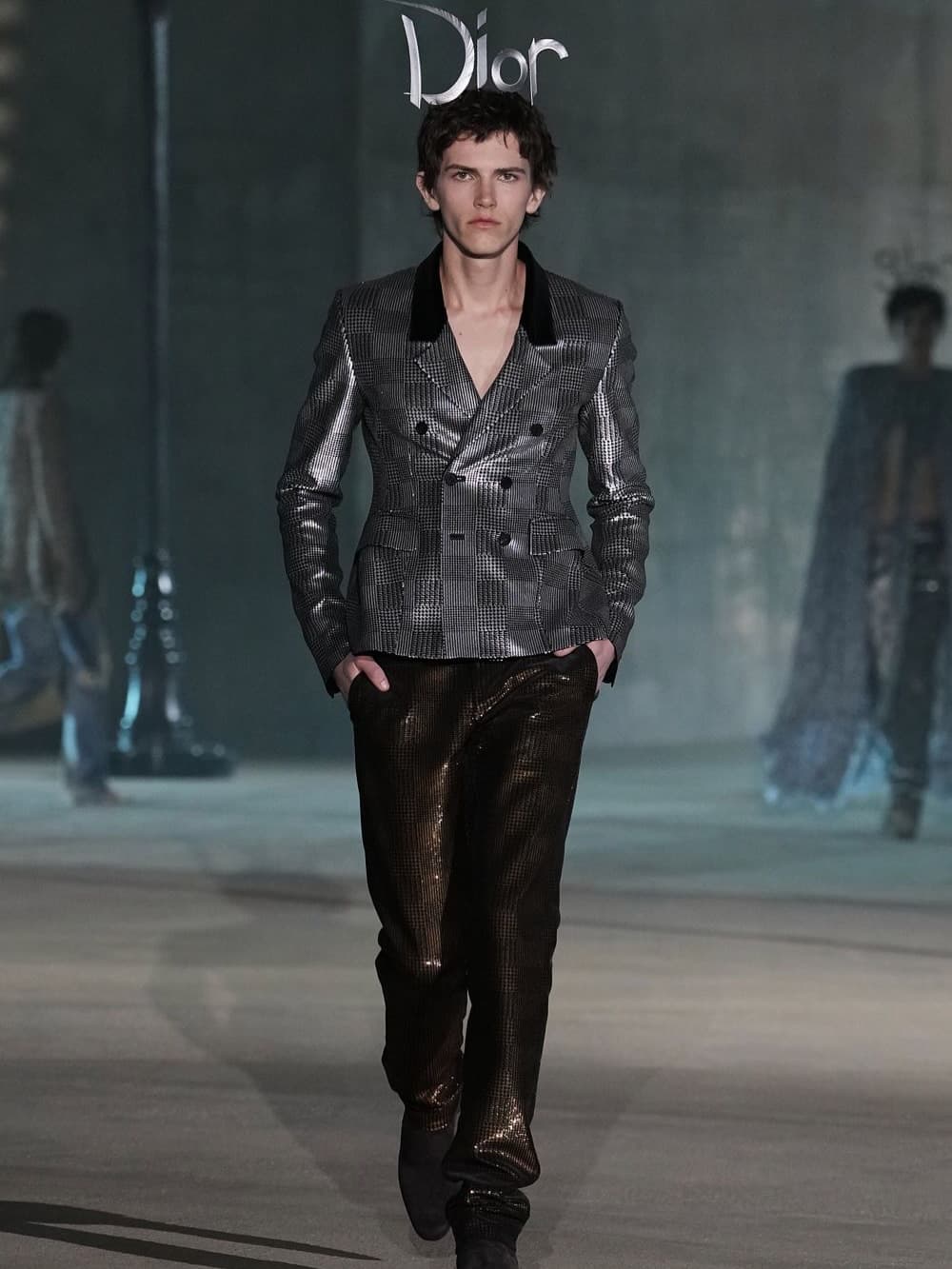
Scarves came with fluidity, moving like water when the models turned, the simplest gesture and suddenly you understood why stylists will pounce. And then there were the headpieces, created in collaboration with Philip Treacy, bearing the name Dior. They felt both ceremonial and strangely modern, like a nod to couture’s theatrical lineage translated for a city that understands costumes, but prefers them with subtext. Treacy’s world is its own canon, and seeing his hand here was a reminder that true fashion is rarely made in isolation. For more on his oeuvre, there is no better starting point than Philip Treacy.
The Saddle Bag, now after dark
The nocturnal versions of the Saddle Bag were the season’s most obvious take home fantasy, rendered in shifting tonalities and finishes that caught light in different ways, gloss, sparkle, appliqué. This is where Dior Cruise became particularly legible for clients, the promise of an evening piece that still feels like Dior, but speaks in a slightly altered register. If you have been watching how accessories are steering desire across luxury, our coverage in Luxury has been circling the same question, what makes an icon feel alive again.
What Jonathan Anderson’s Dior Cruise suggests about the house now
This debut did not shout. It persuaded. In a moment when fashion often mistakes noise for authority, Anderson’s Dior Cruise suggested a different kind of confidence, one built on edit, texture, and a respect for the intelligence of the audience. It also made a strong case for Los Angeles as more than a backdrop. LACMA’s cultural gravity, the city’s relationship to image making, and the open air ease shaped the reading of the clothes. You left thinking about movement, about light, about the way a garment behaves when it is not trapped indoors.
Of course, the internet will flatten it into a handful of viral accessories. That is inevitable. But the collection’s real accomplishment was quieter, a recalibration of what Dior Cruise can be when it is treated as fashion with point of view, not just a destination show. For a broader look at the museum context, LACMA is worth revisiting, even digitally.
For more runway intelligence and the cultural aftertaste that comes with it, keep an eye on our Culture coverage, where fashion is never just about clothes.
Photo Credits
Cover image courtesy of L’Officiel Chile. Images courtesy of their respective owners.