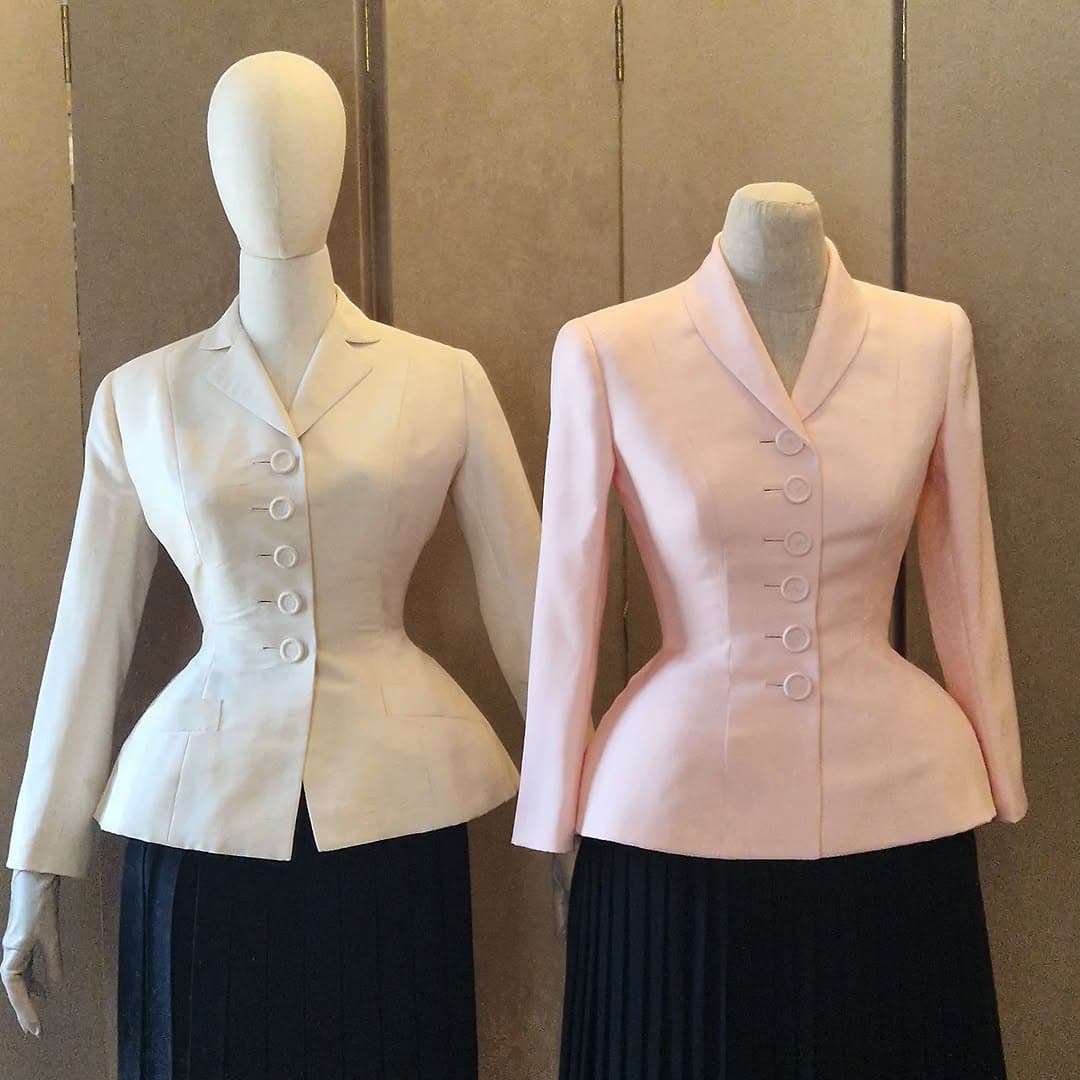
Choosing between the 1947 and 1957 Dior Bar Jacket is not really about right and wrong, it is about what kind of elegance you want to inhabit. The Dior Bar Jacket has become fashion shorthand for a certain idea of femininity, but when you look closely, the differences between these two incarnations are the whole story. One holds on to a trace of wartime discipline, the other leans into a new softness, a silhouette that knows it is being watched.
For anyone who loves clothes the way a collector loves paper, by touch, by construction, by the small decisions that make a garment feel inevitable, the Bar Jacket is a lesson in how taste becomes shape. It is also, in a very practical way, a masterclass in tailoring, where each button count, collar line, and pocket treatment quietly shifts the mood of the wearer.
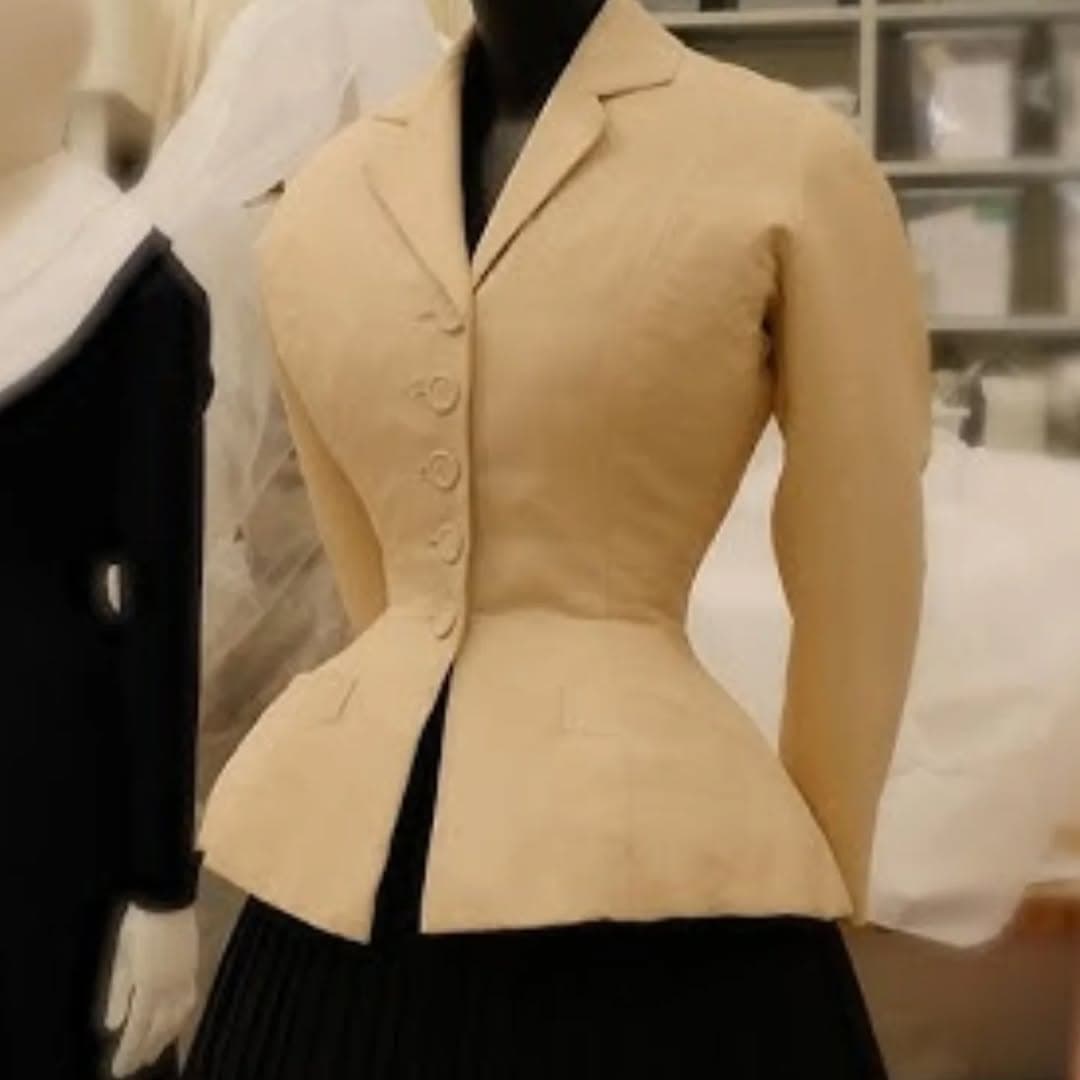
The Dior Bar Jacket dilemma, 1947 versus 1957
The original 1947 New Look Bar Jacket still carries a certain squareness, an echo of rationing and rules. That is not a criticism, it is precisely its allure. The line through the shoulders reads firm, almost architectural, and the little shawl collar keeps the face framed in a way that feels intimate, even slightly guarded. With no pockets and six buttons, it is uncompromisingly formal. It asks you to commit. You do not throw it on, you step into it.
The 1957 edition, by contrast, has the confidence of a decade that has relaxed into itself. The shape is more rounded, the flared basque feels more pronounced, and the addition of welt pockets changes everything. Pockets, even discreet ones, signal a readiness for real life. The notched collar brings a crispness, a faintly masculine note, and the five button closure looks cleaner, less ceremonial. If the 1947 version is a statement made in a low voice, the 1957 reads like an effortless certainty.
Why the 1947 cut still feels modern
There is something bracing about the 1947 cut, the way it refuses to pander. The slight wartime squareness makes the waist look even more carved, because the contrast is sharper. The shawl collar, smaller than you remember from later iterations, adds a softness without becoming romantic. Its lack of pockets is often framed as a drawback, but aesthetically it keeps the front uninterrupted, pure line, pure intent.
If you tend to dress with a sense of restraint, if you like the idea of looking polished without looking approachable, this is your Bar Jacket. Pair it with a pencil skirt that moves narrowly, or modernise it with straight, high waisted trousers in dense wool. For context and reference, it is worth revisiting the house gloss of the silhouette via Dior, where the jacket is continuously reinterpreted, sometimes faithfully, sometimes with a wink.
Why the 1957 cut is the one people actually wear
The 1957 version is more generous, not in size, but in spirit. The rounded shape reads friendlier. The welt pockets bring a practicality that also looks visually satisfying, a small horizontal punctuation at the hip that emphasises the flared basque rather than interrupting it. The notched collar makes it easier to integrate into a contemporary wardrobe, especially if your style already leans tailored.
It is also the cut I see most often on women who buy one serious jacket and wear it relentlessly. It works with denim, it works over a slip dress, it even behaves over a fine knit without making you feel pinned. It still gives you the Bar Jacket promise, the waist, the poise, the posture, but it asks less of your day.
What to look at, beyond the romance of the name
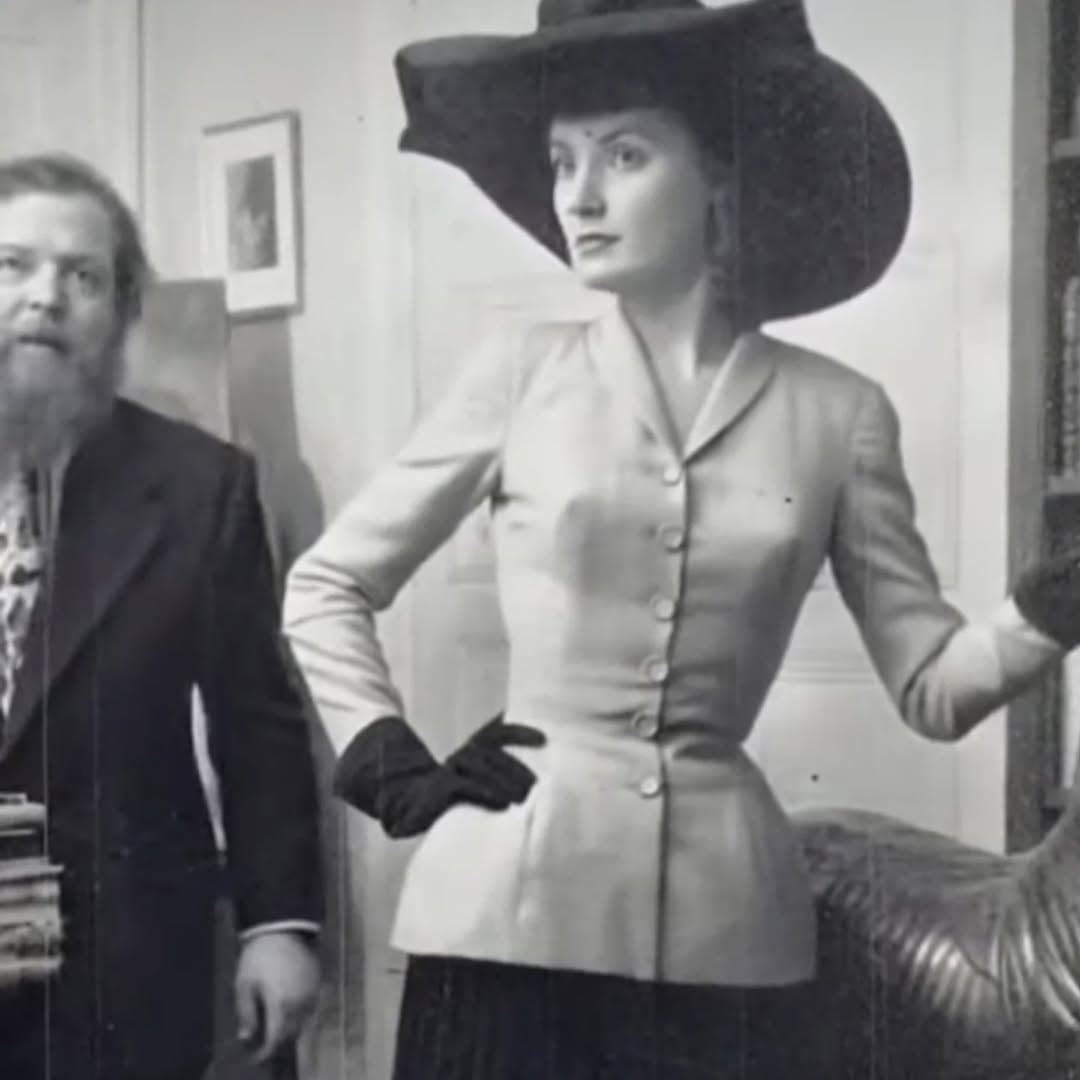
When people shop or study the Dior Bar Jacket, they fixate on the silhouette, but the more revealing details live closer to the body. Buttons control how the front collapses or holds, pockets change the visual tempo, collars dictate whether your neck and jaw look severe or softened. Those are not trivia, they are the difference between feeling like you are playing dress up and feeling like you are simply, decisively, yourself.
If you want to deepen your eye for craft, it helps to read widely. The Metropolitan Museum of Art offers useful context on Christian Dior and the New Look, and for intelligent, close fashion history that never feels dusty, the V and A remains a satisfying rabbit hole.
My preference, and the question you should ask yourself
If I had to choose just one, I would take the 1947. Its slight severity is exactly what makes it seductive. It is a jacket with a point of view, and you feel that the moment it settles on the shoulders. But if you are choosing for a life you actually live, commuting, dinners, the strange in between hours, the 1957 is the smarter companion. It flatters without insisting, it signals taste without shouting.
The better question is this. Do you want your Bar Jacket to feel like armour, or like ease. Both are valid forms of glamour, and both deserve to be worn with intention.
Learning the Bar Jacket, from the inside out
There is a particular satisfaction in understanding a garment at the level of its construction, the way an interior structure can create an exterior calm. If the Dior Bar Jacket has ever made you curious about how tailoring creates shape, there is an opening in an in person masterclass this September, with dates for 2027 also published. The details live on the instructor’s website, as referenced in the original announcement, and it is exactly the kind of study that turns admiration into discernment.
Photo Credits
Images courtesy of their respective owners.