There is a particular hour, after the day’s finish but before dinner, when a Tour town exhales. Bar chairs scrape, glass clinks against stone tables, and the conversation shifts from gradients and gaps to the simpler question of who is actually staying up. That is where Tissot’s Inside the Tour de France experience likes to begin, not on the barriers, but just off the route, in the persuasive calm of good company.
Inside the Tour de France: why Tissot shows up beyond the finish line
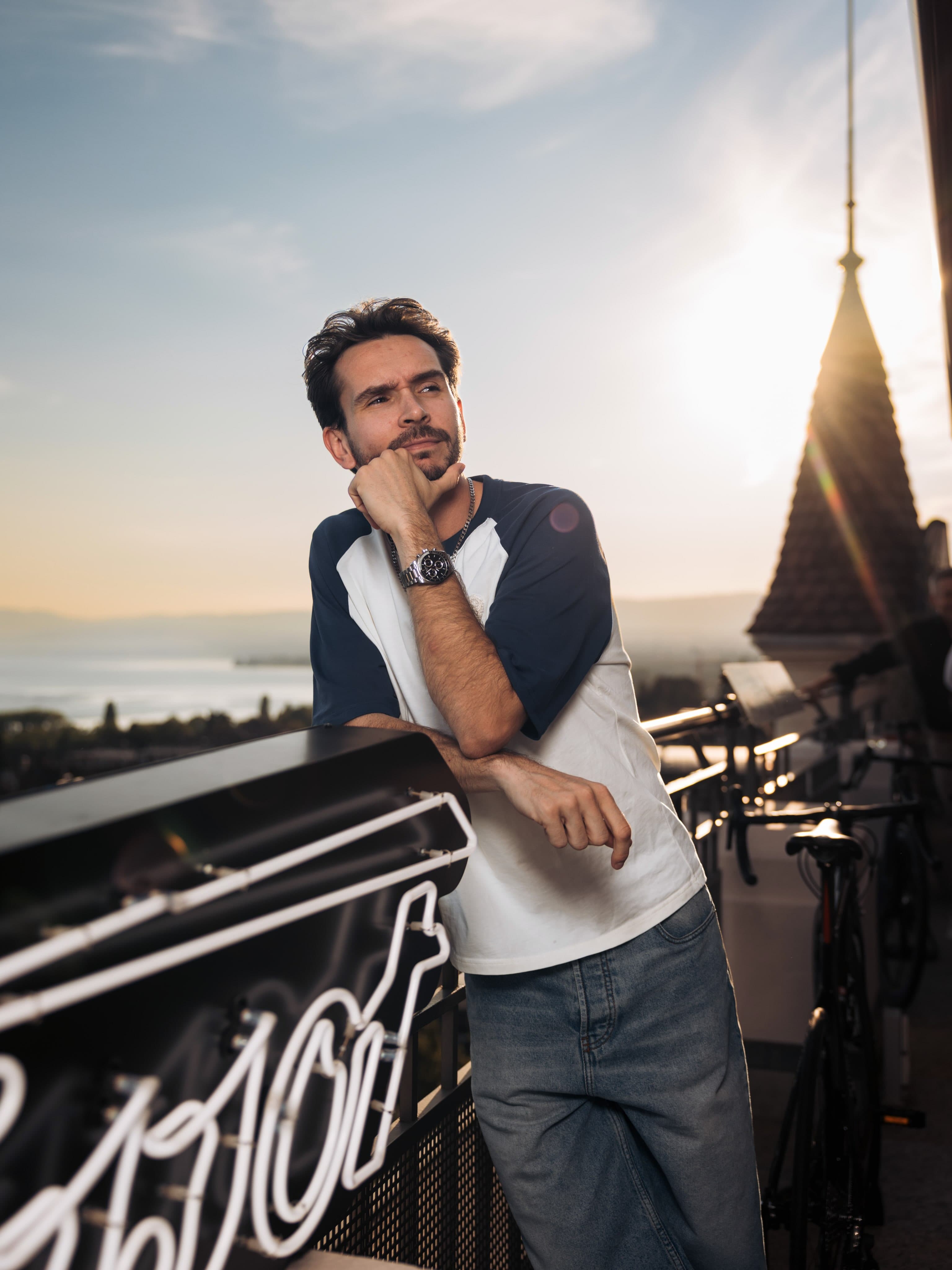
For decades, Tissot has positioned itself where sport meets ceremony, and cycling is one of its most public stages. The brand has been the Official Timekeeper of the Tour de France since 1988, a date that matters because it frames the relationship as infrastructure, not ornament. When you notice the timing graphics, the clocks, the numbers that decide a stage and sometimes a rivalry, you are noticing the quiet labour of timekeeping and the brands that underwrite it. Tissot lays out that long-running role plainly on its own Tour page, and the 1988 detail is a clean anchor for understanding why “Inside the Tour” is built as access rather than spectacle. Tissot keeps its cycling story tied to measurable things: seconds, rankings, and the choreography that allows a race of this scale to function.
So if the caption on social reads like a teaser, it is because the experience itself is designed that way. It leans into anticipation, a night before the doors open, the kind of setup that makes tomorrow feel like an appointment rather than a scroll.
Off the route: the more interesting Tour atmosphere
The best Tour memories are often side angles. A half-heard cheer from a balcony. A waiter who knows exactly when the rush will hit because he has lived the race for years. A conversation that starts with a stage profile and ends with a local recommendation you will never find in a guidebook.
That off-route energy is what Tissot appears to be bottle-feeding here: a memorable evening first, then the “Inside the Tour de France” reveal. This sequencing matters. It reframes the brand presence as hospitality and pacing, rather than a sponsor logo pinned to the day’s drama. In a sport where timing decides everything, choosing when to show the race can be a statement in itself.
A watch brand’s advantage: precision as theatre
Anyone can throw a party during the Tour. What a watchmaker can do, when it is serious, is turn precision into theatre. The most persuasive experiences are never about explaining the obvious. They are about letting you feel how much effort sits behind what looks seamless on television: the timing, the coordination, the moment the crowd noise swells because the convoy is close.
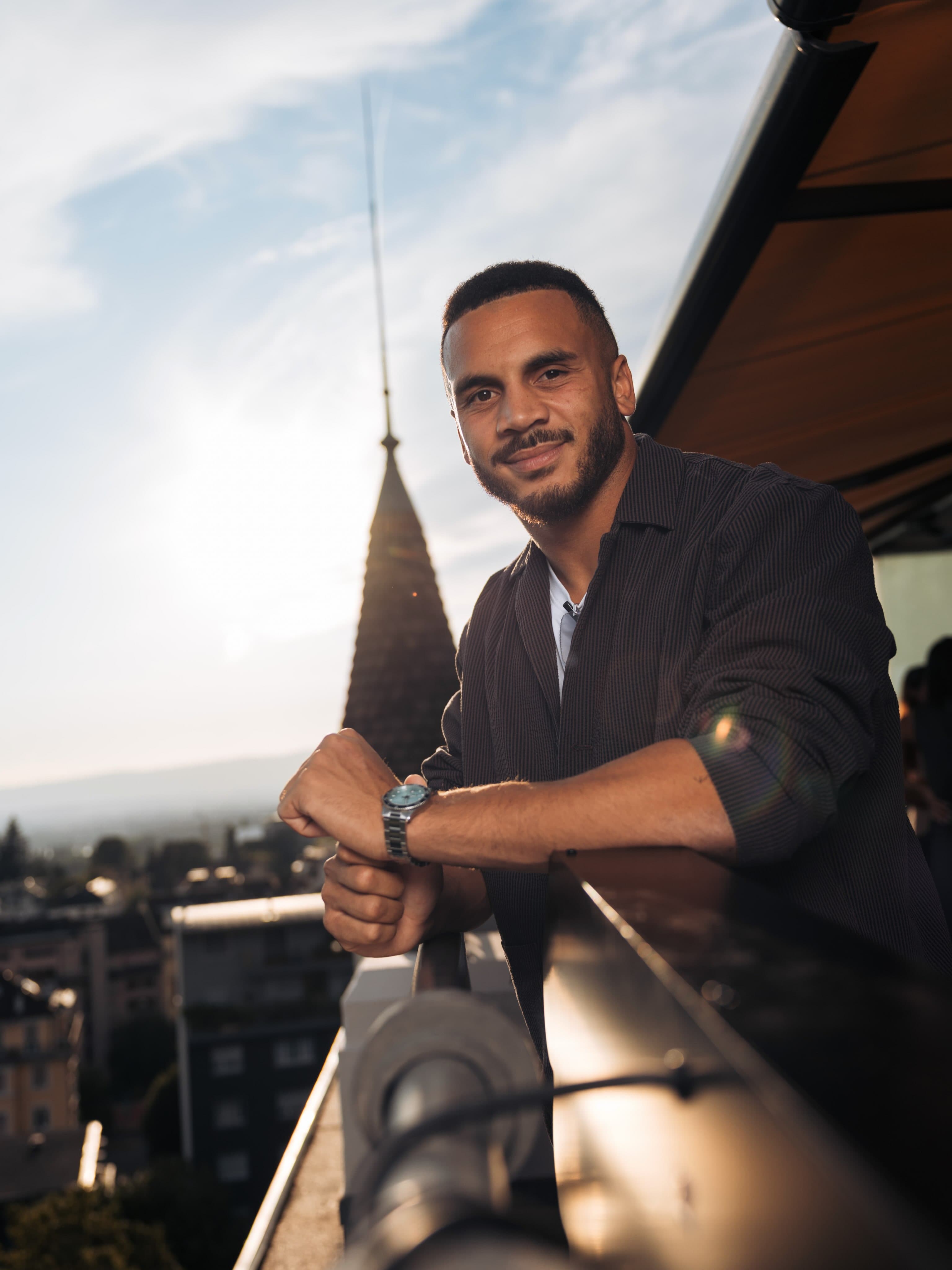
If you have been tracking how luxury brands are rewriting sports access, this sits neatly alongside the broader conversation we have been having about how Watches houses increasingly use major events as live storytelling platforms, and how that intersects with our wider look at Culture shifting toward experiences that can be photographed but are better remembered unposted.
What to look for when “Inside the Tour de France” unfolds
The caption promises a tomorrow reveal, and without over-claiming what the next chapter contains, there are a few elements that typically distinguish a true “inside” view from standard VIP gloss. Access is one. Proximity is another. The third is narrative, being guided through the day with enough context to make the small things land: where the officials stand, how timing is verified, what the atmosphere is like when everyone is waiting for the first rider to appear.
However Tissot stages this particular edition, the brand’s cycling credibility is not a vague association. It is a relationship with a start date, a role, and real operational consequence inside the race. If you want the most checkable overview of the Tour itself, including the race’s structure and history, the organisers’ site is the clean reference point. Tour de France keeps the framework legible, which is useful when you are trying to understand what “inside” could realistically mean.
For now, the best detail is the simplest one: the experience begins with a deliberate detour, away from the obvious vantage point, and treats the evening as part of the race day. That is a very Swiss way of thinking about sport. Time is not only what is measured. It is what is arranged.
Photo Credits
Cover image and additional images courtesy of their respective owners.