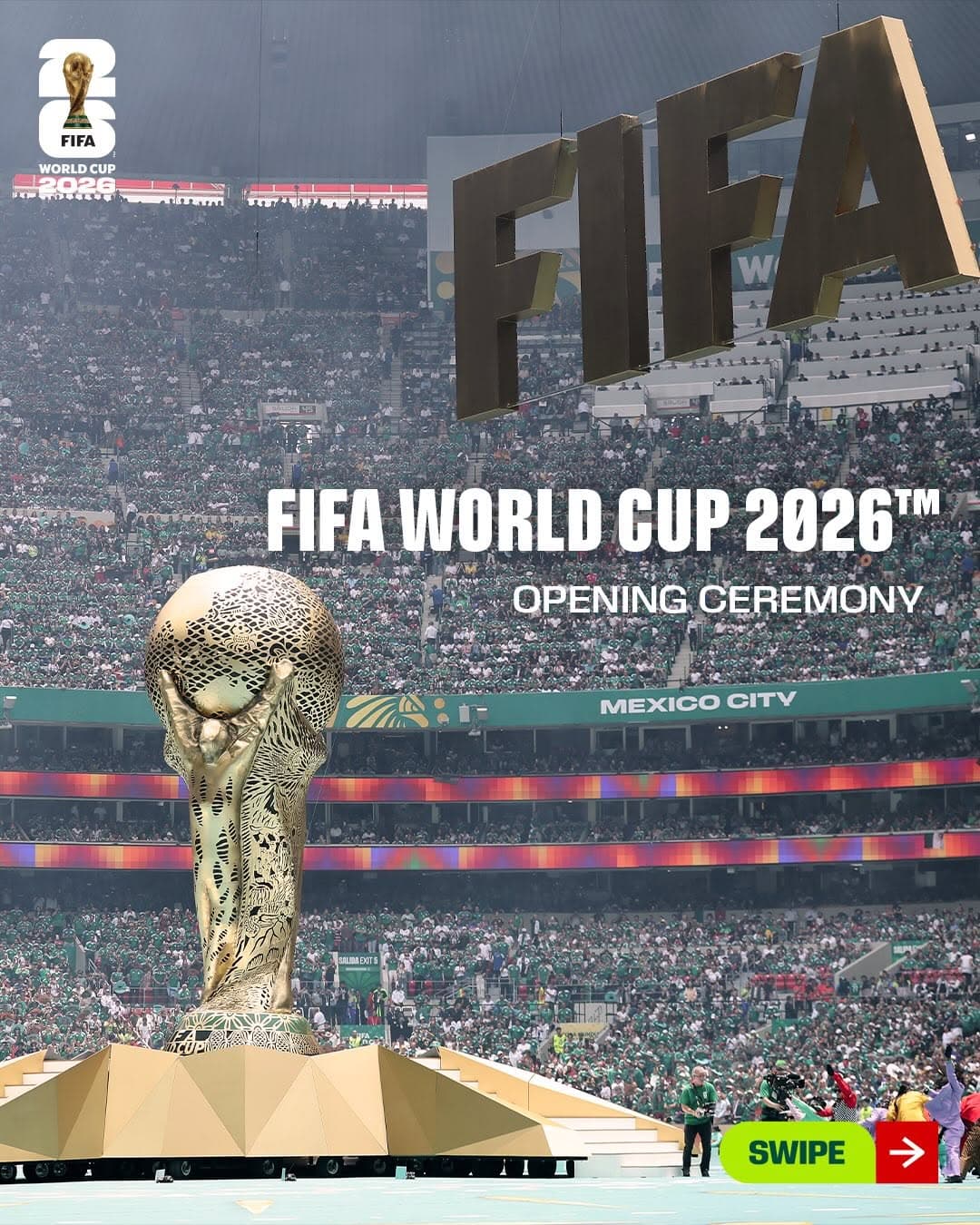
Kicking off in style is often promised and rarely delivered. In Mexico City, the FIFA World Cup opening ceremony made good on the phrase, not with empty spectacle, but with a sense of place you could almost taste. The air felt electric in that particular way only this city can manage, thin with altitude, dense with anticipation, threaded through with percussion and the soft metallic glint of stadium light.
There is always a risk that an opening ceremony turns football into wallpaper, a glossy prelude that belongs to the broadcast more than the crowd. Here, the energy read as unmistakably local, theatre with a pulse. Mexico City did not borrow grandeur, it generated it.

Kicking Off in Style, the Mexico City Way
The most memorable ceremonies understand rhythm. They move like a well cut suit, structured, intentional, never frantic. The staging leaned into scale without sacrificing intimacy, offering those small, human moments that travel farther than fireworks. Even from a distance, you could sense the choreography giving space to breath, to surprise, to the kind of collective gasp that turns strangers into a single audience.
If you have ever planned travel around culture rather than convenience, you know the pleasure of arriving somewhere that feels alive to itself. Mexico City has that confidence, a city that can host the world without flattening its own personality. For readers who treat sport as part of a broader social calendar, this was a reminder that the best nights in a stadium are also nights in a city.
Sound, light, and that rare feeling of cohesion
The music carried the room, and the lighting did what lighting should do at this level, it sculpted emotion. Nothing looked accidental. The spectacle was calibrated, not chaotic, giving the ceremony a clean narrative line from opening beat to the final swell. It is the difference between noise and composition.
More Than a Ceremony, A Cultural Postcard
Mexico City is a capital of appetites, for art, for design, for street level beauty that never asks permission. It makes sense that the FIFA World Cup opening ceremony here would feel less like an obligation and more like an invitation. The city has spent decades refining its own visual language, from muralism to contemporary fashion, and you could feel that legacy in the way the night was staged, proud, modern, and unmistakably rooted.
For a broader read on the tournament and its official signals, FIFA remains the primary compass. But the story in Mexico City was always going to be bigger than the governing body. It was about how a global event lands in a place with its own gravity.
Why the world keeps looking to Mexico City
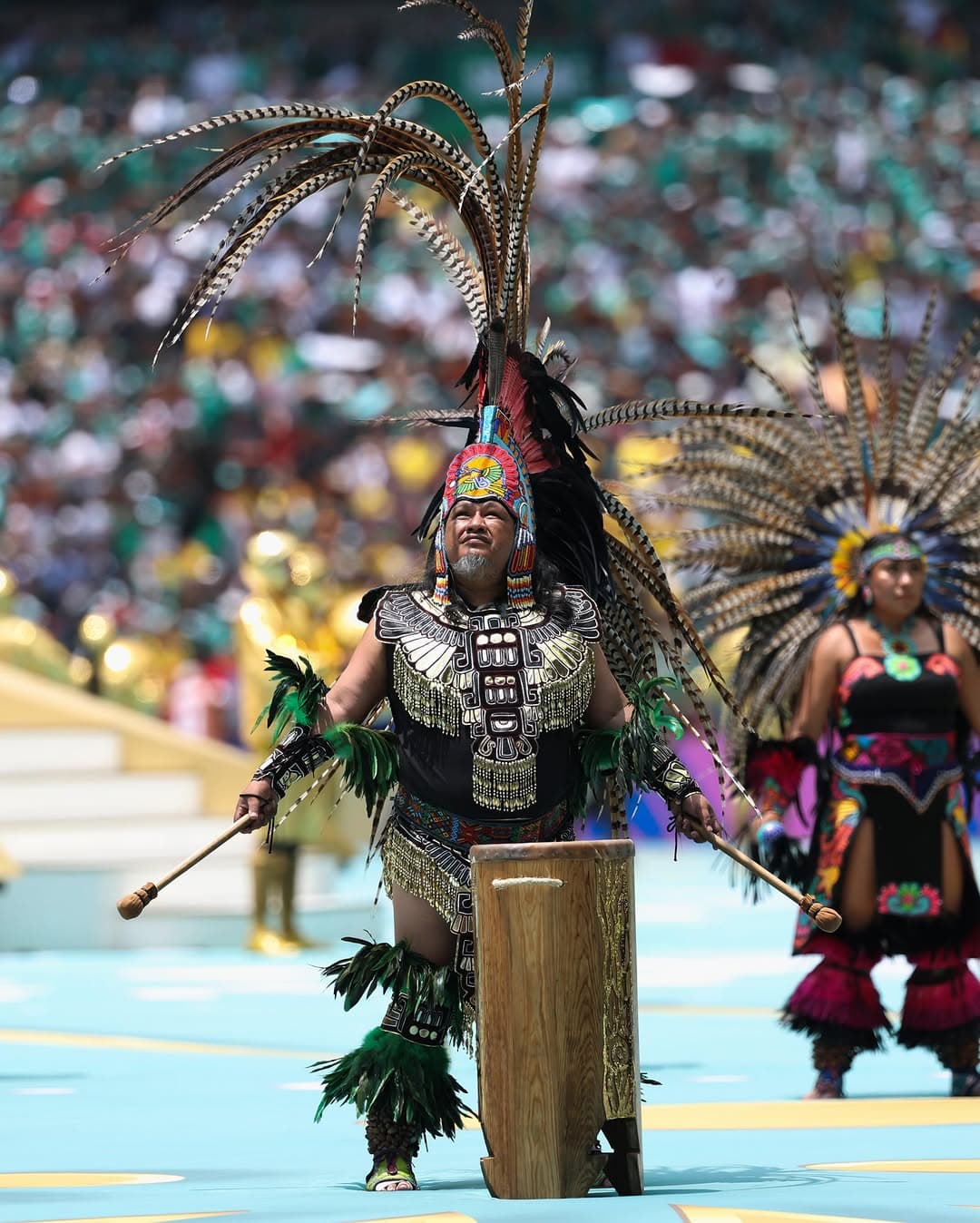
It is fashionable to talk about cities as brands, and usually it is a lazy idea. Mexico City resists that simplification. It is too layered, too contradictory, too deliciously specific. One moment is all monumental architecture and civic drama, the next is an intimate street corner with late night snacks and music spilling out of a doorway. That complexity is precisely what makes it a compelling stage for a global opening night.
How to Watch It Like a Style Editor
Try this, watch the ceremony the way you would watch a runway show, with attention to pacing, silhouette, and the small choices that reveal taste. The best moments did not shout. They lingered. They understood that elegance is often a matter of restraint, even in a stadium filled with sound.
If you are following the cultural ripple effects, our coverage tends to live at the intersection of style and city life. Start with Culture, then dip into Celebrity for the people and performances that inevitably orbit a night like this. And because sport always brings its own language of craftsmanship and precision, the lens of Luxury can be surprisingly apt, not as a price tag, but as a standard of execution.
Where the ceremony sits in the larger World Cup story
The opening ceremony is, in many ways, a negotiation between the official narrative and the host city’s character. When it works, it does not feel like compromise. It feels like collaboration. Mexico City’s contribution was clarity, confidence, and a willingness to be itself on the biggest stage in football. That is kicking off in style in the only way that matters, with identity intact.
For those tracking the wider conversation around the event and its impact, it is worth reading reporting from sources like BBC Sport for context, and revisiting how major sporting nights can shape city narratives in outlets such as The New York Times Soccer.
Photo Credits
Images courtesy of their respective owners.