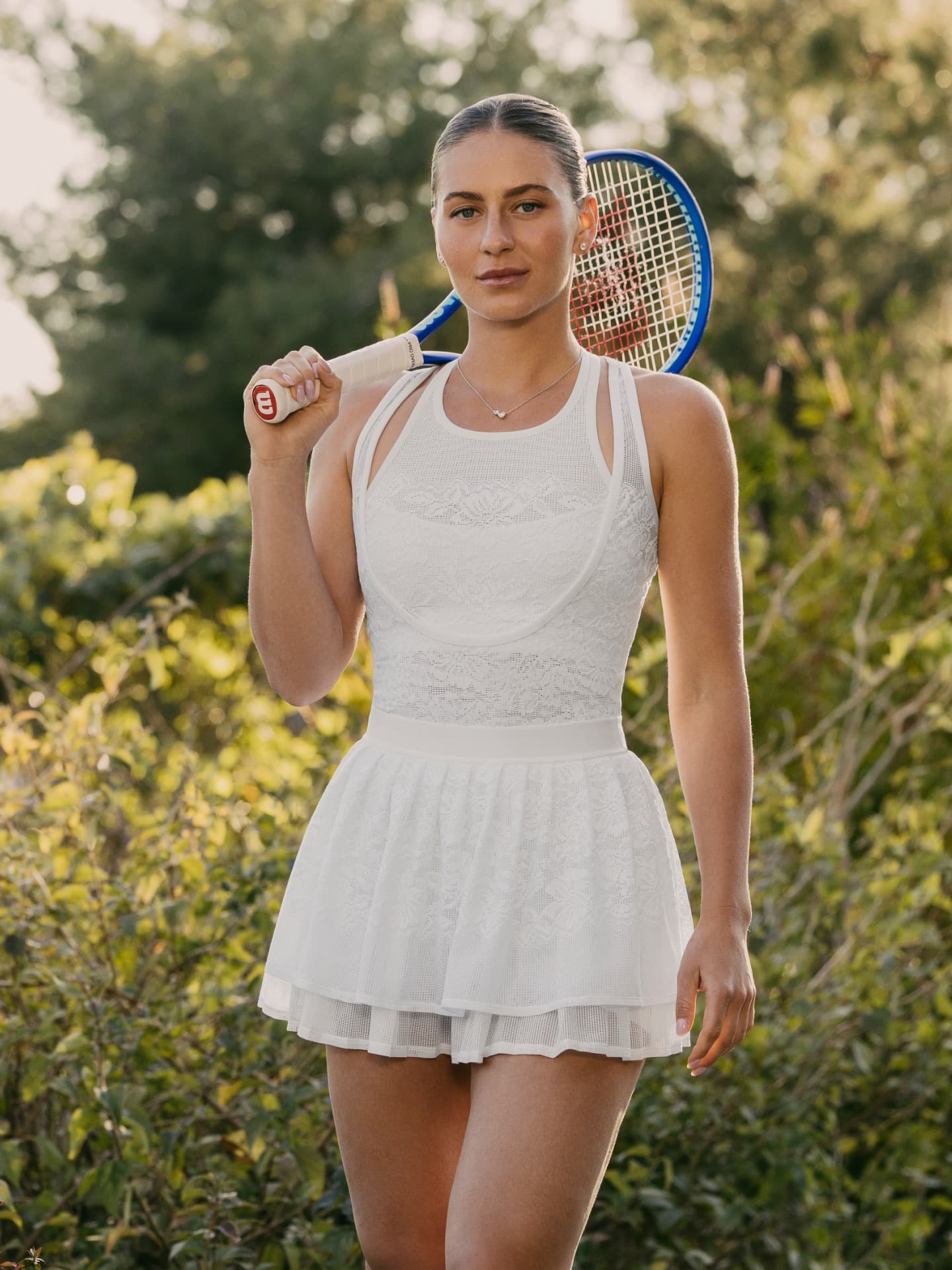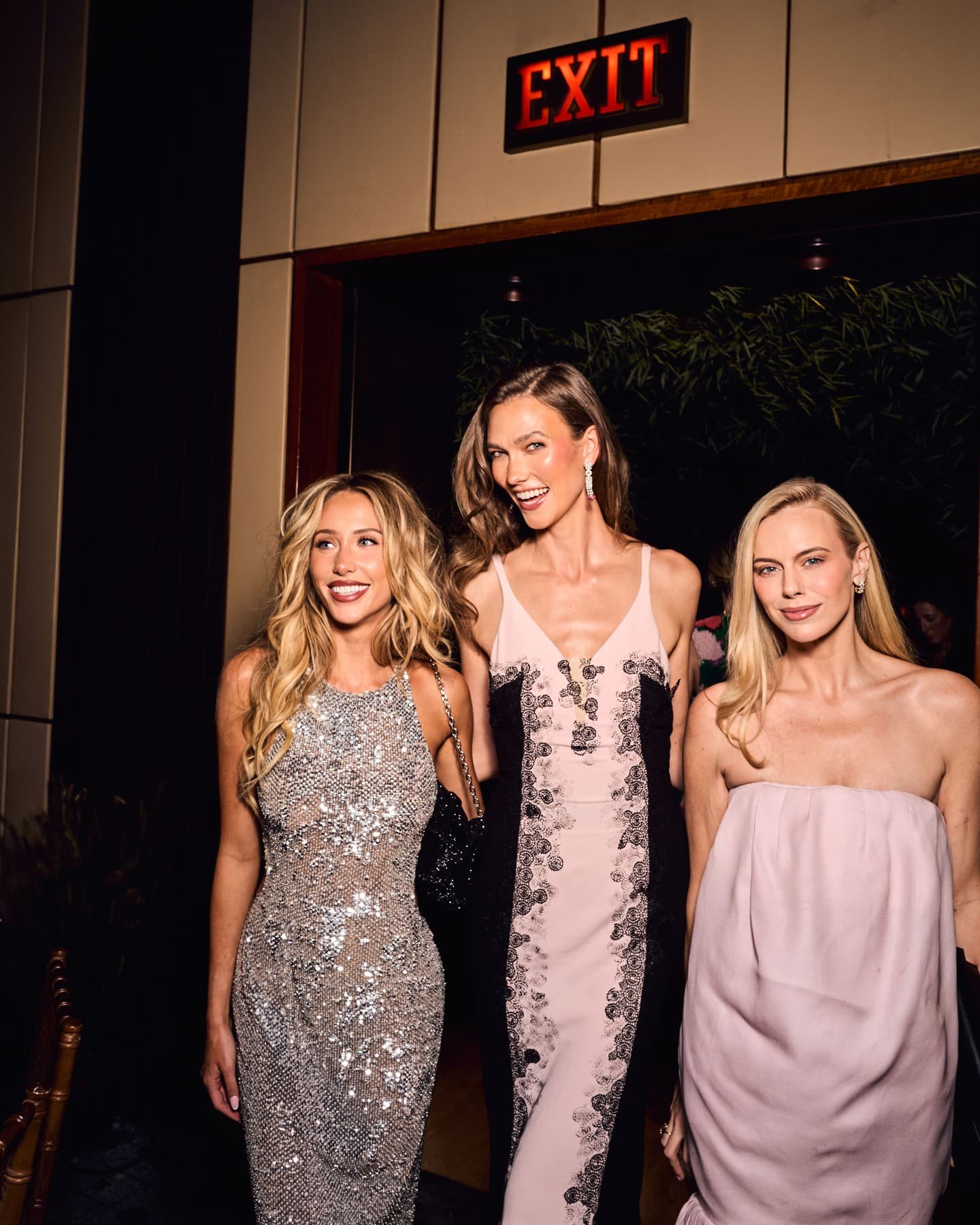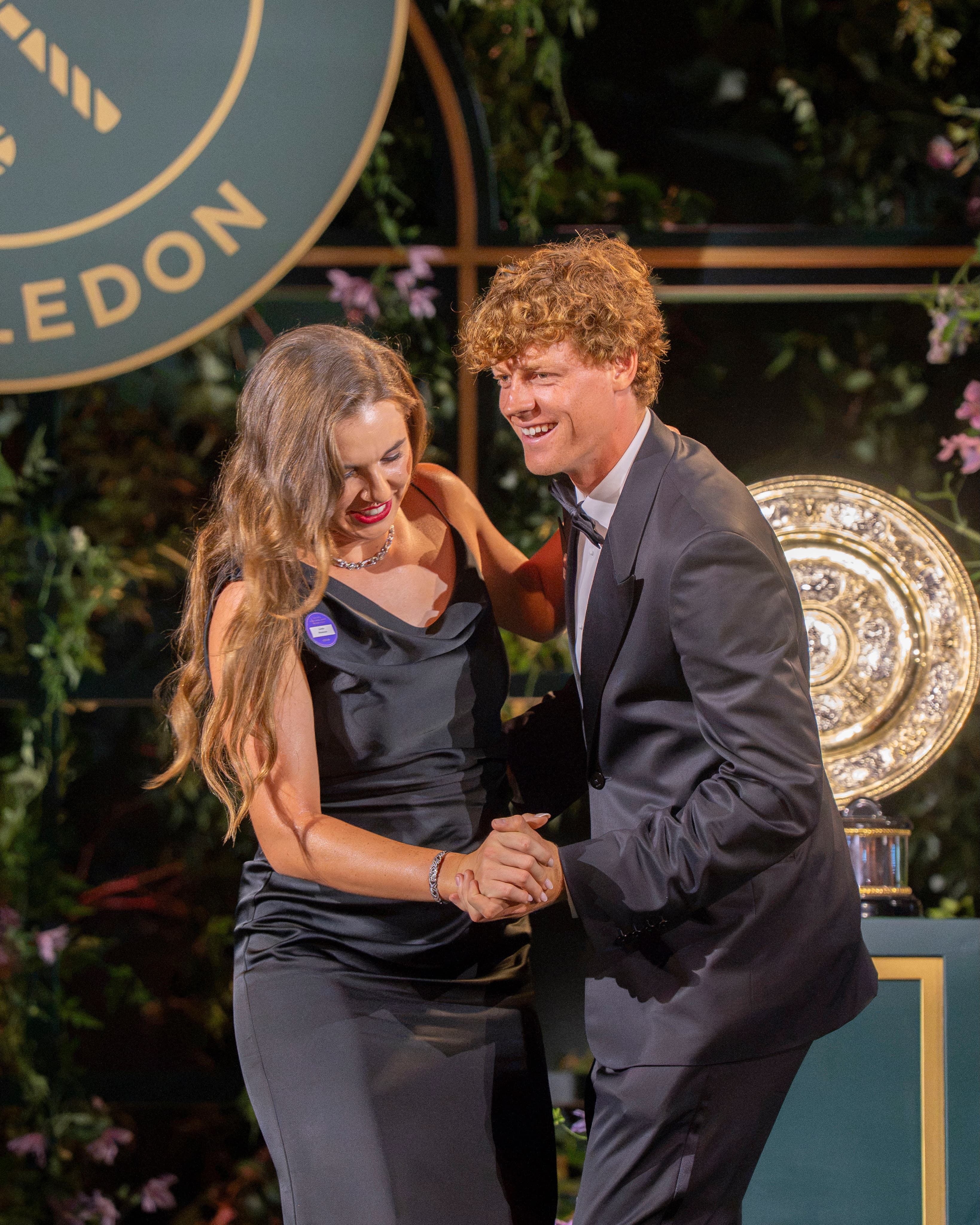
There is a particular way a Wimbledon crowd moves when the tennis loosens its tie. A few steps in the aisle, a shoulder dipped toward a neighbour, a grin that says the Centre Court rulebook has, for a second, been replaced by rhythm. The caption that set this off is direct and slightly mischievous, “Let’s dance,” tagged to Jannik Sinner, Lindy Nosková, and Wimbledon. The images feel like that moment when sport becomes culture in public, performed as much as it is played.
Wimbledon dance moment, why it lands
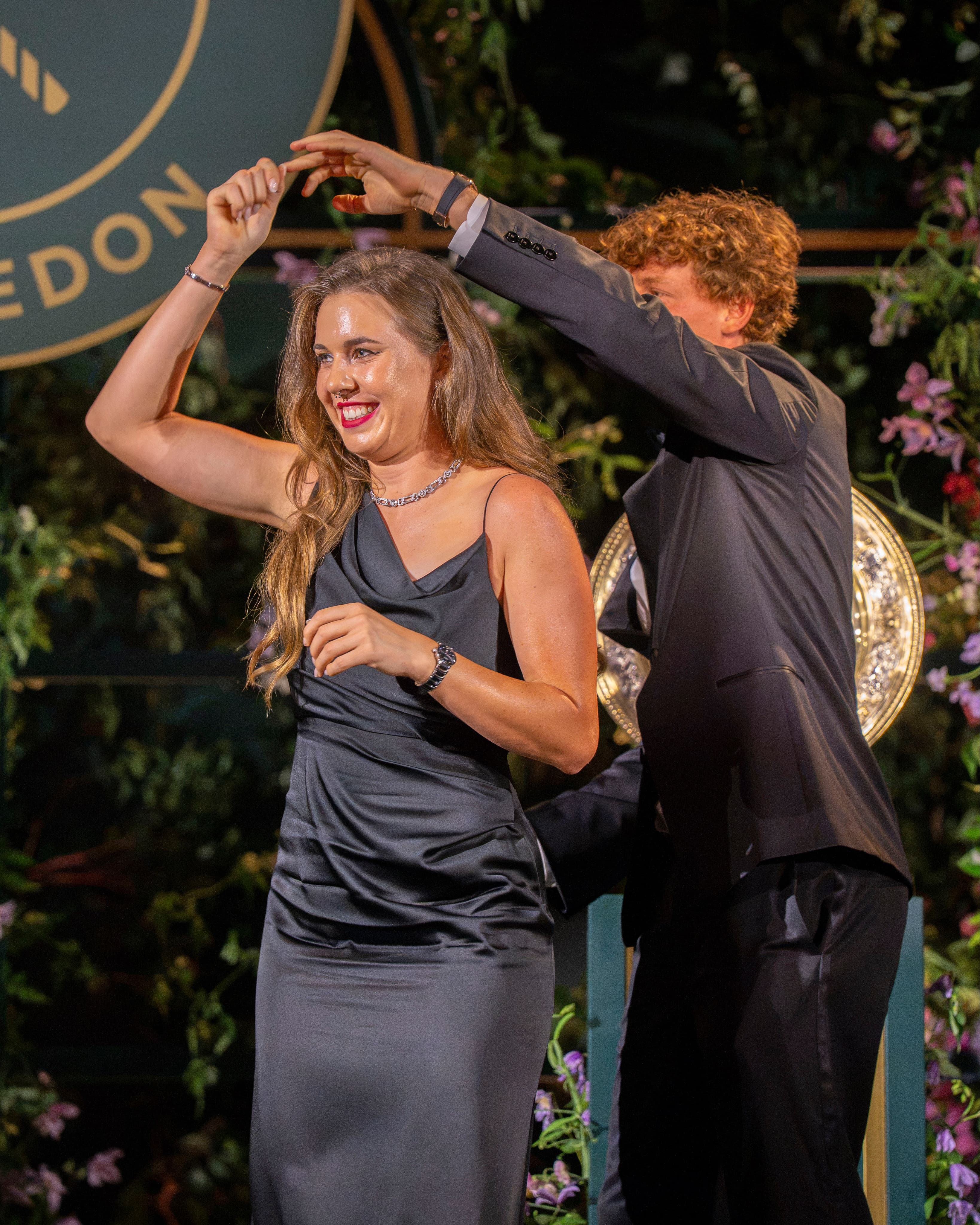
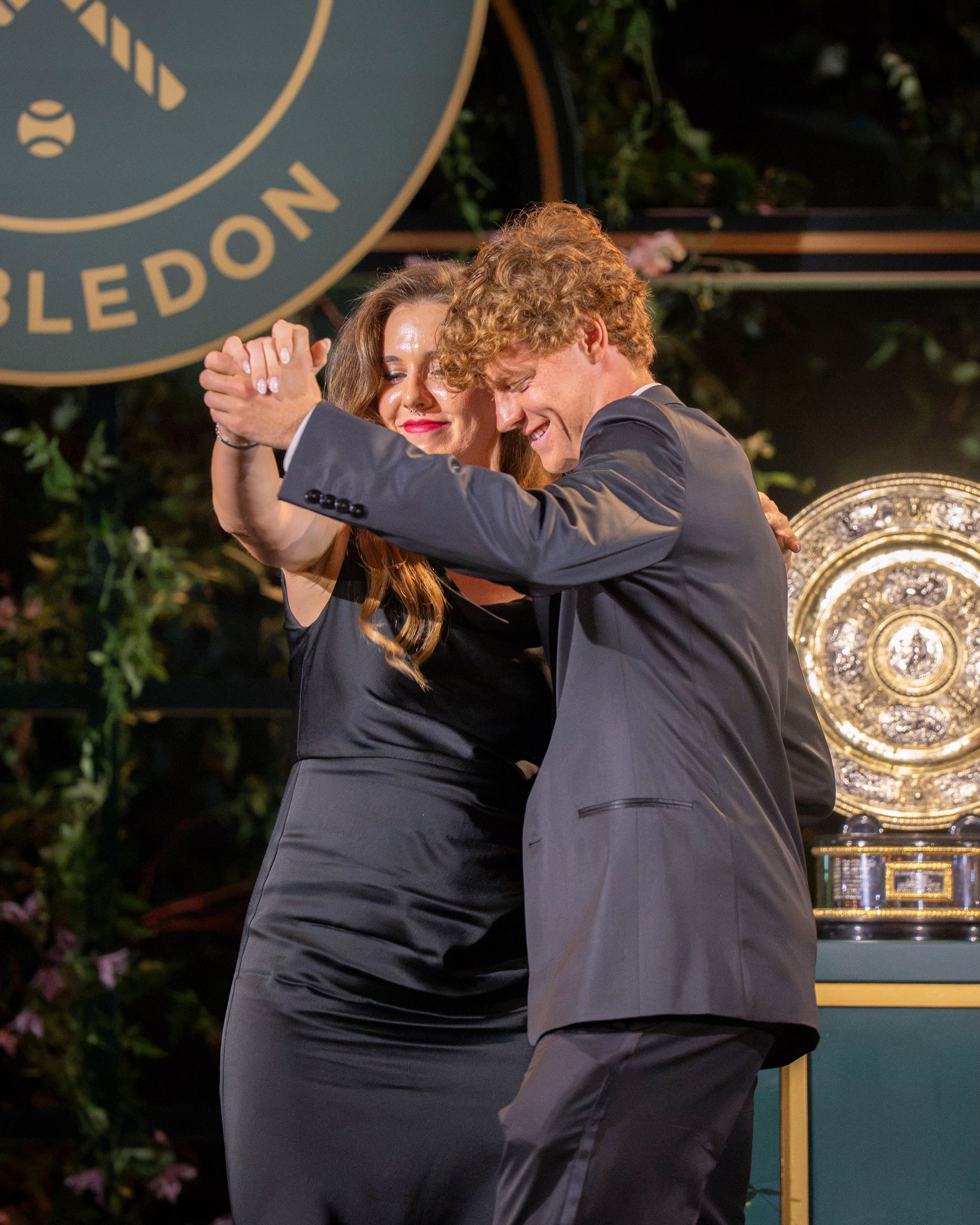
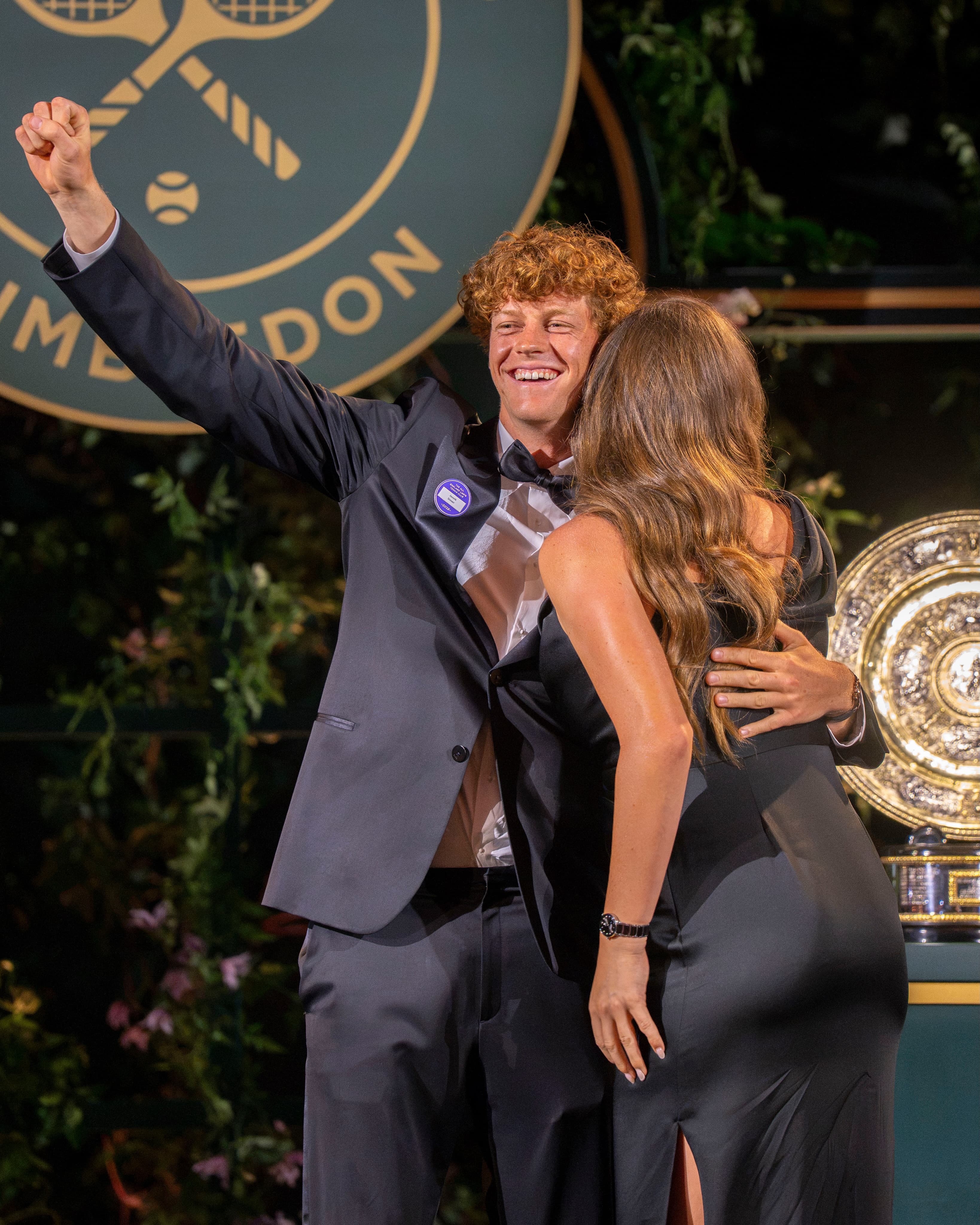
A Wimbledon dance moment works because Wimbledon is built on choreography already. Players walk out through familiar tunnels, towels are folded to a ritual standard, applause rises and collapses with a precision that can seem rehearsed. When someone like Sinner appears in a lighter beat, or a player like Nosková is caught mid laugh, it registers as a small rebellion against the tournament’s strict visual language.
Jannik Sinner, the Italian star whose game is defined by clean timing and brutal acceleration, has become one of the most photographed faces in modern men’s tennis, especially at majors where every gesture is amplified. Lindy Nosková, the Czech player who has been climbing the sport’s ranks with unapologetic power, carries a different presence, less pre edited, more spontaneous. Put their names in the same Wimbledon tagged frame and you get a storyline that is not about a match score, it is about persona.
Jannik Sinner, Lindy Nosková, and the new Wimbledon frame
For years, the tournament’s visual codes were dominated by formality, crisp whites, clipped celebrations, the camera lingering on royalty and polished spectators. In recent seasons, the most shareable Wimbledon moments are often peripheral to the point by point action. The “dance” caption fits neatly into that shift, a nod to the idea that Wimbledon is now an arena for micro scenes, not only sets and tie breaks.
That is also why a Wimbledon dance moment spreads faster than a straight match highlight. You do not need to know the draw, the opponent, or the scoreline to understand the image. You understand the mood immediately: two elite athletes, a tournament with a century scale reputation, and a split second where the body language is playful.
What Wimbledon officially is, and what it has become online
Officially, Wimbledon is The Championships, staged by the All England Lawn Tennis Club in London, and it remains the only Grand Slam played on grass. That fact matters, because grass encourages a different style of movement, quicker decisions, lower bounces, and points that can end before the crowd has finished inhaling. The tournament’s own framing, history first, has never changed. The audience’s framing has.
Social media rewards the sideways glance, the improvised celebration, the corridor walk, the two second dance. A Wimbledon dance moment is, in that sense, a modern souvenir, proof that the most tradition heavy stage in tennis still allows for a human beat.
If you want to place the setting precisely
Wimbledon is held at the All England Lawn Tennis Club in Wimbledon, London, and the tournament’s grass court identity and history are outlined by the organisers themselves. Those details are not trivia, they are the backdrop that makes a playful clip or image land harder.
Wimbledon’s official site maintains the tournament’s current schedule, venues, and format.
Elsewhere in Best Magazine, we have explored how sport codes shape what people actually wear and share in the stands, from celebrity courtside style to the way luxury brands borrow tennis signalling without ever mentioning a racket.
For the players named in the caption, the simplest takeaway is also the sharpest: when the world is watching, even a small dance becomes part of the season’s visual memory, filed alongside forehands and trophy shots. Another Wimbledon dance moment will happen soon enough, in a hallway, at a player party, or between rounds, and it will travel just as far as the tennis.
Photo Credits
Images courtesy of their respective owners.