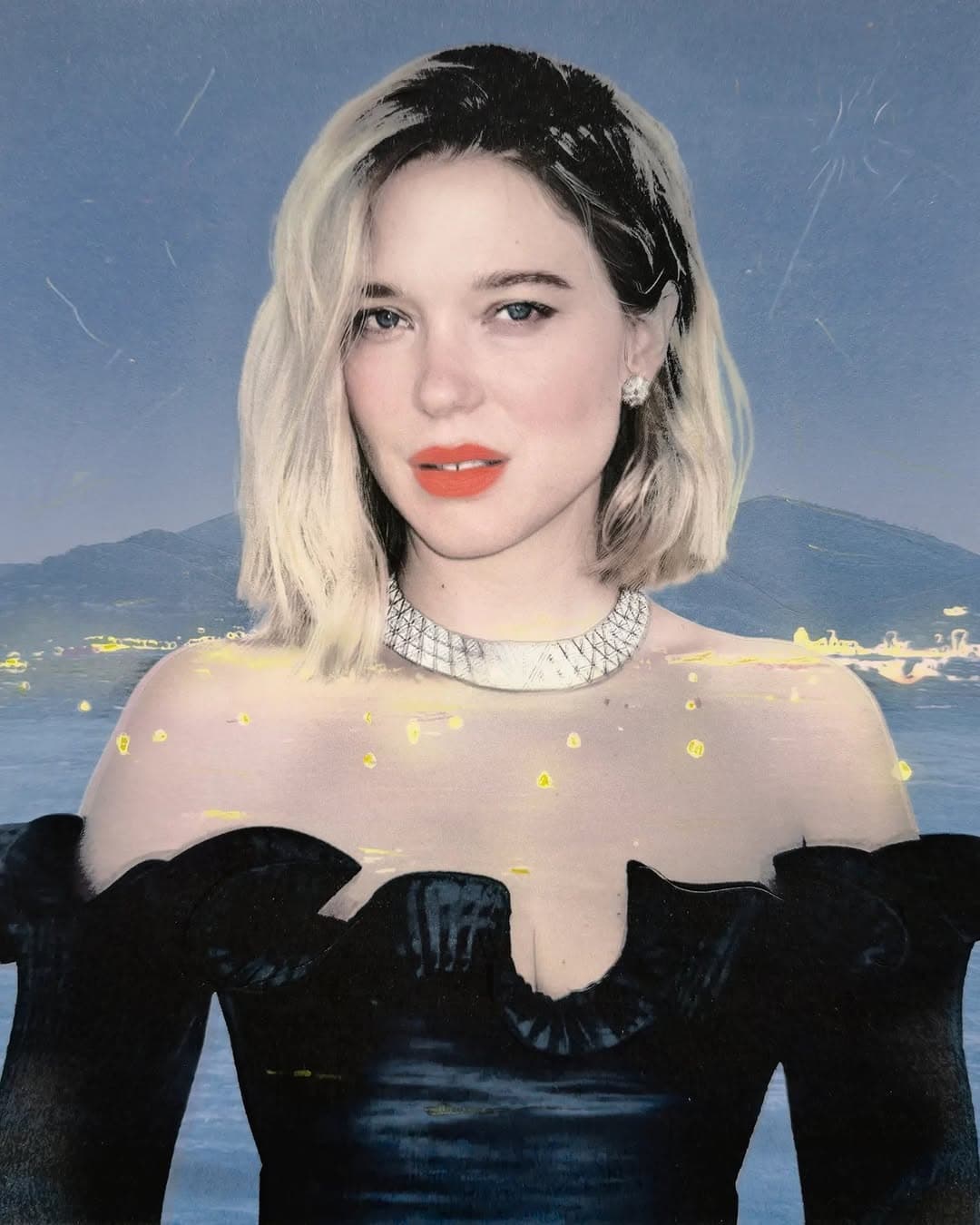
Léa Seydoux Cannes fashion has always been less about the scream of a trend than the quiet authority of a decision. This year, with two films in competition at the 2026 Cannes Film Festival, she is doing what the most intelligent dressers do when the cameras multiply and the gossip grows loud, she is using clothes as punctuation. Not costume, not camouflage, not a frantic attempt to look new for the sake of it. A line drawn between projects, moods, and versions of herself that do not need to compete.
If Cannes turns the red carpet into a kind of public theatre, Seydoux treats it like a close up. You notice fabric the way you notice breath. A neckline reads as a sentence. A hem can change the temperature of a room. It is a particular skill, to dress for flashbulbs without dressing for the flashbulbs, and she has refined it over years of premieres that can feel both intoxicating and slightly unreal.
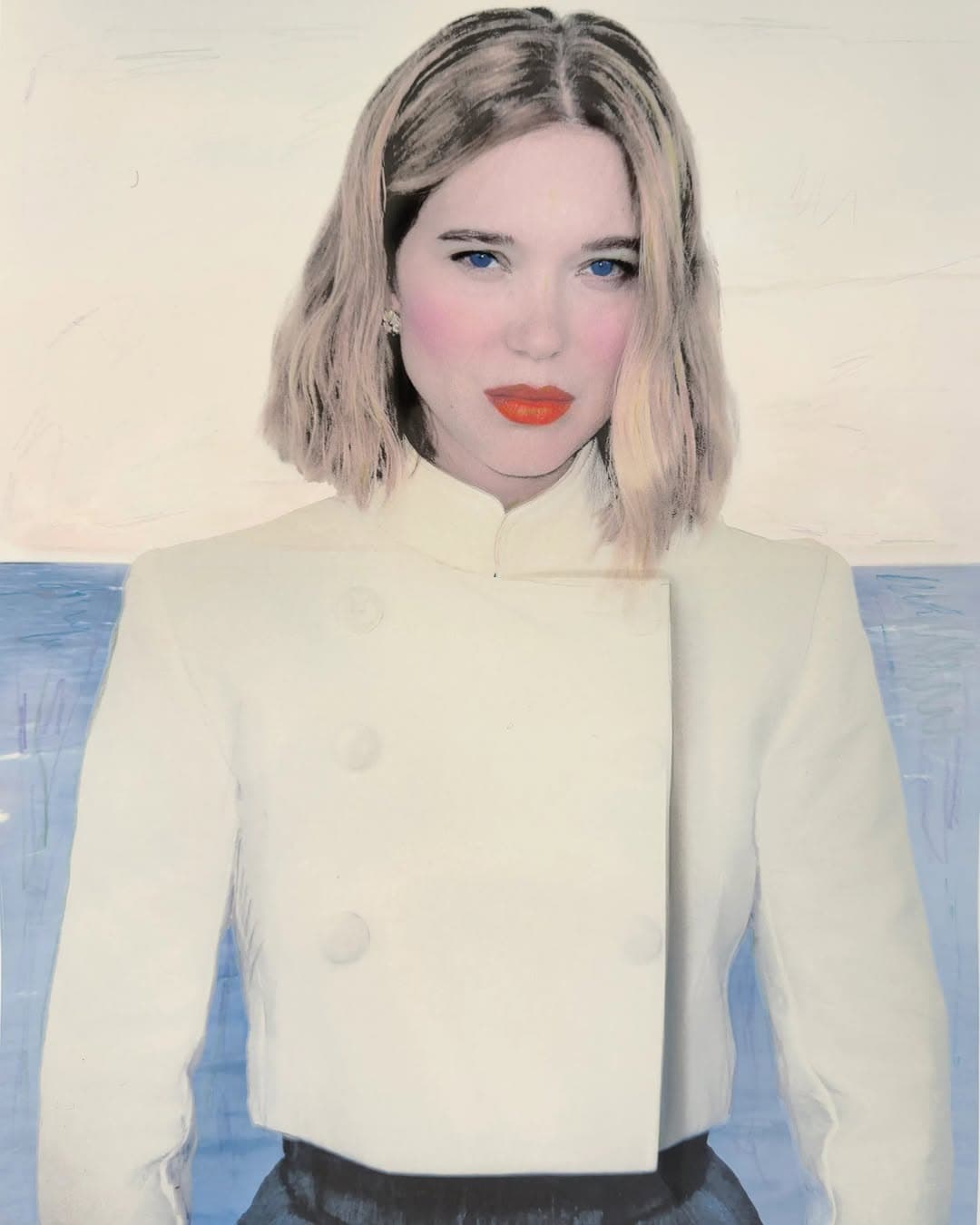


In a conversation with Vogue, Seydoux speaks candidly about her Cannes wardrobe, a best red carpet tip that is more practical than mystical, and the gentle steadiness of her friendship with Adèle Exarchopoulos. Read closely and you can feel the through line, she dresses to stay herself. Everything else is secondary.
Léa Seydoux Cannes fashion, as a way of separating roles
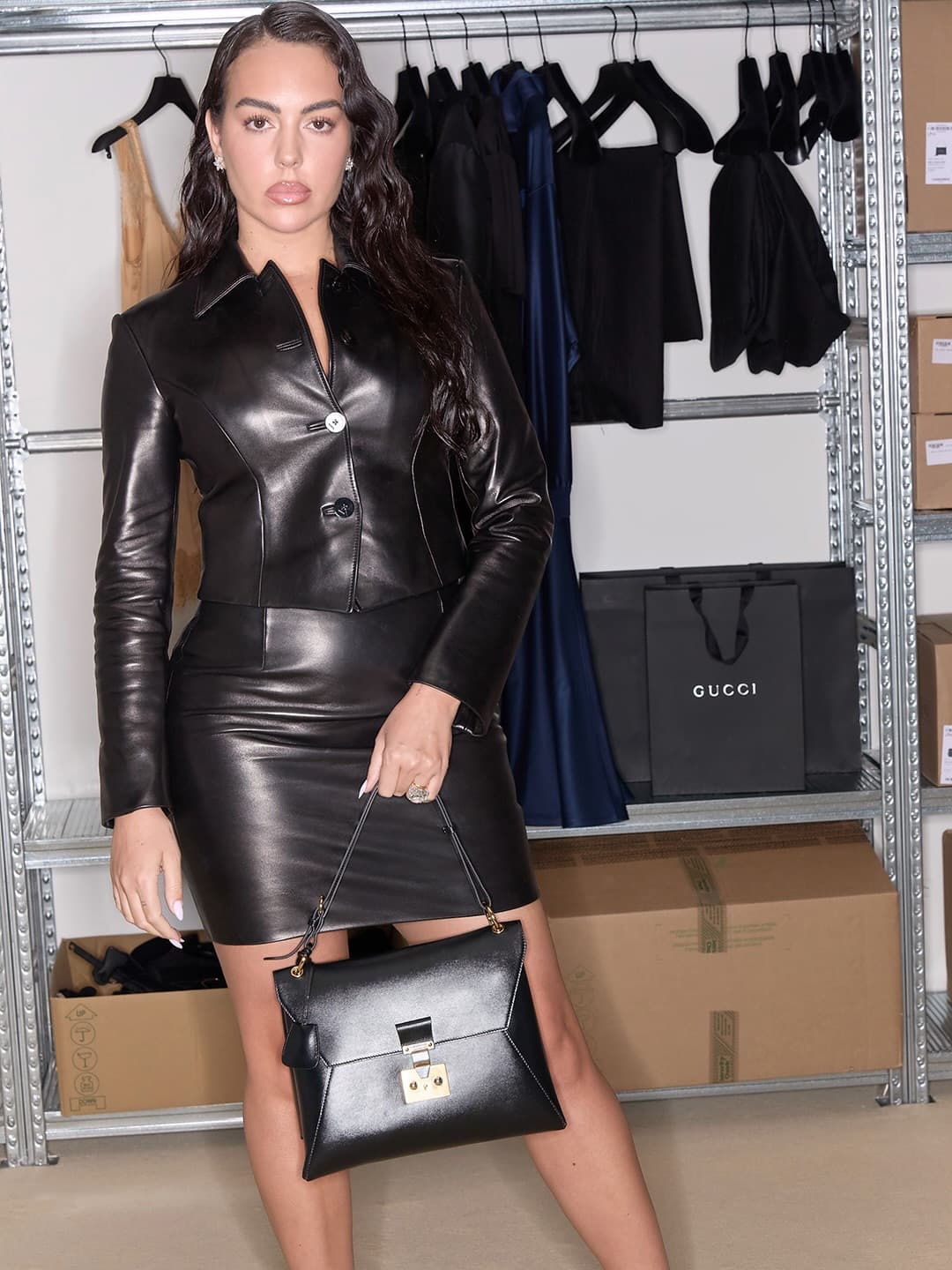
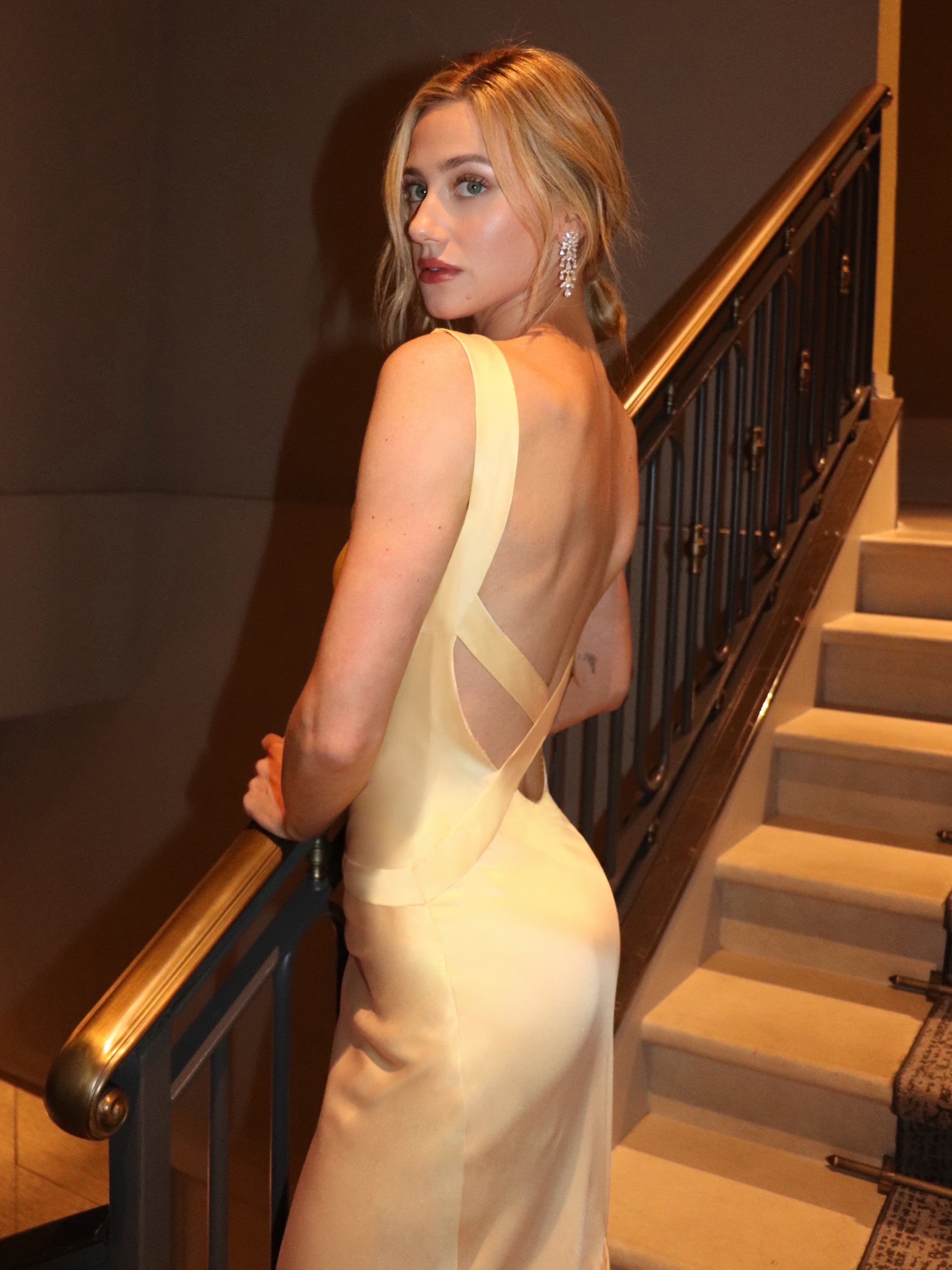
Two films in competition is a gift and a pressure, especially when you are the face that everyone expects to decipher. Seydoux’s answer is not to chase transformation through gimmickry. Instead, she draws a clean distinction between the projects through silhouette and attitude. One look might lean graphic and deliberate, sharp shoulders, a controlled palette, a sense of precision that suggests a character with edges. Another might soften, with movement that reads intimate in photographs, the kind of gown that does not fight the body but listens to it.
This is the deeper pleasure of Léa Seydoux Cannes fashion, it is never random. It signals, without over explaining. It respects the films, and it respects the audience, too. There is confidence in letting the clothes do their work at a normal volume.
If you have ever wondered why some red carpet images feel timeless while others date instantly, this is the difference. When styling is used to communicate, not simply decorate, it lasts.
On the red carpet, detail is the real drama
Cannes is punishing on clothes. Heat, stairs, cramped car doors, long stretches of standing still while photographers call your name as if you are a brand. Seydoux’s best tip, as she tells Vogue, lands because it is rooted in lived experience rather than fantasy, choose something you can move in, and rehearse it. The old idea that elegance is effortless is one of fashion’s most persistent lies. The effort is simply hidden in the fitting, the tailoring, the tiny logistical choices that keep you present instead of panicked.
Her approach also underscores something editors rarely say out loud, the most beautiful look is the one that does not make you self conscious. That is not a self help mantra. It is a technical truth. When a dress fits, when shoes do not sabotage your posture, your face changes. The camera sees it.
Friendship, scene partners, and the easy gravity of Adèle Exarchopoulos
Seydoux and Adèle Exarchopoulos share a certain French cinematic electricity, frank, physical, emotionally unpolished in the best way. Their friendship reads as grounded rather than performative, less industry alliance, more private human chemistry that happens to be visible because fame makes everything visible.
In Cannes terms, that steadiness matters. Festivals are strange ecosystems. You can do an interview at noon and an intimate premiere by night, while being dissected for your dress in the same breath as your performance. A real friend cuts through the noise. It is not sentimental to say so. It is survival.
If you are interested in how celebrity friendships shape the way we read films and fashion, our Celebrity section looks at the off screen dynamics that quietly influence on screen mythmaking.
What makes Cannes style feel alive, not museum like
There is a certain kind of festival dressing that can feel embalmed, archival in the least flattering way. Seydoux avoids that trap because she understands that glamour is not the same as stiffness. The most compelling Cannes looks still have human texture, a shoulder slightly relaxed, hair that moves, jewellery that catches light without dominating the face.
Her choices also sit in conversation with the larger fashion ecosystem. Cannes red carpets remain an open field where houses test their codes under the harshest lighting. You can trace the logic of French luxury through the way Seydoux wears it, not as a billboard, but as a language. For anyone who likes to read clothes as culture, it is worth revisiting the house signatures of Louis Vuitton and Chanel, both of which have long shaped the grammar of modern French red carpet dressing.
And because Cannes is not only about fashion but about the machinery of cinema itself, it is useful to keep the official context in view. The Festival de Cannes site is a surprisingly satisfying rabbit hole for schedules, competition details, and the small structural rules that dictate how the whole week runs.
The best looks are edited, not accumulated
Part of Seydoux’s quiet power is restraint. Not every element has to speak at once. If the neckline is architectural, let the jewellery whisper. If the fabric is liquid, keep the makeup clean. This is not minimalism as a trend, but editing as taste. It is the same principle that makes a great performance, you do not need to show everything to be understood.
Ultimately, Léa Seydoux Cannes fashion is compelling because it does not beg to be decoded, it simply holds. Two films, two evenings, an audience hungry for meaning. She gives them something better than a gimmick, a wardrobe with a point of view, and the calm nerve to stand behind it.
Photo Credits
Cover image and additional images courtesy of their respective owners. Photos credited to @jasamullerVogue.