In an era when luxury so often means a faster checkout and a louder logo, a one of a kind Bugatti lands like a quiet correction. Not because it is rare on paper, scarcity is easy to manufacture, but because the object itself feels argued into existence, line by line, surface by surface, until nothing is left that does not deserve to be there. The brand line that each BUGATTI is created as if it were the only one reads, at first, like poised rhetoric. Then you see Programme Solitaire, and it becomes a method.
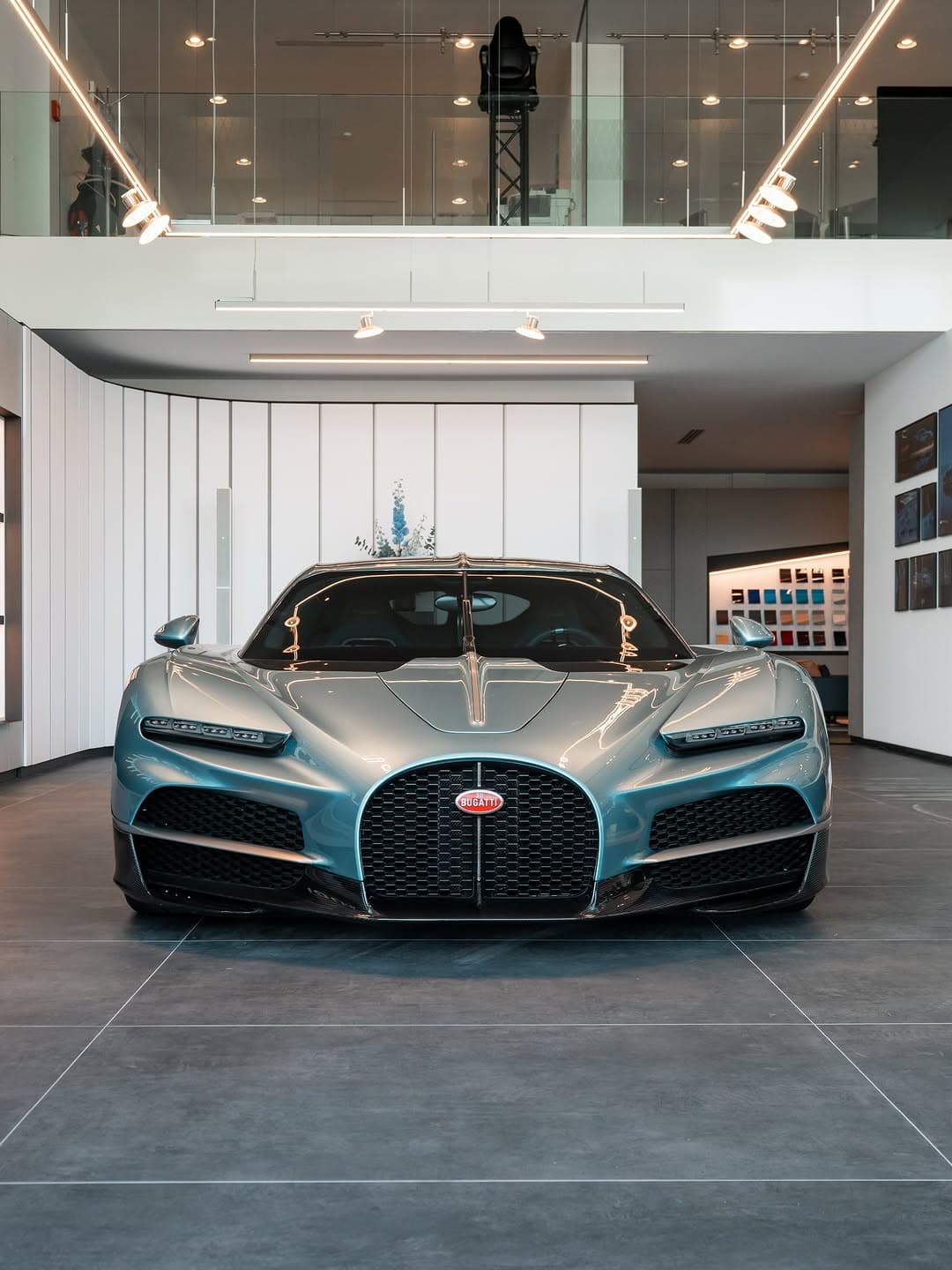
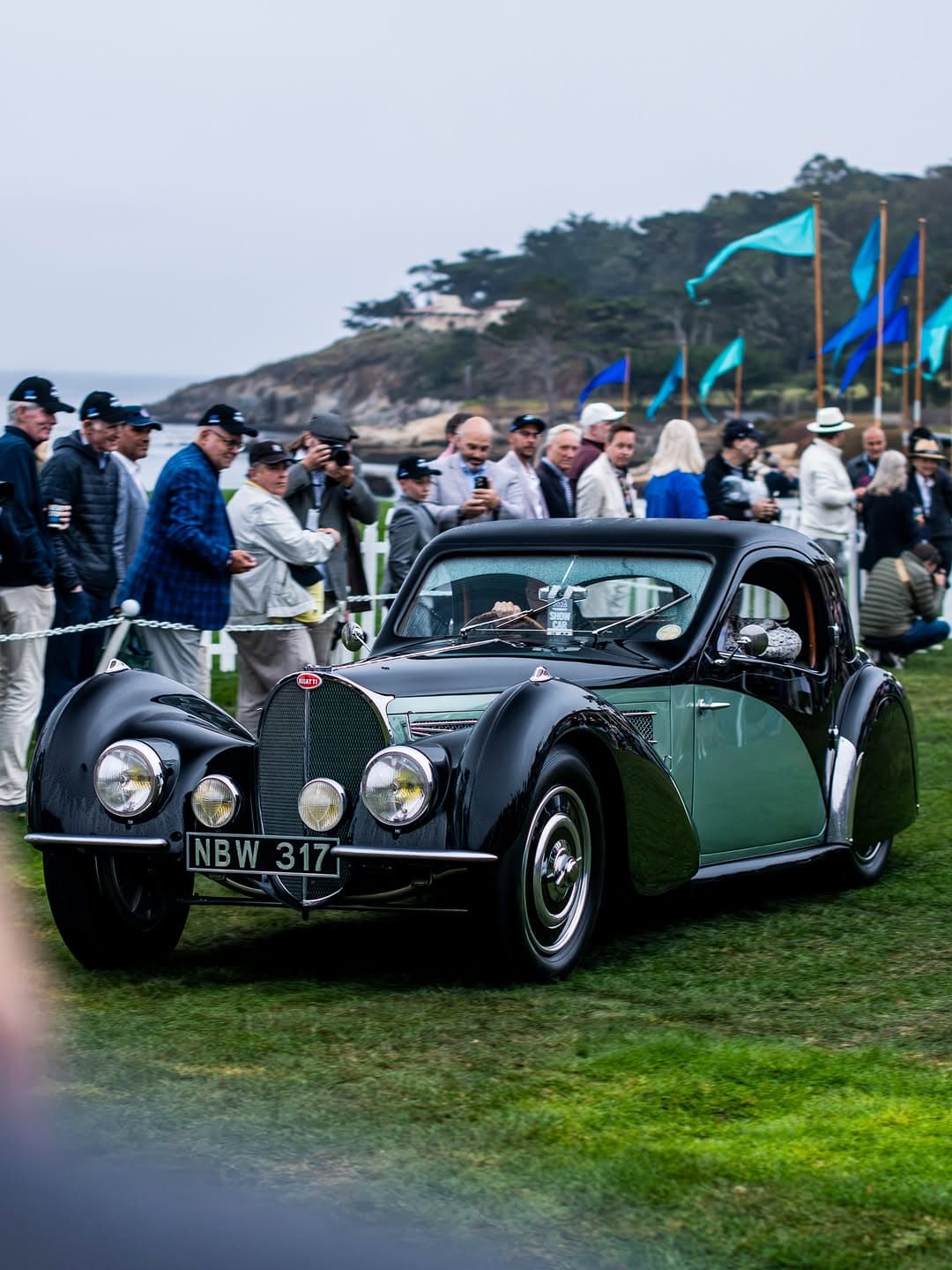
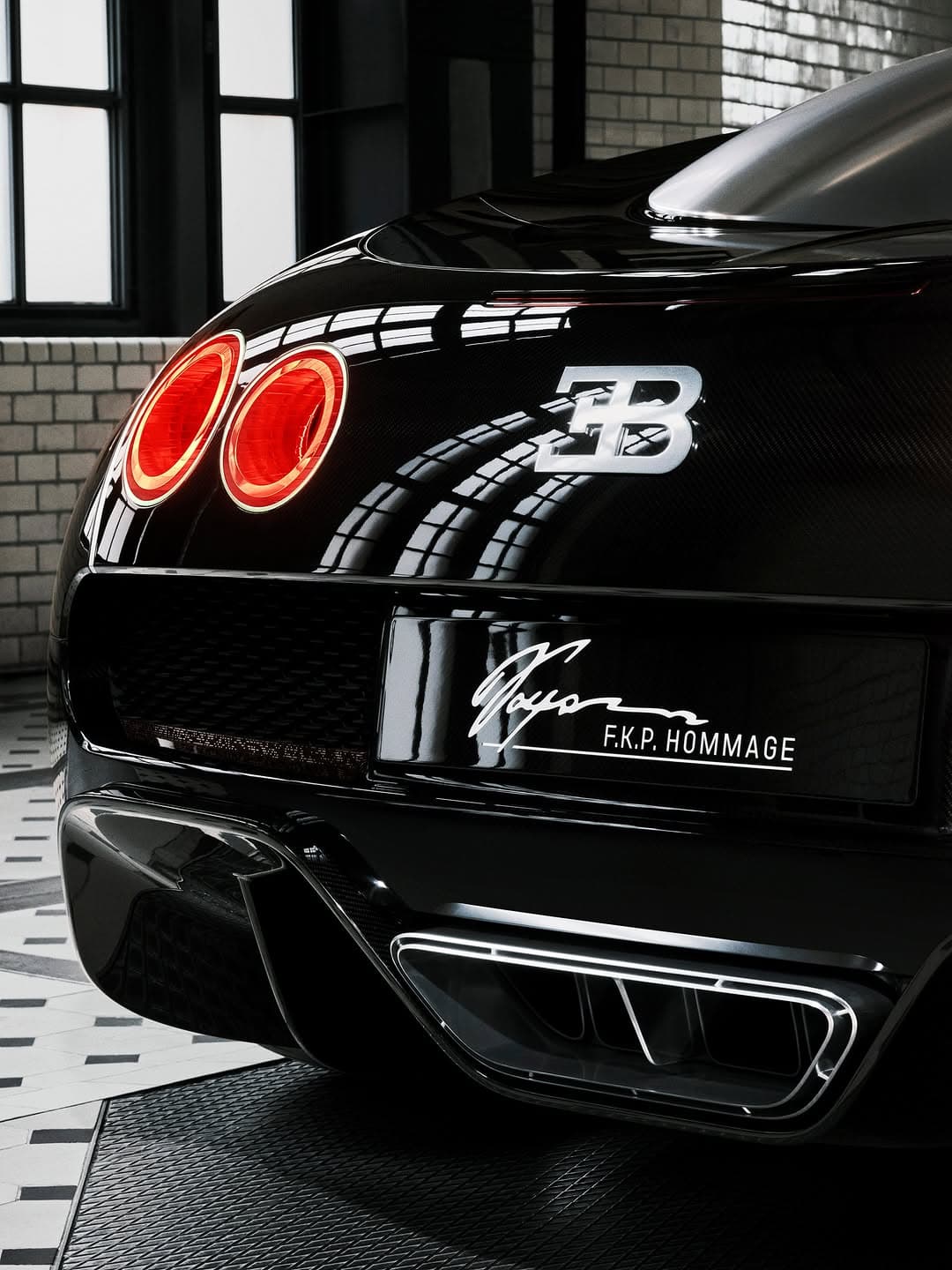
When The Road Rat stepped inside BUGATTI’s Berlin design studio, two one of a kind models were photographed together for the first time, BROUILLARD and F.K.P HOMMAGE. It is a rare moment of proximity, not just between cars, but between philosophies. One looks like atmosphere made solid. The other reads like a love letter written in proportion and restraint.

One of a kind Bugatti, seen in Berlin
Berlin feels like an unlikely address for such a Parisian idea of elegance, yet it makes a certain sense. The city has always understood how to live with edges, how to sharpen them. Inside the studio, the mood is more atelier than lab. You imagine the air carrying the faintest mix of leather and adhesive, the soft hush of a space where decisions are expensive and therefore slow.
Programme Solitaire is BUGATTI’s controlled answer to the urge for the singular, the collector’s request for something that cannot be replicated without becoming a copy of itself. It is not a styling exercise, nor a grab bag of heritage cues. It is design as authorship, with the client as patron, and the studio as a house that knows it has nothing to prove to the algorithm.
BROUILLARD, the poetry of the half seen
BROUILLARD, the name alone suggests a car conceived in gradients. This is presence without brashness. Where many hypercars insist on being read from across a valet line, this one draws you closer, rewarding attention the way a well cut coat does. Surfaces catch light and release it again. Curves feel deliberate rather than performative, as if the car were designed to move through morning rather than under spotlights.
Calling it a one of a kind Bugatti is accurate, but also incomplete. The point is not that there will never be another. The point is that it behaves like a complete thought, finished, uncompromised, indifferent to trend.
F.K.P HOMMAGE, heritage without nostalgia
F.K.P HOMMAGE carries its dedication with a certain quiet pride. What reads as homage here is not costume, it is lineage handled with clean hands. Proportions are the message. The details act like footnotes, precise, almost studious, but never fussy. It is the kind of car that makes you think about the difference between remembering and reenacting. This one remembers, and then it advances.
The pleasure, when you take in the car as a whole, is the sense that the studio refused to decorate what it could instead resolve. That is the difference between personalization and intention, and it is why a one of a kind Bugatti can feel less like an indulgence than a standard, applied ruthlessly.
Programme Solitaire and the modern collector’s appetite
Collectors talk about materials the way chefs talk about produce. They want provenance, but they also want a narrative they can live inside. Programme Solitaire works because it is not a menu of add ons. It is a conversation with consequences. Those consequences are visible in small, telling places, the way a line terminates, the way a surface refuses visual noise, the way the whole car holds together under scrutiny.
If you care about the larger culture of luxury, it is worth placing this moment next to what is happening in fashion and design more broadly. The renewed appetite for craft is real, and it is not limited to clothing. For more on that shifting sensibility, our edit on Luxury tracks the way high end taste is becoming more specific, less performative. And for readers who like their objects with a side of cultural context, our Culture coverage follows the same tension between heritage and reinvention.
Of course, BUGATTI is not operating in a vacuum. The modern hypercar audience is frank about speed, but even franker about identity. The brand’s own world is best entered through BUGATTI, where design language and history are presented with the clarity of a house that knows its archive. For industry perspective, Top Gear remains useful for understanding how these cars are received beyond the collector set, in the wider theatre of car culture.
The Road Rat’s “The BUGATTI Ascendancy” and why it matters
The Berlin studio shoot, captured by Leon Chew for The Road Rat, is not just an image set. It is a reminder that luxury becomes interesting again when it resists quick consumption. Seeing BROUILLARD and F.K.P HOMMAGE together makes the idea of one of a kind feel less like an extreme and more like a philosophy, a refusal to let sameness win just because it is efficient.
If you are the sort of reader who cares about how objects communicate status without shouting, the full story in The Road Rat’s latest edition, titled “The BUGATTI Ascendancy,” is worth your time. And if your interest runs toward the broader world of machines as design statements, our Automobile coverage is where we keep that conversation alive, away from empty ranking and toward the pleasures of taste.
There is a final, slightly counterintuitive truth here. The most compelling luxury today is not the most public. It is the most particular. A one of a kind Bugatti does not need to persuade you. It simply sits there, complete, and lets the rest of the world look a little unfinished by comparison.
Photo Credits
Cover image courtesy of their respective owners. Additional images courtesy of their respective owners. Photographs of Programme Solitaire BROUILLARD and F.K.P HOMMAGE captured by Leon Chew for The Road Rat.