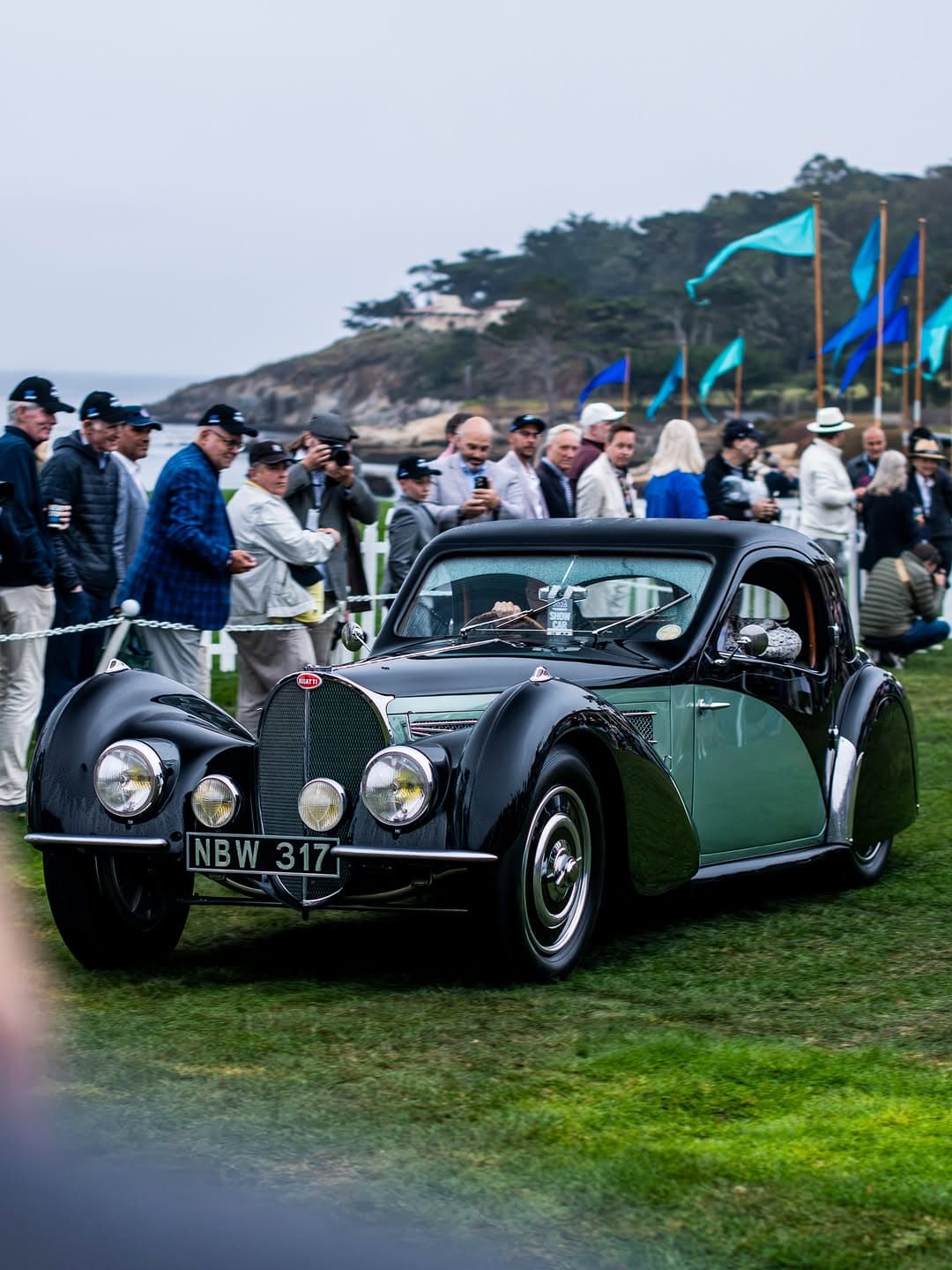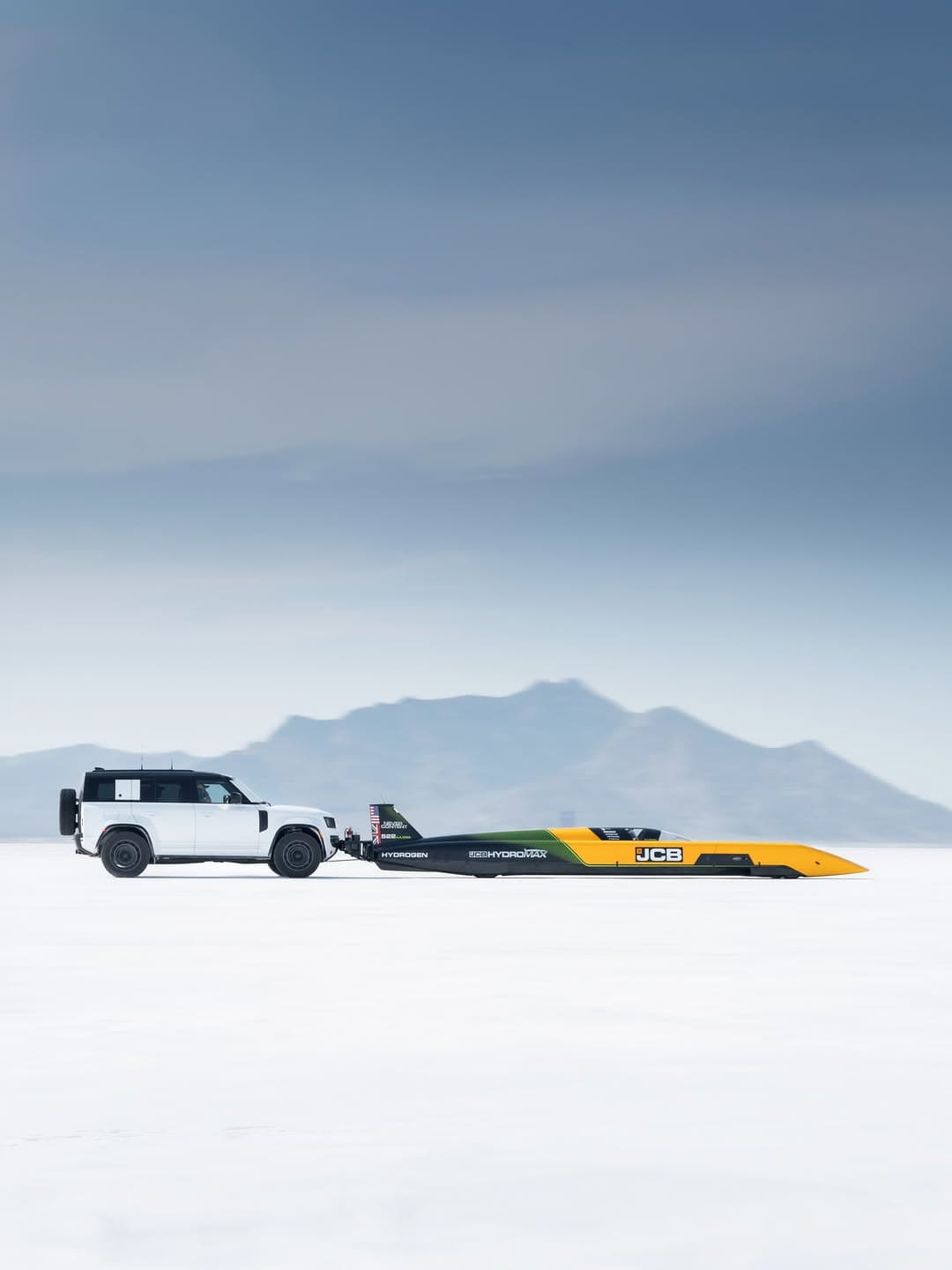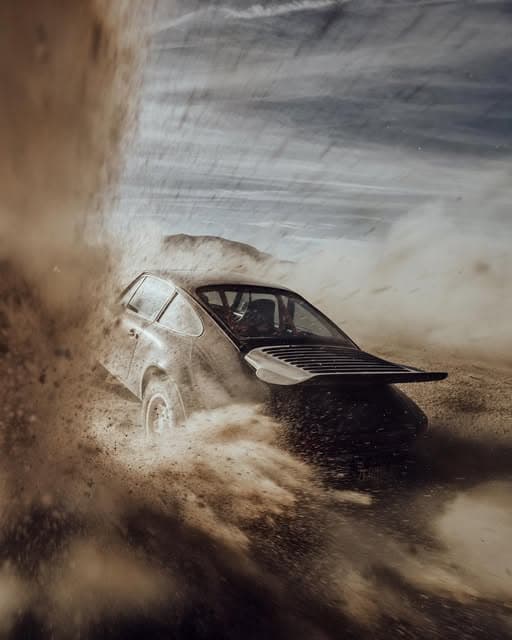
Life’s too short for clean tyres. It is a slightly mischievous mantra, and also a tidy little truth about the way we live now, curating and polishing everything until the evidence of actual life is edited out. A tyre, properly used, is meant to pick things up. Dust, grit, road salt, a little brake soot that settles like kohl. The patina is not neglect, it is proof of movement.
Spend five minutes in the orbit of the creators who treat cars as culture, not just product, and you start to see how sterile car obsession can feel. The best cars are not museum pieces. They are stories. A late night drive that ends at a fluorescent diner. A back road you take purely because it is there. The kind of morning where the air smells faintly of wet asphalt and pine, and your tyres come back speaking in their own dark language.
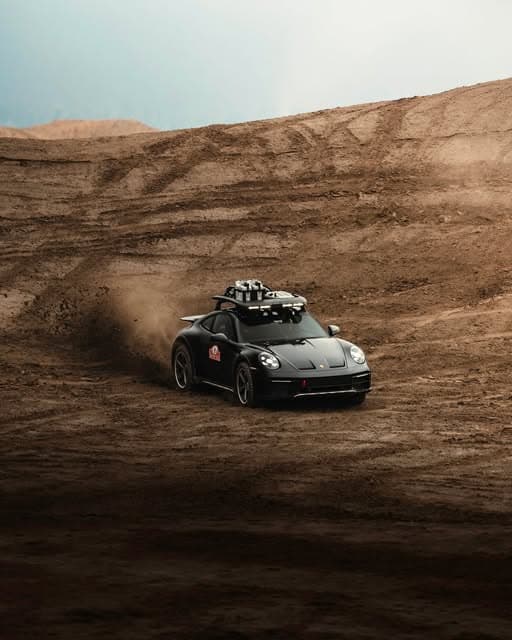
This is where the current mood lives, in feeds and parking lots and the quiet competitiveness of who actually drives. A nod to @aaronbhall, @samoffgrid, @thatcarguy_mike, @northborders, and @mikes_visionporsche here, not as a roll call, but as a shorthand for an attitude, the refusal to turn something visceral into a glass case. If you want perfection, buy a scale model. If you want pleasure, accept the grime.
Life’s too short for clean tyres, a philosophy in rubber and dust
In luxury culture, taste is often confused with restraint. But cars have always been an exception, because the pleasure is physical. You feel it through your palms. You hear it in the cabin. You taste a little metallic tang in the air when you stop. That is why clean tyres can look oddly wrong, like shoes that have never met a sidewalk.
The obsession with spotless sidewalls comes from the same place as wrapped furniture and plastic runners. Fear. Fear of depreciation, fear of judgement, fear of admitting that you bought the thing to use it. Yet the most compelling automotive images are rarely the ones that look freshly delivered. They are the ones with evidence, a fine mist of road film, a wheel well that tells you the car has been somewhere worth going.
If you need permission, consider the marques that built their reputations on driven beauty. Porsche practically institutionalised the idea that the road is the showroom. Even its most precious icons, the cars now fetishised under gallery lighting, were born to be used. The romance comes from motion, not microfiber.
The aesthetics of use, why a little dirt reads as confidence
There is a difference between “dirty” and “lived in.” The former suggests neglect. The latter suggests intention. A scuffed tyre, slightly darkened lettering, a whisper of dust on the shoulder, all of it signals that the owner is not paralysed by maintenance. They know what matters. They have driven the car hard enough to warm it properly, then let it cool while they stood outside and listened to the ticking metal.
Luxury, in 2026, is increasingly about authenticity. Not the performed kind, not the costume, but the real thing, the evidence that your life is not a set. In that sense, life’s too short for clean tyres is a compact rebellion, a refusal to sanitise joy.
The quiet war between detail culture and driver culture
Detailing has its place. A good wash can be meditative, and there is pleasure in caring for a beautiful object. But the internet, predictably, took a good thing and turned it into virtue signalling. The foam cannons, the perfect beading shots, the theatrical reveal. Somewhere in that theatre, driving became almost incidental.
Driver culture is not anti care, it is pro use. It values the unrepeatable. A tyre with a little road grit is not a failure, it is a receipt. It says, I chose the long way home. It says, I did not buy this to stare at it.
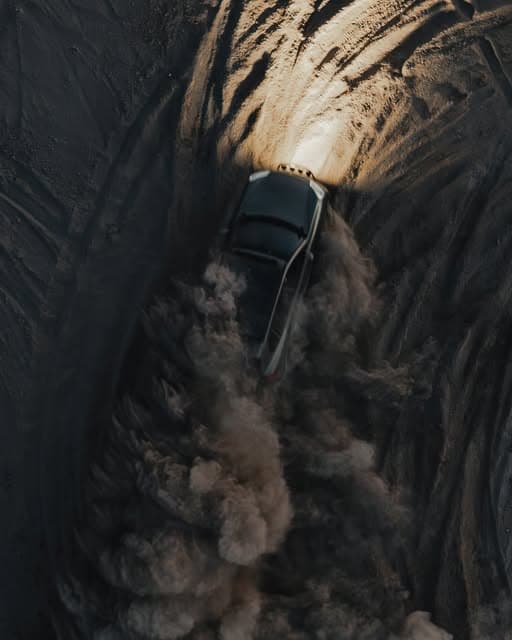
If you are drawn to this mindset beyond cars, you will recognise it across the magazine. It sits naturally beside the lived in elegance we love in Luxury, and the street level intelligence that animates Culture. It even echoes the collector’s eye in Watches, where a hairline scratch can feel like proof of a life properly worn.
What counts as tasteful, in the age of the car as content
Online, taste can become a template. The same angles, the same edits, the same surface level cues of “clean.” But cars are not just visuals, they are environments. A slightly dusty tyre, a wheel with a trace of brake residue, suggests a car that is doing its job. It is the automotive equivalent of a well cut coat that has been worn in the rain, the fabric settling into your shape.
For those who want a practical anchor, consider the brands that design for grip and durability rather than photo readiness. Michelin has long understood that performance is a sensory experience, not a cosmetic one. Or look at the endurance racing world, where the whole point is controlled abrasion, heat cycles, and the honest wear that comes from speed.
How to embrace the “not clean” look without sliding into neglect
Life’s too short for clean tyres does not mean letting everything fall apart. It means prioritising what actually protects the car and the people inside it. Mechanical health, proper inflation, safe tread, aligned steering. The essentials. The rest is theatre.
If you love a well presented car, keep it well maintained, then stop polishing away the evidence of your own enjoyment. Wash when it needs it, not when the algorithm demands it. Let the car look like it has a pulse.
The rule of thumb, if it affects safety, fix it
There is a simple distinction worth holding onto. Dirt is cosmetic. Cracks, bulges, dangerously low tread, or uneven wear are not. If you are unsure, consult a reputable source like the NHTSA for safety guidance, then take your car to someone you trust. Confidence is attractive, but so is competence.
Otherwise, let the tyres tell the truth. Let them be darkened by the road, slightly salted by winter, faintly dusty after a spirited drive. It is not mess. It is narrative. And in a world obsessed with pristine surfaces, a little honest grit can be the most luxurious choice of all.
Photo Credits
Images courtesy of their respective owners.