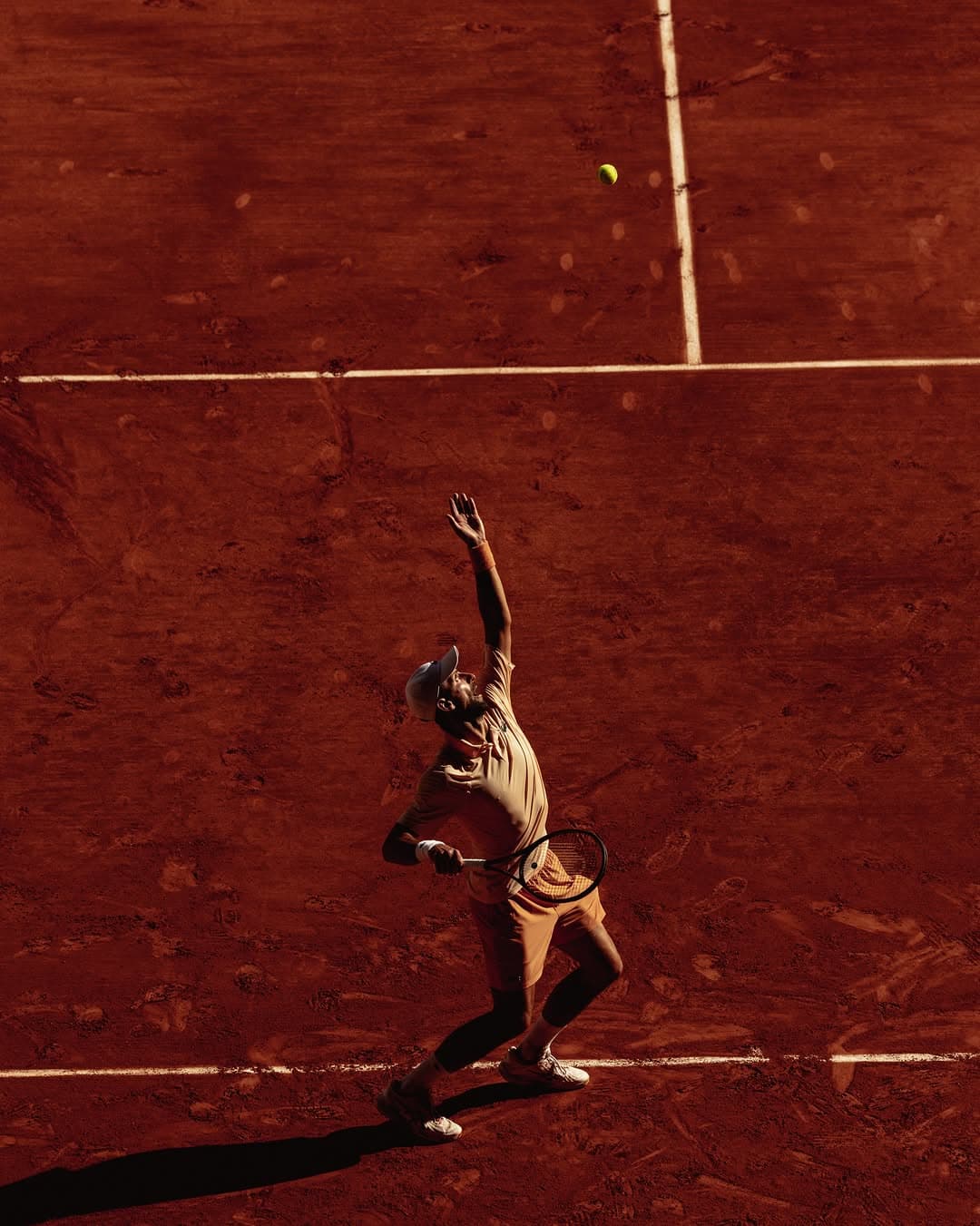
There are certain colours, sunlight and emotions only exist on clay courts in Paris. If you have ever watched Roland Garros closely, you know the palette by heart, the powdered rust of the baseline, the sharp white of tape, the green that looks newly rinsed after a brief shower. Roland Garros fashion lives inside that contrast. It is less about spectacle than it is about being appropriate to a place that rewards restraint, nerve, and immaculate control.
This is where Lacoste feels especially fluent. The crocodile is not a shout, it is a signature, a small mark that understands the theatre without needing to perform in it. From the court to the stands, at Roland Garros, it shows up in clean silhouettes, in precision of movement, in the kind of ease that only looks easy when it has been engineered to within an inch of its life.
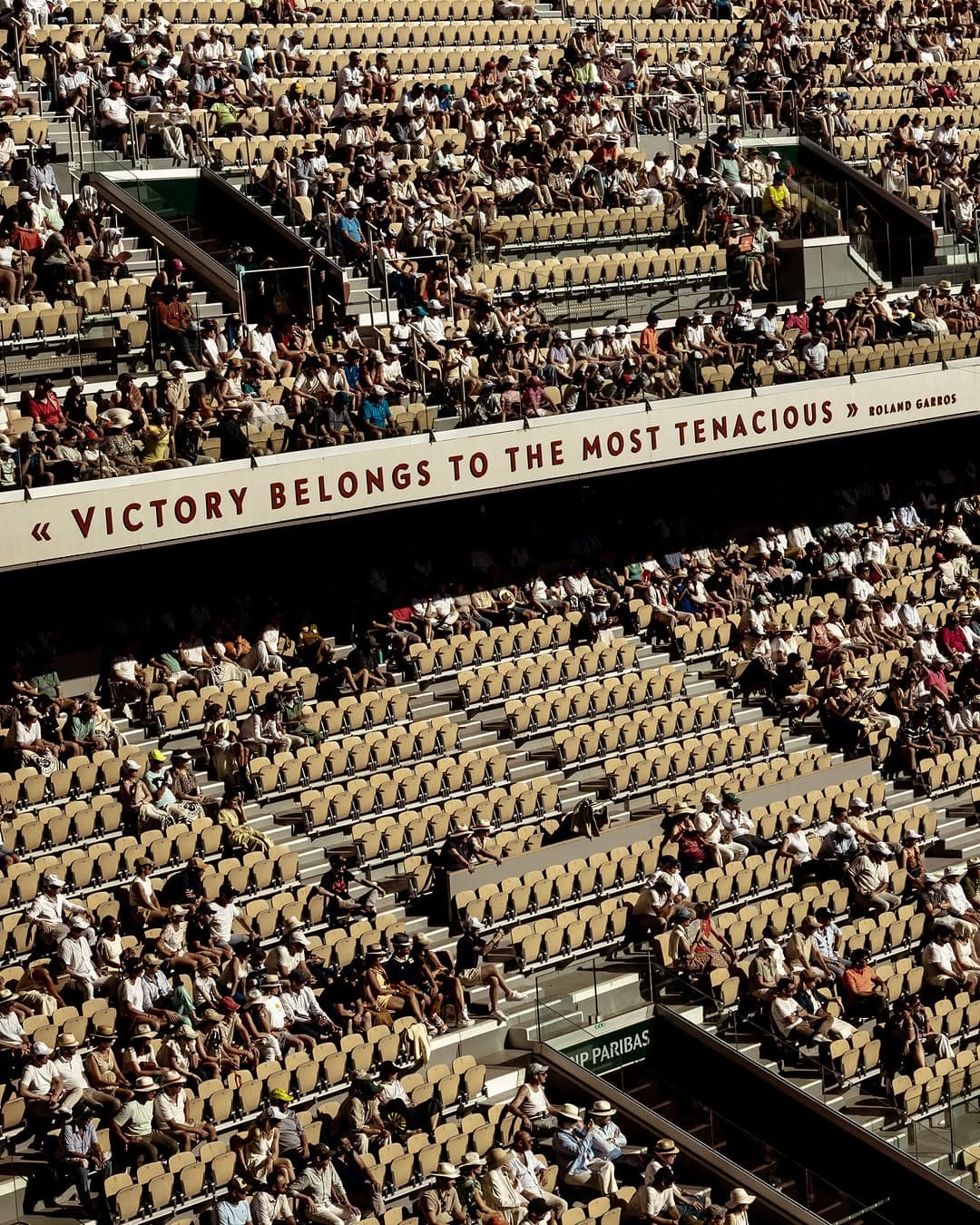
Roland Garros fashion, seen in the light
Paris sunlight on clay is its own filter. It softens edges, warms white, makes navy look inky, turns beige into something almost edible. The outfits that work here tend to understand that the setting is already doing half the work. A crisp polo reads like punctuation. A pleated skirt flashes, then disappears. A track jacket, worn open as the temperature tilts toward evening, becomes a practical gesture that also happens to look deeply chic.
What I notice most, year after year, is how Roland Garros fashion rewards clothing that can take heat, movement, and scrutiny. This is not the hard gloss of indoor arenas. It is outdoor intimacy. You can see sweat darken a collar. You can see the dust settle on socks. You can see whether something is well made.
The crocodile as a quiet signature
Lacoste has always been at its best when it remembers its own origins, sport as discipline, elegance as function. The crocodile works because it is not merely decorative. It is a code. On the player, it suggests a lineage of French athletic style that runs through René Lacoste himself. On the spectator, it becomes a shorthand for knowing the difference between borrowing tennis style and actually understanding it.
And yes, there is romance in it. Paris has a way of making the simplest pieces feel deliberate. A polo with a perfect collar roll, shorts that sit correctly on the hip, a dress that moves cleanly when you climb the stadium steps, these details become the story. If you love fashion as a language, this is the kind of vocabulary that lasts.
Why clay court style feels different
Clay is not forgiving. It stains, it clings, it tells the truth. That honesty affects what we wear. Wimbledon whites are ceremonial. New York gets loud, as it should. In Paris, the mood is sensual but controlled, and the clothes tend to follow. Roland Garros fashion is at its most convincing when it respects the court itself, when it does not fight the earthiness of the surface, and instead finds clarity against it.
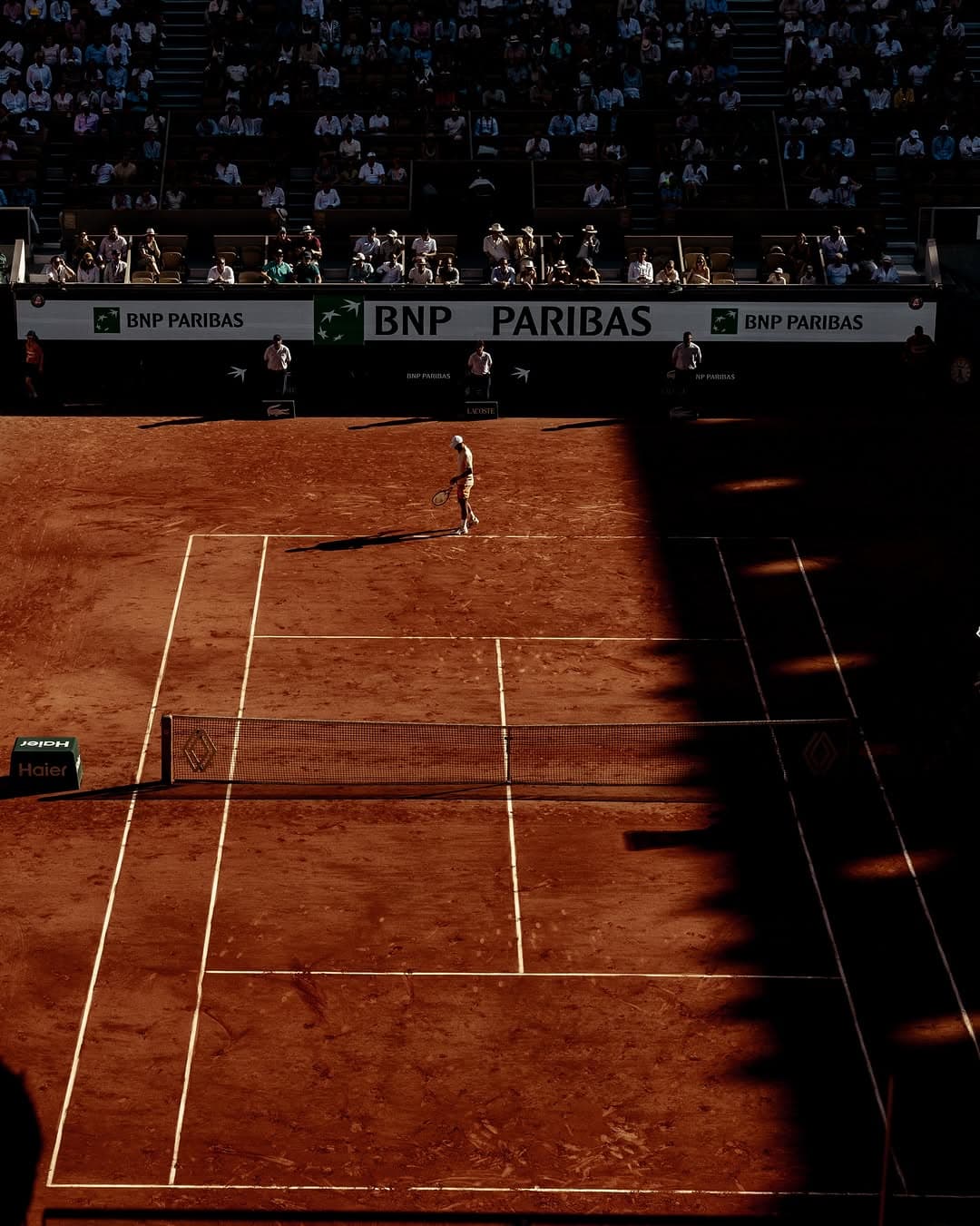
It helps that the setting does half the styling. The terracotta of the court turns neutrals complex. Clean lines read sharper. Even the smallest logo becomes visible, then tasteful, then quietly iconic as you watch it move from rally to rally.
From the stands to the city
The smartest Roland Garros fashion is not trapped inside the stadium gates. It can go straight into the 16th arrondissement, then across town for dinner, still looking right. Think polished basics, an emphasis on fit, and fabrics that behave. There is a particular pleasure in seeing a look that belongs equally to sport and to Paris, not costume, not street style theatrics, just lived in elegance.
If you are building a wardrobe around that idea, it is worth browsing our Fashion coverage for the pieces that do this best, and our Luxury edit for brands that make restraint feel rich. For a wider cultural lens on why events like this matter beyond the match schedule, our Culture pages keep the conversation grounded in the city that hosts it.
To see how Lacoste frames the tournament each year, start with Lacoste itself, then dip into the official tournament coverage at Roland Garros. For context on the brand’s roots in tennis, the story of René Lacoste remains one of the great examples of sport shaping style, not the other way around.
In the end, what stays with you is not just the scoreline. It is the sound of clay underfoot, the glare of late afternoon sun, the little pause before a serve, and the way a well cut silhouette holds its nerve in all that brightness. Some colours, sunlight and emotions only exist on clay courts in Paris. Roland Garros fashion, at its best, does not try to outshine them. It simply knows how to belong.
Photo Credits
Cover image courtesy of Lacoste. Additional images courtesy of their respective owners.