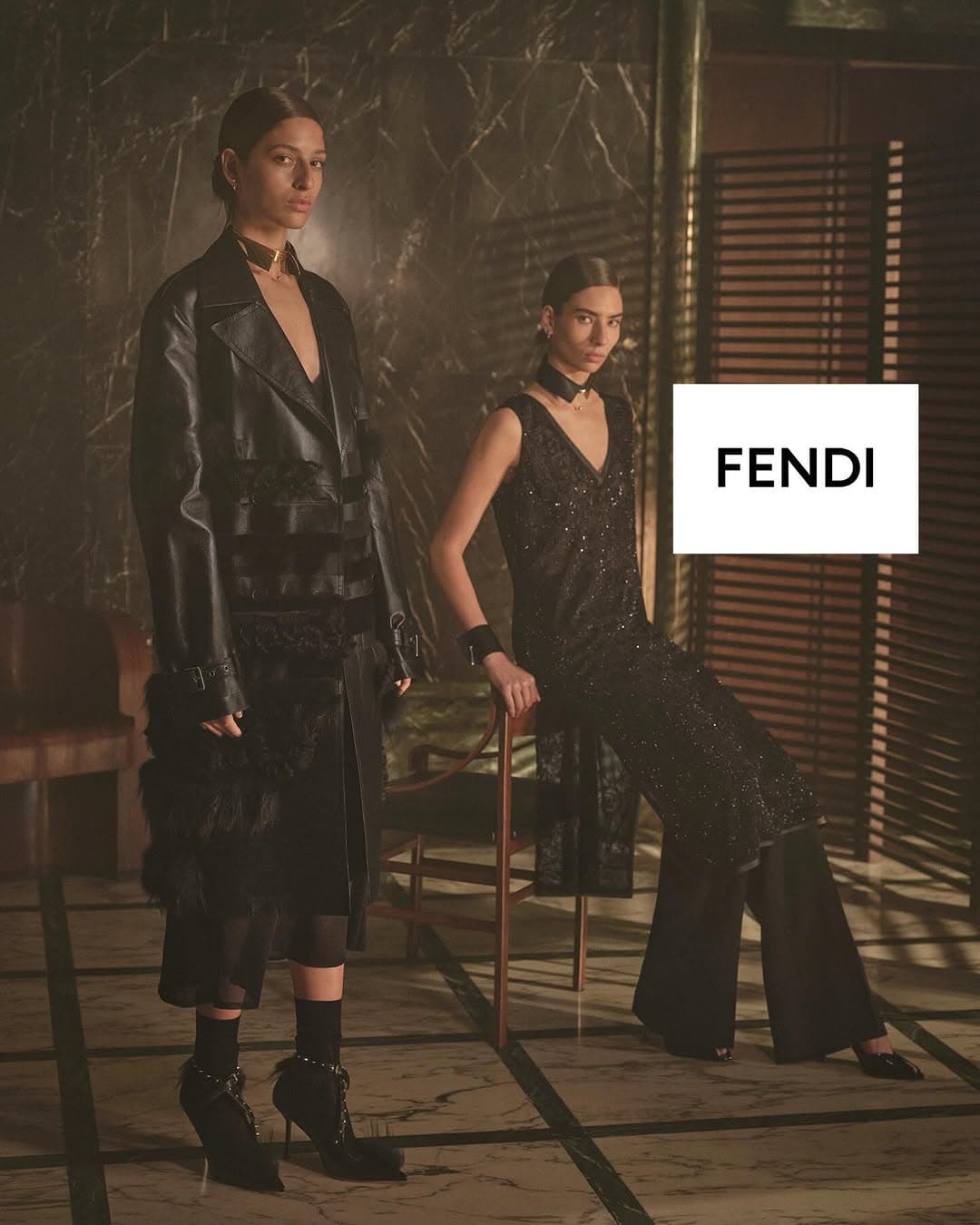
FENDI Cruise 2027 arrives with the quiet insistence of a thought you cannot shake, the one that returns in different lighting, from different angles, asking who you are today. Maria Grazia Chiuri frames the collection as a wardrobe transformed by restless perception of self, and the phrasing matters. Restless, not fickle. Perception, not performance. It is an edit about movement within the person, not just on the body.
The unveiling comes as a short film now on FENDI.com, which feels pointedly modern in a season that still loves a front row. Film suits Chiuri here, because the clothes read less like single images and more like sequences, a sleeve doing one thing in stillness and something else entirely once the wearer turns their head. It is fashion as shifting evidence.
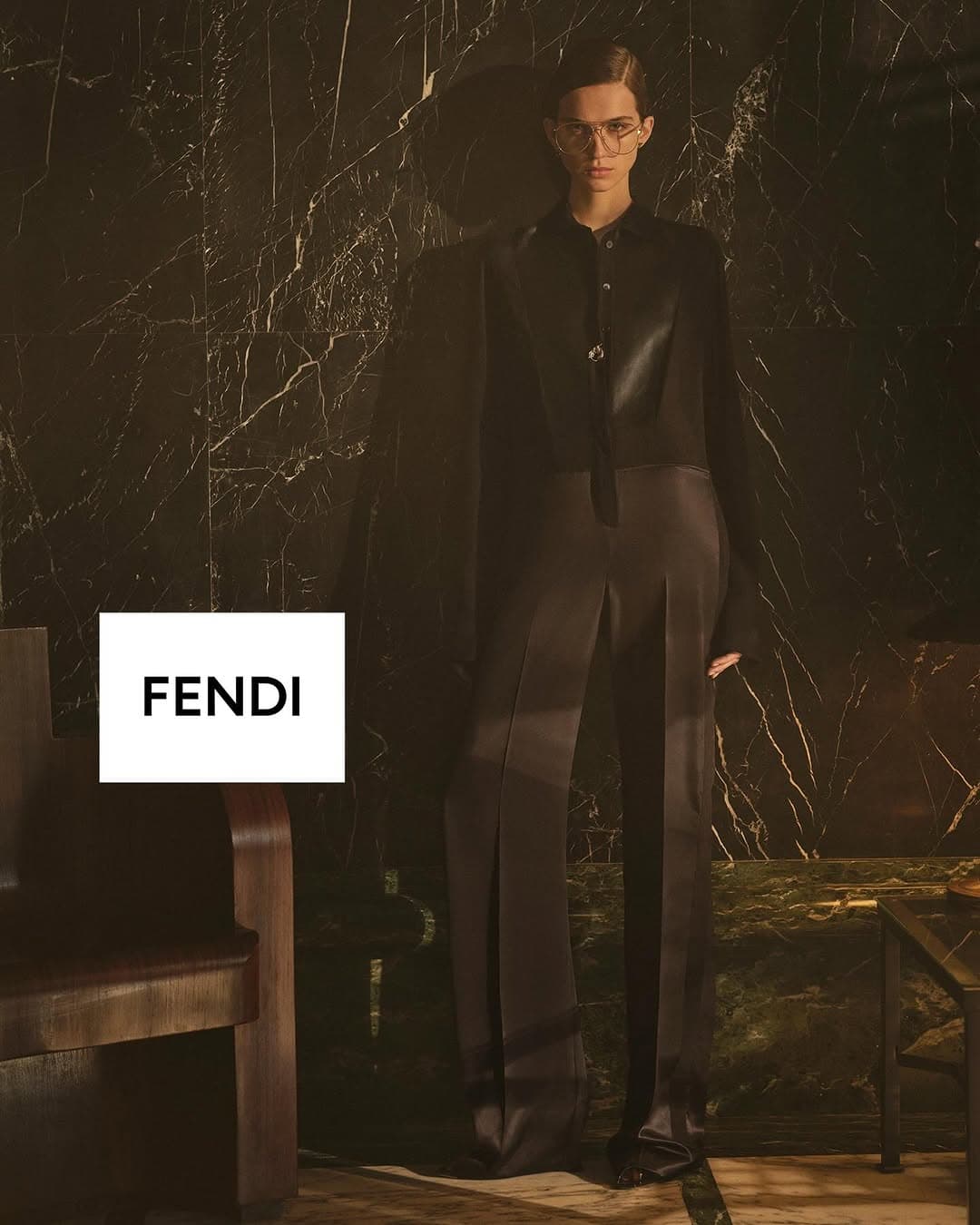
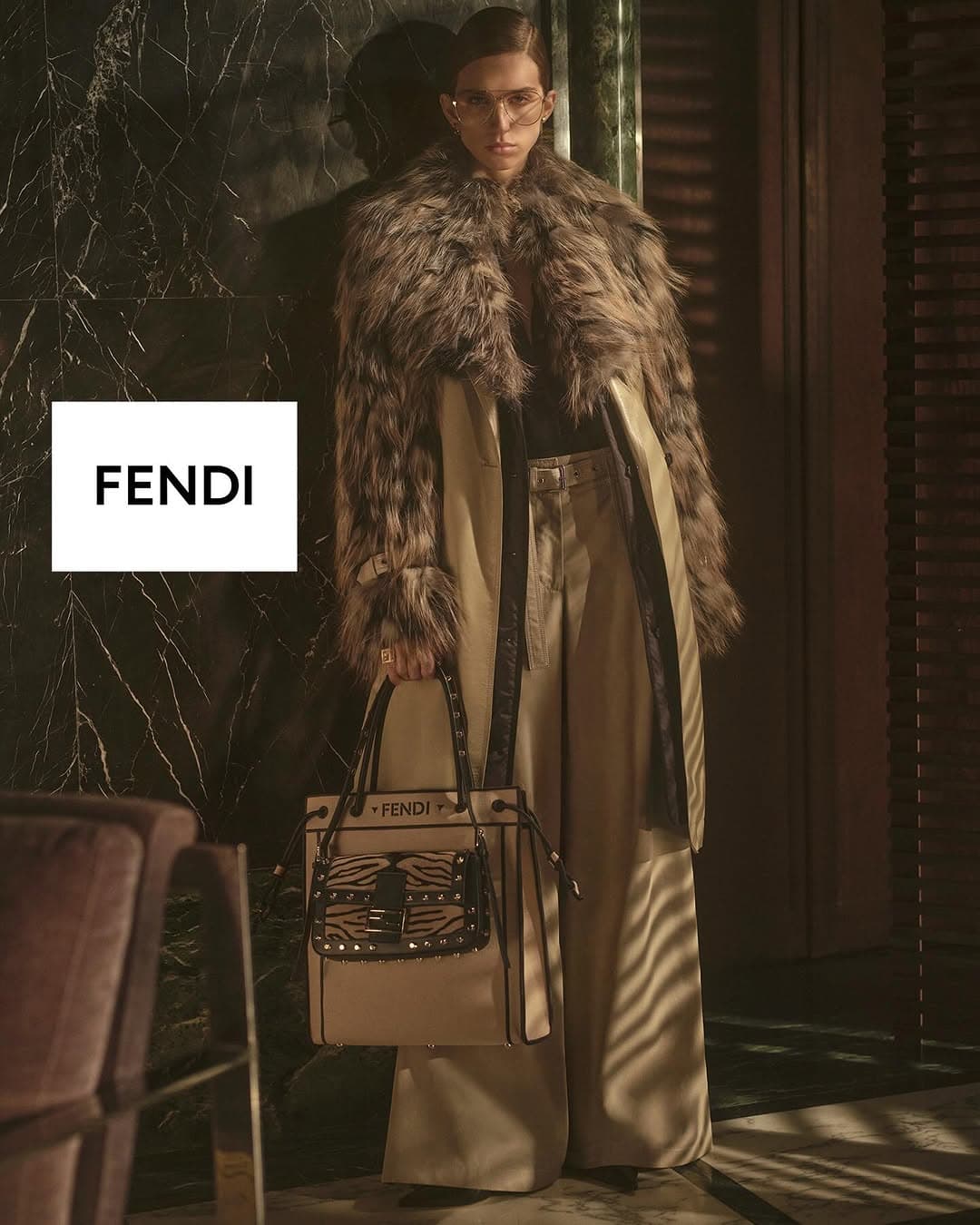
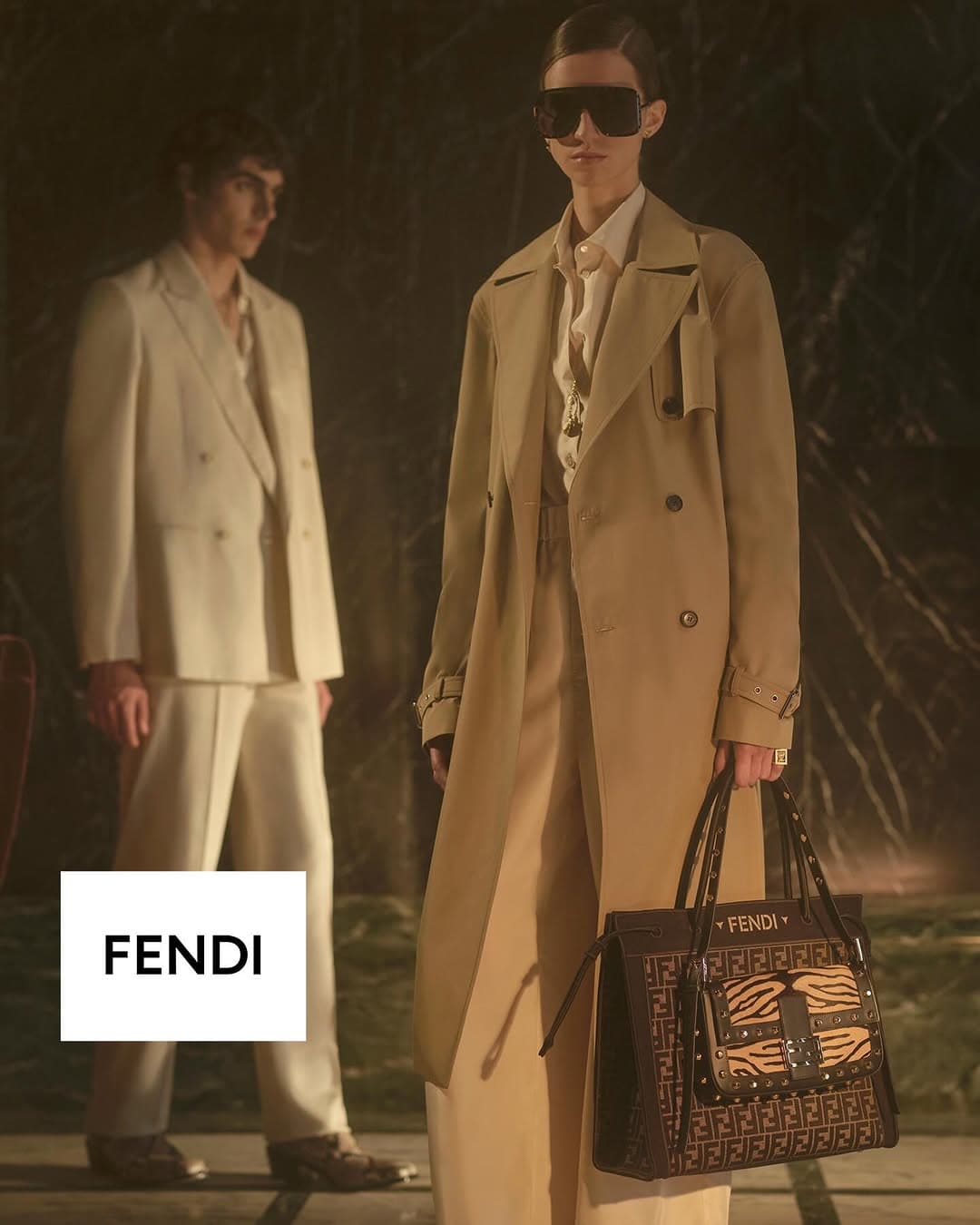
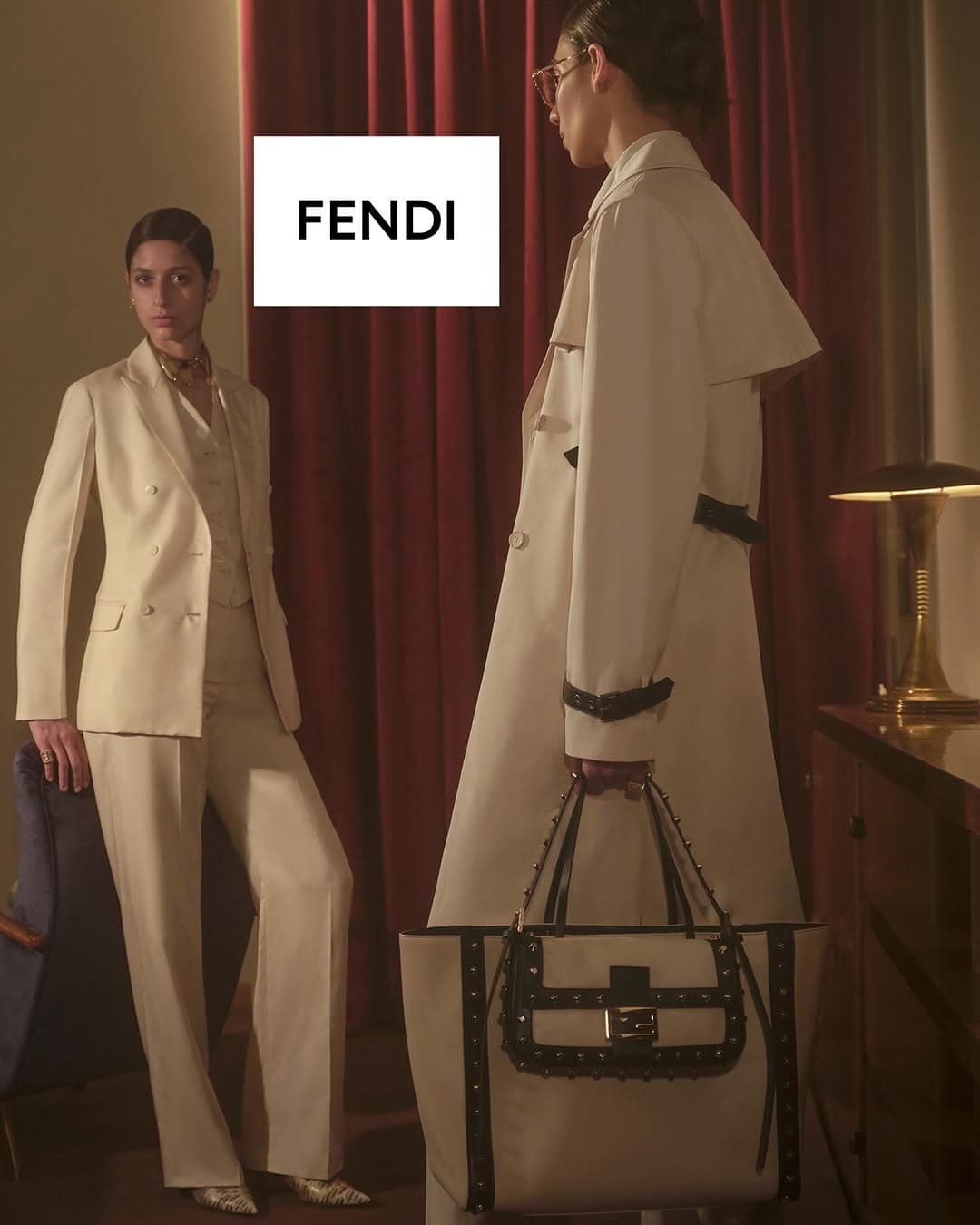
FENDI Cruise 2027 as a wardrobe of changing self perception
At its best, FENDI Cruise 2027 understands that identity is not a straight line, it is a series of calibrations. The collection plays with that sensation of opening your closet and realizing your taste is not a fixed address. You might still love the same silhouette, but you want it cut differently, worn closer to the skin, or held at a more private distance. Chiuri is fluent in this emotional math, the way clothing can both protect and reveal without announcing its intentions.
There is an intimacy to the way the pieces suggest adaptation. Not costume, not reinvention for its own sake, but the small, precise changes that accumulate into a new posture. The kind of transformation only you notice at first. A waistline that lands a fraction higher, a shoulder that softens the stance, a surface that catches light and then quickly lets it go. The effect is that you are watching someone becoming, not arriving.
The film as fitting room, not spectacle
The short film format gives the collection its proper tempo. Clothes are allowed to behave, to show their manners. Fabric moves like it has memory. Finishes appear, disappear, return. In print, we love a hero shot, but Chiuri seems more interested in what happens between the hero shots, the in between moments when a garment proves it can live.
It also subtly underscores a reality of contemporary luxury, audiences are watching from everywhere, and the house must translate desire through a screen without flattening it. Fendi does so by leaning into detail and mood rather than volume. If you want context, the official presentation lives where it should, with the brand itself on fendi.com.
What Maria Grazia Chiuri gets right about modern dressing
Chiuri has long been attuned to the way women actually build wardrobes, not as one grand gesture but as a series of intelligent choices, repeated until they become second nature. Here, she treats clothing as a kind of self editing that never ends. That is the point of the restless perception of self, it refuses the fantasy of finality.
There is a particular pleasure in clothes that understand contradiction. Wanting elegance without severity. Wanting softness without surrender. Wanting heritage without museum air. In FENDI Cruise 2027, those tensions feel cultivated rather than resolved, which is why the collection reads as persuasive. It trusts the wearer to be complex.
For readers who track how luxury houses shape culture beyond the runway, it is worth placing this in a wider conversation about what we now ask of fashion, intimacy, portability, and a kind of emotional accuracy. We have been watching that shift closely in our Fashion coverage, and in the way film and digital presentation have begun to define the mood of entire seasons.
The Fendi codes, seen through a new lens
One of the most interesting things about this collection is how it nods to house identity without clinging. The idea of Fendi, Roman precision, a certain sensual discipline, is present, but it is refracted. You sense the heritage in the confidence of the construction, in how the pieces seem designed to be lived in by someone who knows herself and still changes her mind. For deeper brand history, the house’s own notes are best traced through Fendi, which has become an unexpectedly rich archive in the age of rapid content.
Chiuri’s authorship is felt not through loud signatures but through the psychology of the styling. The collection proposes that the most luxurious thing is not a logo, it is a garment that keeps up with you. That idea has energy, especially now, when the market is crowded with clothes that photograph well and live poorly.
How to wear the idea behind FENDI Cruise 2027 beyond the runway
If the concept is a wardrobe transformed by restless perception of self, the practical takeaway is permission. Permission to revise your uniform. Permission to keep the same favorites, but alter the proportions, the textures, the way you combine them. It feels aligned with a larger return to personal style, the kind that does not depend on constant novelty. We see it echoed across our Luxury stories, where longevity and mood are beginning to outweigh trend compliance.
There is also a lesson in pace. The film asks you to look again, to notice how a garment changes with movement. Try that in your own closet. Wear something you love at home, in daylight, then at night. See what the fabric does. See what you do. That is the real styling secret, attention.
For those who want a broader read on how fashion’s language shifts with media, the conversation is well tracked by publications like Vogue, but this particular chapter belongs to Fendi, which is making a case for nuance at full volume.
Ultimately, FENDI Cruise 2027 succeeds because it does not treat identity as a branding exercise. It treats it as weather, changeable, sometimes contradictory, occasionally dramatic, and always real. Chiuri’s collection meets that truth with clothes that feel designed for the person you are, and the person you are about to be.
Photo Credits
Cover image © Laura Sciacovelli for Fendi. Additional images courtesy of their respective owners.