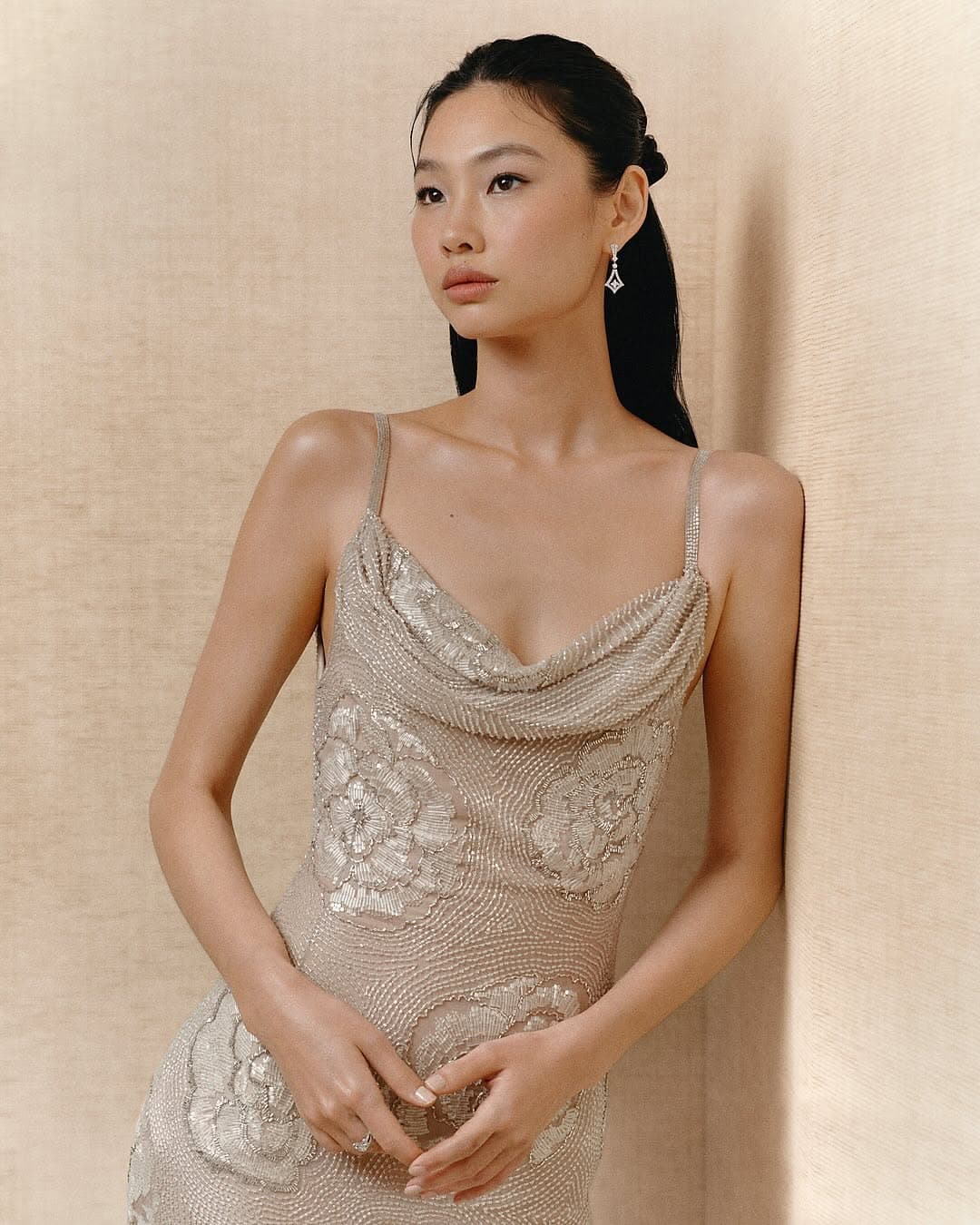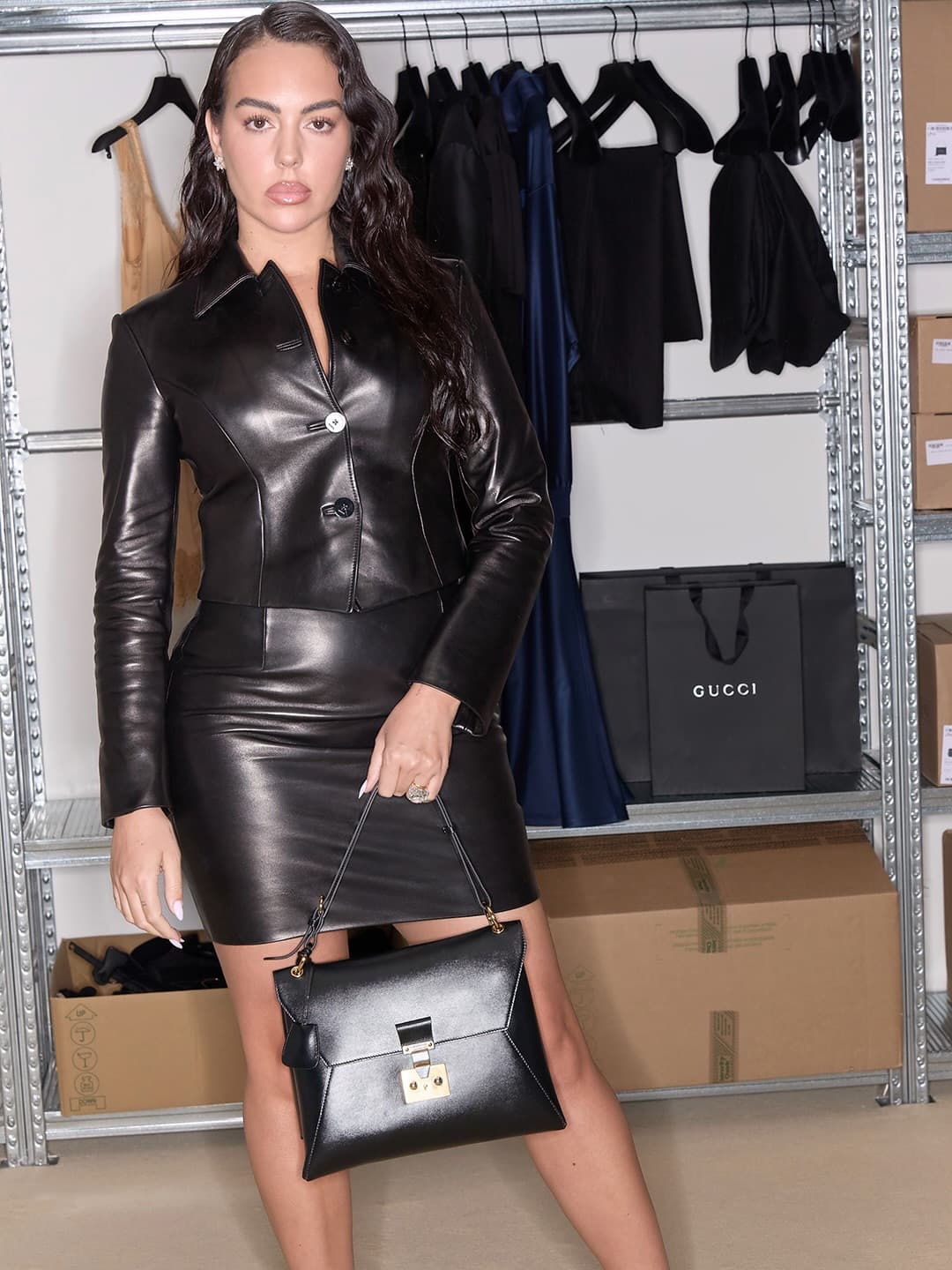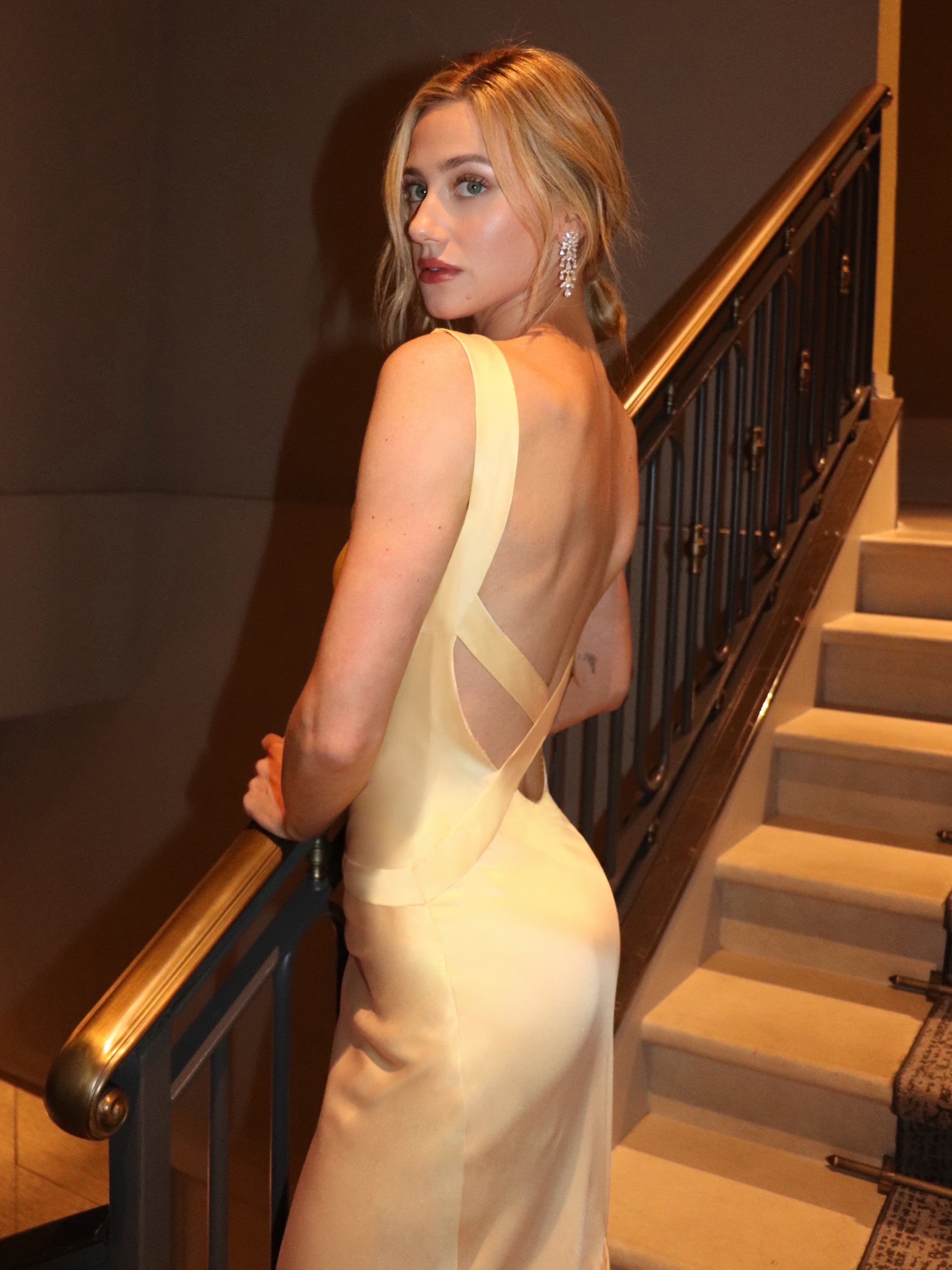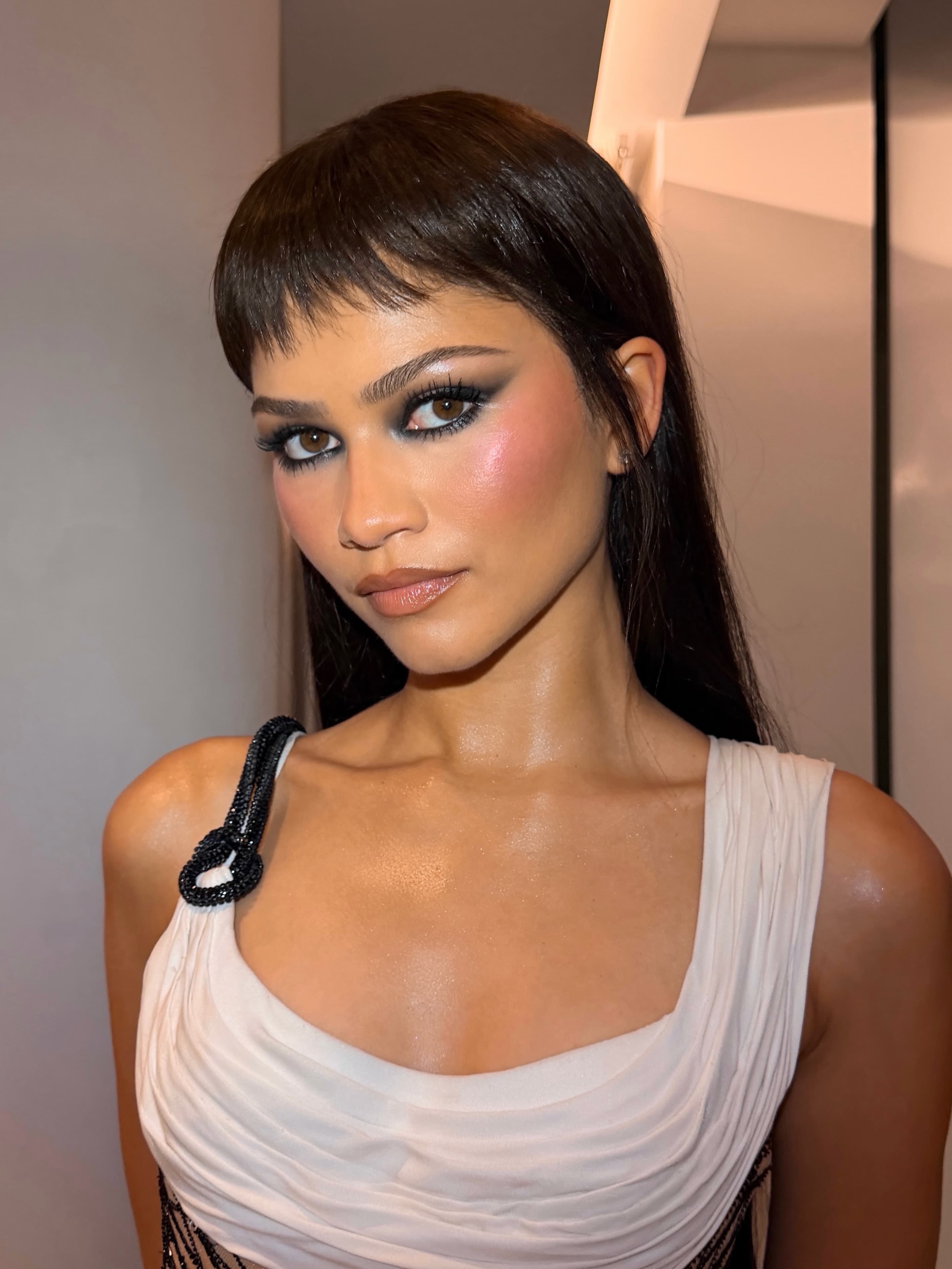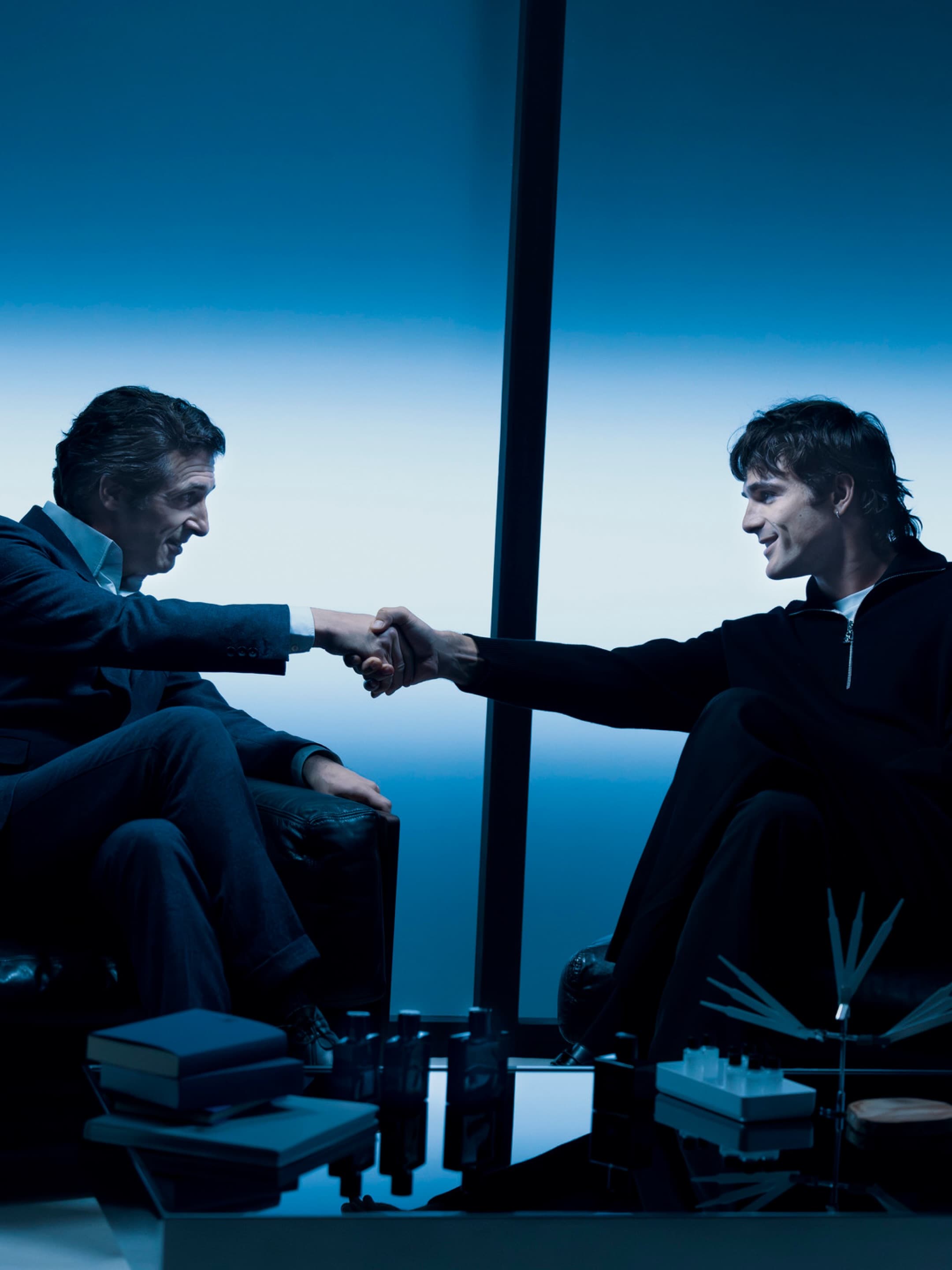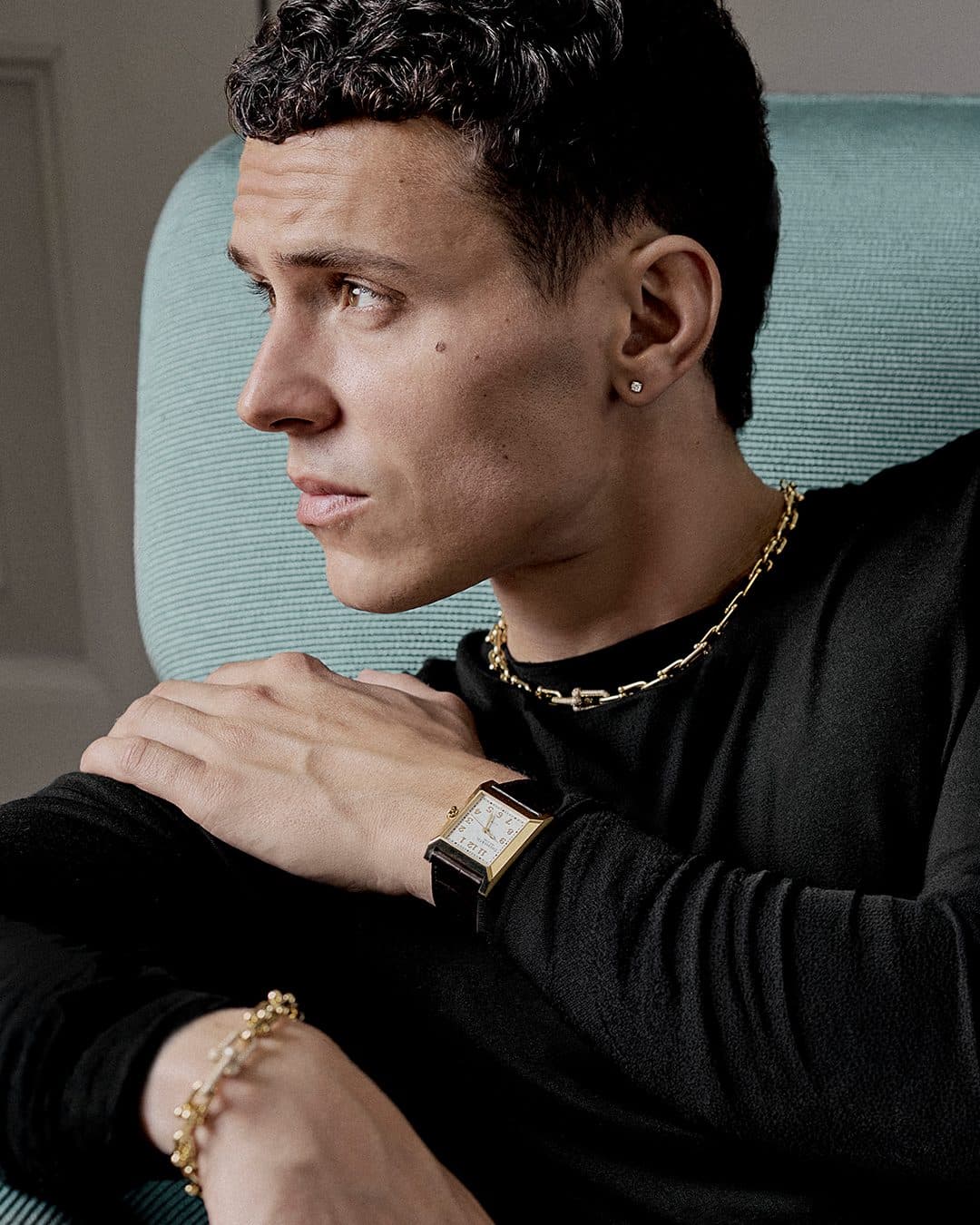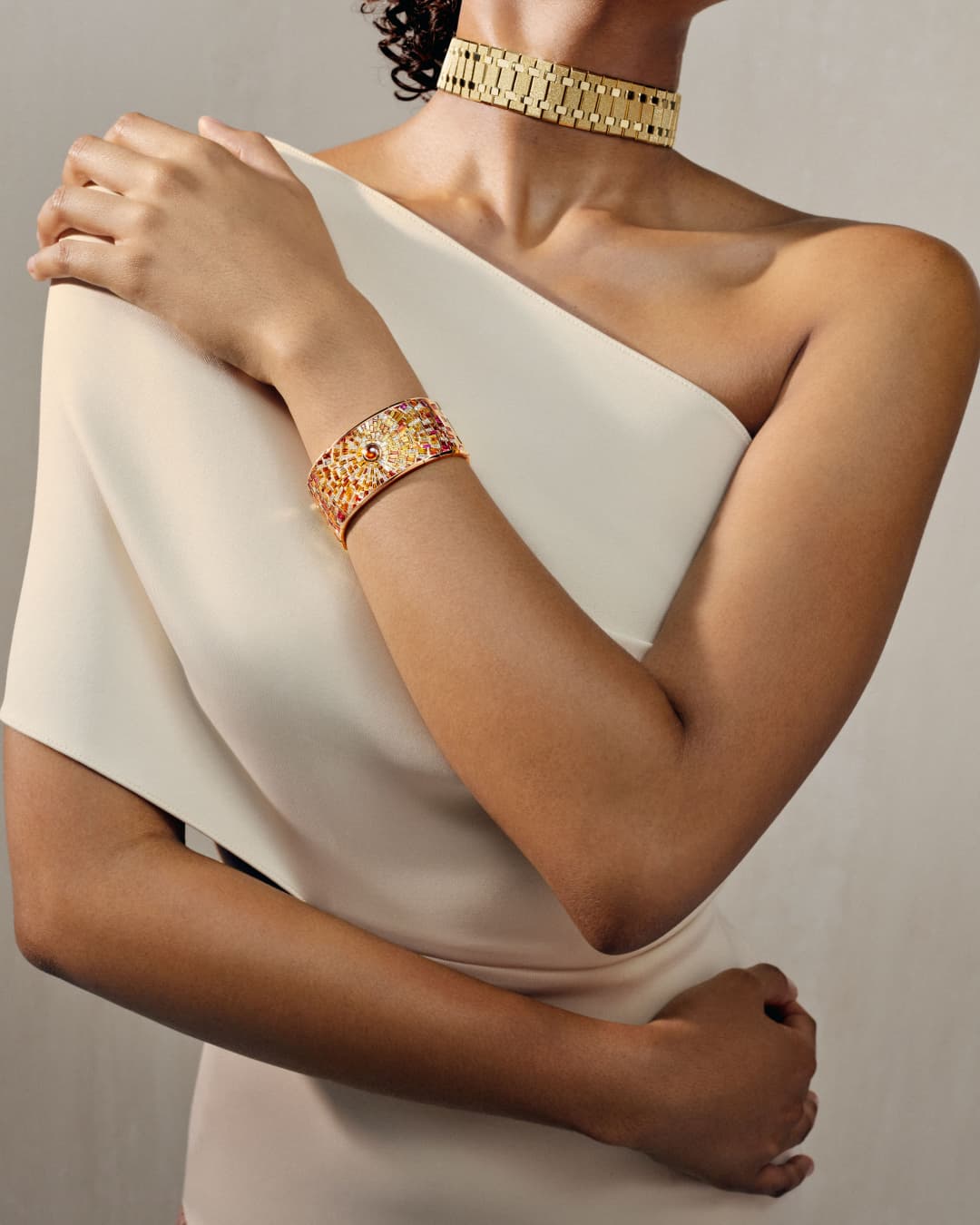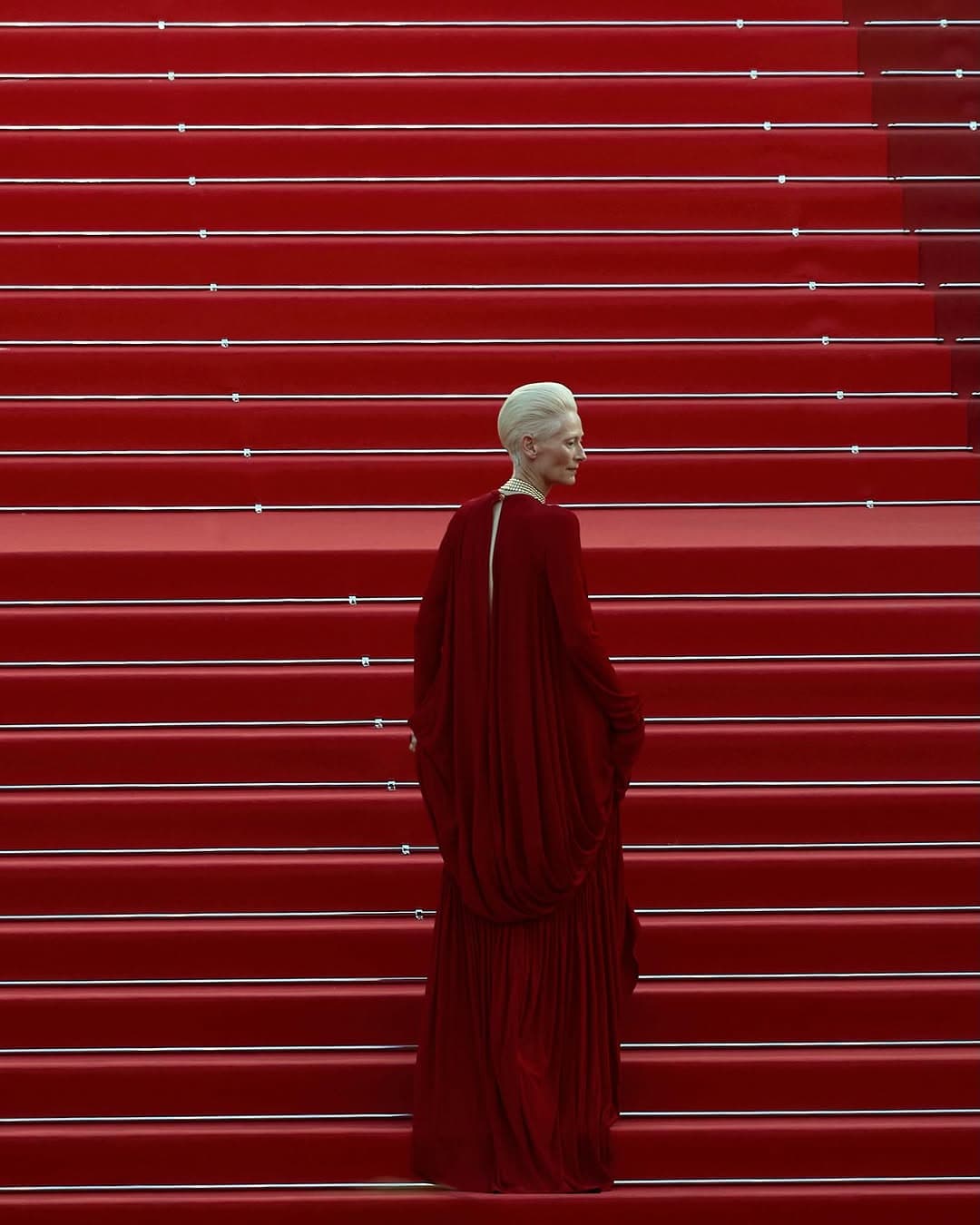
Red carpet Cannes photography has a way of flattening people into spectacle, all sequins and shouting. Yet every so often, a body of images cuts through the noise with the sort of composure you cannot fake, the kind that feels editorial rather than merely evidence. The work circulating from @swinton.tilda under the rallying tag of redcarpetcannes, credited to a PHOTOGRAPHER DUBAI MOSCOW presence, sits in that rarer category. It is not interested in frenzy. It is interested in line, poise, and the particular drama of restraint.
There is a certain Cannes light that makes even expensive satin look slightly impatient, as if it would rather be on stage than on a barricaded carpet. Here, the camera does not chase the glare. It holds its ground. Faces remain human. Fabric reads as fabric, not as animated glitter. The result feels closer to a portrait studio transported outdoors, where the air smells faintly of sea salt and styling spray, and you can almost hear the quiet before the next arrival.
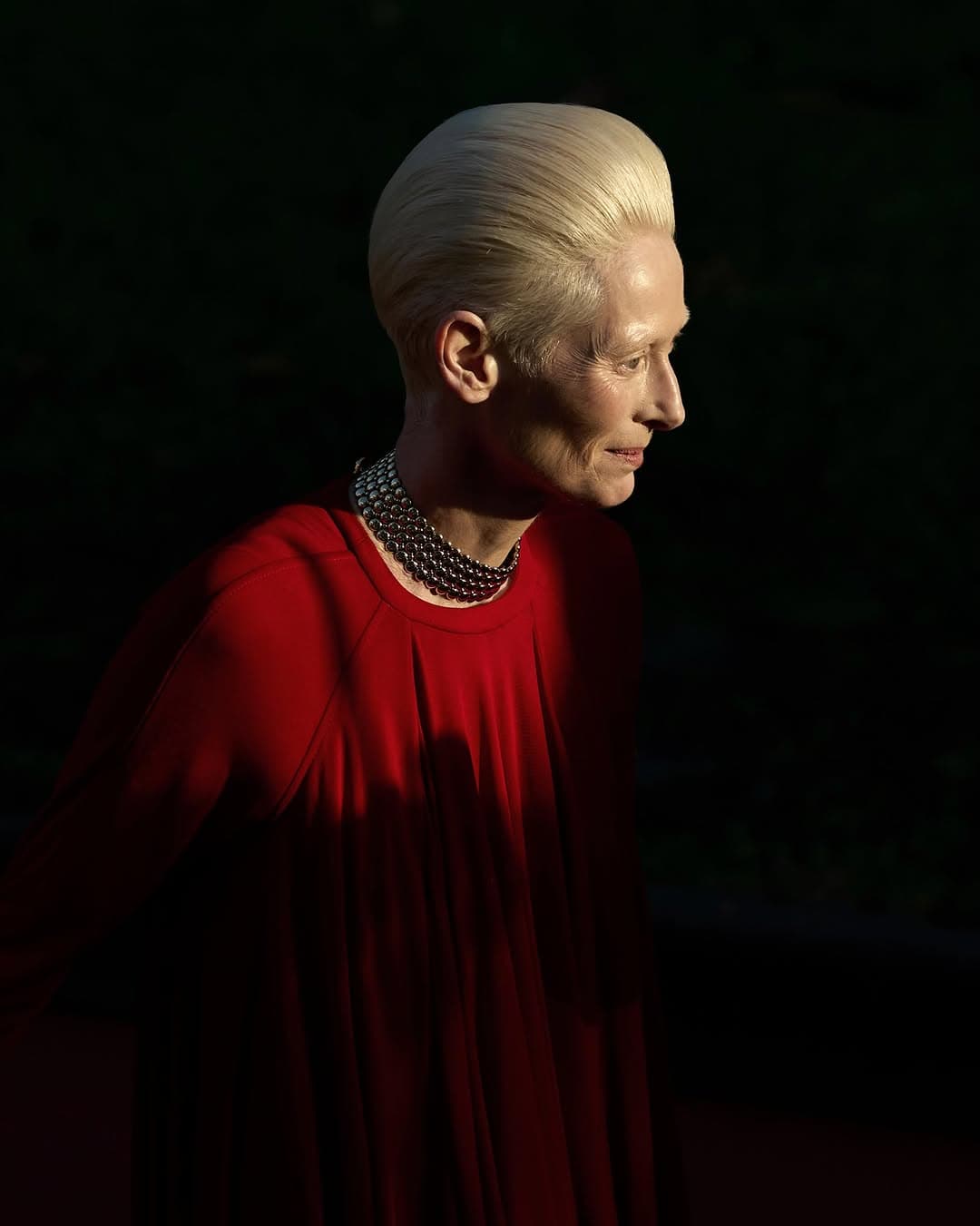
Red Carpet Cannes Photography That Refuses the Shout
At its best, Cannes style is not only about clothes. It is about gall, about commitment, about the choreography between a body and a garment under public pressure. These images understand that. They linger on the exact angle of a shoulder, the way a hemline decides whether it will behave, the micro expression that arrives when someone realizes the camera is not there to punish them.
This is why red carpet Cannes photography remains such an enduring obsession for fashion editors. It offers a condensed cultural document, a seasonal snapshot of what luxury wants to look like. Sometimes that means maximalism. Sometimes it means severe minimalism that reads almost monastic. Both can work. What never works is desperation. The strongest frames here feel unhurried, as if the subject has already won the evening and no longer needs to prove it.
The Cannes carpet has always been a high gloss stage for heritage maisons, but the modern eye is sharper and less forgiving. We notice cut and proportion, certainly, but we also notice intention. If you love the way the red carpet can function as a moving fashion archive, you will likely also want to browse our Fashion coverage, and the bolder celebrity style reading in Celebrity. For the cultural context that inevitably shapes what we call taste, our Culture stories sit neatly beside it.
The Swinton Effect, Even When She Is Not in the Frame
Tilda Swinton’s public image, the cool intelligence, the refusal to be easily categorized, has trained audiences to look differently. Even if she appears only as reference, the sensibility is familiar. You start to value clarity over clutter. You start to look for the tension between softness and severity. The best red carpet Cannes photography does not just document fashion, it edits it, deciding what matters and what can be left to the background noise.
There is also something distinctly European about this approach, not in a passport sense, but in the long memory of cinema and portraiture. Think of the way festival photography once aimed for permanence. In an era of instantaneous posting, that permanence is a choice, almost a provocation.
The Craft Behind Red Carpet Cannes Photography
Anyone who has stood near a festival barricade knows the chaos. The line of cameras, the shouted names, the frantic pivoting of bodies that have been trained to deliver ten “different” poses in twelve seconds. Good red carpet Cannes photography is, in part, a triumph over that environment. It requires timing, yes, but also an ethic of attention. The photographer has to decide, again and again, whether to take from the subject or collaborate with them.
These frames feel collaborative. They do not treat the subject as prey. The compositions tend to be clean, with enough breathing room to make the clothes legible and the expression readable. That may sound basic, but it is astonishing how often that goes missing when the carpet becomes a competitive sport.
Where Red Carpet Meets Brand Language
Cannes is also where brand signatures get tested in public. An archival silhouette reads differently under flash than it does in a lookbook. Jewelry either sings or it disappears. If you want a reference point for the stakes, visit the official Festival de Cannes site for the institutional side of the story, then compare it to what fashion houses disseminate through their own channels, like Chanel with its studied elegance or Louis Vuitton with its cinematic scale. The carpet is where those narratives either land or wobble.
And then there is the matter of place. A PHOTOGRAPHER DUBAI MOSCOW credit hints at a transnational eye, someone who understands luxury in very different climates. Dubai teaches you about high shine and controlled spectacle. Moscow teaches you about severity and confidence, about elegance that does not ask permission. Cannes, perched between sea and screen, becomes the perfect testing ground for both sensibilities.
How to Look at Red Carpet Cannes Photography Like an Editor
If you want to sharpen your own eye, stop looking for the “best dressed” headline and start looking for coherence. Does the image tell a complete story, or does it feel like a fragment? Where does your gaze land first, and why? A great photograph directs you without bullying you.
Notice texture. The difference between silk that reflects cleanly and satin that turns brassy under flash can determine whether a look reads expensive or merely loud. Notice posture, too. Red carpet Cannes photography is, quietly, a study of the spine. The stance changes the garment. Confidence is not an attitude, it is geometry.
Most of all, notice what the photographer decides not to show. Cropping is an opinion. Focus is an opinion. Choosing the moment before the smile locks into place can be kinder, and more truthful, than the smile itself.
Photo Credits
Cover image courtesy of PHOTOGRAPHER DUBAI MOSCOW via @swinton.tilda and #redcarpetcannes. Additional images courtesy of their respective owners.