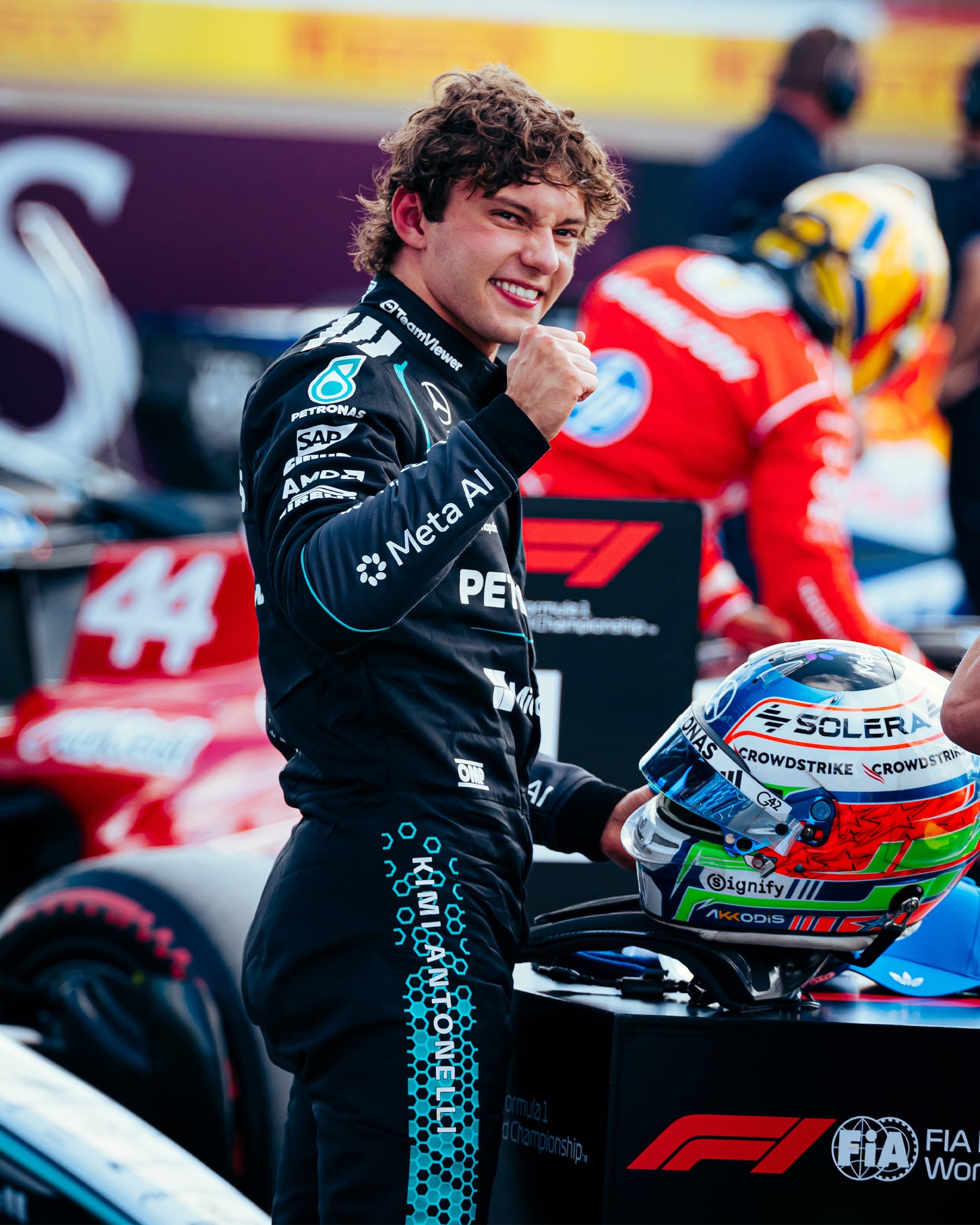
The stopwatch at Silverstone has a way of turning reputations into numbers, and this weekend the numbers point straight to Mercedes. The headline is the British GP pole position, with a pace-setting lap credited in the team’s own caption to Kimi Antonelli, while George Russell is slated to begin Sunday from P4. In a season where margins are thin and every upgrade becomes a public argument, starting at the front at Silverstone still carries a particular weight.
British GP pole position, and what it signals at Silverstone
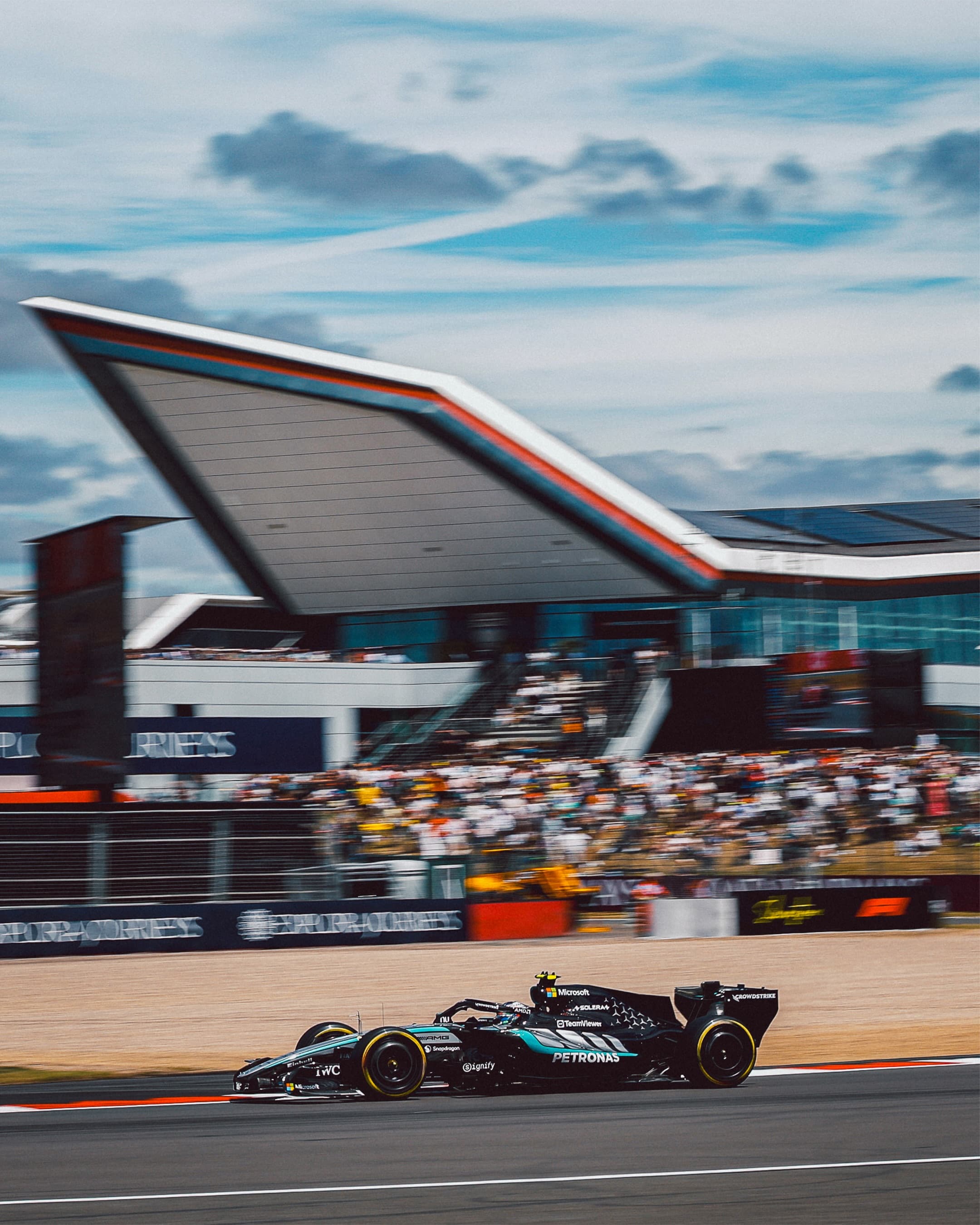
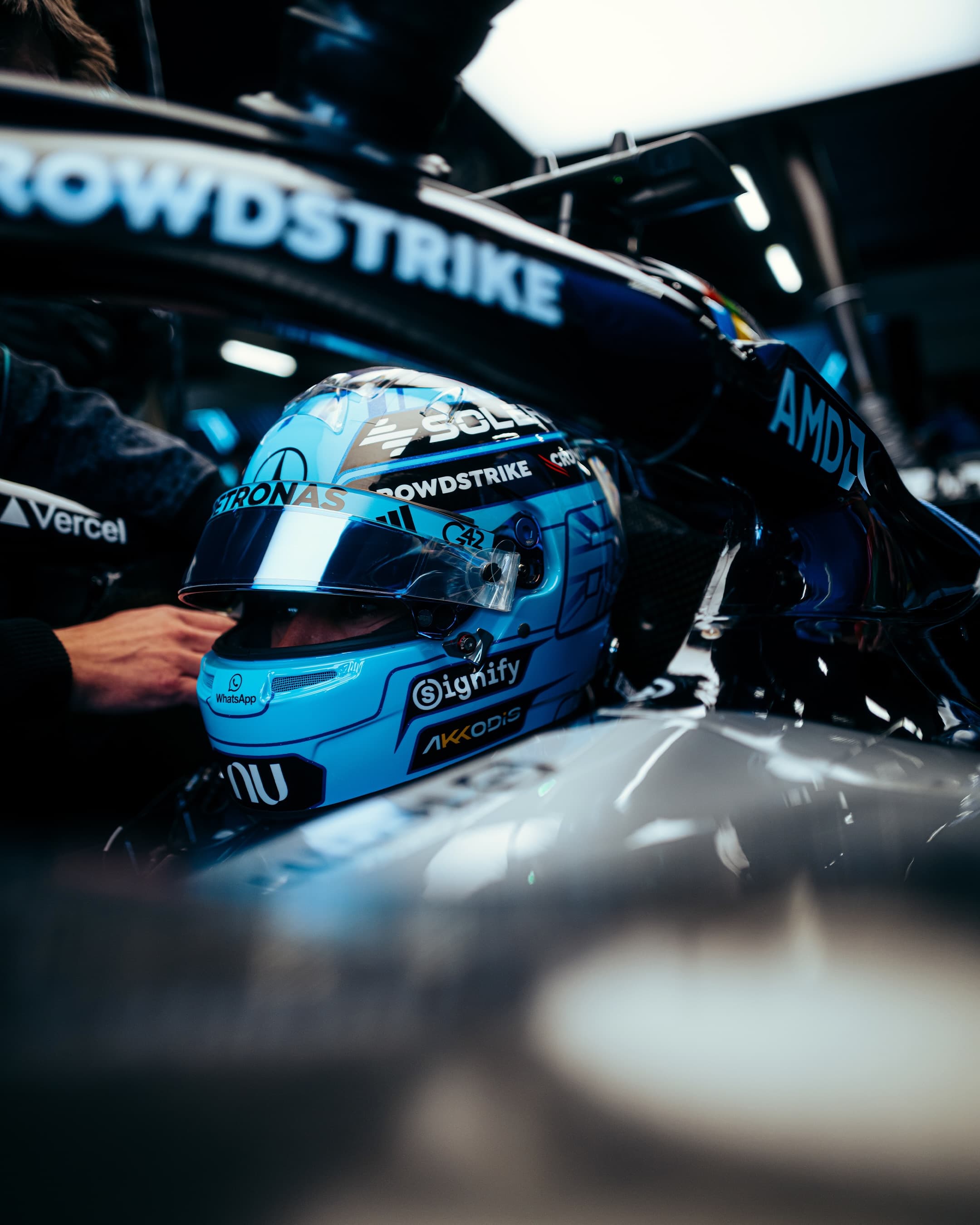
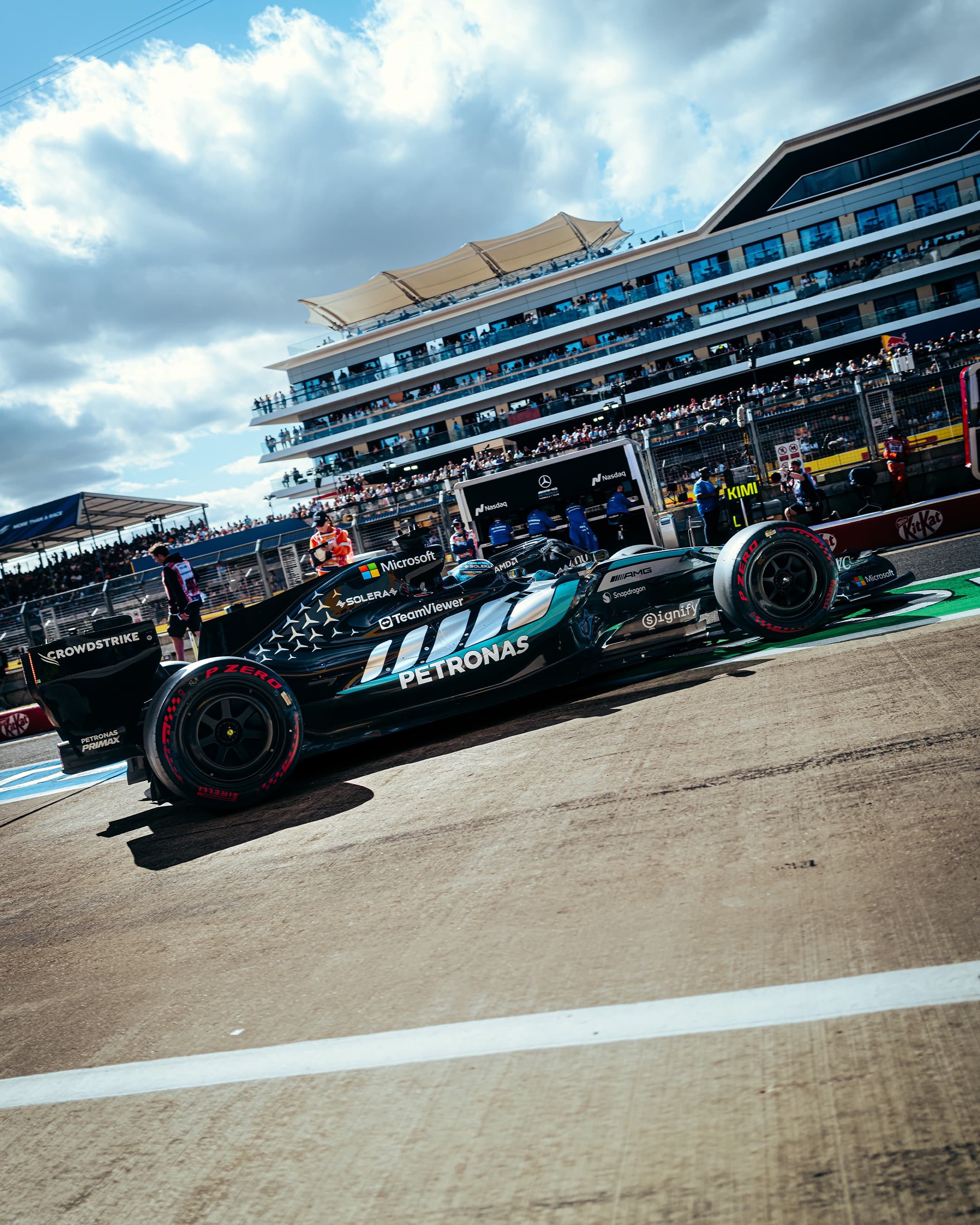
Silverstone is not a circuit that flatters uncertainty. Its fastest corners demand a car that stays planted through long, loaded arcs, and even for casual viewers the geography is famous enough to feel cinematic. The British Grand Prix is staged at Silverstone Circuit in Northamptonshire, England, the historic home of the first Formula 1 World Championship race in 1950, according to Formula 1’s official British Grand Prix event page.
So when Mercedes-AMG Motorsport posts “POLE POSITION!” alongside Silverstone, it is not merely social media punctuation. It is the team placing a flag in one of the sport’s most symbolic pieces of tarmac, in front of a crowd that treats speed as inheritance.
The Mercedes storyline: Antonelli’s pace, Russell’s P4
The caption names two drivers and two very different tasks. Antonelli is framed as “setting the pace,” a phrasing that reads as both celebration and statement of intent. Russell, starting P4, becomes the strategic hinge, close enough to attack, far enough to require decisions: tyres, timing, risk.
Mercedes’ modern identity has often been defined by systems and process, but weekends like Silverstone have a more human texture. You can see it in the way a garage behaves when the car is quick, headsets tighter, glances shorter, movements more exact. Pole is a clean fact, yet it changes the whole emotional architecture of a Sunday.
Why Silverstone amplifies everything
At Silverstone, the grandstands feel almost on top of the racing line, and the sound arrives in layers, first the distant approach, then the full-bodied tear past. A British GP pole position here comes with an immediate theatre: the national anthem energy, the home-race scrutiny, the expectation that you defend what you earned in qualifying.
For Mercedes, that theatre is doubled. Silverstone has been a key stage in the team’s recent era, and Russell, in particular, is one of the faces fans associate with its present tense. Starting P4 is not a consolation, it is proximity.
What to watch when the lights go out
Pole at Silverstone is a promise, not protection. The start funnels the field toward the opening sequence with almost no room for polite positioning, and the first laps often define whether pole becomes leverage or liability. If Antonelli converts early clean air into control of tyre temperature and pace, the British GP pole position becomes a platform. If not, it becomes a spotlight.
For Russell, P4 is the launch pad for the bold call. The question is whether Sunday rewards patience or punishes it, and the answer usually arrives in a single, decisive lap window.
Official team updates and classification details are typically confirmed through Mercedes’ own channels and the race broadcast, but the team’s intent is already clear from the way it has framed the moment. You do not shout “pole position” in Silverstone unless you plan to make the rest of the paddock listen. Mercedes-AMG Motorsport’s social post anchoring the claim appears via Mercedes-AMG PETRONAS F1 Team’s official Instagram account.
If you are following the weekend as a cultural event as much as a sporting one, see also our coverage of Automobile and Celebrity.
Photo Credits
Images courtesy of their respective owners.