There is a particular hush that falls over a tennis stadium just before a toss, the kind that turns thousands of people into one held breath. It is in that hush, not the fist pump, not the trophy lift, where Mirra Andreeva first looked inevitable to me.
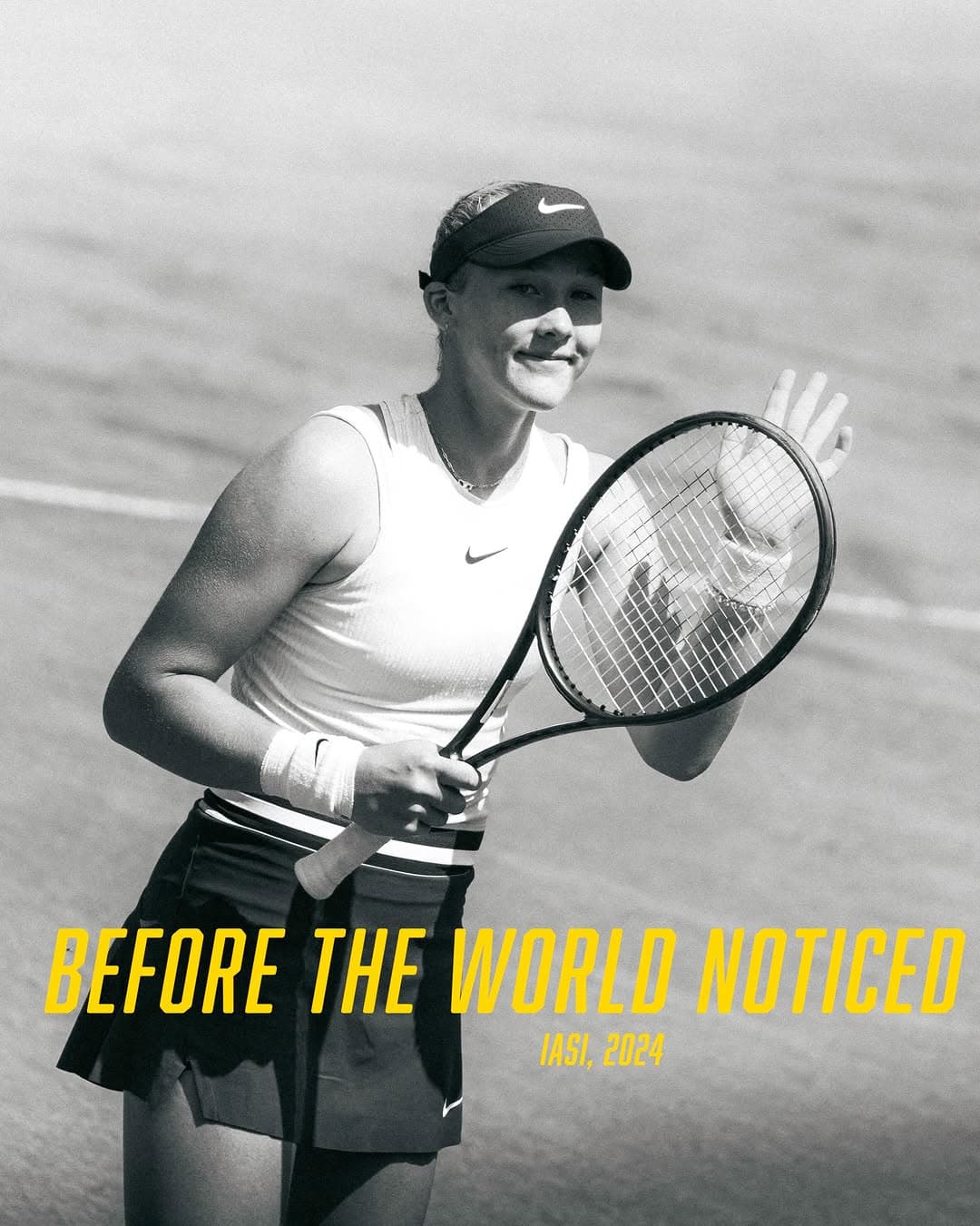
In 2024, I worked as the Official Tournament Photographer at Iași Open, the WTA 250 that briefly became the center of the tennis world for anyone paying attention to what comes next. That week, a 17 year old Andreeva won her first WTA singles title. I photographed the obvious moments, the silverware, the smile that tries to behave, the hugging of coaches and kin. But the images I still think about are quieter, the set of her shoulders as she walked to the baseline, the way her eyes fixed on the rectangle of service box like it was a promise she intended to keep.
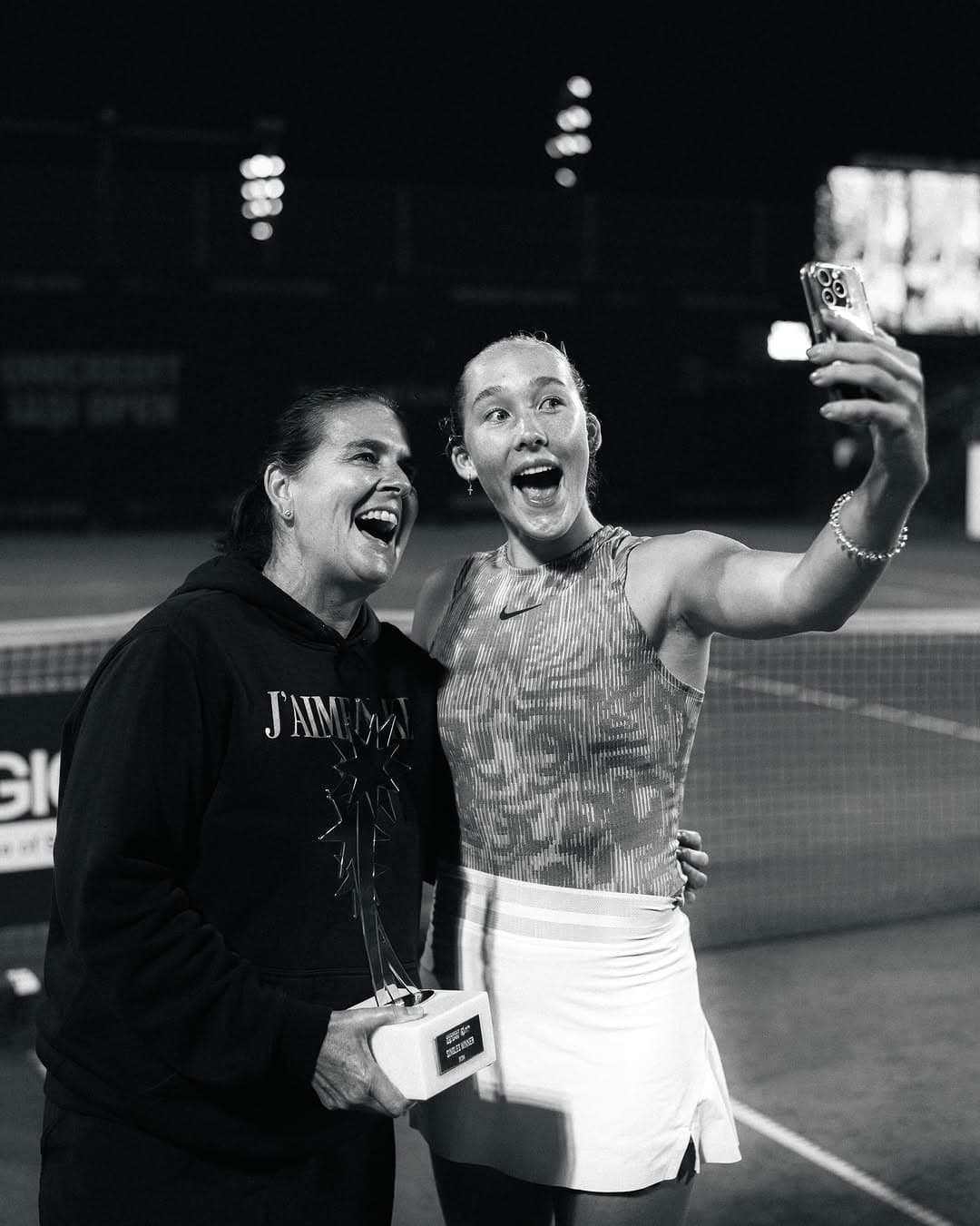
Several frames from that week were later shared by the official WTA and Australian Open channels, a small professional jolt of recognition that felt less like personal validation and more like proof of concept. Sometimes the camera catches what the scoreboard cannot yet articulate. The early chapters matter.
Fast forward, and the story has its final line in Paris. Mirra Andreeva is the Roland Garros Champion. If you love sport, you know the pleasure of being right about someone early, not in a smug way, but in a human way. You witnessed the making of a thing before it had a name.
Mirra Andreeva, photographed before inevitability became fact
A tennis photograph is, by its nature, an argument with time. The shutter says, this is what happened, but the best frames also whisper, this is what is about to happen. With Mirra Andreeva, that forward pull was unmistakable in Iași. She was not playing to survive points, she was playing to author them.
The clichés about teenagers in elite sport usually involve fearlessness, the absence of scar tissue. What I saw was something rarer and less romantic, patience. Between points, Andreeva did not perform composure, she inhabited it. She adjusted strings, toweled off, looked up into the stands as if checking the temperature of the room, then returned to the line with a kind of exacting calm. Photographing her required restraint, too. The temptation is to chase drama. With her, the drama lived in micro expressions.
It is also worth saying, Iași has a distinct texture as a setting for a first title. The light can be merciless in the afternoon, and the air has that late summer edge that makes colors feel slightly sharper, whites whiter, clay more rust. It is flattering for the camera, yes, but unforgiving for the player. You cannot hide in that clarity. Mirra Andreeva did not try to.
The week that made a first trophy feel like a prologue
Winning a WTA 250 is not a footnote, but it is different from a major in the way a private view differs from an opening night. You can hear the details. You can see who settles, who spirals, who responds to the tiny humiliations of sport, a net cord, a bad bounce, an umpire call that arrives like a slap. Andreeva absorbed all of it without theatrics. That trait, more than any highlight reel, is what reads as Grand Slam material.
For readers who love the cultural life around sport as much as the match itself, the conversation belongs alongside our ongoing coverage of Celebrity, where public narratives are built in real time, and Culture, where context is everything. Tennis is never only tennis. It is psychology, fashion, money, mythmaking, and the camera is often the first historian in the room.
Roland Garros, the stage that crowns more than a winner
Roland Garros has its own vocabulary, clay dust that softens edges, Parisian light that makes even exhaustion look painterly, the slow accumulation of pressure that turns a two week tournament into a referendum on nerve. Becoming a Roland Garros Champion is not simply about shot making. It is about accepting that every step you take is being read, by opponents, by crowds, by yourself.
To see Mirra Andreeva arrive there and leave with the trophy is to watch talent mature into authority. The difference between promise and inevitability is usually temperament. It is the ability to keep your game intact when the match stops being about the opponent and becomes about history. Andreeva now owns that particular kind of silence that champions carry.
What a photographer learns by watching a champion arrive early
Sports photographers are trained to anticipate, but the truth is we are also trained to listen. The click is only the last act. Before that, there is observation, the mapping of patterns, the sense of where emotion will break through the surface.
At a tournament like Iași Open, you have access to the unvarnished version of an athlete. There is less ceremony, fewer layers between the player and the day. Capturing Mirra Andreeva then, before the word champion became a title she had to carry, felt like witnessing raw intent. Today, looking back, that intent reads like a blueprint.
If this is the kind of craft you relish, the way images shape the memory of sport, you might enjoy our lens on Luxury as well, where objects and moments are valued not only for what they are, but for what they signify. A photograph is a luxury in that sense. It is time kept.
And if you are wondering what the greatest professional reward is, for someone behind the baseline with a camera and a deadline, it is this. Documenting history in its earliest, least polished stage, then watching the world catch up to what you already saw through the viewfinder.
Photo Credits
Cover image courtesy of Andrei Luca. Additional images courtesy of their respective owners.