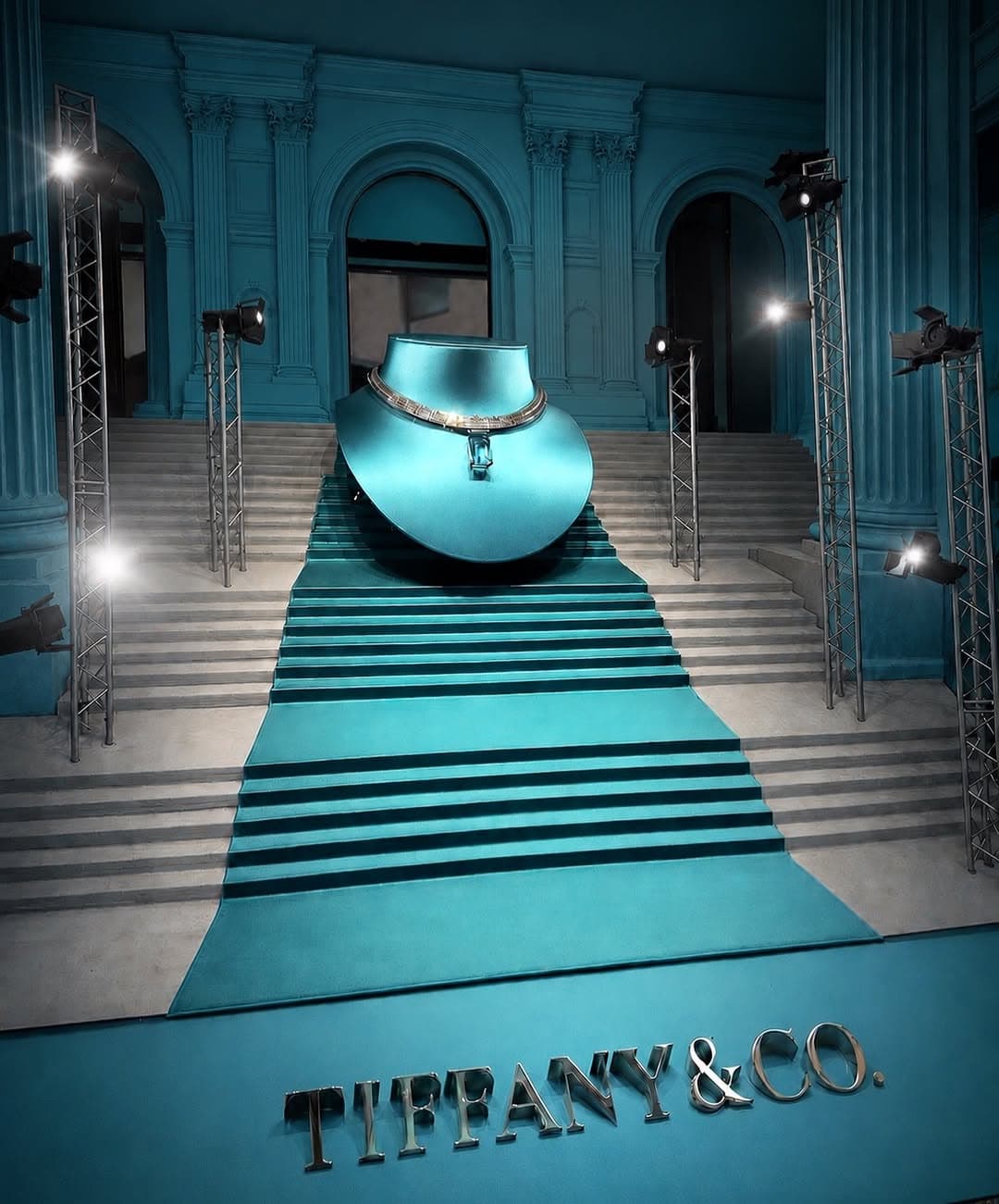
Some brands buy their way into the cultural conversation; Tiffany & Co. simply appears—glinting, inevitable, and a little bit wicked. That’s the pleasure of Tiffany window art when it slips the usual orbit of diamonds and devotion and lands instead in film: a silver-screen close-up where taste isn’t just implied, it’s staged. And yes, staged in Milan—because of course it is.
For The Devil Wears Prada 2, Tiffany gets one of those once-in-a-blue-moon moments when high jewelry isn’t merely worn; it’s narrated. The partnership with Disney/20th Century Studios arrives with the kind of behind-the-scenes brain trust fashion people love to name-check—director David Frankel (the architect of the original film’s crisp, cruel glamour) dreaming up a scene set inside the new Tiffany Monte Napoleone store. Picture the hush of a salon, the soft violence of perfect lighting, and that particular Milanese sheen that makes even a “quick stop” feel like an editorial.
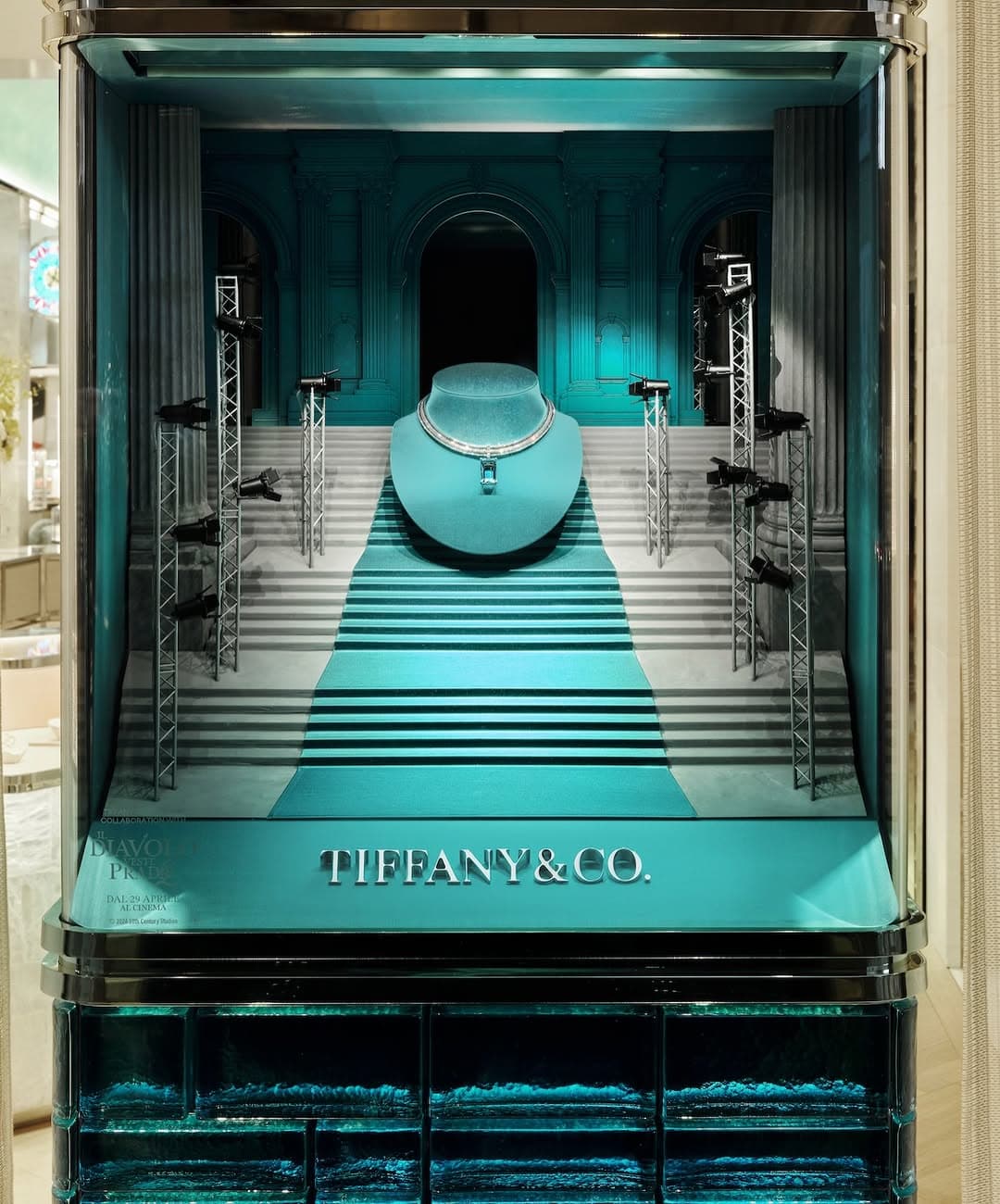
Tiffany window art meets The Devil Wears Prada 2
The original The Devil Wears Prada understood something many fashion films still miss: clothes are character, and accessories are motive. So it tracks that the sequel would court Tiffany—not as product placement, but as a symbol. Tiffany window art is typically born from the house’s own dazzling collections (those unapologetic high-jewelry fantasies that make you believe in decadence again), yet the rare pivot into popular culture can be even more revealing. When cinema calls, the brand doesn’t just “participate.” It frames the fantasy.
Credit where it’s due: Kathryn Vanderveen—ever-brilliant, and the kind of creative mind who knows how to make glass feel like velvet—helped usher this collaboration into being. That matters. A Tiffany window isn’t a backdrop; it’s a thesis statement. The best ones don’t scream “buy this.” They suggest a life you might be elegant enough to lead.
Inside Tiffany’s Monte Napoleone store: Milan’s newest jewelry theatre
Monte Napoleone has always been a street for the serious-minded shopper: not impulse, but intention. And now Tiffany’s presence there feels like an American icon learning fluent Italian—less Fifth Avenue sparkle, more Milanese precision. The store’s role in the film is especially delicious because it lets high jewelry do what it does best on camera: throw light back at the viewer with almost insolent confidence.
There’s also something quietly radical about anchoring a “memorable scene” in a luxury retail space that’s designed, in part, as a cultural room. It’s the opposite of the old model where the boutique exists purely to transact. Here, the store becomes set design; the set design becomes story; the story becomes desire.
Why the best fashion moments are always a little cinematic
Fashion’s relationship with film has been a long flirtation—sometimes profound, sometimes painfully on-the-nose. When it works, you can feel the seams between costume and character dissolve. Think of the way jewelry on screen can telegraph power before a single line is delivered. (And if you’re the sort who still rewatches a good makeover montage like it’s a ritual, you’ll appreciate the kinship with fashion’s most iconic costume moments.)
What makes Tiffany window art especially potent in this context is its discipline. A window is an edit. An argument. A controlled seduction. In an era of endless content and frantic trend-cycling, I’ll take that kind of restraint any day—luxury should feel composed, not clamorous.
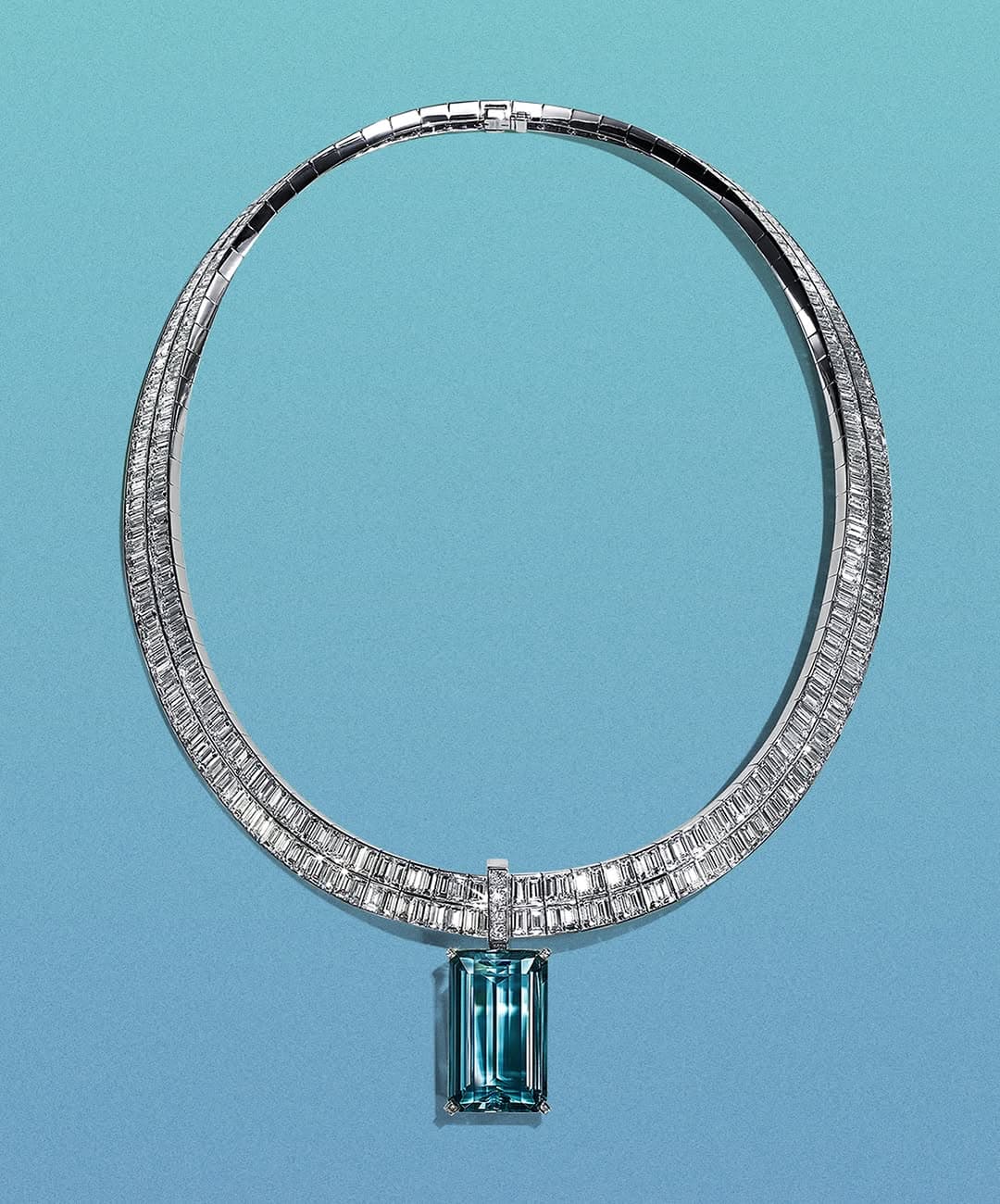
The artistry behind Tiffany window art—when jewelry becomes a narrative device
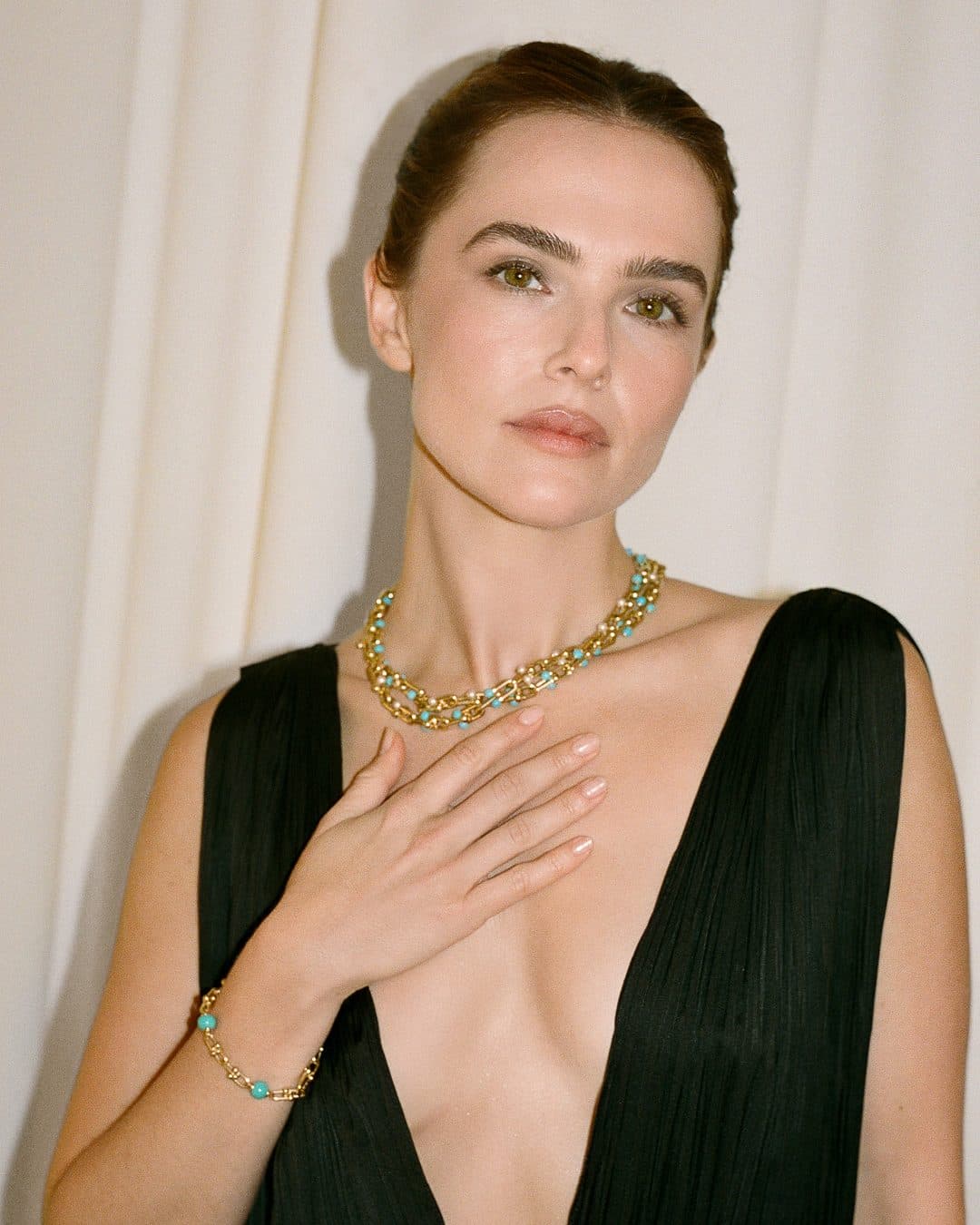
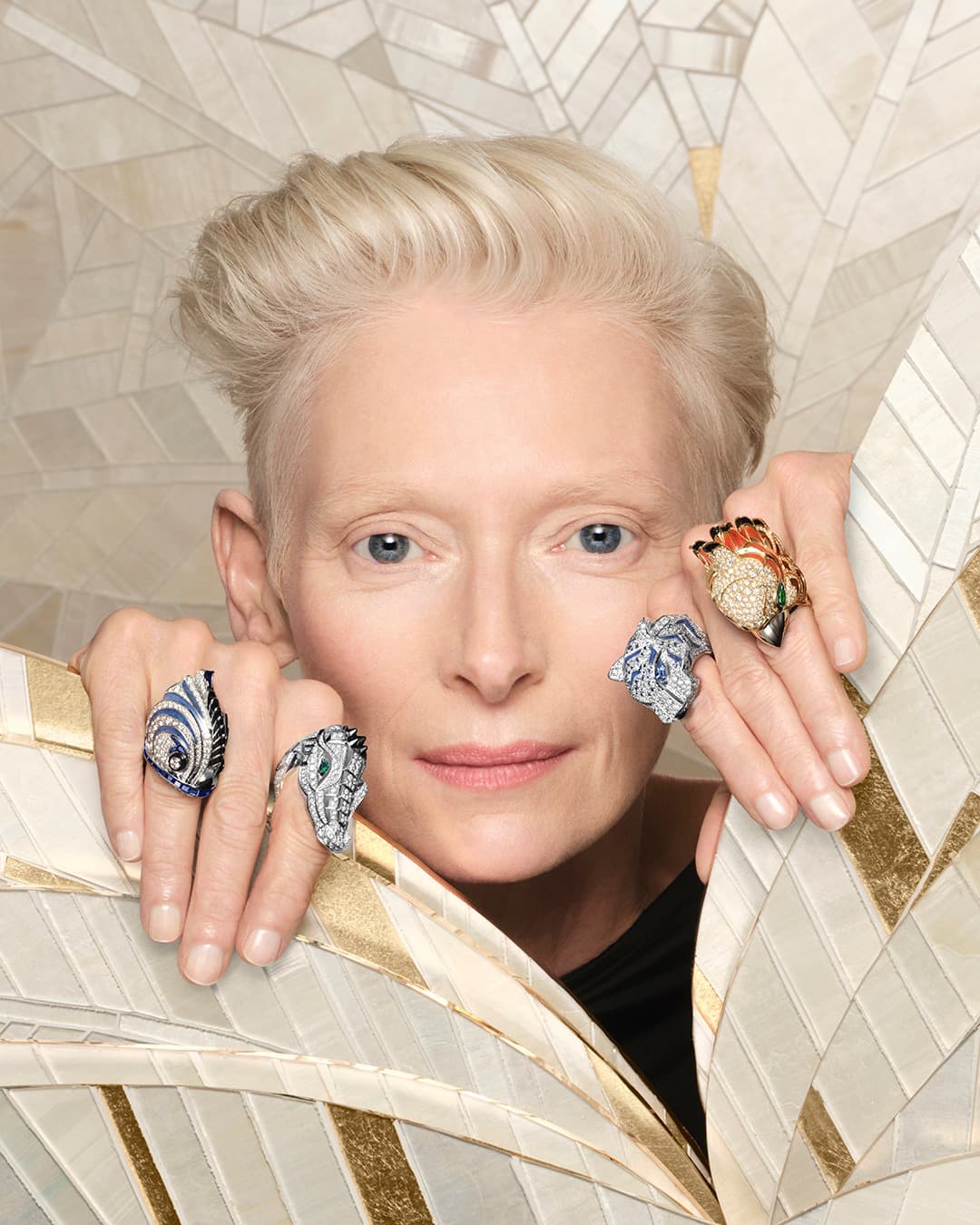
Tiffany’s windows have always been less about “display” and more about world-building. Call it retail theatre if you must, but the good kind—where craft and concept are in sync. High jewelry, with its almost mythic status, naturally lends itself to narrative treatment: gems as plot points; settings as punctuation.
- Light as language: Diamonds don’t sparkle; they speak—especially through glass.
- Composition as mood: A window can be romantic, icy, surreal, or slyly humorous (the best are all four).
- Cultural timing: When Tiffany shows up in a film like The Devil Wears Prada 2, it’s not accidental—it’s a wink at exactly who’s watching.
For those craving more context on how the house balances heritage with modern appetite, Tiffany’s own story is worth revisiting—start with the official Tiffany & Co. site and, for the broader cultural mythos, the brand’s history and legacy. It’s not nostalgia; it’s infrastructure.
The real power move: making luxury feel like plot, not props
The smartest luxury collaborations understand that the audience is allergic to obviousness. They want atmosphere. Subtext. A sense that the brand belongs in the character’s world the way a well-cut coat belongs on the body. When Tiffany window art intersects with cinema, it’s at its best when it feels inevitable—like the scene couldn’t happen anywhere else.
And perhaps that’s the secret ingredient Frankel has always understood: style is a storytelling tool, not a reward for the viewer’s attention. If you’re curious how modern luxury is staging itself beyond runways and red carpets, our ongoing edit of the collaborations worth caring about makes a persuasive case that the future belongs to brands that can hold a narrative.
Will The Devil Wears Prada 2 give us a new generation’s shorthand for ambition and taste? We’ll see. But placing a high jewelry moment in Tiffany’s Monte Napoleone store already feels like a confident bet: Milan as the set, Tiffany as the sparkle, and pop culture as the mirror that makes it all look even sharper.
Photo Credits
Images courtesy of their respective owners.