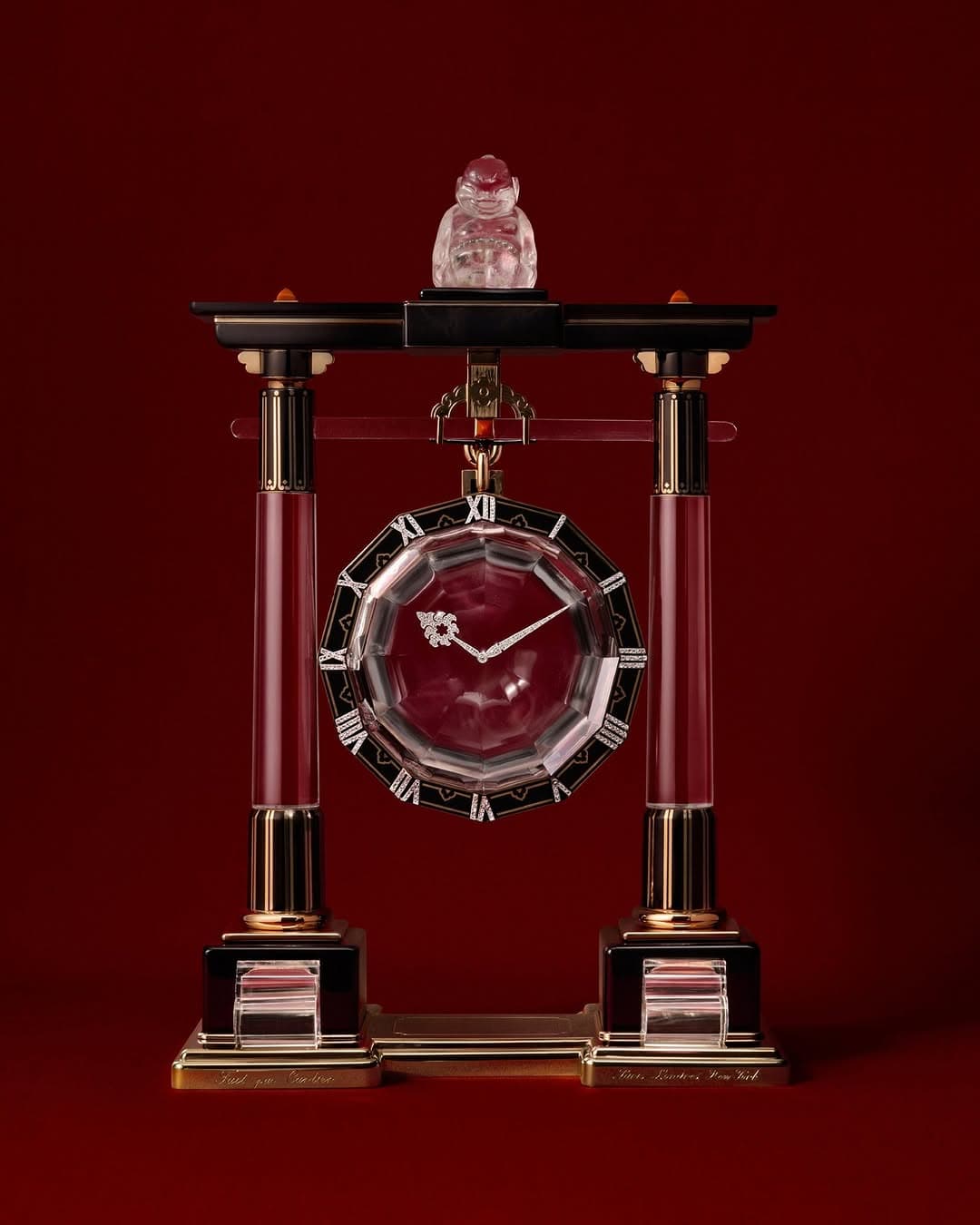
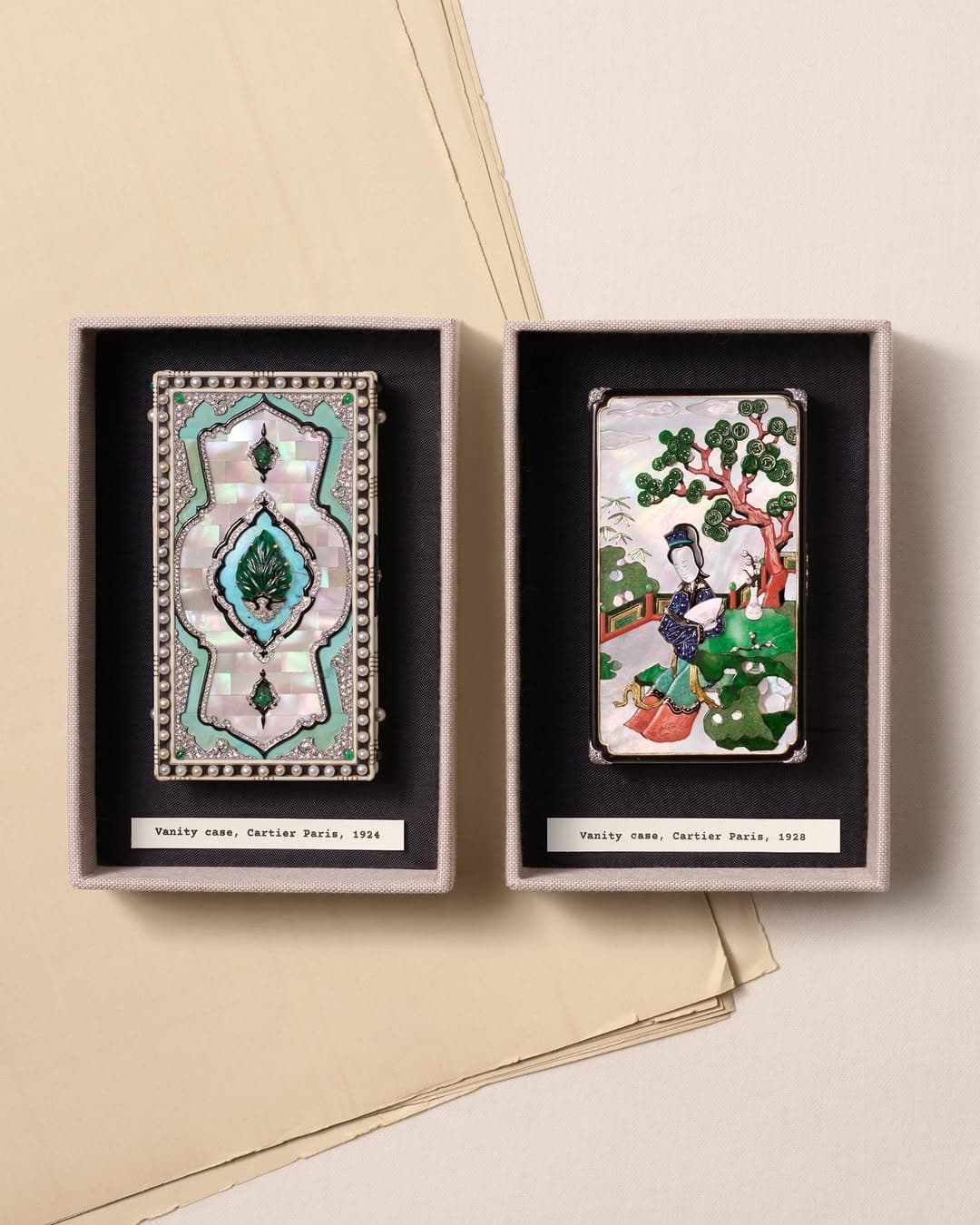
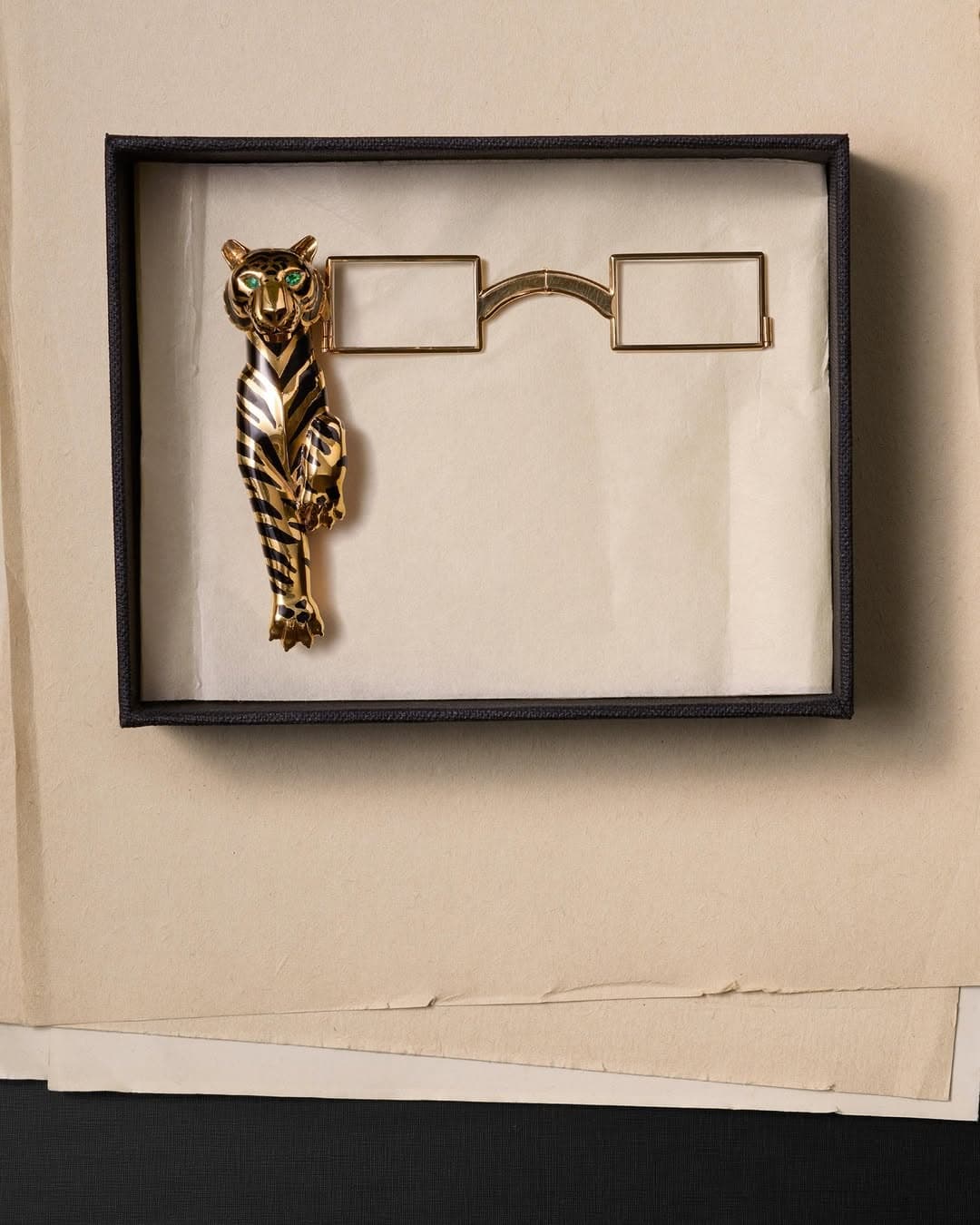
The Cartier Collection is not a vault in the cinematic sense, all hushed corridors and secret codes. It behaves more like a lending library for the world’s great museums, a working archive that insists on being seen, studied, and argued over in public. Conceived as a resource for the cultural and museum sectors, and systematically documented by the Maison’s Archives, it has become a serious object of academic attention, the kind that rewards slow looking and footnoted debate. Since 1989, cultural institutions across the globe have staged it in 46 monographic exhibitions, each with independent scientific curation, which is a polite way of saying the work is allowed to speak beyond brand messaging.
If you care about jewellery as design history, as social history, as a mirror for taste and power, the Cartier Collection offers something rarer than sparkle. It offers context. You can feel it in the way a piece holds the light, but also in the way it holds a moment, a patron, a set of hands and a set of values, often contradictory, always revealing.
Why the Cartier Collection matters now
We live in an era that confuses visibility with understanding. Everyone can see everything, instantly, yet the deeper stories flatten into a scroll. The Cartier Collection resists that flattening because it insists on provenance, documentation, and the long view. Cartier’s own materials describe the Collection as a resource meant to be shared with a wide audience, and the key word there is shared, not simply displayed. When a museum hosts a monographic exhibition, the point is not only seduction, it is scholarship. That distinction matters, especially as jewellery increasingly sits at the crossroads of culture, collecting, and the politics of luxury.
What makes the Collection unusually compelling is how cleanly it maps the Maison’s stylistic swings: the geometry and restraint of Art Deco, the sensuous naturalism of earlier periods, the witty modernism of later decades. You begin to see Cartier less as a single signature and more as an evolving language, responsive to technology, travel, and the whims of clients who wanted their lives translated into stones and metal.
A travelling archive, not a static treasure chest
The numbers tell their own story. Since 1989, 46 monographic exhibitions across the globe is not incidental programming, it is a sustained curatorial habit. Monographic, in plain terms, means Cartier is the subject, not a decorative cameo in a broader show. And independent scientific curation signals a relationship with institutions that is meant to hold up under scrutiny, the kind that asks uncomfortable questions about attribution, restoration, and historical framing.
For readers who want the primary source, start with Cartier’s official overview of the Cartier Collection, which positions it explicitly as a cultural resource. Pair that with the museum sector’s broader thinking on conserving and interpreting precious objects, a perspective often articulated through bodies like ICOM, whose standards shape how institutions speak about stewardship, access, and responsibility.
The Cartier Collection up close, what you actually notice
Let’s be honest, you can read about jewellery all day and still understand nothing until you’ve stood in front of it. The Cartier Collection is particularly unforgiving in photographs because so much of its impact is physical: the calibrated weight of a bracelet, the cool authority of platinum, the way a clasp clicks with a confidence that feels architectural. In person, Cartier’s famous clarity is not just visual, it is tactile.
There is also a kind of emotional temperature to these pieces. Some read like declarations, formal and public. Others feel almost private, as if designed for the mirror before a night out rather than the room itself. That range is part of why the Collection has proved so exhibition friendly. It gives curators narrative options, dynastic patronage, technical evolution, shifting silhouettes, changing ideas of femininity and display.
Design history you can wear, at least in theory
In museums, jewellery can risk looking like it has been embalmed. The Cartier Collection tends to avoid that fate because the objects are so decisively made. Even under glass, they retain a sense of intention, of engineering, of a problem solved elegantly. You can trace conversations between fashion and jewellery, too, especially when you think about how these pieces would have moved against fabric, satin, velvet, bare skin. It is one reason the Collection resonates beyond the category of jewellery lovers and into fashion and visual culture more broadly.
How museums frame Cartier, and why independent curation is the point
When a brand lends to a museum, there is always an implicit negotiation between commerce and culture. The Cartier Collection’s exhibition history, with its emphasis on independent scientific curation, suggests a desire to be handled like material history, not marketing. That means wall texts that talk about technique without breathlessness, timelines that acknowledge influence and exchange, and catalogues that become references rather than souvenirs.
If you have ever read a serious exhibition catalogue, you know the pleasure is in the specifics, measurements, materials, workshop practices, comparative images, footnotes, the painstaking work that turns admiration into understanding. The Cartier Collection is structured to invite that kind of attention. It is not simply that the pieces are beautiful, it is that their beauty has an address and a paper trail.
Why this matters to collectors and contemporary luxury
In the current luxury landscape, heritage is often treated like a mood board, a few motifs revived and reposted. The Cartier Collection, by contrast, is heritage with receipts. That matters to collectors, certainly, but it should also matter to anyone thinking about the future of luxury, how objects earn longevity, and how brands behave when they claim cultural significance. Watches and jewellery are often discussed as investment, but their deeper value is interpretive. They tell time in more ways than one. If you find yourself pulled toward the horological side of the Maison, you will likely enjoy the way our watches coverage approaches objects as design, not just status.
Planning a Cartier Collection encounter, what to watch for
Because the Collection travels, your best opportunity is often a museum calendar rather than a boutique appointment. When a monographic exhibition is announced, move quickly. The quieter weekday slot is ideal, not because crowds are vulgar, but because jewellery asks for concentration. You want the room to be still enough to notice small decisions, the way stone settings change the profile of a piece, the way a motif is repeated but subtly rethought, the way scale signals a decade’s appetite for drama or restraint.
Before you go, skim the institutional framing, not just the press release. Look for the museum’s own language about curation and scholarship. Then, once you are inside, give yourself permission to look past the obvious. Everyone loves a headline jewel. The revelation is often in the supporting cast, the objects that make the era legible.
Ultimately, the Cartier Collection endures because it is willing to act like culture rather than claim it. It circulates. It submits to curatorial interpretation. It shows its work. And in a world that is constantly asking luxury to justify itself, that might be the most modern gesture of all.
Photo Credits
Cover image courtesy of Cartier Official. Additional images courtesy of their respective owners.