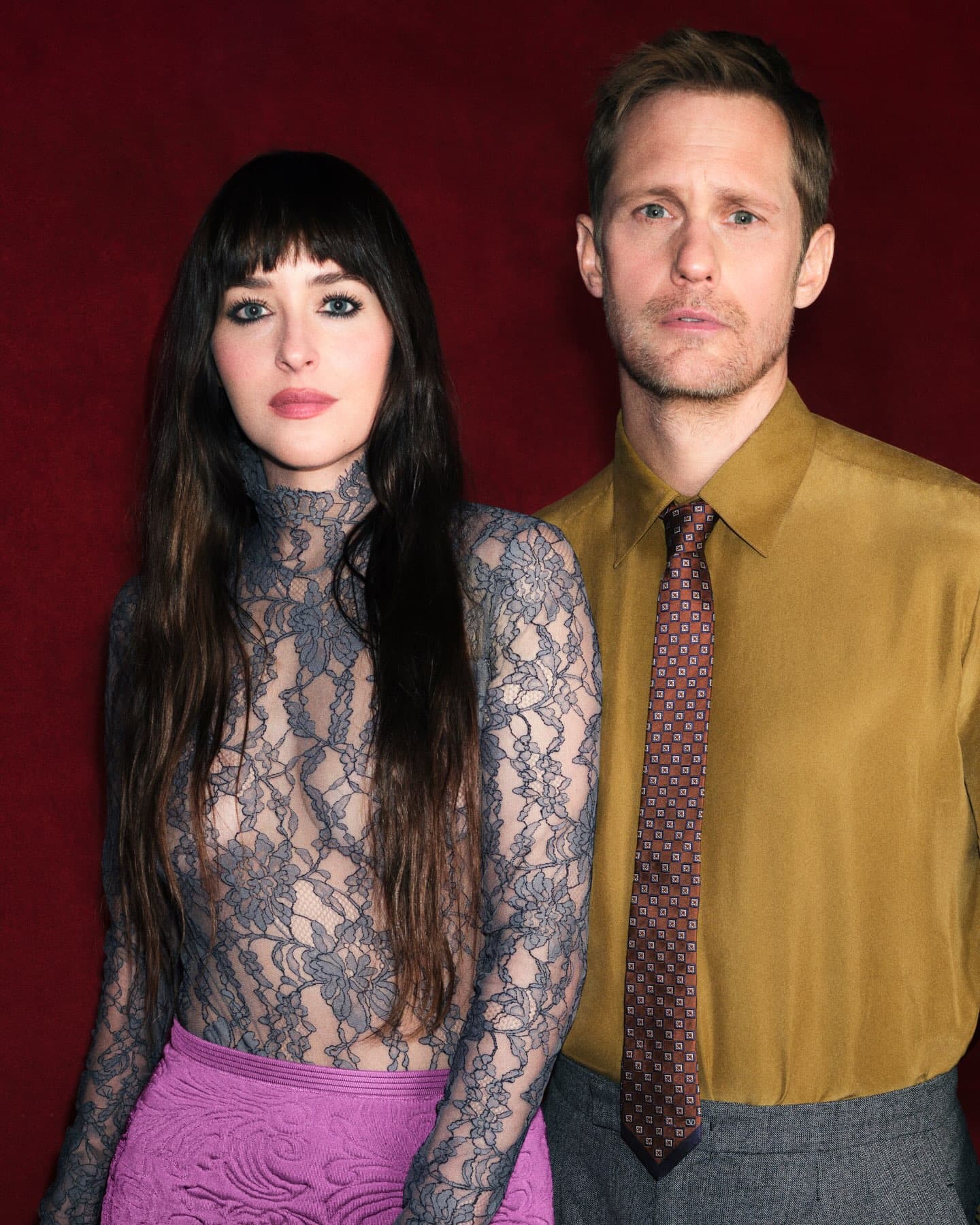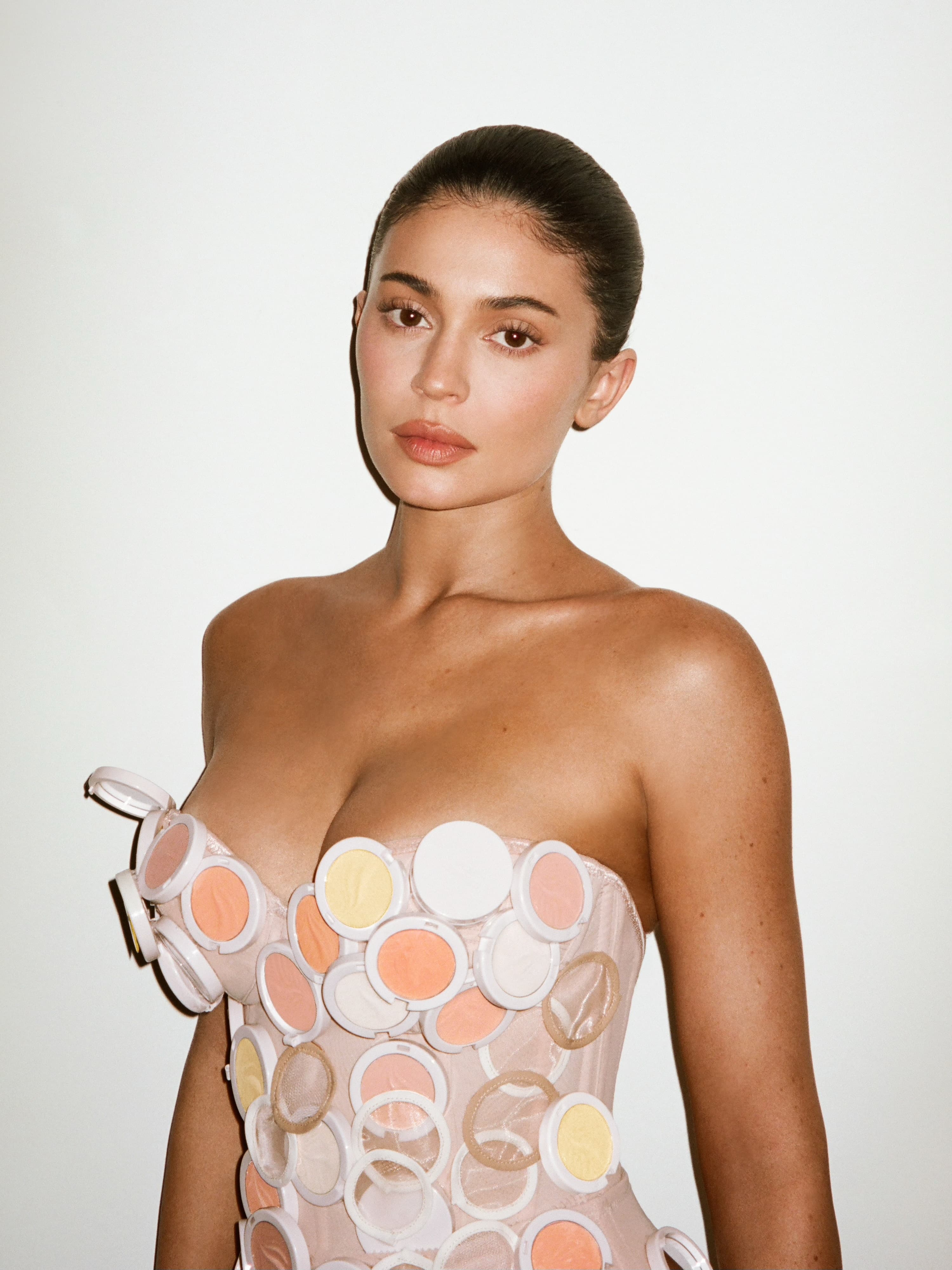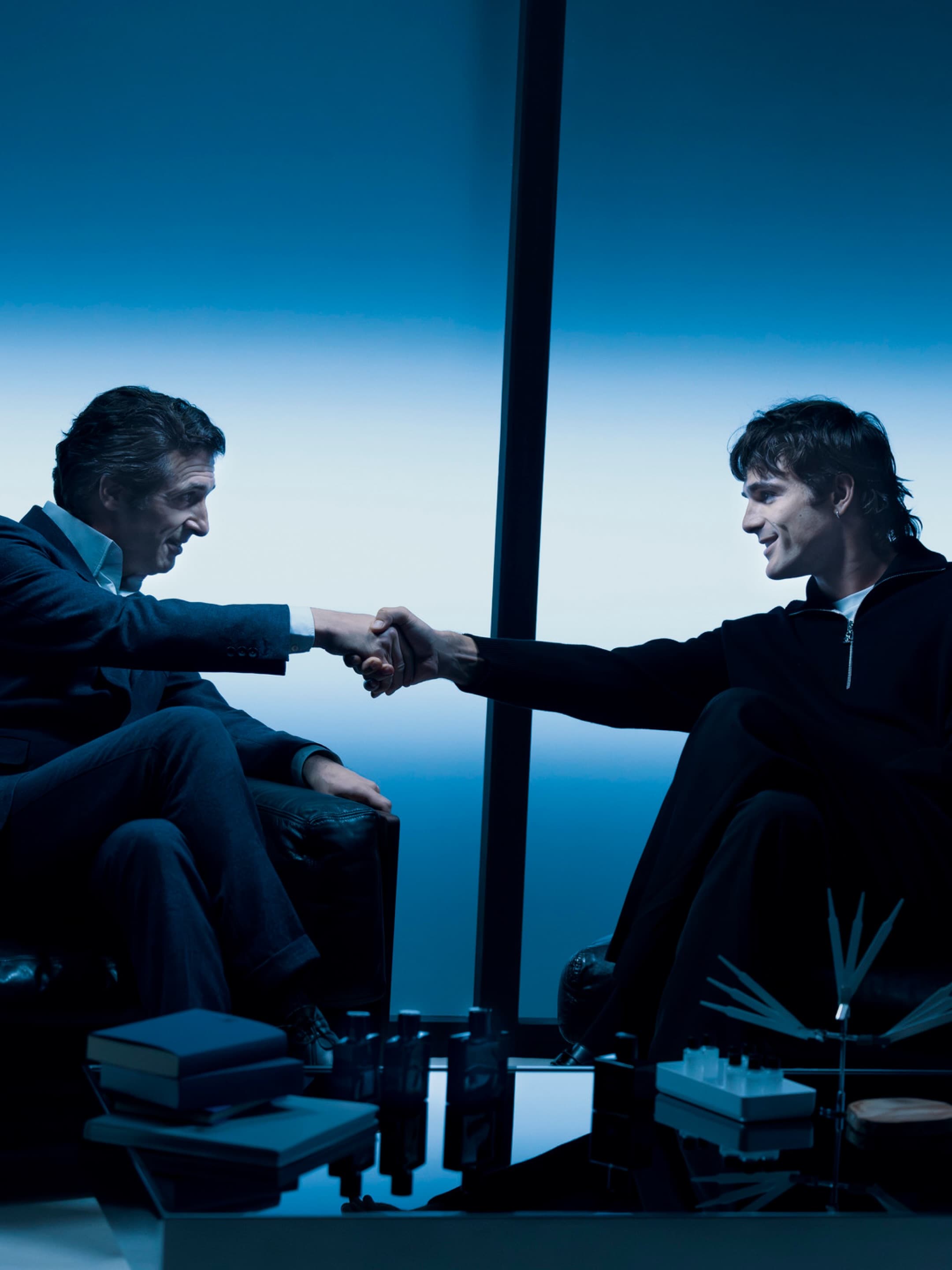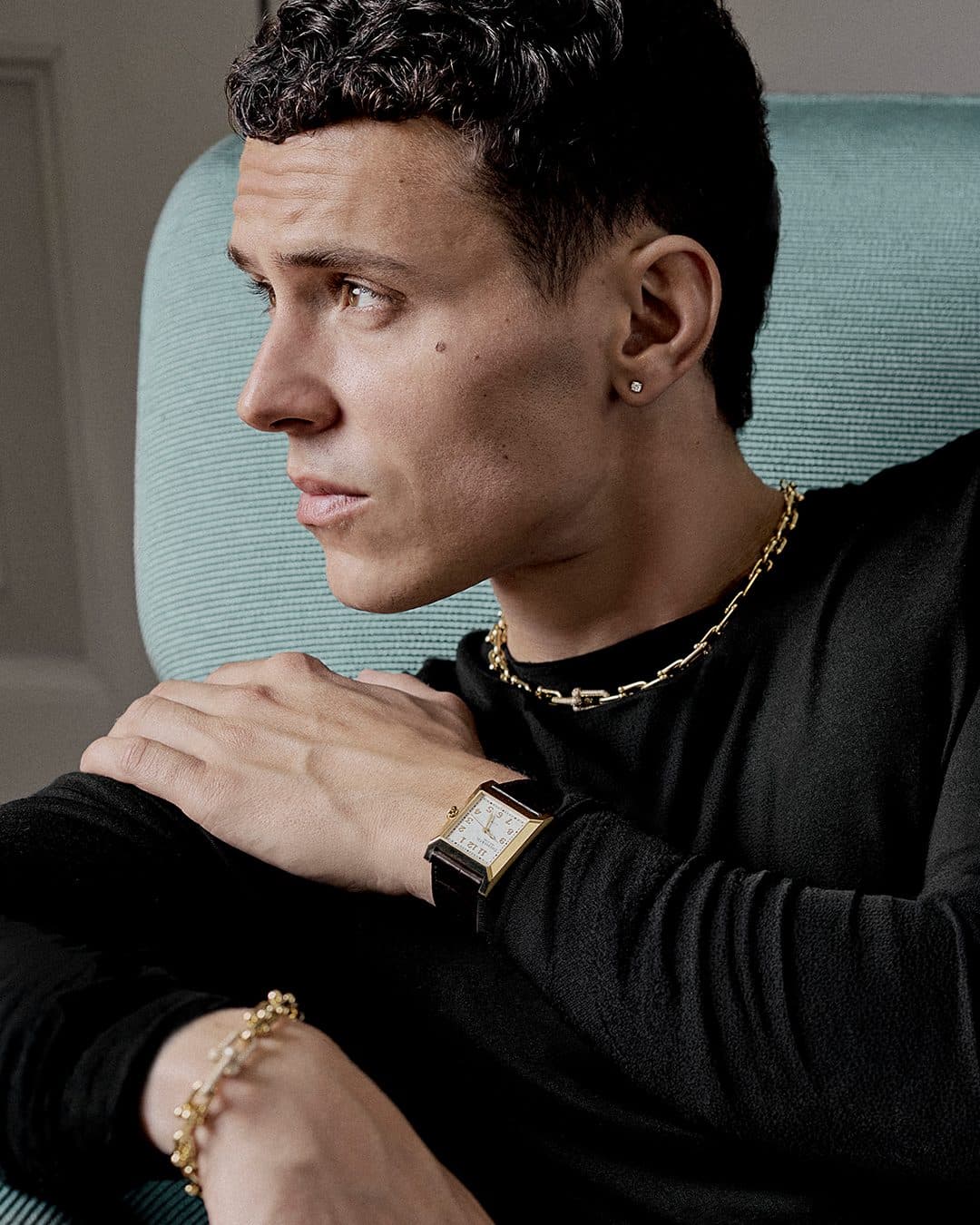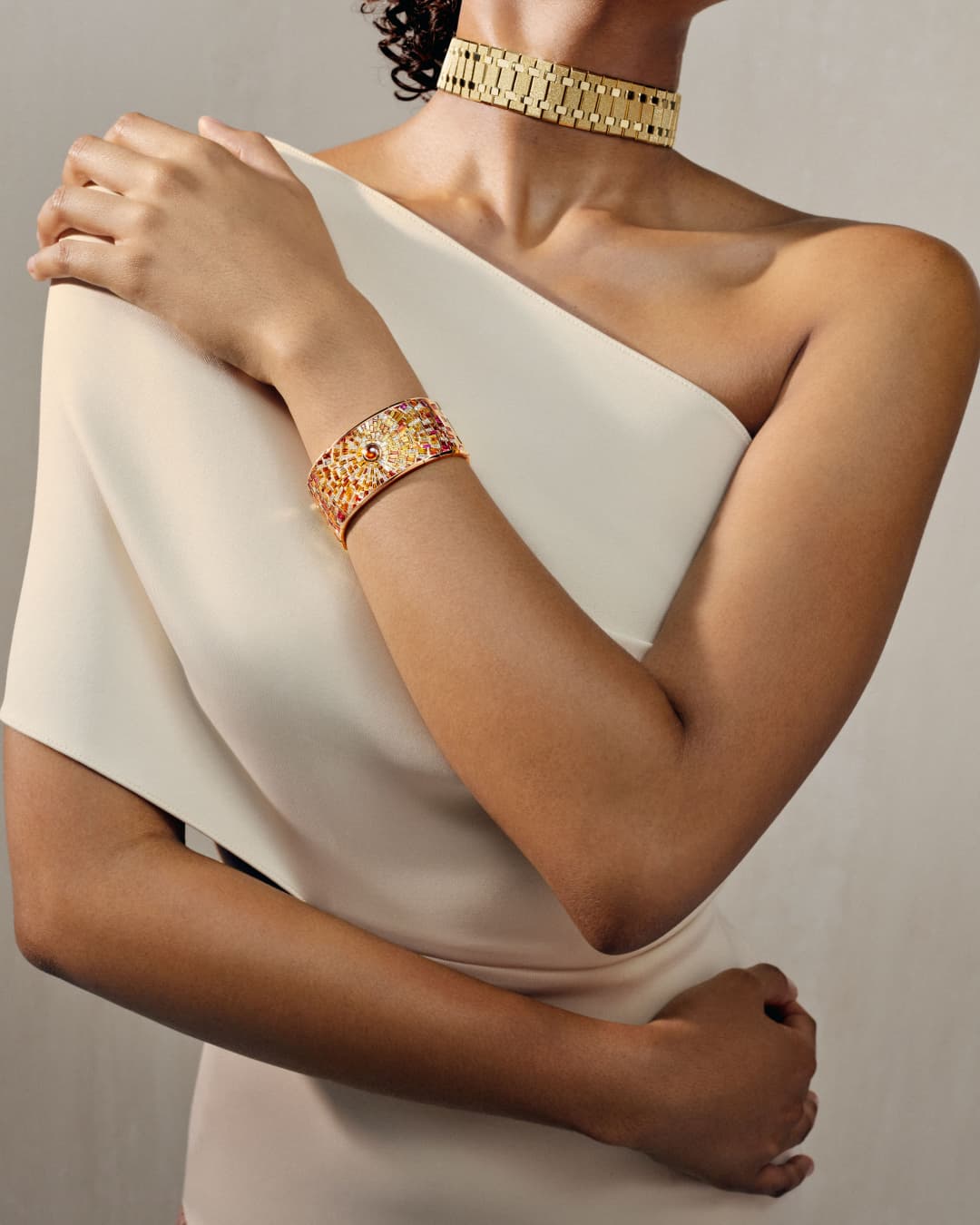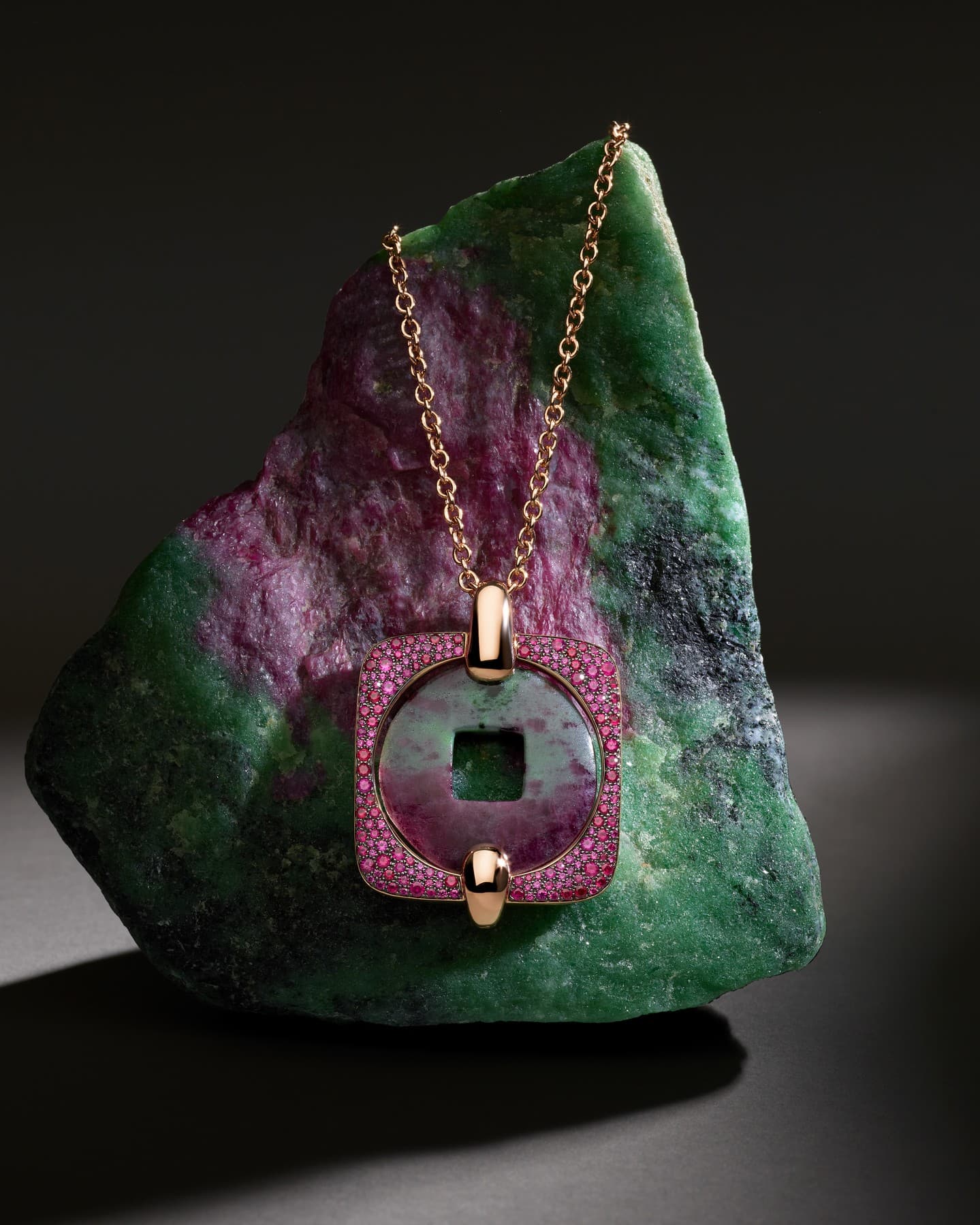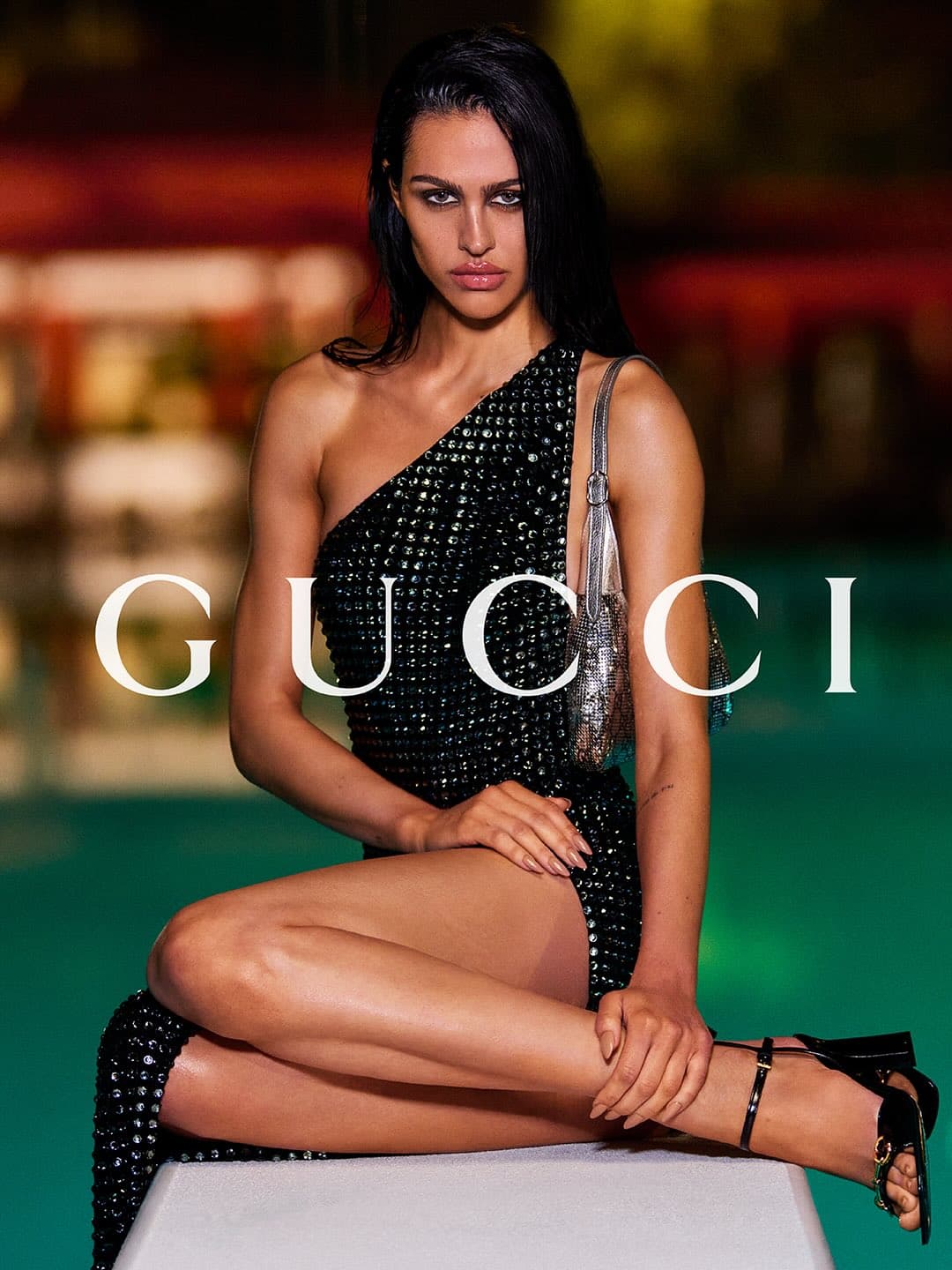
Gucci Monte Carlo is a phrase that lands like a postcard, half fashion shorthand, half location pin. In the caption that brought these images together, three names do the heavy lifting: Gucci, photographer Mark Seliger, and Demna, with credit also pointing to the account “(っ◔◡◔)っ ♥ Amelia ♥.” What we can say with certainty is what is written there. This is Gucci framed through Seliger’s authorship, tagged alongside Demna, and stamped with Monte Carlo’s particular mythology of light, glamour, and money moving fast.
What “Gucci Monte Carlo” suggests, and what the credit line confirms
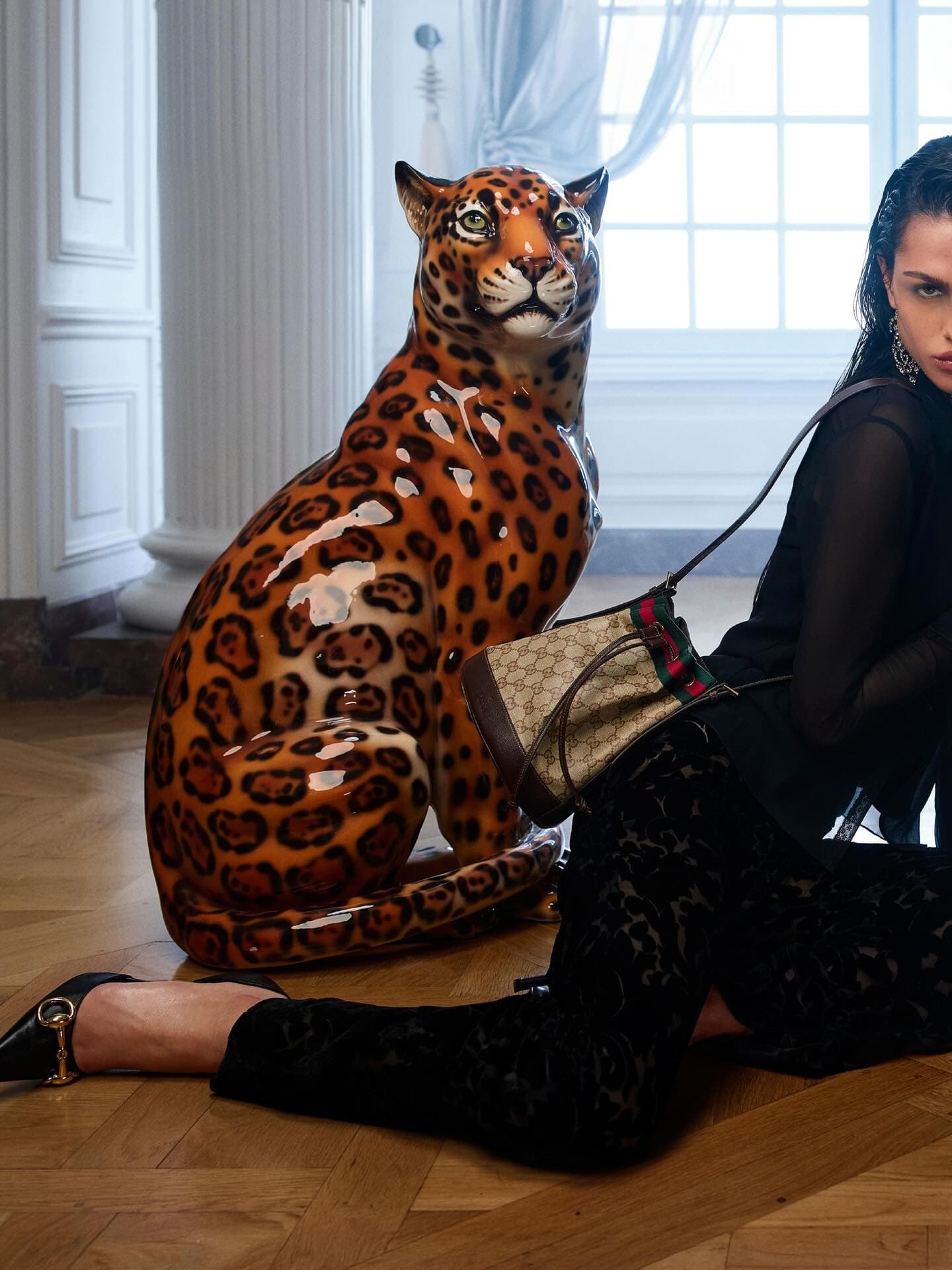
The credit line matters because it tells you how to read the images before you even see them. Seliger is known for portraiture with crisp intent, the sort of camera confidence that makes styling and casting feel like narrative rather than decoration. The @demna tag adds another layer, because Demna’s name carries a distinct, contemporary fashion vocabulary, even when there is no explicit confirmation here of his role beyond being tagged. Without a verifiable campaign title, season, or release note attached to this caption, the honest way to approach Gucci Monte Carlo is as a social media breadcrumb: a visual moment that borrows the aura of Monte Carlo, and leans on heavyweight bylines to do it.
Why Monte Carlo keeps showing up in fashion storytelling
Monte Carlo is small on the map and oversized in imagination. It is often used as a shorthand for a very specific fantasy: balconies and flashbulbs, formalwear at the edge of leisure, and a coastline that photographs as if it was designed for chrome and sunglasses. If this post is doing anything, it is collapsing those associations into two words, Gucci Monte Carlo, then letting Seliger’s signature and Demna’s tag do the rest.
Mark Seliger’s role, in plain facts
One detail here is checkable and useful: Mark Seliger is a long established editorial and portrait photographer, widely recognized for decades of work in magazine culture and celebrity portraiture. That is not an aesthetic claim, it is a career fact, and it explains why his name in a caption operates like a quality mark.
If you want the source for Seliger’s own presentation of his practice, start with his official site, which acts as a living archive of his portfolio and projects: Mark Seliger Studio. For the brand context that frames any “Gucci” image as more than a standalone photograph, Gucci’s own channels remain the only reliable primary source for campaign confirmations and official imagery: Gucci.
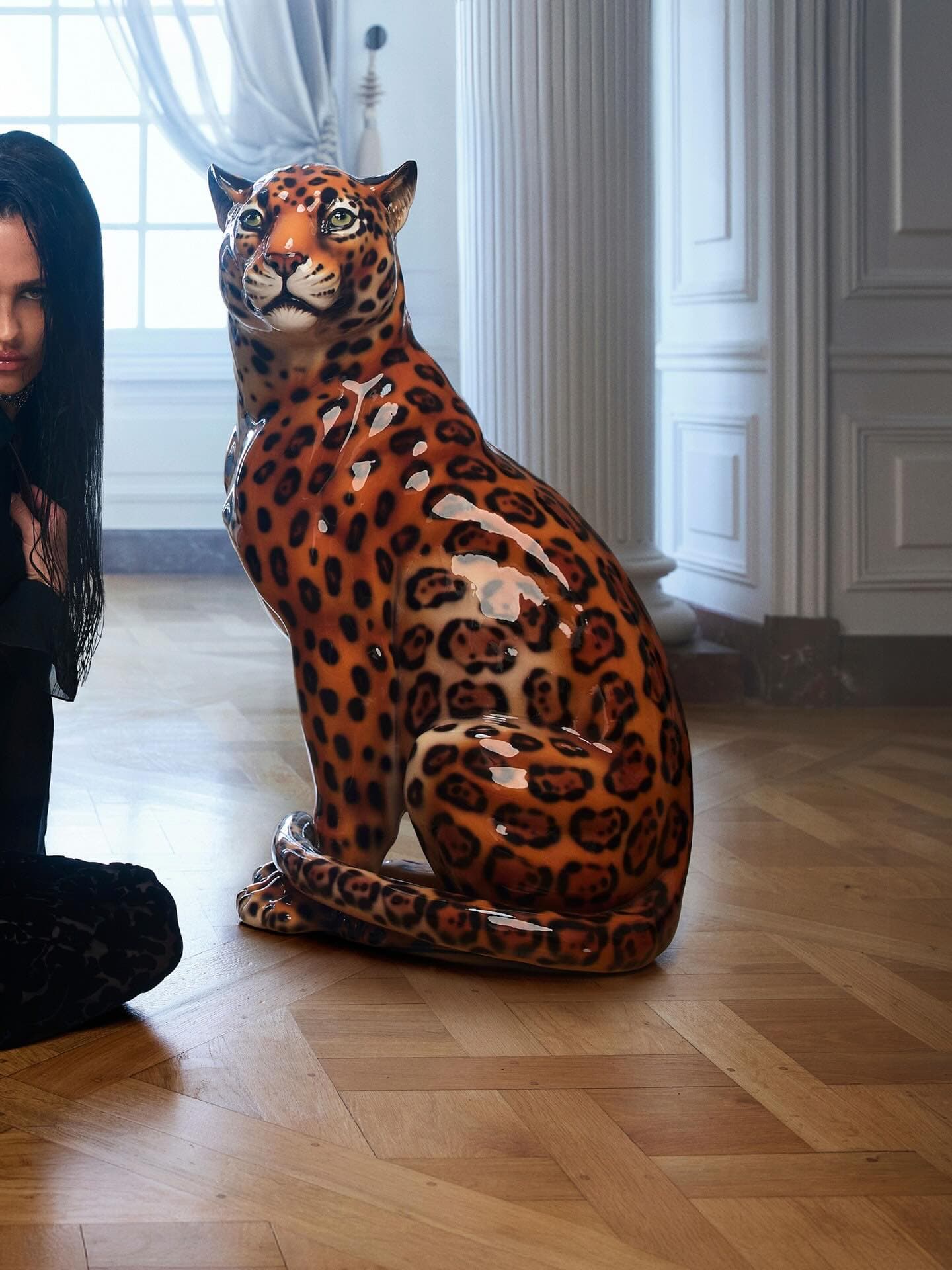
How to look at the images when the caption is the only hard evidence
When a post arrives without a press release behind it, the best reading is forensic rather than encyclopedic. Look for what is materially present. Where does the light come from. Is the silhouette doing something historically Gucci, or is it pushing toward a different proportion. Is there a tension between location glamour and styling severity. Those are the tells that separate a one off editorial moment from a campaign ecosystem.
And because “Gucci Monte Carlo” is doing a lot of work as a phrase, it is worth noticing the power dynamic typical of fashion imagery: a place name becomes a mood board, a photographer name becomes a promise, and a tag becomes an insinuation of authorship. That layering is exactly how contemporary luxury spreads, not only through official drops, but through captions that travel faster than credits.
If this post turns out to be a fragment of a larger story, the proof will appear in the places that can be cited: an official Gucci campaign page, a Seliger project listing, or a credited editorial in a publication. Until then, Gucci Monte Carlo stands as a sharp little unit of fashion mythology, pinned to a location and carried by two names that have trained audiences to look closer.
Photo Credits
Cover image and additional images: images courtesy of their respective owners. Caption credits reference Gucci, Mark Seliger, Demna, and “(っ◔◡◔)っ ♥ Amelia ♥.”