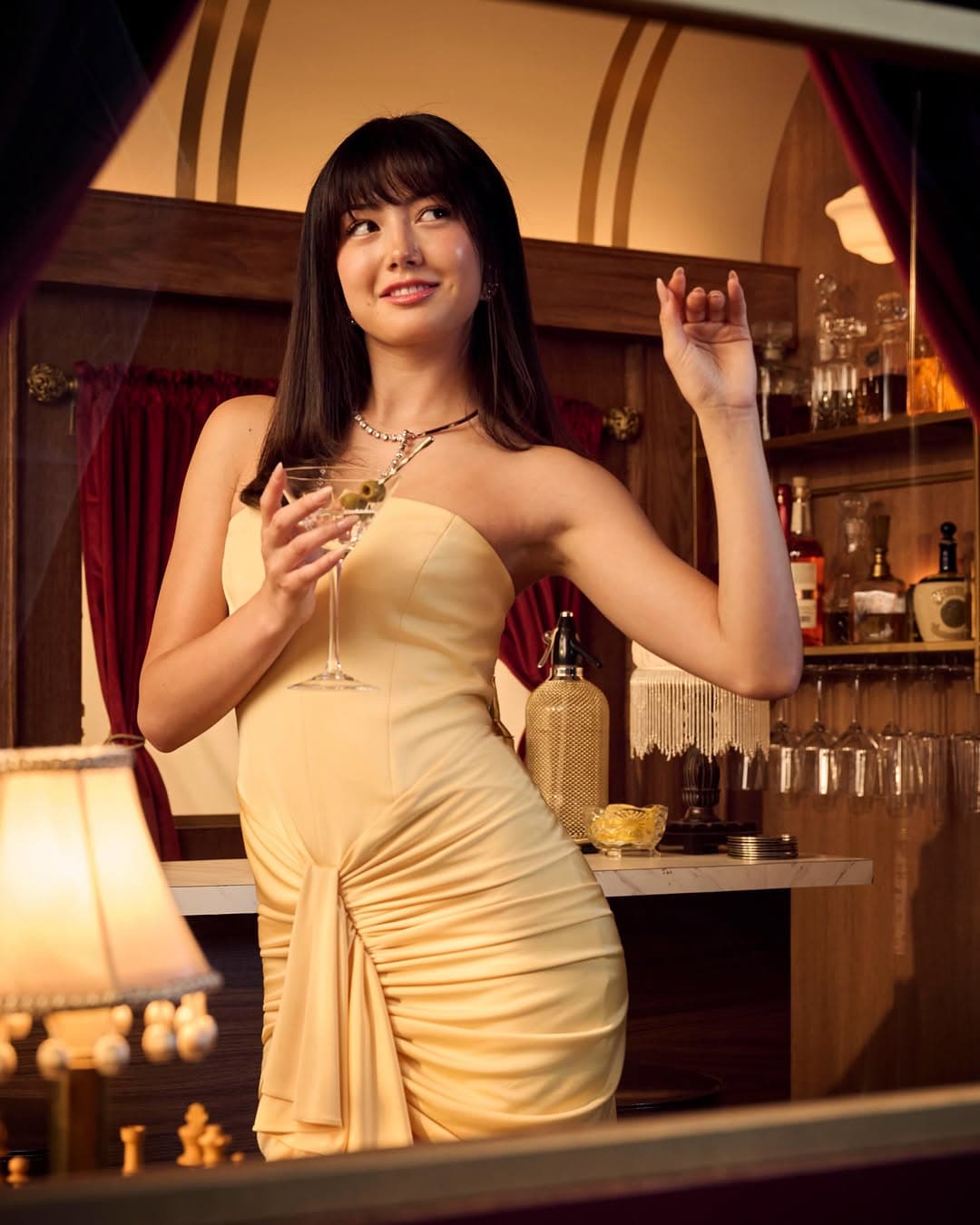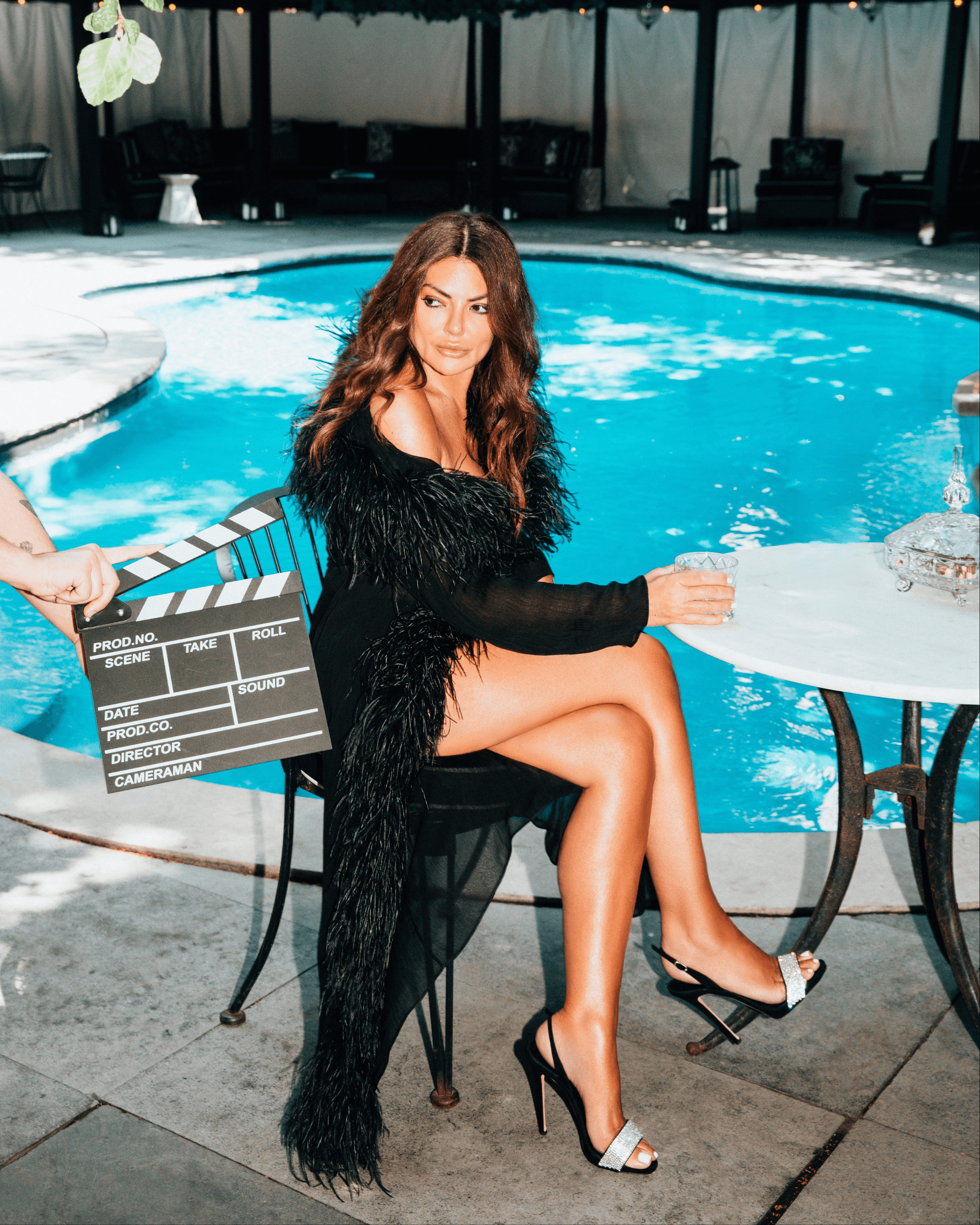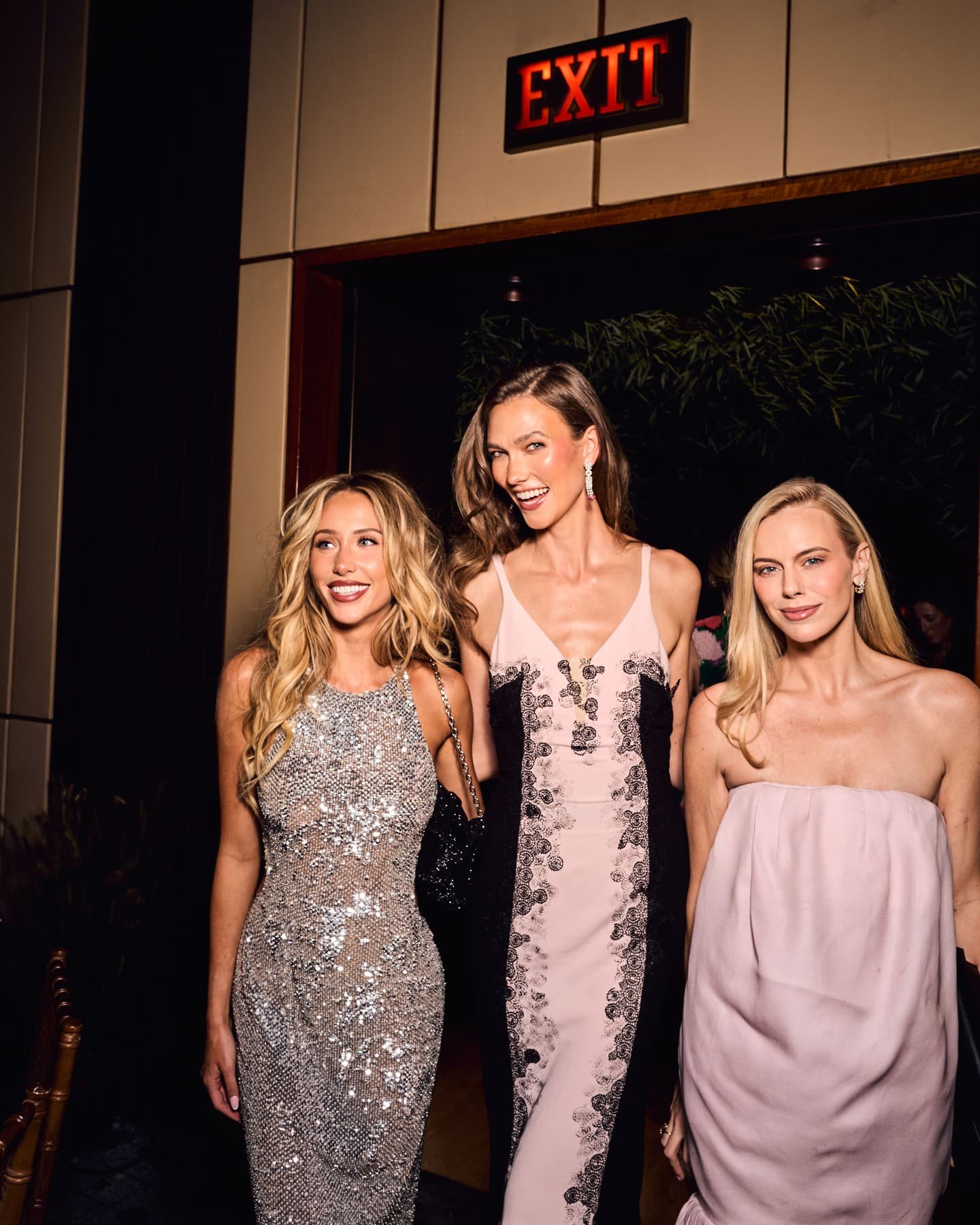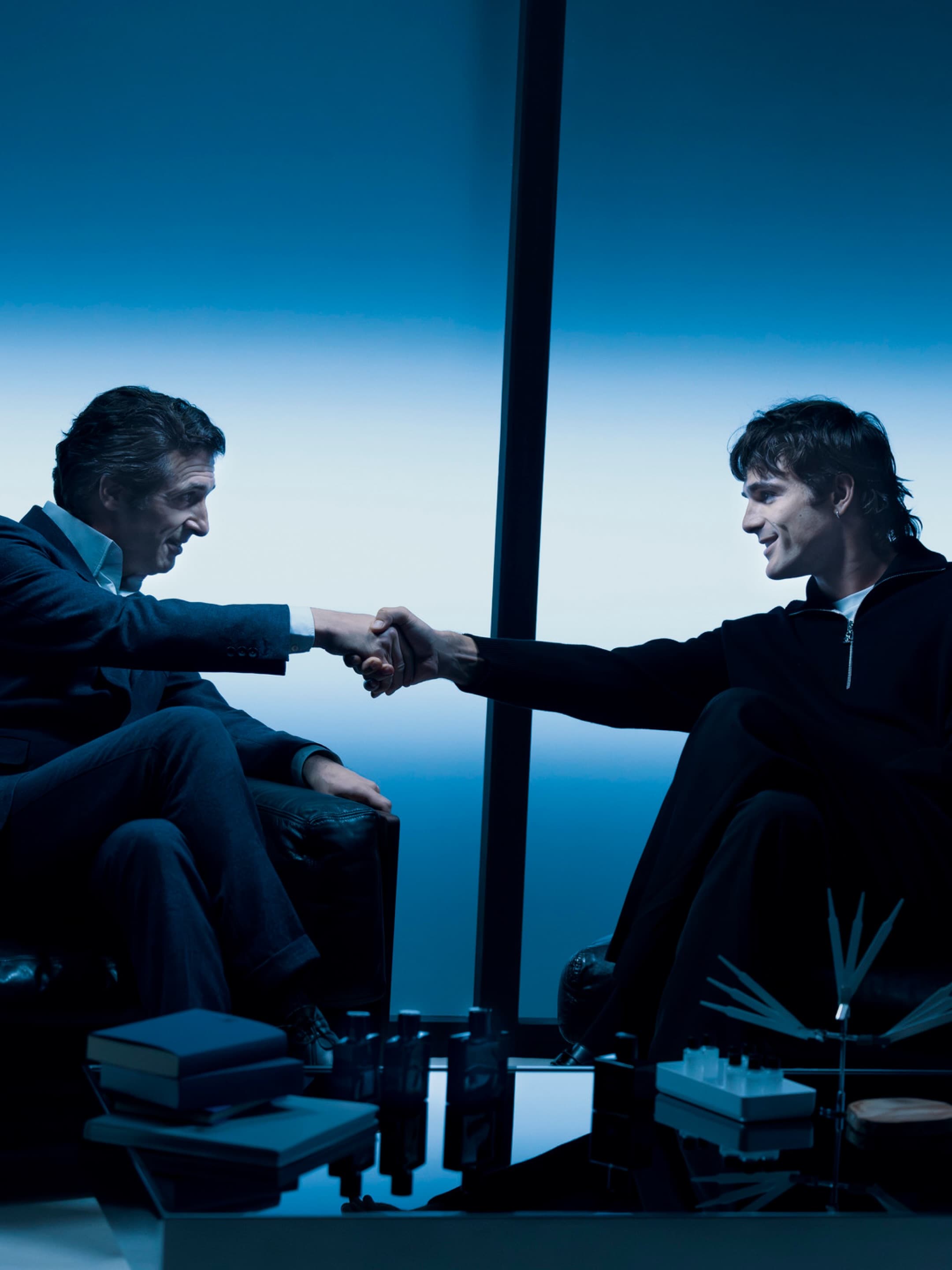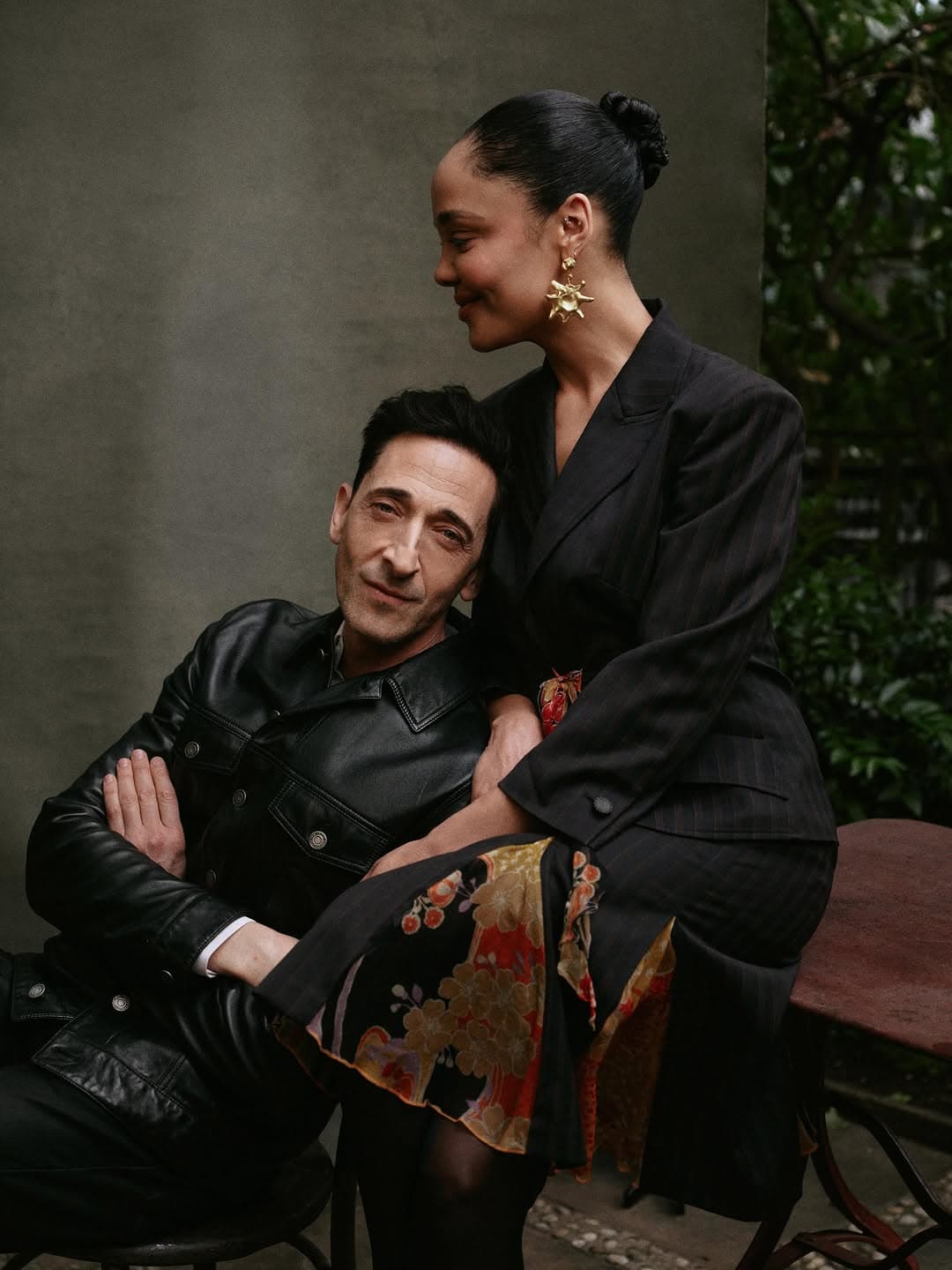
The Vogue Theatre Dinner portraits arrive with that particular kind of hush only a good photograph can create, the moment where a room full of conversation briefly holds still. You can almost hear the soft friction of silk against a chair, the clink of a glass set down with intention, the garden air threading through the evening like perfume. They are portraits, yes, but they are also receipts. Proof of who showed up, who looked, who was looked at, and how the night decided to remember them.
There is gratitude woven through the frame, the kind that reads as lived rather than performed. Thank you Bee. Thank you Anna. And many thanks to the garden, not as backdrop, but as collaborator, lending its shadows, its leaf gloss, its small, flattering edits of light. In a season when so many images feel aggressively over explained, these manage something rarer, a sense of privacy that still lets us in.
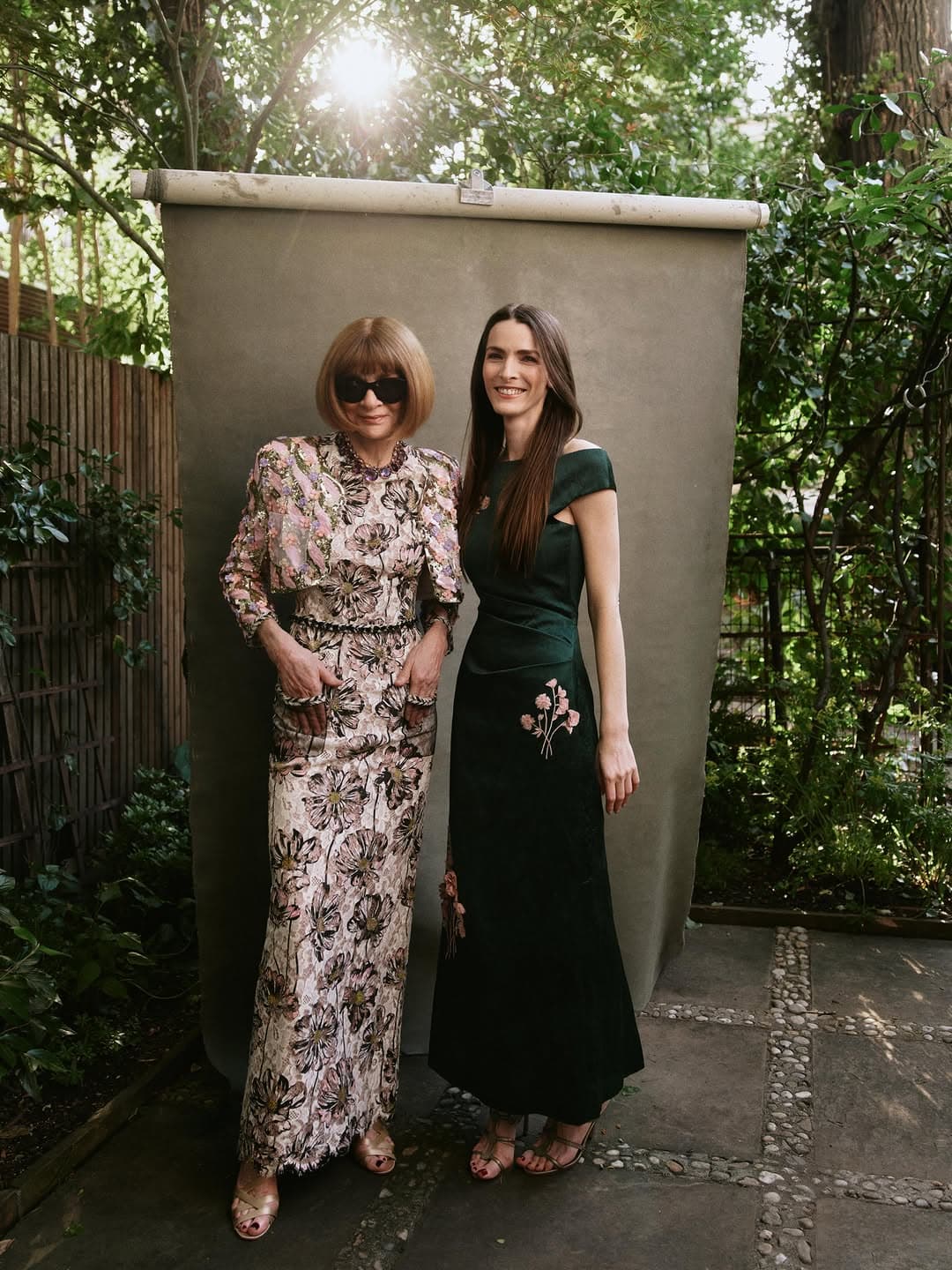
Vogue Theatre Dinner portraits as modern society images
Society portraits have always been a negotiation between intimacy and presentation. What makes the Vogue Theatre Dinner portraits compelling is their refusal to shout. The mood is cinematic without leaning on theatrics. Faces are allowed to be faces, not masks. You see the micro expressions that happen between the official smile and the real one. You sense the weight of an earring, the deliberate choice of an undone collar, the confidence of someone who knows the camera will find them anyway.
The best dinner portraits do not simply document clothes, they document temperature. Here, you can feel the evening. The garden does what gardens do best, it softens edges. It adds depth and a faint suspense, as if beyond the frame there is another table, another story, another little pivot in the night. There is an old idea that glamour is distance. These images make the case for glamour as proximity, the feeling of being close enough to notice details.
A room that reads like a cast list
The pleasure of portraiture at dinners like this is always in the mixture, the way a table becomes a temporary city. The Vogue Theatre Dinner portraits capture that in glances and posture, a shoulder angled toward a friend, a hand settled lightly at the waist, the small choreography of people who understand both style and timing. It is not just who is present, but how they occupy space.
And then there is the editorial intelligence behind the night, the kind of curatorial touch that does not need to be named to be felt. Still, it deserves acknowledgement. Bee Carrozzini has long had a gift for atmosphere, for making an image feel like it has a pulse. Vogue has always understood that culture is often transmitted through dinners, through what people wear when they want to be remembered, and through the conversations that happen when the stakes are simultaneously high and absurd.
The garden as co author, not scenery
Gardens photograph differently than rooms. A room insists. A garden suggests. In these Vogue Theatre Dinner portraits, the foliage does not decorate so much as edit, offering a dark green frame that makes skin look warmer, fabrics look richer, and jewels look less like inventory and more like punctuation. The garden also introduces an element of chance, a breeze you cannot direct, a shadow that refuses to behave, a background that feels alive.
It is hard not to think of the long tradition of fashion and portraiture using nature as a kind of moral alibi. Here, it feels less symbolic and more practical, the garden simply makes everything look better, in the way a well chosen venue does when it understands its role. If you have ever attended an outdoor dinner that felt like a set, you know the difference between prettiness and mood. This is mood.
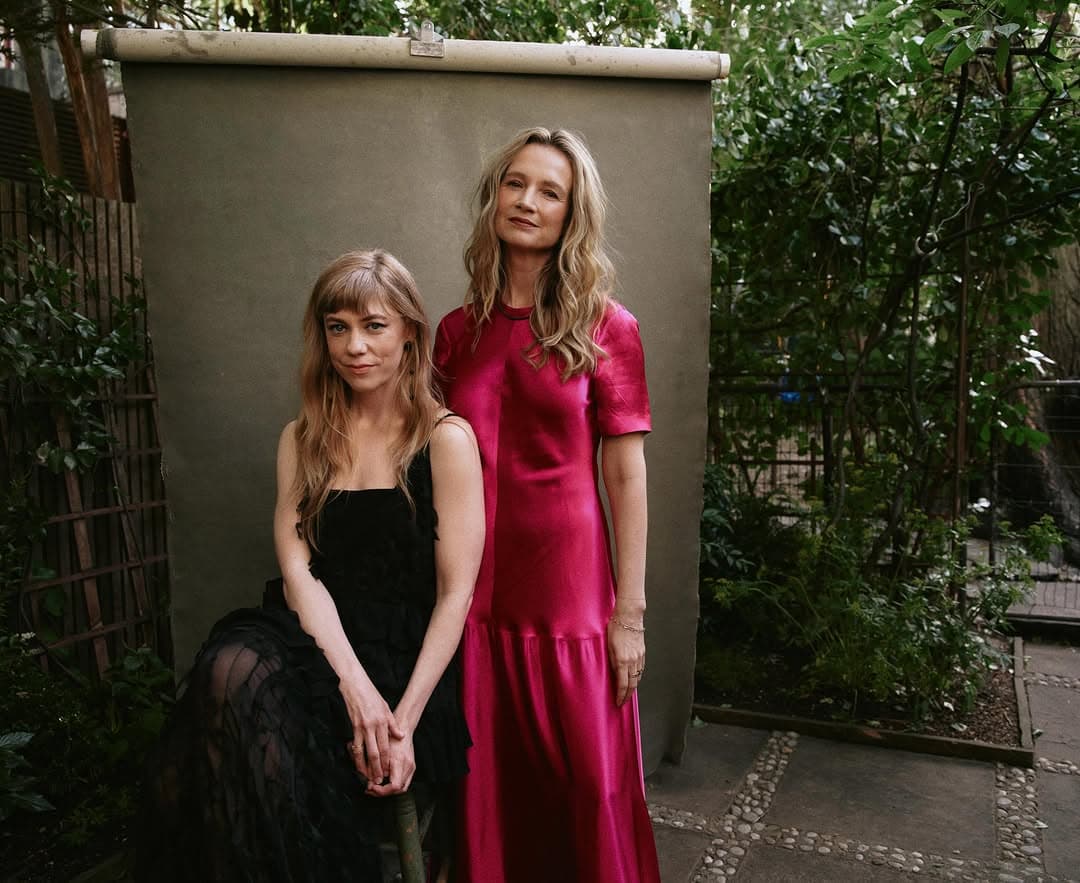
For readers drawn to the craft behind such images, it is worth looking at the wider ecosystem of fashion portraiture and events via Vogue, and keeping an eye on the work of photographers who specialise in this kind of elegant proximity, where the subject is styled but not embalmed.
The people behind the lens, and the words that follow
A portrait is collaboration, no matter how effortless it appears. The photo team here, Eric Hodgman Studio and João Rosa, understand that the most flattering light is not always the brightest. They let darkness do its work. They let shine appear where it naturally would, along a cheekbone, on the rim of a glass, on satin pulled taut just so.
Words matter too, especially around images that risk becoming pure visual consumption. Marley Marius brings the kind of editorial perspective that treats a dinner as culture, not content. There is a difference, and you can feel it in the way the night is framed, with names and acknowledgements that sound like real gratitude rather than captions.
Behind any event with this level of composure is a magazine team with taste and stamina. Sache Taylor and Caroline Tosolini, with Emilio Madrid, are part of the often invisible structure that makes the whole thing look effortless. If you are interested in how fashion media shapes our collective sense of occasion, our Celebrity coverage follows these intersections closely, not to gossip, but to read the signals.
Why these portraits land now
We are swimming in images, yet starved for photographs that feel like they have lived in a room. The Vogue Theatre Dinner portraits land because they do not try to be everything. They do not flatten the night into a single mood or a single message. They allow contradiction, the softness of a garden and the sharpness of tailoring, the public performance and the private flicker behind it.
That is, in the end, the most modern thing about them. They make being seen look like a choice again.
Photo Credits
Images courtesy of their respective owners. Photo team: Eric Hodgman Studio and João Rosa. Words by Marley Marius. Magazine team: Sache Taylor, Caroline Tosolini, Emilio Madrid.