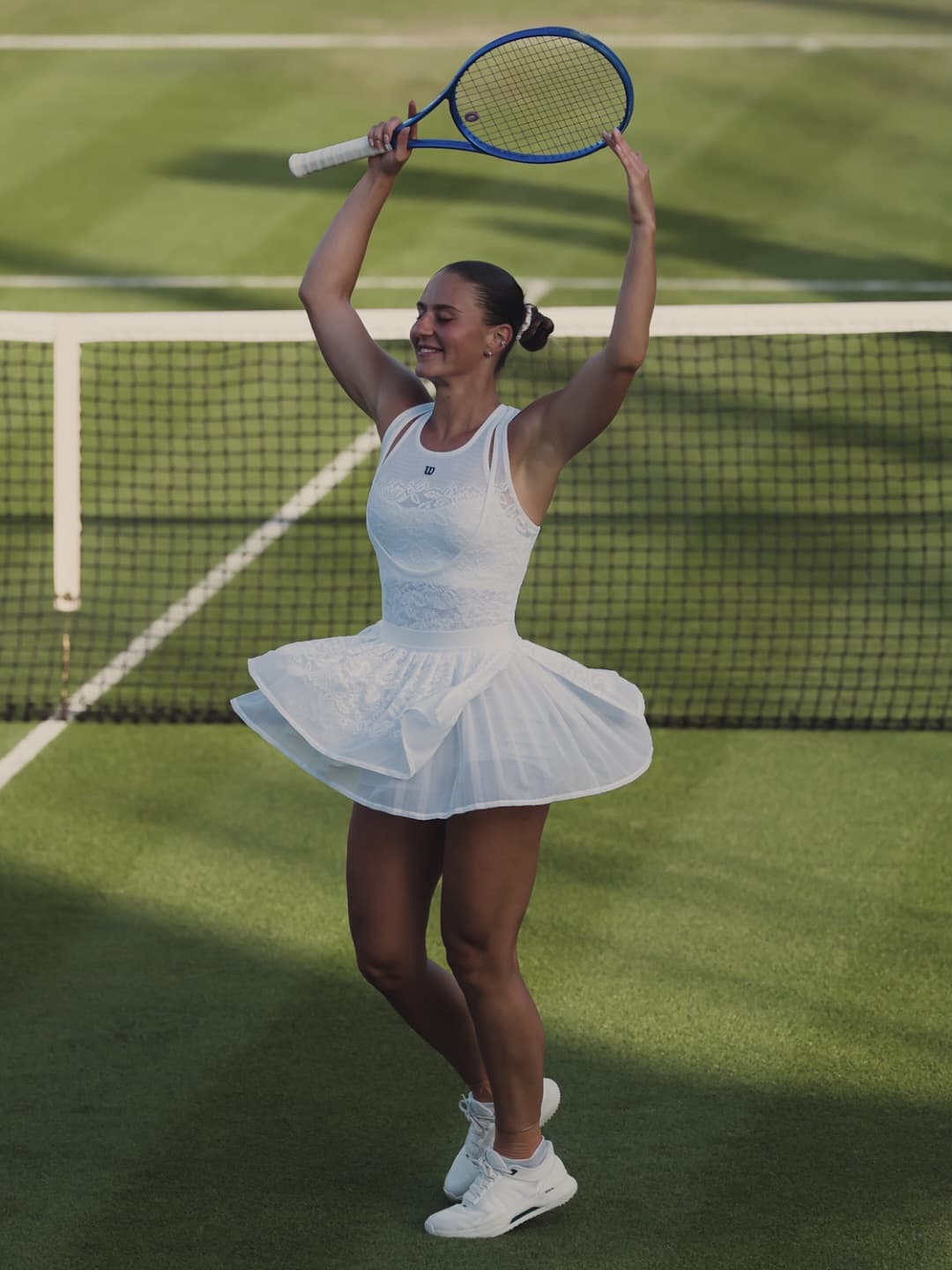
A caption can be a whole manifesto when it lands at the right address. “First dance complete 🩰” is Marta Kostyuk’s way of saying she has arrived at Wimbledon, and that she intends to move through it on her own terms. Call it romance, call it nerves, call it choreography, but at The Championships you either learn the steps quickly or you get ushered out by the scoreboard.
Marta Kostyuk at Wimbledon, translated into one line
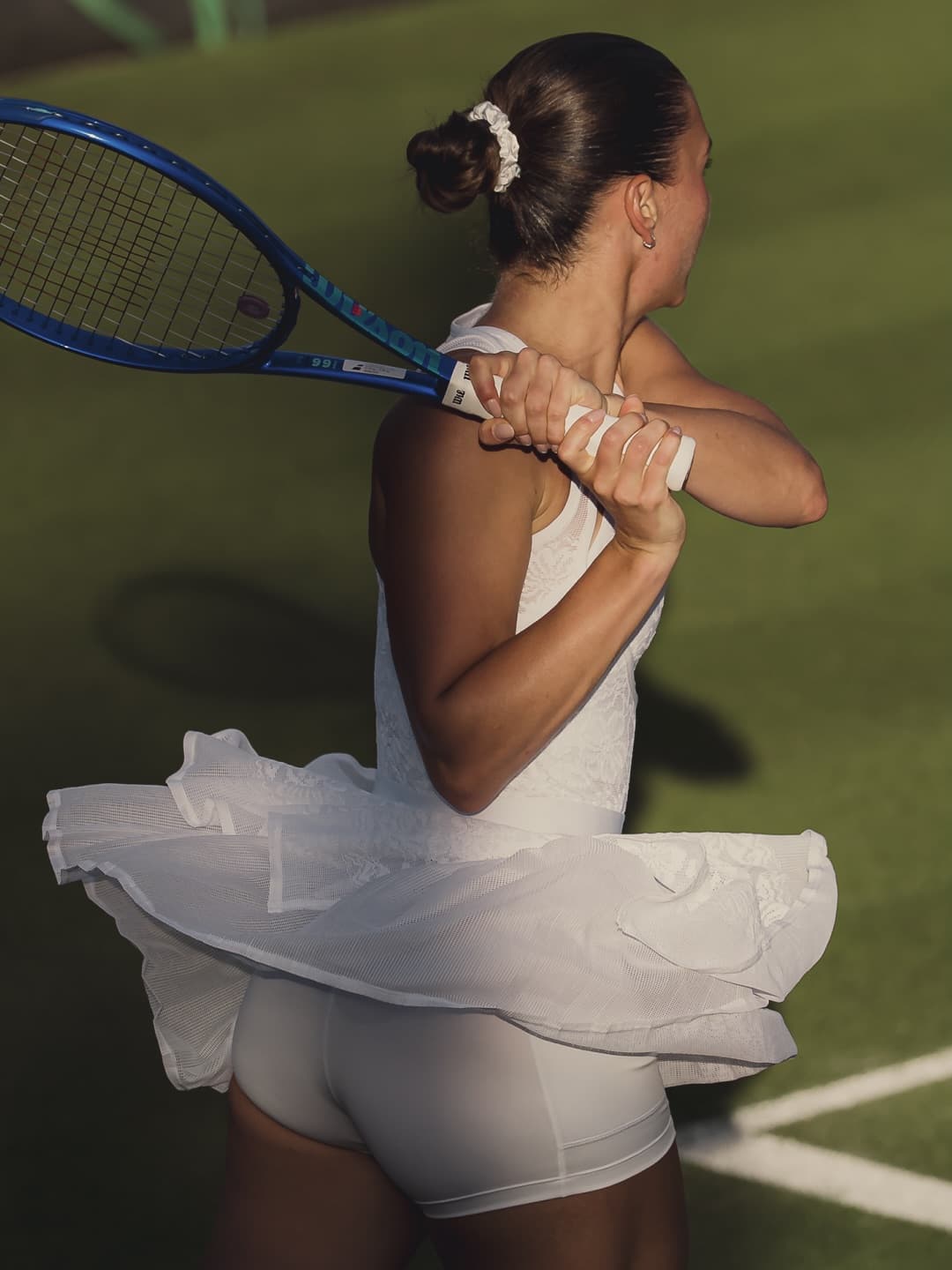
The primary keyword here is Marta Kostyuk Wimbledon, but the feeling is bigger than search: a player with balletic timing, a notoriously exacting tournament, and an audience trained to notice everything, from footwork to body language between points. Kostyuk’s post nods to Wimbledon’s long habit of turning sport into theatre, where a first appearance can feel like a debut performance more than a match.
Kostyuk, the Kyiv born Ukrainian who has been on tour since her teens, has built her reputation on early ball-striking and an appetite for taking the court away from opponents. Wimbledon, with its grass courts and compressed timing, forces that instinct into sharper focus. The ball stays lower. The first step matters more. You cannot drift into a rally and hope to find your range later.
Why Wimbledon makes every first round feel ceremonial
Wimbledon is the oldest tennis tournament in the world, founded in 1877, and it still carries itself like it expects you to know that when you walk in. The event is staged annually at the All England Lawn Tennis and Croquet Club in London, and the sense of occasion is not accidental. It is designed, right down to the grass underfoot and the way the grounds funnel you from the gate into the bowl of Centre Court.
That is what makes the phrase “first dance” ring. On grass, even elite movement can look unfamiliar for a set or two. Players shorten their steps, rehearse their split step, and test the surface with a kind of cautious curiosity that never shows up on hard court. When you see someone settle into it, the match starts to look less like survival and more like performance.
For readers tracking Marta Kostyuk at Wimbledon this season, the intrigue is not only whether she advances, but how her aggressive baseline game adapts when points speed up and the margins thin.
The ballerina reference is not random
The ballet shoe emoji is doing work here. It pulls attention toward movement, timing, and the pressure of playing in a place where tradition is part of the opponent. Wimbledon’s visual codes are famously strict in ways that affect even the most modern players, and that friction between self expression and institution is part of what makes the tournament so watchable.
Where to follow the tournament, and what to watch next
If you are following Marta Kostyuk Wimbledon results in real time, the simplest move is to go straight to the source. Wimbledon publishes its order of play, draws, and live scoring through its official channels, and it remains the cleanest way to track who is up, when, and on which court.
Two things to watch as Kostyuk’s Wimbledon run develops. First, the return position and how quickly she converts reads into forward movement. Second, the way she manages the in between moments, the turn of the shoulders, the reset after a missed chance. These are the seams where grass court tennis shows its teeth, and where a player either tightens the choreography or loses the rhythm.
For Wimbledon context straight from the tournament: Wimbledon.com.
For Kostyuk’s own posts and updates, including the “first dance” framing that sparked this: Marta Kostyuk on Instagram.
Photo Credits
Images courtesy of their respective owners.