There is a particular kind of theatre to Cannes, the flashbulb crackle, the salt air, the velvet rope that seems to hum with pressure. And yet, in the middle of all that performance, the L’Oréal Paris Lights on Women’s Worth Award cuts through with something rarer, an insistence that craft matters more than access, and that women in cinema deserve resources, not just applause. As the official makeup partner of Cannes for 29 years, L’Oréal Paris has learned how to speak the festival’s language fluently, but this prize speaks in a different register, one that is quieter and more consequential.
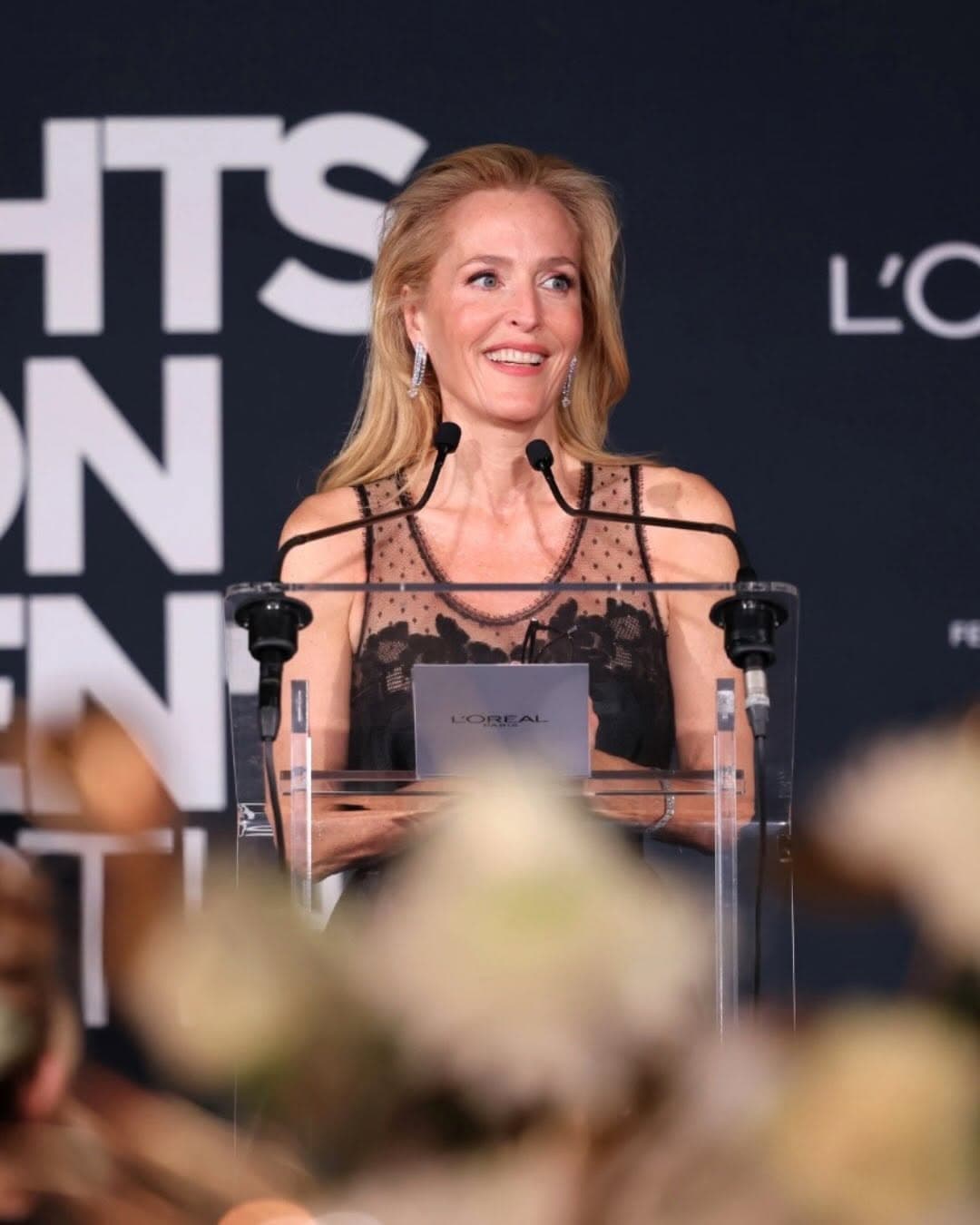
This year, that register belongs to Lenti Liang, the sixth annual winner of the award. Her short film, Our Secrets, was selected by L’Oréal Paris ambassador Gillian Anderson at the Cannes Film Festival. The win comes with financial support and mentoring, which is to say, the kind of backing that turns a promising voice into a sustained career, the difference between being noticed and being able to keep making work.
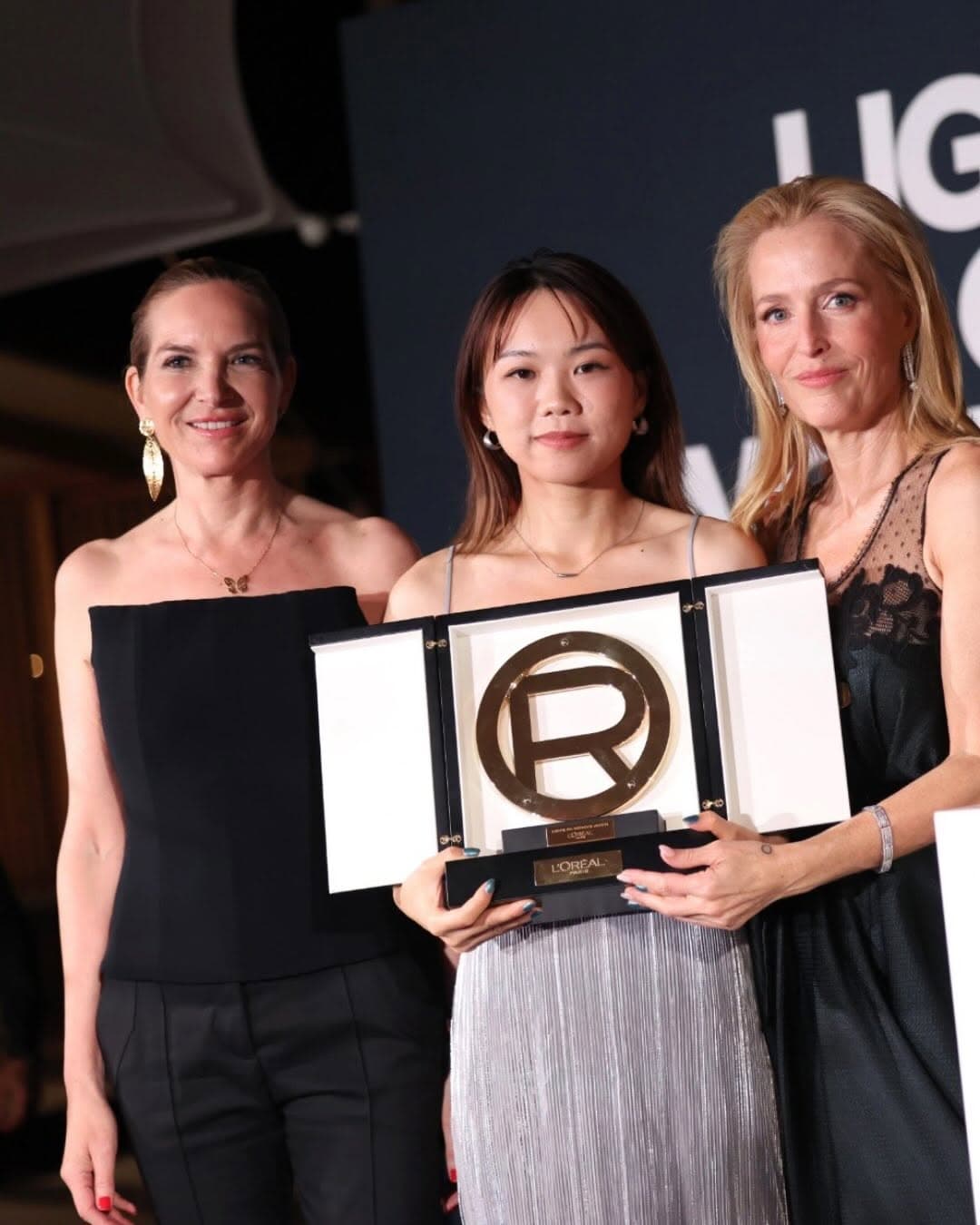
The L’Oréal Paris Lights on Women’s Worth Award and what it actually changes
Film industry inequality is often discussed as though it were a philosophical problem, abstract, regrettable, and somehow inevitable. Cannes, for all its beauty, has never been innocent in this. The importance of the L’Oréal Paris Lights on Women’s Worth Award is that it treats inequality like the practical obstacle it is. If you want more women directing, writing, producing, and shaping the culture, you fund them. You introduce them to the rooms where decisions are made. You offer mentorship that does not patronise, and visibility that does not punish.
L’Oréal Paris has positioned the award as a way to champion women in cinema and rebalance the scales. It is not a vague promise to support creativity someday. It is a prize with a name, a public stage, and a clear outcome: a filmmaker is chosen, and her next steps become more possible. That is the kind of structure the industry responds to, especially at a festival where access is both currency and gate.
For readers who like to view Cannes through the lens of image and identity, it is also worth acknowledging the symbolism of a makeup partner using its platform for something beyond the red carpet. Beauty is never just surface at Cannes. It is optics, power, and who gets to be framed as worthy of an audience. If this interests you in a broader sense, our coverage of modern beauty culture lives in Beauty, and the way film and fashion fold into each other is a recurring preoccupation in Culture.
Why mentorship matters more than a headline
A prize can be a photograph and a handshake, or it can be a lever. The mentoring aspect of the L’Oréal Paris Lights on Women’s Worth Award is what makes it feel serious. Mentorship, when done well, is not advice. It is context. It is introductions, feedback, and the implied permission to keep going when the industry tries to thin you out with silence.
For filmmakers working across borders and language markets, that scaffolding can be decisive. The international gaze of Cannes can be both thrilling and flattening, eager to categorise artists into an easily digestible storyline. A sustained support system helps a director resist becoming a single moment.
Lenti Liang’s Our Secrets: the kind of cinema Cannes should protect
Cannes has always loved a myth, the overnight discovery, the sudden star. But short films are where you often find the most disciplined risk, where an artist’s worldview is compressed into something sharp enough to cut. Our Secrets marks Lenti Liang as a filmmaker to watch, not because she is new, but because the work feels intentional, like it knows what it refuses to explain away.
That Gillian Anderson selected the film adds another layer. Anderson has long been a figure around whom audiences project ideas of intelligence and autonomy, and her involvement nudges the conversation toward taste rather than trend. If you follow Cannes closely as an ecosystem of image making as much as filmmaking, consider reading our reporting in Celebrity, where we track how public figures shape what gets seen and funded.
A different kind of red carpet story
Red carpet narratives tend to be about arrival. This one is about continuation. The award insists that celebration should be paired with infrastructure. In a year when the festival will inevitably generate its usual cycle of spectacle and strong opinions, this recognition lands as something sturdier, a choice to invest in a filmmaker’s future rather than merely decorate the present.
And, importantly, it operates in public. Cannes is a place where secrecy is currency, but raising the profile of women’s work in plain sight matters. It prompts the industry to look, and then to keep looking.
The Cannes effect, and why L’Oréal Paris is putting its name behind it
Partnerships at Cannes are often read as branding exercises, and sometimes they are. But L’Oréal Paris has tied its presence to a message that is difficult to dismiss as cosmetic. The line is simple and surprisingly radical in practice: every story matters. The award’s purpose is not to anoint one woman as exceptional, then move on. It is to normalise the idea that women’s stories should be financed, mentored, and taken seriously as central to cinema.
If you are curious about the initiative and its broader ambitions, L’Oréal Groupe outlines its commitments and cultural partnerships in more detail. And for the festival context itself, the official Cannes site remains the cleanest record of selections, juries, and the machinery behind the glamour.
In the meantime, the takeaway is refreshingly concrete. The L’Oréal Paris Lights on Women’s Worth Award has named a winner, and in doing so, has made room for more work to be made. Cannes has never been short on light. The question has always been who it is allowed to illuminate.
Photo Credits
Cover image courtesy of L’Oréal Groupe. Additional images courtesy of their respective owners.