At Cannes, power has always been easy to spot. It arrives with a car door swung open just so, a flash of diamonds at dusk, a name that turns heads before it ever reaches the lips. But the more interesting kind of power is quieter, it lives in who gets the money, the mentoring, the room to fail and try again. That is why the L’Oréal Paris Lights on Women’s Worth Award has become one of the festival’s most telling rituals, not because it adds another trophy to the Croisette’s crowded mantelpiece, but because it insists on changing the conditions behind the camera.
Now in its sixth year, the award sits inside a longer commitment. L’Oréal Paris has been the official makeup partner of Cannes for 29 years, an association that could have stayed comfortably surface level. Instead, the brand has chosen to use the festival’s spotlight as leverage, championing women in cinema and pressing, with steady pragmatism, against structural inequality. The result is a prize that feels less like pageantry and more like infrastructure, financial support paired with mentoring, visibility paired with protection.
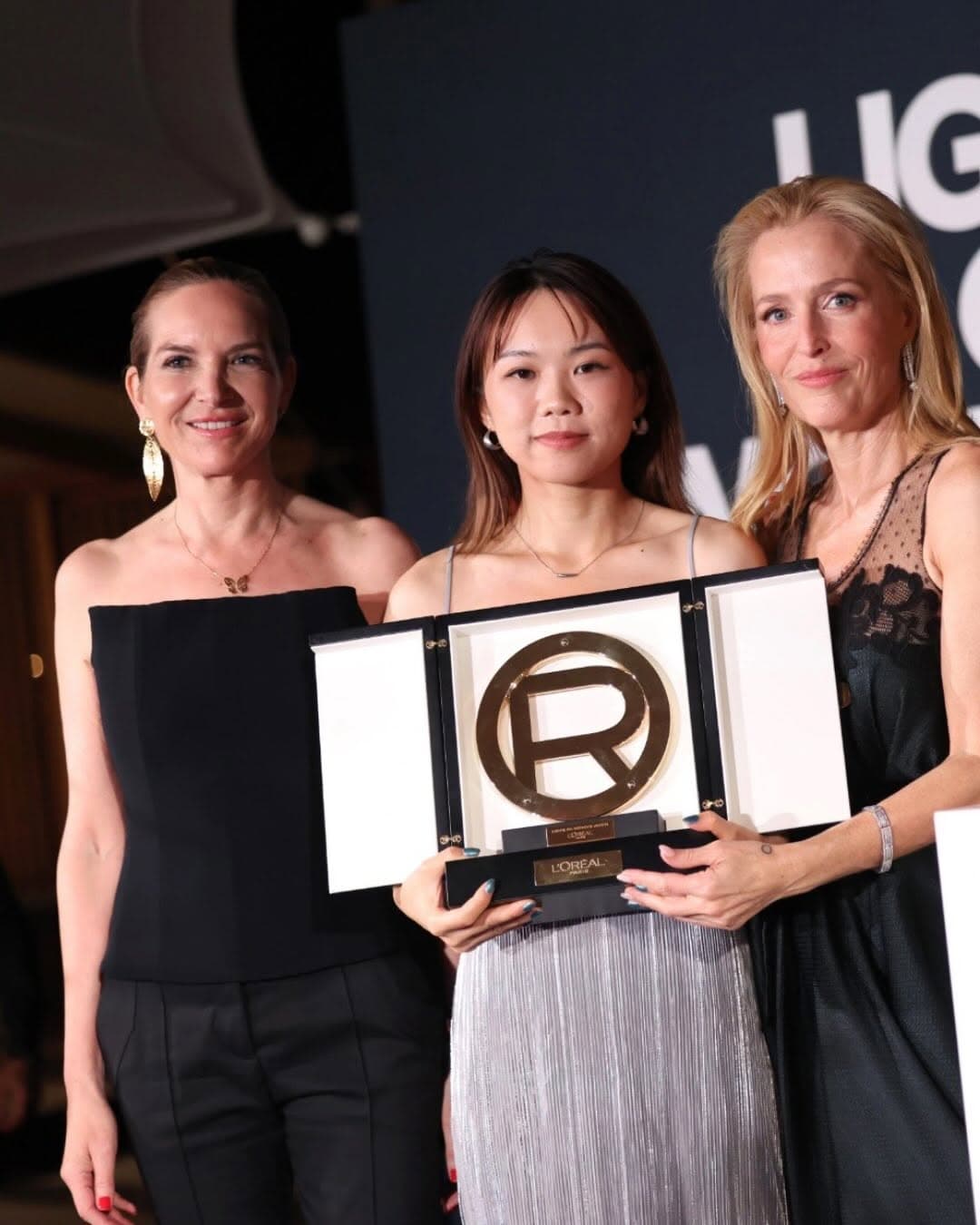
L’Oréal Paris Lights on Women’s Worth Award, a Cannes moment that actually moves the needle
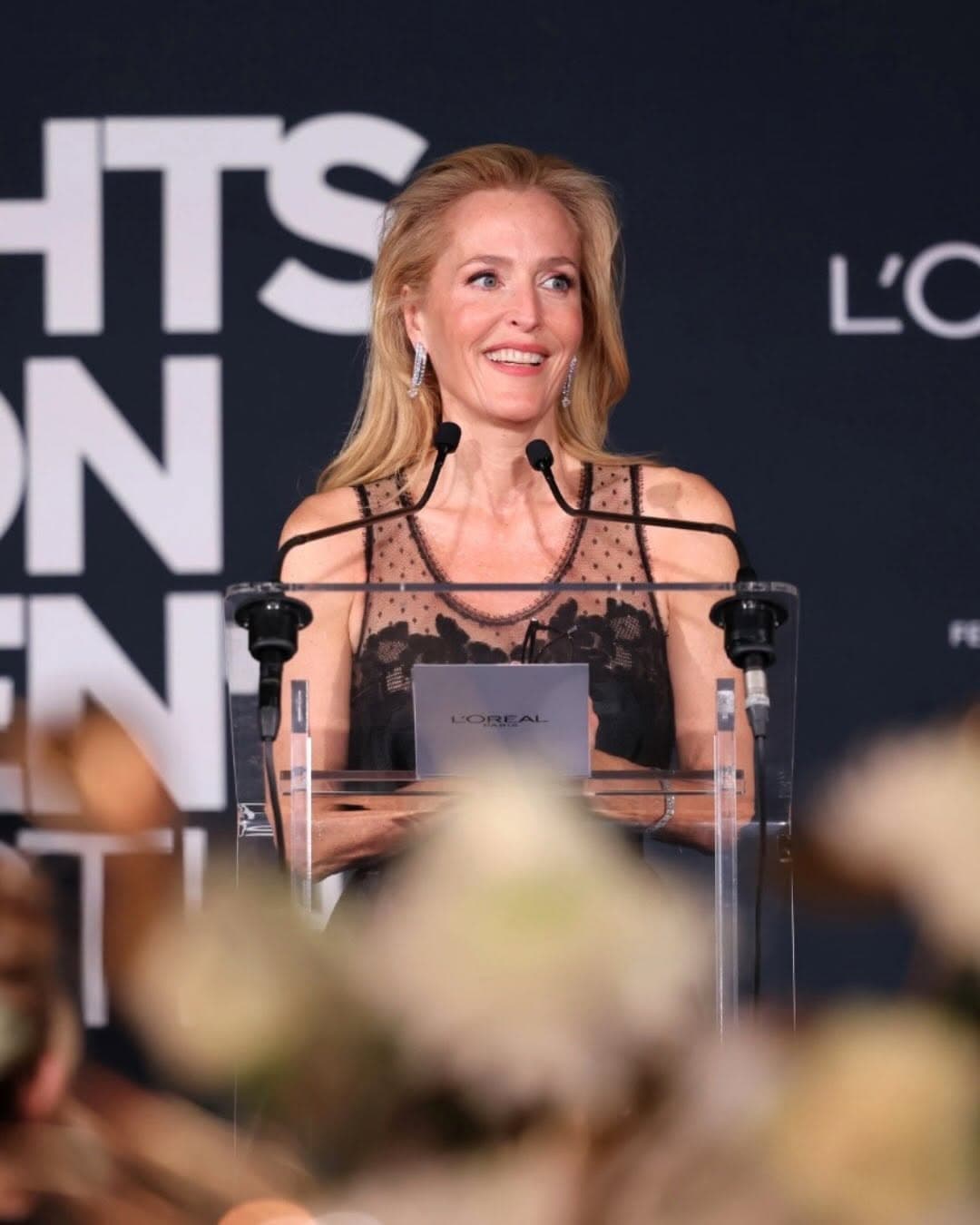
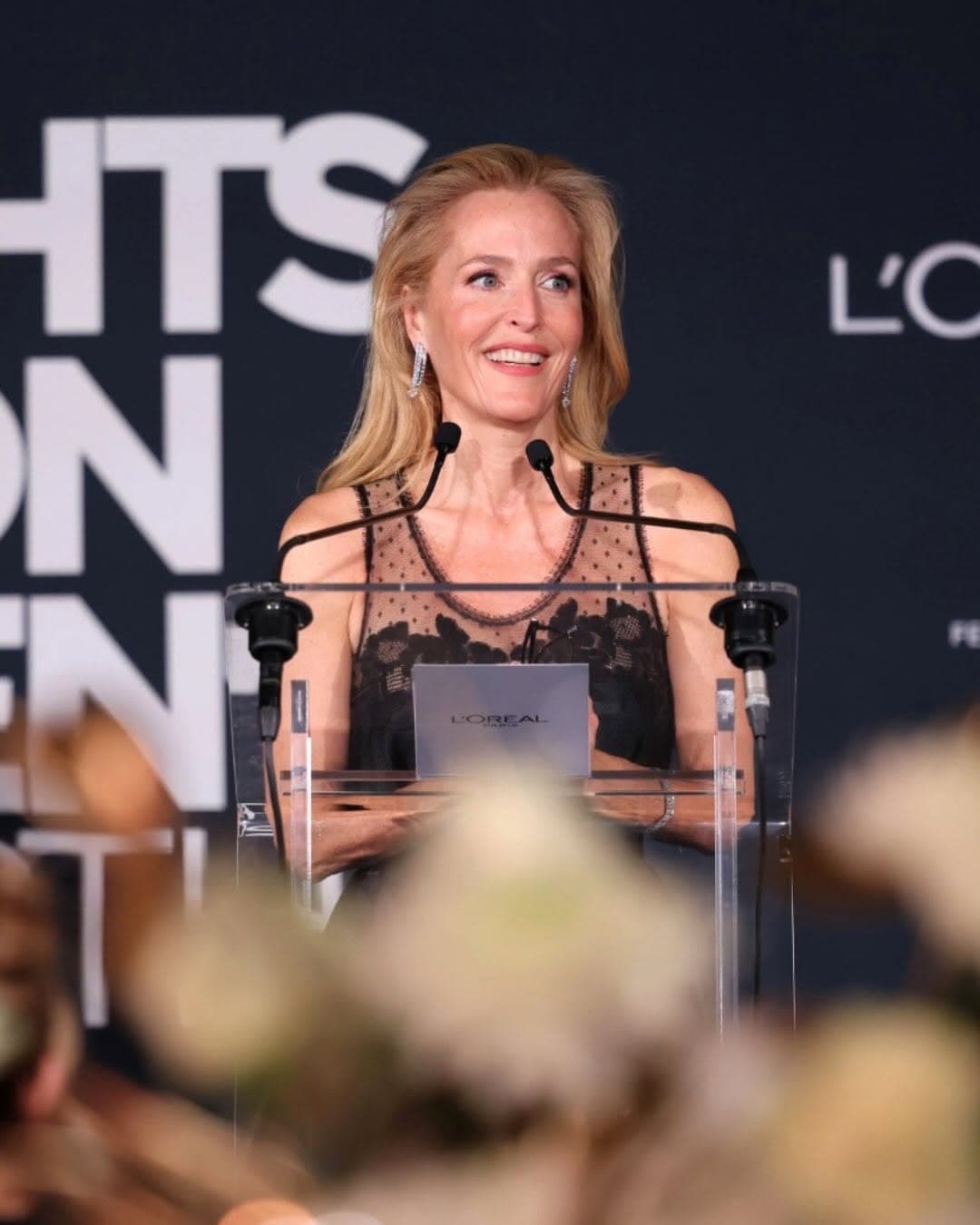
This year, the L’Oréal Paris Lights on Women’s Worth Award went to filmmaker Lenti Liang of China, recognised for her short film Our Secrets. The selection was made by L’Oréal Paris ambassador Gillian Anderson, a choice that lands with intentionality. Anderson’s career has long carried a particular intelligence about women’s narratives, the ones that are misunderstood, misfiled, or simply not funded. In Cannes terms, it is a refreshing alignment of taste and purpose.
Short films are often treated as calling cards, praised briefly and then left to fend for themselves. What distinguishes this award is its refusal to treat emerging talent as decorative. It understands what filmmakers already know, that the hardest part is not the first good idea, it is the second, and the third, and the survival stretch in between. By pairing financial support with mentoring, the prize makes room for longevity, not just a headline.
Why mentorship matters as much as money
In film, mentorship is not a sentimental concept. It is access. It is introductions that open doors before they are slammed. It is guidance on how to protect a script, negotiate a contract, assemble a team that does not quietly undermine the director’s authority. When the industry talks about rebalancing inequality, it too often lands on language instead of logistics. The L’Oréal Paris Lights on Women’s Worth Award is logistics, made public, and therefore harder to ignore.
Inside the culture of Cannes, beauty is never just beauty
Cannes is a festival of images, which is why beauty brands belong here as naturally as cinematographers. Yet there is a meaningful difference between sponsoring the red carpet and shaping what the red carpet is for. L’Oréal Paris has built an identity around the idea that beauty is connected to worth, and worth, at its most persuasive, is connected to voice. When the brand says it believes every story matters, it is making a claim about culture, not just cosmetics.
That claim resonates beyond the Palais. It echoes in the way audiences are changing their appetites, leaning toward films that feel specific rather than manufactured, and toward directors who are willing to look directly at what polite conversation avoids. Liang’s Our Secrets, described as powerful and chosen from a field of emerging work, sits neatly within that shifting mood.
The new generation of female filmmakers is not asking for permission
What is striking about the current wave of women directing is not the desire to be included, it is the refusal to be simplified. Their films are not obliged to be inspiring, tidy, or palatable. They can be sharp, strange, intimate, uncomfortable. An award that frames this as worth celebrating, rather than worth softening, sends a message that is both aesthetic and political. The festival often prides itself on discovery. The real test is whether discovery comes with a runway.
Where L’Oréal Paris, Cannes, and cinema’s future meet
It is easy to grow cynical about Cannes partnerships, to assume they exist for photographs and product placement. But the L’Oréal Paris Lights on Women’s Worth Award reads as a considered intervention, one that acknowledges how culture is made. Films do not appear out of pure talent, they are produced through networks, budgets, and belief. The award puts belief into a form a filmmaker can actually use.
If you want to follow the wider context, L’Oréal Paris outlines its Cannes involvement and broader initiatives, while the official Cannes Film Festival site remains the best place to track the programme and juries that shape the season. For more on Gillian Anderson’s ongoing work and public projects, her profile at IMDb offers a useful snapshot.
For readers keeping an eye on how beauty and culture continue to intertwine, our coverage at BestMagazine.ca/Beauty tracks the aesthetics behind the headlines, while BestMagazine.ca/Culture is where we follow the bigger question of who gets to shape contemporary taste. And because Cannes glamour always travels with a certain celebrity electricity, BestMagazine.ca/Celebrity keeps the red carpet in conversation with what is happening off it.
In the end, this particular Cannes story is not about a lipstick shade that photographs well at midnight, though Cannes will always adore its surfaces. It is about backing the makers. It is about treating women’s work as essential, not exceptional. And it is about a festival that, at its best, reminds us that the bright lights are only meaningful when they illuminate someone new.
Photo Credits
Cover image and additional images courtesy of their respective owners.