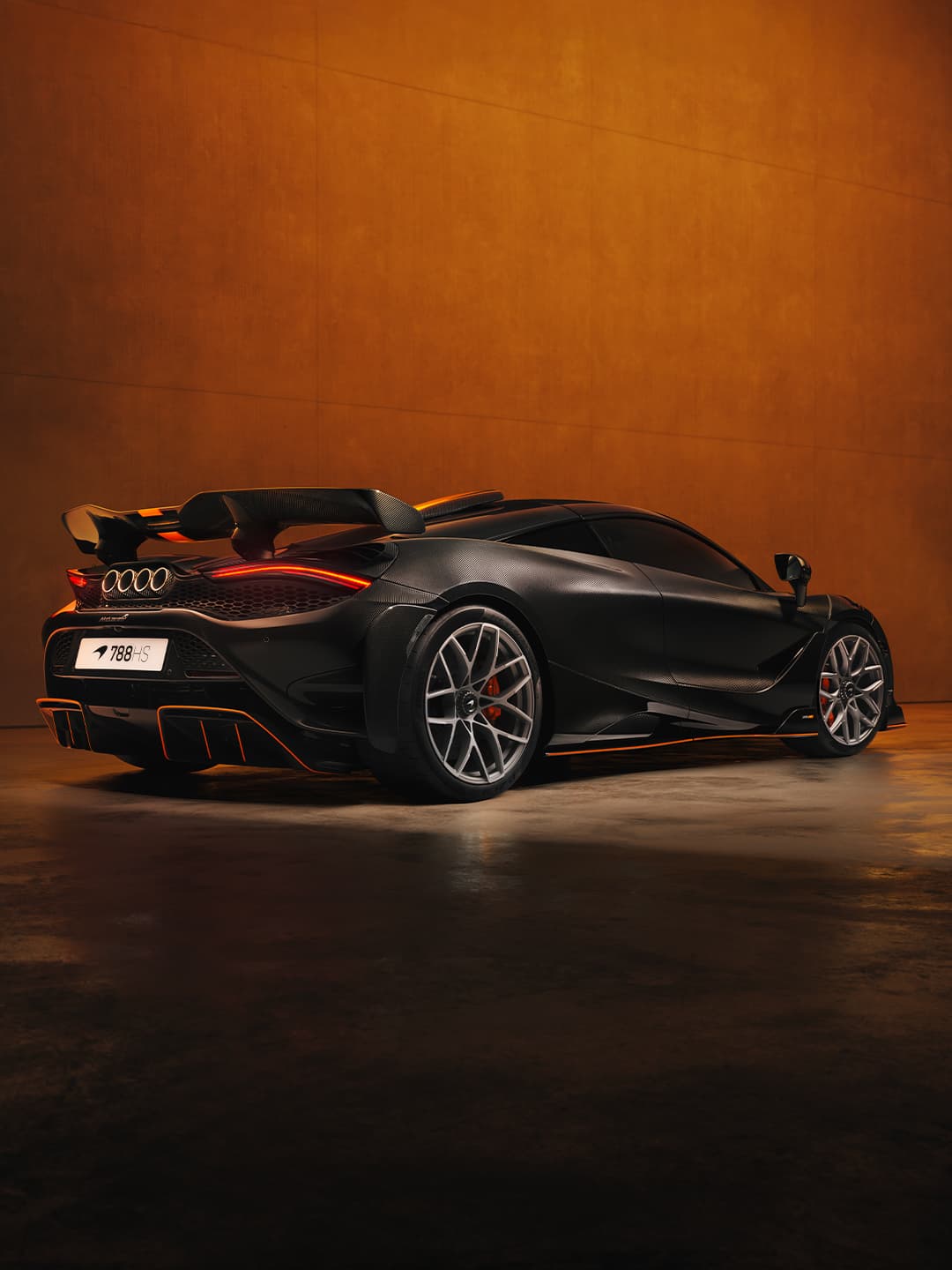
There is a particular kind of confidence in reviving an internal badge only a handful of people will ever see in the wild. With the HS name returning for only the third time in McLaren’s history, the message is pointed: this is for the rarest, most extreme production machines the brand can legitimately sign its name to. In other words, the kind of McLaren HS special edition that exists less to broaden a range than to sharpen a reputation.
Why the McLaren HS badge actually matters
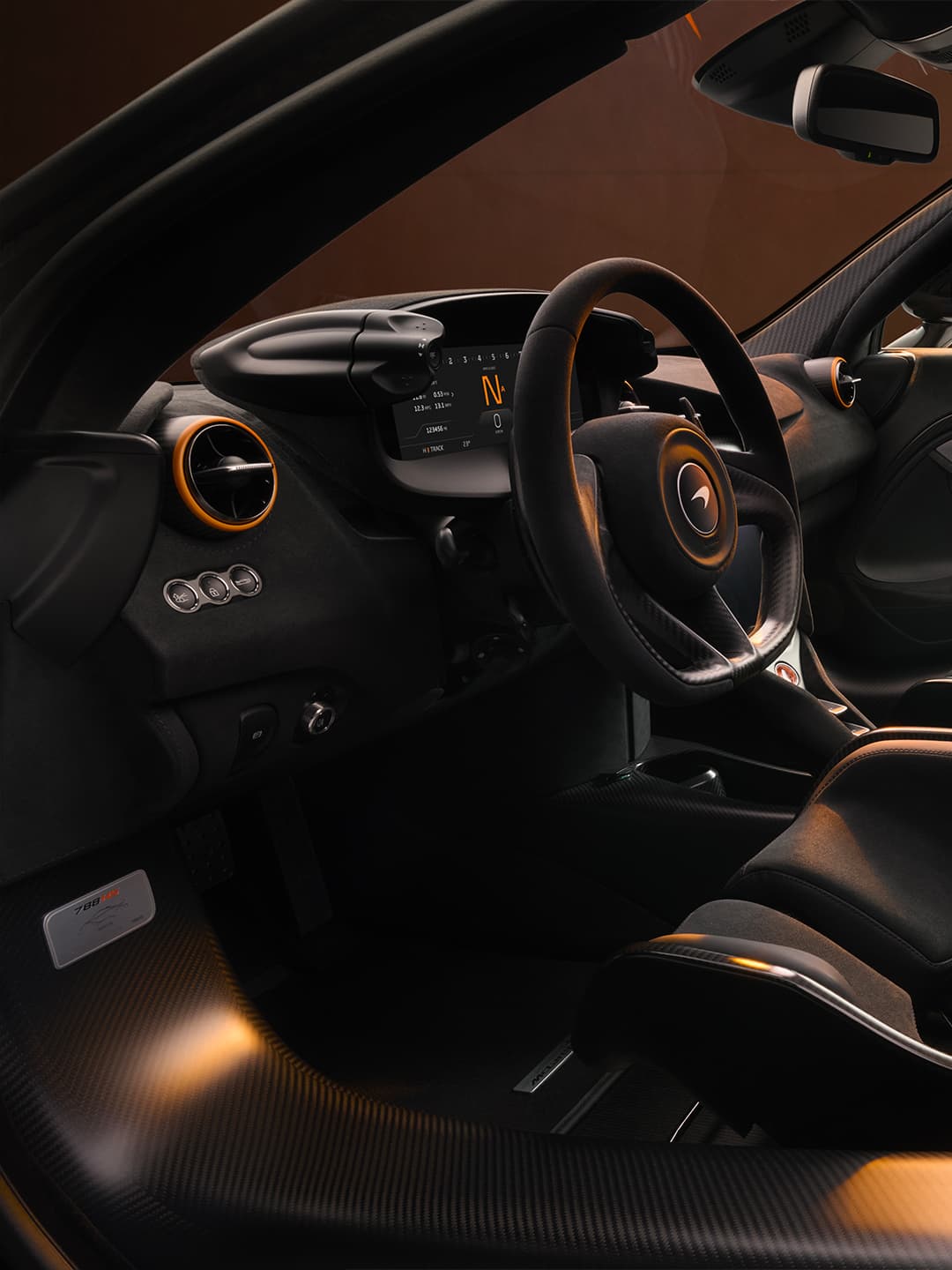
McLaren’s modern catalogue has never lacked speed, nor the engineering theatre expected of Woking. What it has used more sparingly is hierarchy, a way of signalling that certain cars sit beyond even its own already narrow definitions of special. That is where HS comes in, a designation historically reserved for tightly controlled, high specification builds and serious, customer driven curation.
This new HS programme is limited to just 100 Coupe and 100 Spider examples worldwide, each individually curated through McLaren Special Operations. McLaren is careful with the word curated because it implies more than choosing paint and stitching. It suggests an editorial process: a client brief, a design direction, and a final object that reads like a one off, even when it is one of two hundred.
Limited numbers, MSO curation, and the new logic of scarcity
Scarcity used to be a byproduct of cost and complexity. Today it is also a strategy, and McLaren is hardly alone in that. Still, a hard cap of 200 cars globally, split evenly between Coupe and Spider, is a statement in a market where “limited” can mean thousands. The appeal is partly obvious, rarity remains the most durable form of automotive social currency, but the more interesting layer is how the brand places the emphasis on MSO rather than on a single headline statistic.
McLaren Special Operations has long been the brand’s in house atelier, handling bespoke finishes, unique materials, and deeper re engineering when a project warrants it. Officially, MSO sits as McLaren’s personalisation and bespoke division, with the remit to create everything from subtle one offs to fully fledged limited series programmes. The HS return makes MSO the hero, treating the end product as a client authored object as much as an engineering one. For context on the division and its scope, see McLaren Special Operations.
What we can and cannot verify right now
The caption doing the rounds is clear on the essentials: HS is back, it is only the third time the name has been used in McLaren history, and production is limited to 100 Coupe and 100 Spider cars globally. Beyond that, the most responsible position is to be precise about what is confirmed and cautious about what is still unsubstantiated in public, such as pricing, power figures, or the exact underlying model architecture. Those details tend to surface in formal press materials, EU and US market documents, and first customer deliveries, not in teaser language.
What is verifiable already is how McLaren handles these programmes: exclusive allocations, extensive client consultation, and long lead times for the kind of materials and finishes that feel genuinely bespoke rather than configurator clever. If the HS badge is being used properly, expect the specification to go beyond colour and trim into aerodynamic detail, weight saving options, and track focused tuning choices that are coherent as a package, not just expensive as a list.
Collectors who follow ultra low volume McLarens will also recognise the brand’s pattern: an internal name, a production cap, an MSO led narrative, then a gradual reveal of how the car differs in stance, surfacing, and intent. If you want the broader context of where these high specification builds sit in the current supercar arms race, our Automobile coverage has tracked how brands are increasingly using the atelier story as the real differentiator.
The telltale signs to watch for
When McLaren makes something meaningfully rarer, the changes often show up in a few repeat categories: reworked aero for stability at speed, revised cooling, a more aggressive stance, and a cabin that leans into lightweight tactility rather than pure luxury. Pay attention to wheel design, brake specification, and the tones and textures MSO chooses to highlight, those are usually the clearest signals of whether a programme is about theatre or about substance.
For now, the most concrete takeaway is also the simplest: the HS badge is being used sparingly, the run is capped at two hundred, and MSO is at the centre of the promise. In a segment where horsepower numbers age fast, that kind of selectivity tends to hold its value.
Photo Credits
Images courtesy of their respective owners.